


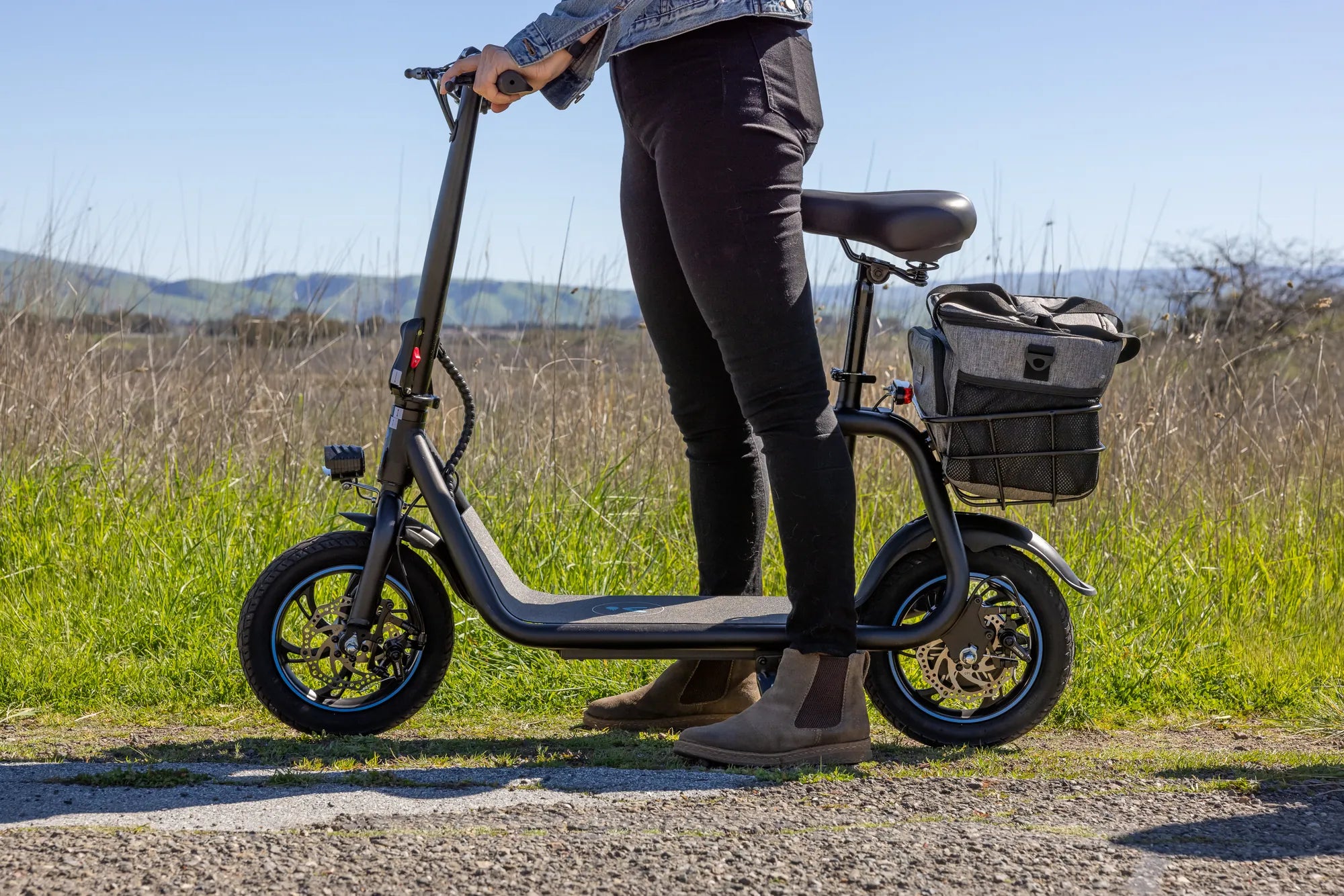
Electric scooters have become a popular mode of transportation, offering convenience and eco-friendly travel. However, like any mechanical device, they can stop working without warning. If you've ever been stranded because your scooter suddenly died, you're not alone. Understanding why electric scooters fail can help you prevent future breakdowns and keep your ride running smoothly.
Battery Issues
One of the most common reasons electric scooters stop working is battery failure. Over time, batteries degrade, losing their ability to hold a charge. If your scooter won't turn on or dies quickly after a full charge, the battery may be the culprit. Extreme temperatures, overcharging, or leaving the battery completely drained for long periods can accelerate wear. Regularly checking battery health and replacing it when necessary can prevent unexpected shutdowns.
Motor Problems
The motor is the heart of an electric scooter, and when it fails, the scooter won't move. Overheating, water damage, or excessive strain from steep hills can cause motor burnout. If your scooter makes strange noises or struggles to accelerate, the motor may be failing. Keeping the motor clean and avoiding overloading the scooter can extend its lifespan.
Electrical Wiring and Connections
Loose or damaged wiring can disrupt power flow, causing the scooter to stop working. Corrosion, frayed wires, or disconnected plugs can prevent the battery from delivering power to the motor. Regularly inspecting the wiring and ensuring all connections are secure can help avoid electrical failures.
Tire and Brake Issues
Flat tires or worn-out brakes won't necessarily stop the scooter from running, but they can make it unsafe to ride. Some scooters have safety features that prevent operation if brakes are malfunctioning. Keeping tires properly inflated and replacing brake pads when needed ensures a smooth and safe ride.
Software and Controller Malfunctions
Modern electric scooters rely on software and controllers to regulate speed and power. If the controller fails, the scooter may not respond to throttle inputs or shut down unexpectedly. Firmware updates or controller replacements may be necessary to resolve these issues.
Water Damage
While some scooters are water-resistant, prolonged exposure to rain or submersion can damage internal components. Water can corrode electrical connections and short-circuit the system. Avoiding wet conditions and storing the scooter in a dry place can prevent water-related failures.
Overheating
Continuous use, especially in hot weather, can cause the scooter to overheat. Many models have thermal protection that shuts them down to prevent damage. Letting the scooter cool down before resuming use helps avoid overheating-related shutdowns.
Preventive Maintenance Tips
Regular maintenance can significantly reduce the chances of your scooter stopping unexpectedly. Check tire pressure, inspect brakes, clean the scooter, and store it properly when not in use. Keeping the battery charged (but not overcharged) and avoiding extreme conditions will also prolong its life.
Nobody wants their electric scooter to stop working at the worst possible moment. By understanding the common causes of failure and taking preventive steps, you can keep your ride reliable and avoid unexpected breakdowns. Stay proactive, and your scooter will keep you moving smoothly for miles to come.
Electric Bike for Parents: The Ultimate Guide to Family-Friendly Commuting
Can You Ride an Electric Bike on the Road? The Ultimate Guide