


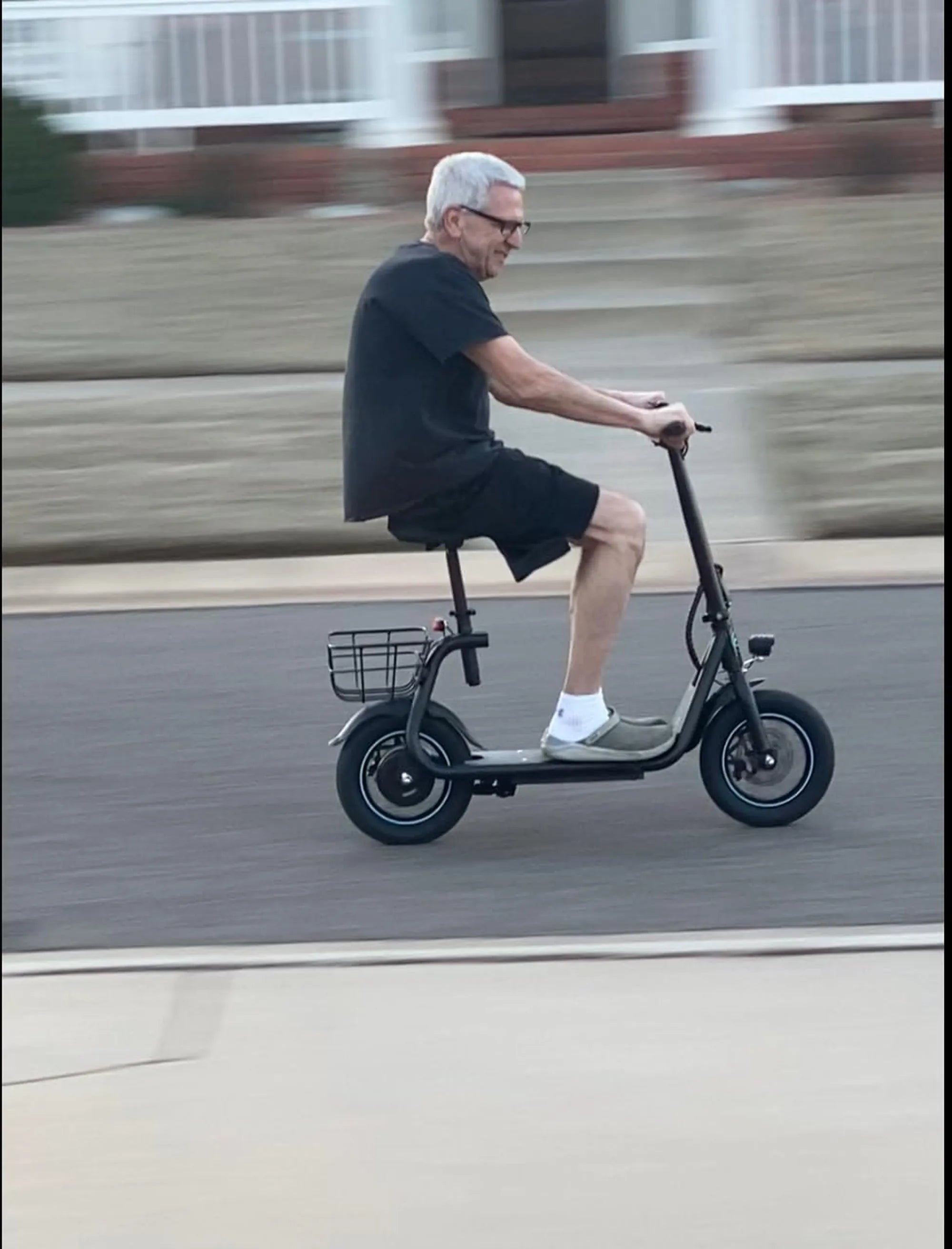
Charging an electric scooter at home seems like a no-brainer—plug it in, walk away, and let the battery fill up. But is it really that simple? With rising concerns about battery fires and electrical hazards, many riders are questioning whether home charging is truly safe. Let’s dive into the risks, precautions, and expert advice to keep you and your home protected.
Understanding the Risks of Charging Electric Scooters at Home
Electric scooters rely on lithium-ion batteries, which are lightweight and efficient but come with inherent risks. Overheating, overcharging, or physical damage can lead to thermal runaway—a chain reaction causing fires or explosions. While rare, these incidents have made headlines, raising valid safety concerns.
Common Causes of Charging-Related Accidents
- Faulty Chargers or Batteries: Cheap or damaged charging equipment can overheat or deliver incorrect voltage.
- Overcharging: Leaving the scooter plugged in for extended periods strains the battery.
- Poor Ventilation: Charging in confined spaces traps heat, increasing fire risks.
- Physical Damage: Dropping or puncturing the battery can trigger internal short circuits.
How to Charge Your Electric Scooter Safely at Home
Despite the risks, you can minimize hazards by following these best practices:
1. Use the Right Charger
Always use the manufacturer-approved charger. Third-party chargers may save money but often lack proper voltage regulation, increasing the risk of overheating.
2. Avoid Overnight Charging
Unplug your scooter once it reaches full charge. Many modern scooters have auto-shutoff features, but it’s better to err on the side of caution.
3. Charge in a Safe Location
Choose a well-ventilated, non-flammable surface like a concrete floor. Avoid charging near carpets, curtains, or wooden furniture.
4. Monitor the Charging Process
Don’t leave your scooter unattended while charging. If you notice excessive heat, strange smells, or swelling batteries, unplug immediately.
5. Store Batteries Properly
If storing your scooter long-term, keep the battery at 50-60% charge in a cool, dry place. Fully charged or depleted batteries degrade faster.
What Experts Say About Home Charging Safety
Fire safety organizations and electric vehicle experts emphasize proactive measures:
- Install Smoke Alarms: Place them near charging areas for early fire detection.
- Invest in a Smart Plug: Timers or smart plugs can automatically cut power after a set duration.
- Regular Inspections: Check cables and batteries for wear and tear periodically.
Alternatives to Home Charging
If you’re still uneasy about charging at home, consider these options:
- Public Charging Stations: Many cities now offer dedicated e-scooter charging points.
- Workplace Charging: Some offices provide charging facilities for commuters.
- Battery Swap Services: A few companies offer pre-charged battery exchanges.
Charging your electric scooter at home doesn’t have to be a gamble. With the right precautions, you can enjoy the convenience without compromising safety. Stay vigilant, follow expert guidelines, and ride with peace of mind knowing your charging routine is as secure as it is efficient.
Best Custom Color Electric Scooters: Personalize Your Ride in Style
Best Custom Color Electric Scooters: Personalize Your Ride in Style