



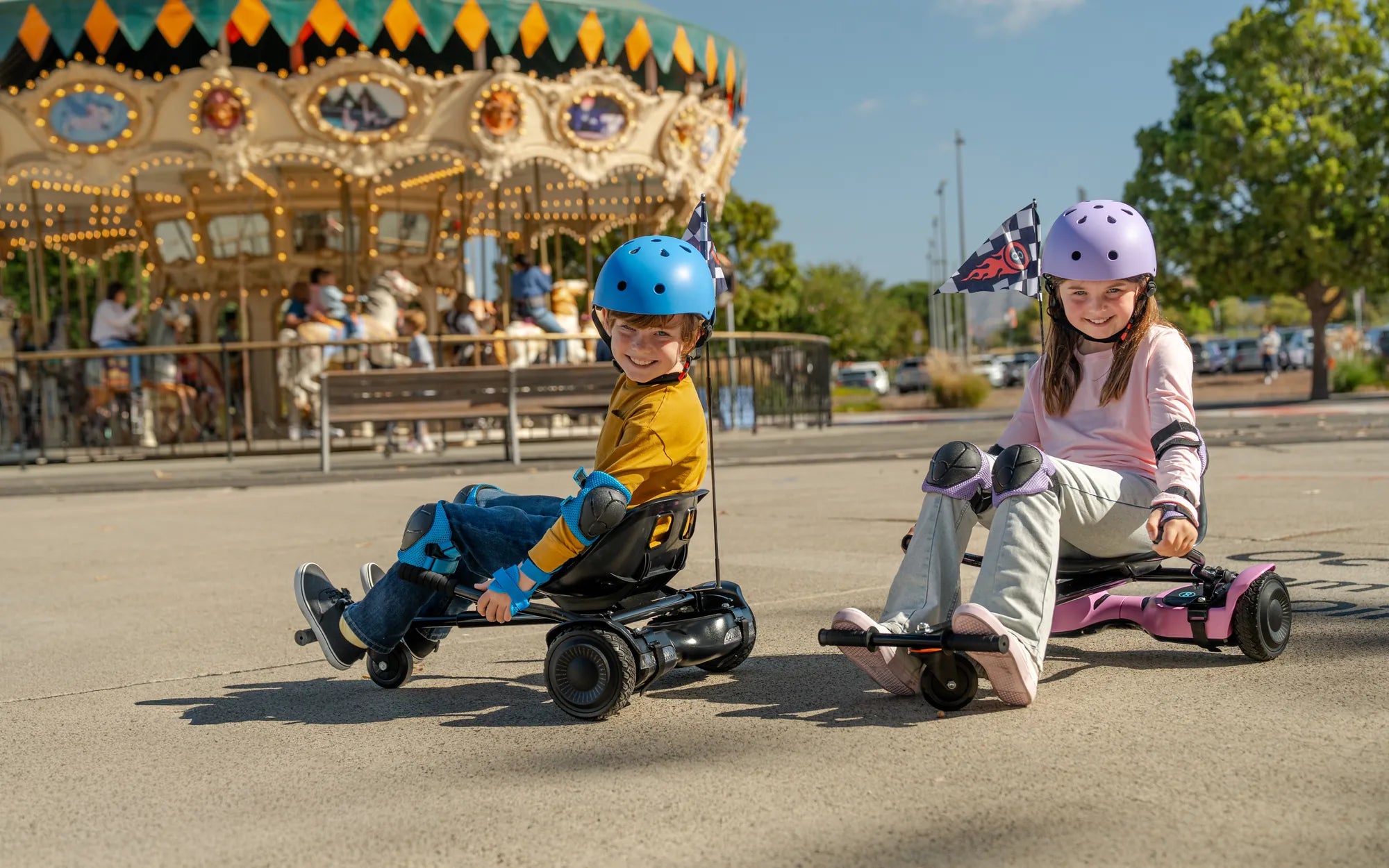
Imagine a 1-year-old in China gliding effortlessly on a hoverboard, their tiny feet barely touching the ground as they zip around with surprising confidence. This scene, once unimaginable, is becoming increasingly common in Chinese households. The sight of toddlers mastering self-balancing scooters has sparked debates, admiration, and concerns worldwide. How did this trend emerge, and what does it say about the intersection of technology, parenting, and culture in modern China?
The Rise of Hoverboards Among Toddlers in China
In recent years, hoverboards have transitioned from being a novelty gadget for teenagers to a surprising tool for early childhood development in China. Videos of 1-year-olds maneuvering hoverboards with remarkable skill have gone viral, showcasing a generation growing up with technology as second nature. This trend reflects China's rapid embrace of innovative gadgets and the willingness of parents to introduce tech early in their children's lives.
Cultural Factors Behind the Phenomenon
Several cultural elements contribute to this unique trend. Chinese parents often prioritize early skill development, seeing technological proficiency as crucial for future success. The concept of "early is better" permeates many aspects of Chinese child-rearing, from language acquisition to physical coordination. Additionally, the one-child policy's legacy has created families where resources are concentrated on single children, allowing for investment in expensive gadgets.
Developmental Benefits and Concerns
Proponents argue that hoverboard use can enhance:
- Balance and coordination development
- Spatial awareness at an early age
- Confidence in movement and exploration
However, pediatric experts caution about potential risks to developing bones and muscles, recommending strict supervision and limited session durations for very young children.
Safety Considerations for Young Riders
When allowing 1-year-olds to use hoverboards, safety must be the top priority. Essential precautions include:
- Using models with speed limiters and parental controls
- Ensuring proper protective gear (helmets, knee pads)
- Restricting use to smooth, obstacle-free surfaces
- Maintaining constant adult supervision
The Future of Tech-Integrated Childhood
As China continues to lead in technological adoption, the sight of 1-year-olds on hoverboards may become increasingly normalized. This trend raises important questions about how technology shapes early childhood development and what boundaries should exist between play and safety. One thing is certain - the world will be watching how this generation of tech-native children develops.
From viral videos to playgrounds across China, the image of toddlers mastering hoverboards represents more than just cute content - it's a window into our technological future. As these children grow up with unprecedented tech fluency, their experiences may redefine what we consider normal in childhood development. The question isn't just whether 1-year-olds should ride hoverboards, but how society will adapt to the children who do.
How Fast Are Hoverboards: Speed, Safety, and What You Need to Know
Why Does the Hoverboard Blow Up? The Shocking Truth Behind the Explosions