


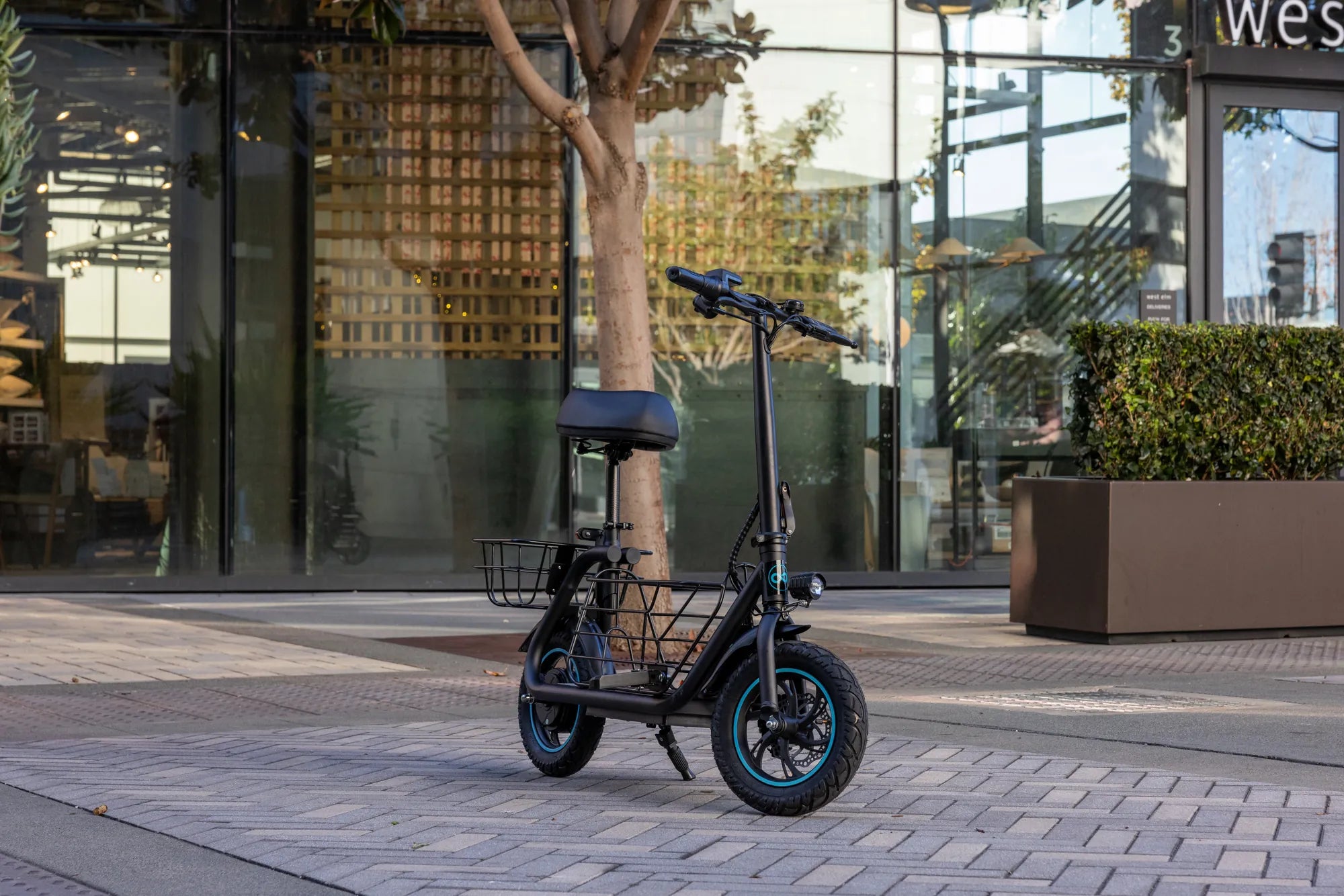
Selecting the correct tire for your electric scooter is a critical decision that directly impacts your safety, ride quality, and vehicle longevity. The alphanumeric code stamped on the sidewall is your key to compatibility, and for many riders, that code is 10x2.75-6.5. This article provides a comprehensive, data-driven analysis of the 10x2.75-6.5 scooter tire. You will learn to decode its dimensions, understand its applications, and master maintenance practices to ensure optimal performance from your scooter, whether you're navigating city streets or exploring light trails.
Understanding Scooter Tire Sizing: Decoding 10x2.75-6.5
Electric scooter tire sizing follows a standardized format, but the numbers can seem cryptic at first glance. The designation 10x2.75-6.5 is not arbitrary; it provides precise measurements essential for a proper fit and function. Misinterpreting these numbers can lead to purchasing incompatible tires, resulting in poor handling or even dangerous failures.
The first number, 10, represents the overall tire diameter in inches. This is the height of the tire when properly inflated and mounted. A 10-inch diameter is a common size for many mid-to-large electric scooters, offering a balance between compact agility and sufficient ground clearance to navigate common urban obstacles like curbs and potholes.
The second number, 2.75, indicates the tire's width, also in inches. This 2.75-inch width is a key factor in the scooter's stability and grip. A tire of this width provides a substantial contact patch with the road, improving traction during acceleration and braking compared to narrower options, without introducing excessive rolling resistance that can drain battery life.
The final number, 6.5, is arguably the most critical for compatibility. This specifies the rim diameter, or the size of the wheel hub the tire must fit onto. A 10x2.75-6.5 tire is designed exclusively for a 6.5-inch rim. Attempting to mount it on a different-sized rim, even if the overall diameter is similar, is unsafe and will compromise the tire's bead seal, leading to air leaks or sudden deflation.
Why the Right Tire Size is Critical for Your Electric Scooter
Using the manufacturer-specified tire size, such as 10x2.75-6.5, is a non-negotiable aspect of scooter ownership. It is a fundamental engineering parameter that affects nearly every aspect of the vehicle's performance and safety. Deviating from this specification can have immediate and severe consequences.
From a safety perspective, an incorrect tire size can drastically alter handling characteristics. A tire that is too wide may rub against the scooter's fork or fender, causing sudden locking or loss of control. A tire with an mismatched rim diameter will not seat correctly, posing a high risk of a blowout at speed. Such failures are not just inconvenient; they are major safety hazards for the rider and others.
Performance and efficiency are also directly tied to tire specification. Engineers at reputable brands like Gyroor select specific tire sizes like the 10x2.75-6.5 to optimize the balance between acceleration, top speed, and battery range. The wrong tire can increase rolling resistance, significantly reducing your scooter's per-charge range, or alter the effective gear ratio, affecting motor performance and potentially causing overheating.
Furthermore, using non-OEM or incorrectly sized tires can void your scooter's warranty. Manufacturers design and test their vehicles as complete systems. Altering a core component like the tires introduces variables that were not accounted for in safety and durability testing. For a brand like Gyroor, which backs its products with a reliable 1-year warranty and uses UL-certified batteries, maintaining original specifications is key to ensuring continued protection and support.
Anatomy of a 10x2.75-6.5 Tire: Breaking Down the Specs
To fully appreciate the 10x2.75-6.5 scooter tire, one must understand the role of each dimensional spec. The 10-inch overall diameter is a primary determinant of the scooter's ride height and geometry. This size typically offers enough suspension travel and cushioning from the tire itself to absorb minor road imperfections, contributing to rider comfort on longer commutes.
The 2.75-inch width defines the tire's footprint. This width strikes a notable balance. It is wide enough to provide confidence-inspiring stability during cornering and on uneven surfaces, yet narrow enough to maintain the agile, flickable feeling that makes scooters fun for urban navigation. It also supports a robust tread pattern for all-weather grip without becoming overly heavy.
The 6.5-inch rim diameter is the linchpin of the assembly. The tire's internal bead is engineered to lock securely onto a rim of this exact measurement. A proper seal here is what contains the air pressure (in a tubed setup) or forms an airtight chamber (in a tubeless setup). Even a minor discrepancy in rim size can prevent this seal from forming, leading to chronic air loss and a hazardous riding condition.
Common Applications: Which Scooters Use This Tire Size?
The 10x2.75-6.5 tire size is a workhorse specification found on a wide range of electric scooters designed for serious commuting and recreational use. It is particularly prevalent on models that prioritize a blend of urban practicality and durable construction capable of handling varied pavement conditions.
This size is common on many mid-to-high-performance commuter scooters. These models often feature dual motor setups or more powerful single motors, requiring the additional traction and stability that the 2.75-inch width provides. The 10-inch diameter also allows for larger brake discs, enhancing stopping power—a critical safety feature for faster vehicles.
Several models from Gyroor's lineup are engineered around this specific tire dimension. By standardizing on a size like 10x2.75-6.5, Gyroor ensures optimal performance from their motor and battery systems, aligns with their IPX5 water-resistant design philosophy by allowing for proper fender coverage, and provides riders with a predictable and stable handling character. It reflects a design choice focused on real-world reliability for over 100,000 riders.
Tubeless vs. Tubed: Choosing for Your 10x2.75-6.5 Tires
The 10x2.75-6.5 scooter tire can be configured in two primary ways: with a traditional inner tube or as a tubeless system. Each setup has distinct advantages and trade-offs that riders should consider based on their typical terrain and maintenance preference.
Tubed tires are the more common and traditional design. They consist of a tire casing and a separate, inflatable inner tube that holds the air. The primary advantage of a tubed setup is simplicity and lower initial cost. Replacement tubes are inexpensive and widely available. However, they are more susceptible to pinch flats (snake bites) from hitting potholes or curbs and are generally more prone to punctures from sharp objects.
Tubeless tires, on the other hand, form an airtight seal directly against the rim. Liquid sealant is often used inside to automatically plug small punctures. The key benefits are superior puncture resistance and the ability to run lower air pressures for improved traction without the risk of pinch flats. The downside is that they require compatible, airtight rims and can be more challenging to install and repair on the roadside.
For the urban commuter facing glass and debris, a tubeless 10x2.75-6.5 setup can mean fewer interruptions. For the rider who values simplicity and easy at-home repairs, a quality tubed tire may be preferable. Always verify your scooter's rim compatibility before attempting to convert from one system to another.
Maintenance & Replacement Guide for 10x2.75-6.5 Tires
Proactive maintenance is the best way to extend the life of your 10x2.75-6.5 tires and ensure safe operation. A simple, regular inspection routine can prevent most tire-related issues before they strand you or cause an accident.
Weekly, check your tire pressure using a accurate gauge. For a 10x2.75-6.5 scooter tire, the recommended pressure typically ranges from 40 to 50 PSI, but always consult your scooter's manual. Under-inflation increases rolling resistance (sapping range), causes uneven wear, and raises the risk of pinch flats. Over-inflation reduces traction and makes the ride uncomfortably harsh.
Visually inspect the tread and sidewalls for wear and damage. Look for embedded objects like nails or glass, significant cracks in the rubber (weather checking), and cuts or bulges in the sidewall. For tread wear, use the wear indicators (small raised bars in the tread grooves). If the tread is flush with these bars, the tire is due for replacement. Most 10x2.75-6.5 tires will last between 1,000 to 2,000 miles depending on riding style, weight, and terrain.
Replacing a 10x2.75-6.5 tire requires tire levers, a wrench for the axle nut, and patience. Deflate the tube completely, unseat the tire bead from the rim, and carefully remove the old tire and tube. Install the new tire partially onto the rim, insert the new tube (lightly inflated to hold its shape), and then work the rest of the bead onto the rim. Avoid pinching the tube with the tire levers. Inflate to the recommended pressure and reinstall the wheel, ensuring all bolts are properly torqued.
Performance Data: How Tire Choice Affects Your Ride
Not all 10x2.75-6.5 scooter tires are created equal. The rubber compound, tread pattern, and construction quality create different performance profiles. Your choice should align with your primary riding environment to maximize safety and enjoyment.
| Tire Type | Best For | Tread Pattern | Grip on Pavement | Grip on Loose Surfaces | Estimated Range Impact | Ride Comfort |
|---|---|---|---|---|---|---|
| Street/Slick | Urban Commuting | Minimal, smooth center | Excellent | Poor | Highest (Lowest Rolling Resistance) | Very Good |
| Hybrid/All-Round | Mixed Pavement & Light Trails | Moderate, block-style | Very Good | Good | Moderate | Good |
| Off-Road/Knobby | Trails, Grass, Dirt | Aggressive, deep lugs | Fair (Noisy) | Excellent | Lowest (High Rolling Resistance) | Firm (unless run at low PSI) |
As the table illustrates, a street-focused 10x2.75-6.5 tire will deliver the maximum range and smoothest ride on asphalt, making it ideal for daily commuters. The hybrid option offers versatility for riders who occasionally venture onto packed dirt or gravel paths. The off-road tire sacrifices on-road efficiency and comfort for supreme capability on soft or uneven terrain.
Frequently Asked Questions (FAQ)
Q1: Can I use a 10x3.0-6.5 tire instead of a 10x2.75-6.5 on my scooter?
A: It is not recommended. While the rim diameter (6.5) matches, the increased 3.0-inch width may cause the tire to rub against the scooter's fork, fender, or brake caliper. This contact can cause rapid, uneven wear, damage components, and lead to a sudden loss of control. Always use the width specified by the manufacturer.
Q2: Are all 10x2.75-6.5 tires the same quality?
A: No, quality varies significantly. Differences include rubber compound (softer for grip, harder for longevity), casing construction (number of ply layers), and tread design. Higher-quality tires offer better puncture resistance, more consistent grip, and longer wear life. Investing in a reputable tire from a known manufacturer or using OEM-specified parts, like those designed for Gyroor scooters, ensures reliability.
Q3: How does tire pressure impact my electric scooter's battery range?
A>Significantly. Under-inflated tires have a larger, deformed contact patch with the road, dramatically increasing rolling resistance. This forces the motor to work harder, consuming more battery power for the same distance. Maintaining proper PSI in your 10x2.75-6.5 scooter tires is one of the simplest and most effective ways to maximize your scooter's per-charge range.
Q4: What is the difference between a tire and a wheel?
A: The wheel is the entire rotating assembly, which includes the central hub, the spokes (or mag-style structure), and the rim. The tire is the rubber component that mounts onto the rim. When you purchase a 10x2.75-6.5 scooter tire, you are buying only the rubber part. The 6.5 measurement refers to the diameter of the rim it must fit.
Q5: Can I repair a punctured 10x2.75-6.5 tubeless tire myself?
A: Small punctures in the tread area can often be repaired with a tubeless tire plug kit, a common item for motorcycles and scooters. The process involves inserting a rubber plug and sealant compound into the hole from the outside. However, sidewall punctures or large gashes are not safely repairable and require tire replacement. For tubed tires, patching or replacing the inner tube is the standard repair.
Conclusion: Rolling Forward with Confidence
Your scooter's tires are its only point of contact with the ground, making their specification, condition, and quality paramount. Understanding the 10x2.75-6.5 scooter tire—from its precise dimensional meaning to its impact on safety and efficiency—empowers you to make informed decisions. Choosing the correct tire type for your riding style, maintaining proper pressure, and replacing worn tires promptly are non-negotiable practices for any responsible rider.
This diligence is especially important for owners of performance-oriented brands like Gyroor, where the integration of UL-certified battery systems, IPX5 water-resistant designs, and robust motors is complemented by carefully selected components like the 10x2.75-6.5 tire. By prioritizing OEM-specified parts and quality replacements, you protect your investment, ensure the performance you paid for, and maintain the warranty support that comes with it. For your safety and enjoyment, never compromise on the foundation of your ride.
Ready to ensure your scooter is equipped for peak performance and safety? Browse the full Gyroor collection, featuring models engineered with precision components like the 10x2.75-6.5 tire, at gyroorboard.com.
Best 125 cc Scooter: The Ultimate Guide to Urban Commuting
People 150 Scooter: The Ultimate Guide for 150 lb Riders