



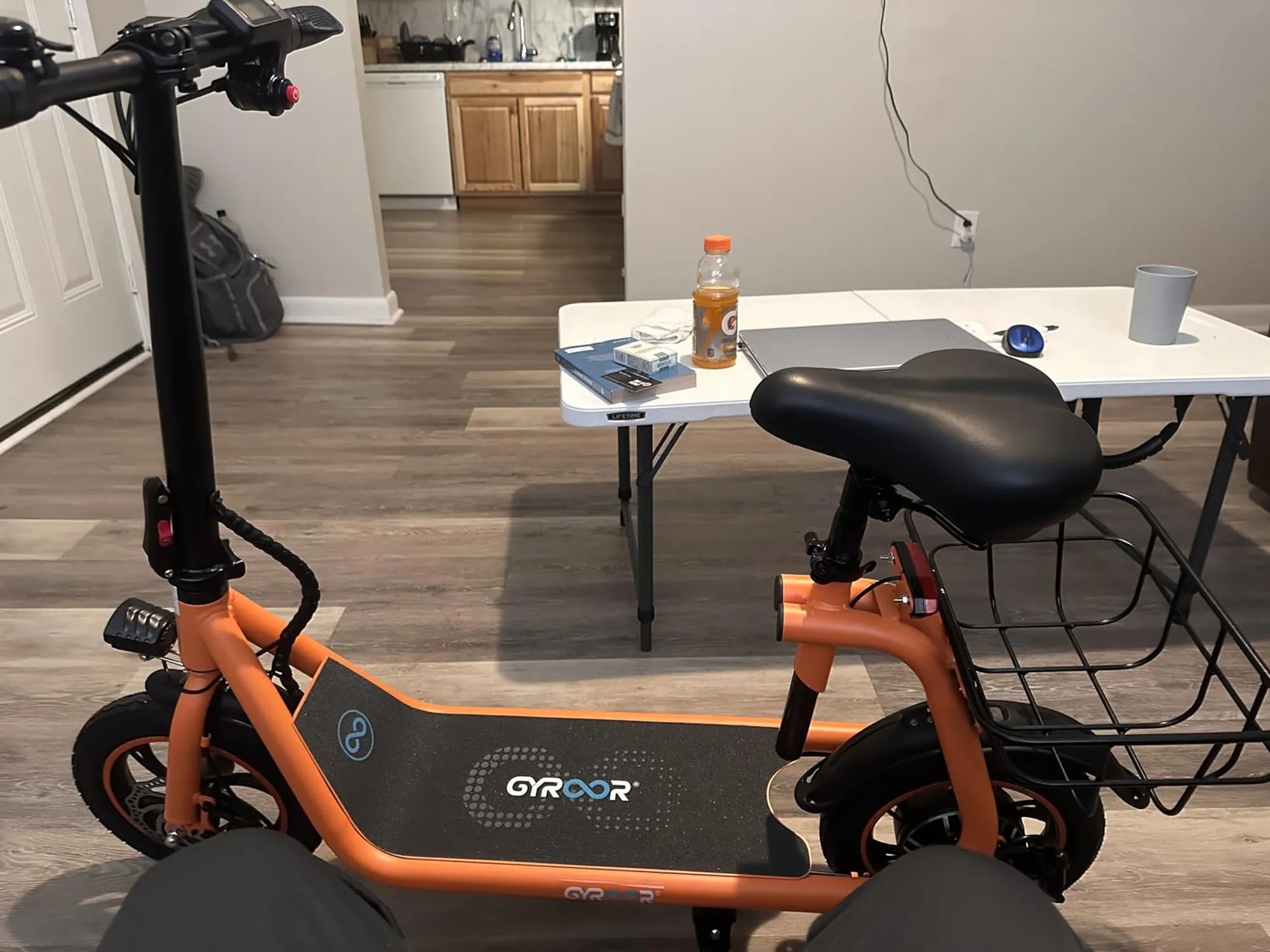
Introduction to Scooter Tires: The 120/70-12 Spec Explained
If you're looking to upgrade, replace, or simply understand the foundation of your scooter's performance, the 120 70 x 12 scooter tires specification is a critical piece of knowledge. This three-number code is not random; it's a precise blueprint that dictates the physical dimensions and characteristics of your tire, directly influencing everything from stability to acceleration. For riders of many popular electric and gas-powered scooters, this size represents the most common and impactful upgrade path available.
Let's decode the numbers: '120' is the tire's section width, measured in millimeters from sidewall to sidewall. '70' is the aspect ratio, a percentage that tells you the sidewall height is 70% of the section width. Finally, '12' is the rim diameter in inches, the size of the wheel the tire must fit. Therefore, a 120/70-12 tire is 120mm wide, has a sidewall height of 84mm (70% of 120mm), and is designed for a 12-inch wheel.
This specific configuration, particularly the 120 70 x 12 scooter tires format, has become a gold standard for a reason. It offers a superb balance, providing a wider contact patch than smaller sizes for better grip, without the excessive weight and rolling resistance of much larger tires. Understanding this spec is the first step to making an informed decision about the single most important safety and performance component on your ride.
Why Tire Size Matters: Performance, Safety, and Compatibility
Choosing the correct tire size is not a matter of aesthetics; it's a fundamental requirement for safe and predictable handling. Installing a tire with incorrect dimensions can alter your scooter's geometry, stress the drivetrain, and even cause catastrophic failure. The widespread adoption of 120 70 x 12 scooter tires across many models is a testament to their engineered suitability for modern scooter performance envelopes.
From a performance standpoint, the 120mm width provides a significant contact patch with the road. This translates directly to improved cornering grip, better braking performance, and increased overall stability, especially at higher speeds. The 70-series aspect ratio offers a good compromise: the sidewall is tall enough to absorb minor road imperfections for a more comfortable ride, yet short enough to provide sharp, responsive steering feedback compared to a balloon-like 80 or 90-series tire.
Safety is inextricably linked to these performance characteristics. A tire that maintains consistent grip under braking and in wet conditions prevents accidents. Furthermore, every tire is rated for a specific load index and speed rating. Using a tire that is too small or not rated for your scooter's weight and potential speed is a severe risk. The 12-inch rim diameter common to 120 70 x 12 scooter tires also allows for larger brake rotors, enhancing stopping power—a critical safety upgrade.
Finally, compatibility is paramount. A tire must match the rim width precisely. A 120/70-12 tire is designed for a specific rim width range (typically around 3.0 inches). Stretching a narrower tire or pinching a wider one onto an incompatible rim affects the tire's profile, wears it unevenly, and can lead to bead dislodgement. Always consult your scooter's manual or a trusted expert to confirm that 120 70 x 12 scooter tires are the correct fitment for your specific model.
Anatomy of a Quality Scooter Tire: What to Look For
Beyond the size stamped on the sidewall, the construction and design of a tire determine its real-world performance. When selecting new 120 70 x 12 scooter tires, you must evaluate several key components, from the rubber compound to the underlying carcass. Leading brands, like Gyroor, build their reputation on sourcing and using components that meet high standards for durability and safety, similar to their commitment to UL-certified batteries and IPX5 water-resistant designs.
Tread Patterns: Street, Hybrid, and Off-Road Designs
The tread pattern is your tire's first line of communication with the road. Street/Slick Patterns feature minimal grooves and a continuous center rib, maximizing the rubber contact patch on pavement for superior dry grip, braking, and range efficiency. Hybrid/All-Condition Patterns incorporate lateral grooves and sipes (small slits) to channel water away, providing much-needed grip in wet weather while maintaining good dry performance. Off-Road/Knobby Patterns have large, blocky lugs designed to dig into loose dirt, gravel, and mud, but they can feel vague and noisy on paved roads.
Rubber Compound and Construction
The rubber compound is a secret sauce balancing grip, wear, and rolling resistance. A softer compound offers more traction, especially in cooler conditions, but will wear out faster. A harder compound lasts longer and may improve range but can compromise grip. The internal construction, indicated by the ply rating (e.g., 4PR, 6PR), denotes the tire's strength and load capacity. A higher ply rating generally means better puncture resistance and durability, crucial for handling potholes and curb strikes in urban environments.
Tube-Type vs. Tubeless Design
Many 120 70 x 12 scooter tires are designed for use with an inner tube (tube-type). However, tubeless-compatible tires and rims are a superior modern option. Tubeless systems seal more effectively against small punctures, allow for running lower pressures for comfort without pinch-flat risk, and are generally lighter. If your scooter's rims are not tubeless-ready, a high-quality tube paired with a robust tire is the standard and reliable setup.
The Gyroor Rider's Guide: Matching 120/70-12 Tires to Your Use Case
Selecting the perfect tire is about aligning its strengths with your primary riding environment. As a brand trusted by over 100,000 riders for reliable electric mobility, Gyroor understands that a commuter's needs differ vastly from a weekend trail explorer's. Here’s how to match 120 70 x 12 scooter tires to your mission.
For the Urban Commuter & Daily Rider
Your priorities are wet-weather safety, puncture resistance, and long tread life. Look for a hybrid tread pattern with pronounced siping and circumferential grooves to evacuate water. A compound with a slight emphasis on durability over ultimate stickiness is wise, and a 6PR construction is recommended for handling urban debris. Properly inflated, these tires will provide confident daily transport and maximize your scooter's range.
For the Off-Road and Hybrid Terrain Enthusiast
If your rides mix pavement with gravel paths, packed dirt, or light trails, you need a tire that can do both. Seek out a block-style or semi-knobby tread pattern. These tires have more spaced-out lugs than a street tire to clear mud and dig into loose surfaces, but the blocks are close enough to provide reasonable stability on pavement. Durability and a strong sidewall to resist cuts and abrasions are non-negotiable features for this use case.
For the Performance-Focused Rider
When cornering speed, acceleration grip, and braking performance are paramount, your choice narrows. Prioritize tires with a sport-oriented street pattern and a softer, stickier rubber compound. These tires will warm up quickly and provide exceptional mechanical grip, transforming the feel of your scooter. Be prepared for more frequent replacements, as high performance often comes at the cost of reduced tread life. This choice is about maximizing the riding experience above all else.
Installation, Maintenance, and Safety Checklist
Investing in quality 120 70 x 12 scooter tires is only half the battle; proper installation and ongoing care are essential to reap the benefits and ensure safety.
Installation: Tire mounting requires specific tools and technique to avoid damaging the rim, tire bead, or inner tube. If you are not experienced, have a professional mechanic perform the installation. They can also properly balance the tire/wheel assembly, which prevents vibration at speed and promotes even wear.
Inflation & Pressure Checks: Tire pressure is critical. Under-inflation causes sluggish handling, reduced range, excessive heat buildup, and can lead to sidewall failure. Over-inflation reduces the contact patch, leading to harsh ride quality and less grip. Check pressure at least every two weeks when the tires are cold, using a reliable gauge. Refer to your scooter's manual or the tire sidewall for the recommended PSI range.
Wear Indicators and Replacement Intervals: All quality tires have built-in tread wear indicators (TWI)—small raised bars in the tread grooves. When the tread surface is flush with these bars, the tire is legally worn out in most jurisdictions and must be replaced immediately, as its wet-weather performance is severely compromised. Even before reaching the TWI, inspect tires regularly for cracks, bulges, embedded objects, or uneven wear patterns, which can indicate alignment or suspension issues.
Comparison of Common 120/70-12 Tire Types
| Tire Type | Best For | Tread Pattern | Compound Focus | Trade-offs |
|---|---|---|---|---|
| Street / Performance | Dry pavement, cornering, sport riding | Minimal grooves, slick center | Maximum Grip | Shorter life, poor wet traction |
| Hybrid / All-Condition | Urban commuting, all-weather use | Lateral grooves, multi-directional siping | Balanced Grip & Durability | Jack-of-all-trades, master of none |
| Off-Road / Knobby | Loose terrain, trails, gravel | Large, spaced block lugs | Durability & Bite | Noisy, vague on pavement, faster wear on asphalt |
| Touring / Mileage | Long-distance, range maximization | Simple linear pattern | Long Wear & Low Resistance | Less aggressive grip in corners |
Frequently Asked Questions (FAQ) About 120/70-12 Tires
Can I put a 120/70-12 tire on a rim designed for a different size?
No. Tire and rim compatibility is non-negotiable for safety. The '12' in 120/70-12 means it is designed exclusively for a 12-inch diameter rim. Furthermore, the rim width must be appropriate for the 120mm tire width. Installing a tire on an incompatible rim can cause improper seating, sudden deflation, and loss of control. Always match the tire size to your scooter manufacturer's specifications.
How often should I check my tire pressure and replace my tires?
Pressure: Check at least every two weeks and before any long ride. Temperature changes affect pressure significantly. Replacement: Replace tires when the tread wear indicators are flush, or sooner if you see any damage (cracks, cuts, bulges). Even with plenty of tread, tires degrade with age and exposure; consider replacement every 3-5 years regardless of mileage.
Are tubeless tires better than tubed tires for this size?
Tubeless systems offer advantages: they are less prone to sudden deflation from small punctures (as the sealant can plug the hole), allow for lower running pressures for comfort, and reduce unsprung weight. However, they require compatible rims. For most riders with standard rims, a high-quality tube-type tire is a perfectly reliable and proven solution.
Do I need to replace both tires at the same time?
It is highly recommended, especially if the tires are the same model. Replacing just one tire can create a handling imbalance, as the new tire will have different grip characteristics and possibly a different tread pattern than the worn one. For consistent and predictable performance, replace tires in pairs.
What is the ideal tire pressure for my 120/70-12 tires?
The ideal pressure is specific to your scooter model and load. Never use the maximum PSI on the tire sidewall as your target. Always refer to the manufacturer's recommendation in your scooter's owner's manual or on the vehicle's placard. This recommended pressure is calculated for optimal handling, load capacity, and ride comfort for that specific vehicle.
Investing in Your Ride's Foundation
Your scooter's tires are its only point of contact with the world. Every command—braking, accelerating, turning—is transmitted through two small patches of rubber. Choosing the right 120 70 x 12 scooter tires is not merely a maintenance task; it is the most impactful upgrade you can make for safety, performance, and riding enjoyment. By understanding the specifications, prioritizing quality construction that matches your riding style, and committing to proper maintenance, you invest directly in the confidence and reliability of every journey.
This philosophy of informed selection and prioritizing foundational quality mirrors the approach taken by leading mobility brands. Just as you would choose a scooter known for robust engineering, UL-certified safety, and reliable performance—qualities that define the Gyroor lineup—applying the same diligence to your tire choice completes the picture of a responsible and prepared rider. Ensure your scooter's potential is fully realized by starting from the ground up.
Ready to explore a scooter built with the same attention to detail and safety-first engineering? Browse the full Gyroor collection, featuring models designed for reliability and performance, at gyroorboard.com.
Travel Scooter Series: The Ultimate Guide to Portable Urban Mobility
Foldable Mobility Scooter Near Me: Your Guide to Local Buying & Portable Freedom