



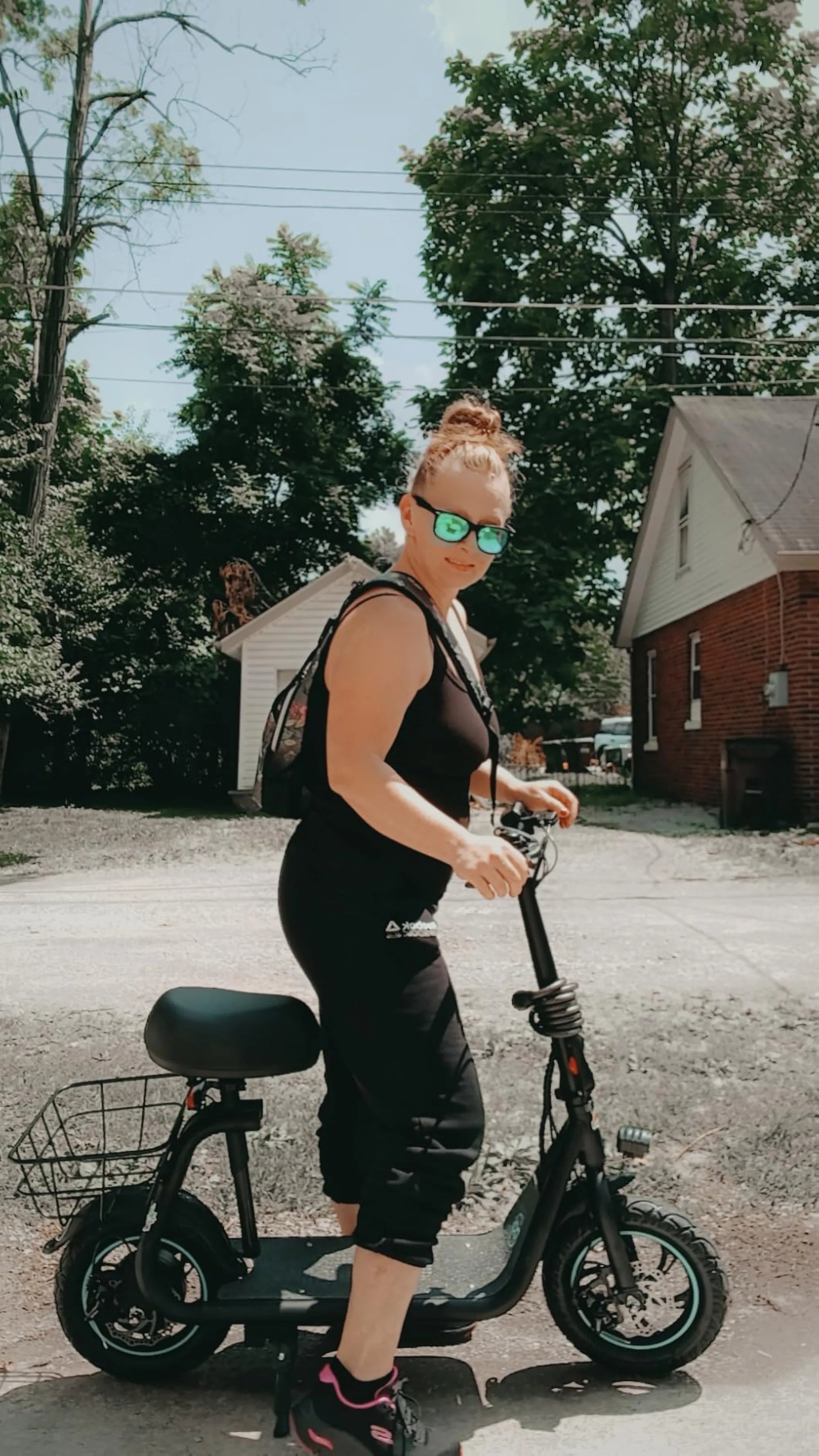
Considering a 124cc dirt bike means you're ready for serious off-road performance. This guide cuts through the noise to deliver the facts on engine specs, riding dynamics, and ownership realities. You'll get a clear comparison between traditional gas-powered 124cc bikes and their modern electric counterparts, helping you make an informed decision based on power, practicality, and long-term value. We'll define the category, break down key features, and explore why a high-torque electric bike might be the smarter evolution of the dirt bike experience for today's rider.
What is a 124cc Dirt Bike? A Comprehensive Category Breakdown
A 124cc dirt bike occupies a crucial niche in the off-road motorcycle world. The "124cc" refers to the engine's displacement—the total volume of air and fuel mixture the engine can draw in during one cycle, measured in cubic centimeters. This specific size positions it as a true mid-range machine, offering a substantial step up from entry-level pit bikes and mini bikes, which typically range from 50cc to 110cc.
This category is engineered for riders who have outgrown the limitations of smaller engines but may not be ready for the intimidating power and weight of full-size adult motocross bikes, which often start at 250cc. The 124cc engine provides a significant boost in horsepower and torque over a 110cc model, translating to better hill-climbing ability, higher top speeds, and more responsive acceleration. It's the engine size that marks the transition from a beginner's play bike to a legitimate performance vehicle capable of handling technical trails and motocross track sections.
These bikes often feature larger frames and suspension components than their 110cc predecessors, offering improved stability and control for taller or more experienced riders. The 124cc dirt bike is not a toy; it's a purpose-built machine for developing serious riding skills. It demands respect and proper safety gear, as its power output is sufficient to get a rider into trouble if handled recklessly, yet it remains more forgiving and manageable than a professional-grade 250cc machine.
Understanding this positioning is key. For a teenager who has mastered a 110cc bike, a 124cc model represents a logical and exciting next step. For a smaller adult or lightweight rider seeking the full dirt bike experience without the heft of a 450cc beast, the 124cc category is frequently the perfect fit. It delivers about 80% of the thrill of a larger bike with about 50% less intimidation, making it one of the most versatile and popular segments for recreational and sport riding.
Key Features & Performance: What to Expect from a 124cc Engine
The performance profile of a 124cc engine is defined by its balance of power and controllability. Most air-cooled, four-stroke 124cc engines produce between 8 and 12 horsepower, with torque figures typically ranging from 7 to 9 lb-ft. This power is delivered through a manual clutch and a 4 or 5-speed transmission, giving the rider full control over gear selection for different terrain. The power band is generally broad and user-friendly, with strong low-end and mid-range torque that makes technical trail riding less demanding.
In practical terms, this translates to a top speed of approximately 50 to 60 miles per hour under ideal conditions, depending on gearing, rider weight, and tuning. More importantly, the acceleration from 0 to 40 mph is brisk, providing the exhilarating "hit" that riders seek. The engine has enough grunt to loft the front wheel over obstacles, climb steep hills without constant downshifting, and power out of corners on a track. This makes the 124cc dirt bike exceptionally capable for single-track trails, open fire roads, and even amateur motocross practice.
The chassis and suspension are designed to match this power level. You can expect larger diameter inverted forks (often around 32mm) and a rear monoshock with adjustable preload, offering 6 to 8 inches of travel. This setup can handle moderate jumps, whoops, and rocky terrain competently. Braking is usually handled by a hydraulic disc brake in the front and a disc or drum brake in the rear, providing adequate stopping power for the bike's performance envelope. Wheel sizes are typically 19 inches front and 16 inches rear, a hybrid size that blends the agility of a mini bike with the stability of a full-size machine.
Owners of 124cc dirt bikes report that the riding experience is engaging and confidence-building. The bike is powerful enough to be exciting but not so powerful that it constantly feels on the edge of control. This allows riders to focus on developing proper technique—body positioning, clutch modulation, braking—without being overwhelmed. For many, the 124cc engine represents the sweet spot where fun, performance, and manageability intersect, making it a long-term keeper even for riders who could theoretically handle more displacement.
The Gyroor Electric Advantage: Why an E-Bike Might Be Your Next "Dirt Bike"
The landscape of off-road riding is undergoing a quiet revolution, driven by electric propulsion. For riders considering a 124cc gas-powered dirt bike, a high-performance electric off-road bike presents a compelling, modern alternative. Brands like Gyroor, a leader in personal electric mobility trusted by over 100,000 riders, are at the forefront of this shift. The core appeal lies in redefining the ownership experience: instant, silent torque replaces engine noise and vibration, while simplified mechanics eliminate entire categories of routine maintenance.
Electric off-road bikes, particularly those with mid-drive motors and robust battery systems, deliver power in a fundamentally different way. Instead of waiting for an engine to spool up to its power band, an electric motor delivers 100% of its torque from 0 RPM. This translates to explosive acceleration out of corners and instant tractable power for climbing technical, rocky inclines where precise throttle control is critical. The lack of a clutch and gearbox can also simplify the learning curve for new riders, allowing them to concentrate solely on balance and line choice.
Beyond performance, the practical benefits are significant. Imagine ending a ride without the smell of gasoline, without needing to change oil or clean an air filter, and without worrying about disturbing neighbors or violating noise ordinances on local trails. Electric bikes like those from Gyroor open up riding areas that are often closed to loud combustion engines. Their IPX5 water-resistant design means riding through puddles, mud, and light rain is not a concern, and cleaning the bike is as simple as rinsing it down—a stark contrast to the careful avoidance of water around a gas engine's intake and electronics.
This represents a paradigm shift. The question is no longer just "How much power?" but "What kind of experience do I want?" For the rider who values immediate responsiveness, low upkeep, and the ability to ride more places more peacefully, the electric path is no longer a compromise. It's an upgrade. With Gyroor's commitment to quality—evidenced by their use of UL-certified battery packs tested for 500+ cycles and backed by a reliable 1-year warranty—the electric off-road bike has matured into a trustworthy and thrilling counterpart to the traditional 124cc dirt bike.
Comparing Power: 124cc Gas vs. Gyroor Electric Motors
A direct comparison of power units—cubic centimeters versus watts—requires translating performance into real-world riding metrics. A typical 124cc four-stroke engine produces its 8-12 horsepower at high RPM, with peak torque arriving in the mid-range. A high-performance electric bike, such as a Gyroor model equipped with a 1000W to 1500W mid-drive motor, delivers its power continuously and instantly. In terms of acceleration and hill-climbing torque, a robust 1500W electric system can feel remarkably similar to, or even stronger than, a 124cc gas engine in low-to-mid-speed scenarios.
The following table provides a data-driven comparison of key performance and ownership factors:
| Feature | 124cc Gas Dirt Bike | High-Power Electric Off-Road Bike (e.g., Gyroor) |
|---|---|---|
| Peak Power | 8-12 HP (at high RPM) | ~2.0-2.5 HP (1500W continuous), with instant peak torque |
| Key Strength | High top-speed potential, traditional feel | Instant torque from 0 RPM, superior low-speed control |
| Hill Climbing | Good; requires proper gearing & clutch work | Excellent; direct drive with maximum torque immediately available |
| "Refueling" Time | 2-5 minutes (gas station) | 4-6 hours (standard outlet); swappable battery option |
| Routine Maintenance | Oil changes, air filter, spark plugs, valve adjustments | Brake checks, tire pressure, battery care |
| Noise Output | Loud (80-95 dB) | Near-silent (motor whir & tire noise only) |
| Operating Cost per Hour | $3-$8 (gasoline & oil) | $0.10-$0.30 (electricity) |
This comparison reveals a trade-off. The gas bike excels in extended, high-speed runs and offers the visceral experience of a manual transmission. The electric bike dominates in tractable low-end power, operational cost, and accessibility. For many recreational trail and backyard riders, the electric bike's performance profile—where acceleration and hill-climbing are most critical—is not just adequate but superior. The silence is not a lack of character but a new kind of freedom, allowing you to hear the terrain and your own thoughts as you ride.
Practicality & Ownership: Maintenance, Noise, and Where You Can Ride
The day-to-day reality of owning a 124cc gas dirt bike involves a commitment to mechanical upkeep. A four-stroke engine requires regular oil changes (after every 10-15 hours of riding), frequent air filter cleaning or oiling, periodic spark plug replacement, and valve clearance checks. For a two-stroke variant (less common in 124cc), you must mix oil with gasoline and deal with more exhaust smoke. This maintenance is non-negotiable for reliability and performance. In contrast, owning a Gyroor electric off-road bike simplifies this drastically. The primary maintenance items are checking tire pressure, ensuring brake pads have material, and keeping the battery charged within its ideal parameters.
Noise is perhaps the most significant practical differentiator. A 124cc dirt bike with an aftermarket exhaust can easily exceed 95 decibels, a sound level that carries for miles and is prohibited on many public and even private lands. This severely limits where you can ride without complaints. Electric bikes operate at near-whisper levels. This stealth factor is a game-changer, granting access to a wider network of trails, forest service roads, and even large private properties where noise would be an issue. It fosters better community relations and expands your potential riding map exponentially.
"Refueling" logistics also differ. A gas bike offers quick fill-ups if you have access to fuel, but you must transport and store gasoline safely. An electric bike "refuels" anywhere there's a standard electrical outlet. While a full charge takes hours, the ability to charge overnight in a garage or shed is incredibly convenient for most users. For longer adventures, Gyroor's use of standardized, UL-certified lithium-ion battery packs means you can invest in a spare battery, effectively giving you instant "refueling" by swapping packs, much like changing a power tool battery.
Finally, consider long-term durability and cost. A gas engine is a complex assembly of moving parts subject to wear; top-end rebuilds are a foreseeable expense. An electric drivetrain has far fewer moving parts—primarily just the motor and a single-speed reduction gear. The main consumable is the battery, and with Gyroor's high-quality cells rated for 500+ charge cycles, it represents years of reliable service. When you factor in the near-zero cost of "fuel," the total cost of ownership for an electric bike can be substantially lower over a 3-5 year period, despite a potentially higher initial purchase price.
Critical Considerations Before You Buy: Gas or Electric?
Your decision between a 124cc gas dirt bike and a high-performance electric alternative hinges on several personal and practical factors. First, honestly assess your primary use case. If your dream is to ride on dedicated motocross tracks for extended practice sessions, the high-RPM power and quick refueling of a gas bike may be essential. If your focus is on trail riding, exploring, backyard tracks, or casual fun, an electric bike's torque and silence become major assets.
Second, evaluate your riding environment and local regulations. Do you have easy access to open, noise-permissive areas? Or do you live near trail systems with strict sound limits? Many public land agencies are creating specific allowances for silent electric vehicles where gas bikes are banned. Your proximity to legal riding zones may make the decision for you. Also, consider storage: electric bikes don't emit fumes, making them safer and more pleasant to store in an attached garage or shed.
Third, reflect on your mechanical aptitude and willingness to perform maintenance. Are you excited by the prospect of tuning a carburetor and learning engine mechanics? Or do you prefer a vehicle that is essentially "ride and forget" beyond basic checks? The gas bike offers a hands-on hobbyist experience; the electric bike offers a turnkey appliance-like reliability. Your budget should also be viewed holistically: include not just the purchase price, but projected costs for fuel, oil, maintenance parts, and potential repairs for a gas bike versus just electricity for an electric bike.
Finally, think about the rider's profile. For a younger rider developing skills, the simplicity of an electric bike's single-speed, clutchless operation can help them master balance and control without the complexity of gear shifting. For an experienced rider, the instant torque offers a new and challenging way to tackle terrain. Test riding both types, if possible, is invaluable. The visceral scream of a gas engine is thrilling to some, while the silent, jet-like surge of electric power is the future to others. There is no universally correct answer, only the best answer for your specific situation, goals, and values.
Safety & Gear: Non-Negotiables for Mid-Size Bike Riding
Whether you choose a 124cc gas bike or a powerful electric model, the kinetic energy involved demands serious protective gear. The increased speed and capability of a mid-size bike mean that falls, if they occur, happen with greater force. Investing in proper safety equipment is not an option; it is the most critical part of your purchase. A DOT or Snell-certified full-face helmet is the absolute minimum. It protects not just from impacts but from roost, branches, and debris. Pair this with motocross-specific goggles that offer anti-fog and tear-off capabilities to maintain clear vision.
Your body needs comprehensive protection. A dedicated off-road riding jacket with built-in shoulder, elbow, and back protectors, or a separate chest protector, is essential for absorbing impacts with the ground or handlebars. Don't overlook your extremities: off-road riding gloves improve grip and protect your hands, while motocross boots are arguably as important as the helmet. These rigid boots are designed to prevent ankle twists, crush injuries, and impact damage that ordinary work boots cannot withstand. Knee and shin guards are also highly recommended to protect these vulnerable joints.
The nature of the bike influences specific safety considerations. For gas bikes, be aware of hot surfaces like the exhaust pipe and engine after riding. For electric bikes, respect the high-voltage battery system; never attempt to modify or puncture the battery pack, and only use the manufacturer-provided charger. For both, a pre-ride inspection is mandatory. Check tire pressure and for damage, test brake function, ensure all bolts are tight, and verify that throttle and control systems return smoothly to their resting positions. On an electric bike, confirm the battery is securely locked in place and the charge level is sufficient for your planned ride.
Developing safe riding habits is the final layer of protection. Always ride within your skill level, especially when learning the power characteristics of a new bike. Be hyper-aware of your surroundings, including other riders, obstacles, and changing terrain. Never ride alone on remote trails, and always inform someone of your planned route and return time. For electric bikes, the silence can be a double-edged sword; it's easier for you to hear others, but they cannot hear you. Use extra caution when approaching hikers, horses, or blind corners. Safety is the discipline that allows the sport to remain fun and sustainable for a lifetime.
Top Use Cases: Who is a 124cc-Sized Bike Perfect For?
The 124cc power class, in both gas and electric forms, serves a distinct and varied group of riders. The most common profile is the advancing teenager. A rider who has proficiently handled a 70cc or 110cc bike for a few seasons will find the 124cc a perfect graduation gift. It provides a noticeable jump in performance that matches their growing strength and skills without overwhelming them. It's a bike they can grow with for several years, mastering more advanced techniques like clutch modulation for jumps and cornering.
Lightweight adults, particularly those between 120 and 170 pounds, are another ideal demographic. A full-size 250cc bike can feel tall, heavy, and intimidating for a smaller-framed individual. A 124cc-sized bike, often with a slightly lower seat height and lighter overall weight, offers the authentic dirt bike experience—standing on the pegs, attacking trails, catching air—in a more confidence-inspiring package. The power-to-weight ratio is excellent, making these bikes feel lively and fun without being exhausting to manage on technical terrain.
Trail enthusiasts and recreational riders who prioritize technical skill over top-speed blasts also benefit greatly. The tractable power of a 124cc gas engine or the instant torque of an equivalent electric motor is ideal for picking through rocks, roots, and steep, slippery climbs where control is paramount. These riders often cover less distance but demand more from their bike in terms of low-end grunt and maneuverability, which this category delivers in spades. The electric variant, with its silent operation, is especially perfect for this group, as it allows deeper immersion in nature.
Finally, this category is excellent for parents and property owners. A 124cc-sized electric bike, like those from Gyroor, is an outstanding choice for creating a backyard track or exploring large parcels of land. The lack of noise keeps peace with neighbors and family, and the absence of fumes means you can start and stop riding frequently without issue. It's a low-friction way to enjoy the hobby, encouraging spontaneous rides and skill practice. Whether for a skilled younger rider, a size-appropriate adult, a technical trail master, or a property-based recreationalist, the 124cc performance envelope hits a remarkably versatile sweet spot.
FAQ: Your Questions About 124cc and Electric Off-Road Bikes Answered
Q: Is a 124cc dirt bike good for a complete beginner?
A: It can be manageable for a taller, athletic, and coordinated beginner, but it is generally not recommended as a first bike. The power is sufficient to cause a loss of control if the rider panics or makes a significant throttle error. For most new riders, starting on a 50cc-110cc bike or a lower-power electric model is safer and allows fundamentals to be mastered before stepping up to the more responsive 124cc class.
Q: How does the real-world cost of charging a Gyroor e-bike compare to buying gas?
A: The difference is substantial. A full charge for a high-capacity off-road e-bike battery consumes roughly 1 to 1.5 kilowatt-hours of electricity. At the average U.S. residential rate, this costs between $0.12 and $0.25. To get a similar duration of aggressive riding on a 124cc gas bike, you would likely consume a gallon or more of premium fuel, costing $5 to $10. Over a season of riding, the fuel savings with electric power can amount to hundreds of dollars.
Q: Can electric off-road bikes like Gyroor's handle mud and deep water crossings?
A: Yes, when properly designed. A key specification to look for is the Ingress Protection (IP) rating. Gyroor designs its off-road capable models with an IPX5 water-resistant rating. This means the electrical components are protected against low-pressure water jets from any direction, making them highly resistant to rain, mud splashes, and even brief, shallow water crossings. It is always best to avoid submerging the bike, but this rating offers far greater peace of mind and durability in wet conditions than a typical gas bike, whose air intake and electronics are vulnerable to water ingestion.
Q: What about range anxiety and "refueling" time on an electric bike?
A: This is a key planning difference. A gas bike has a short refueling stop but a limited range per tank (often 50-80 miles). A Gyroor electric off-road bike has a set range per charge, typically 25-40 miles under aggressive off-road use, which is ample for most single-session rides. "Refueling" means plugging into a standard outlet for 4-6 hours. The strategic advantage comes with spare batteries. Because Gyroor uses UL-certified, swappable lithium-ion battery packs, you can carry a charged spare to instantly double your range, effectively solving the "refueling" delay for long days.
Q: Are electric off-road bikes truly low maintenance?
A: Compared to gas bikes, yes, dramatically so. There is no engine oil, oil filter, air filter, spark plug, fuel filter, or carburetor to service. There are no valves to adjust and no clutch plates to wear out. Maintenance is reduced to checking mechanical parts: brake pad wear, tire condition and pressure, chain lubrication and tension (on chain-drive models), and ensuring all bolts are tight. The primary electrical component, the battery, requires only basic care: avoiding complete discharge for long periods, storing in a cool, dry place, and using the official charger.
Choosing Your Path to Off-Road Adventure
The 124cc dirt bike represents a pinnacle of accessible performance in the combustion world, a trusted stepping stone for generations of riders. Its blend of power, size, and agility continues to make it a relevant and excellent choice for those committed to the traditional dirt bike ritual—the sound, the smell, the mechanical tinkering. It demands a specific environment and a willingness to engage in regular maintenance.
However, the rise of high-performance electric off-road bikes has created a legitimate fork in the trail. For a growing number of riders, the electric alternative isn't a lesser option; it's a redefinition of the ideal. The instant, silent torque, the dramatic reduction in maintenance, the freedom to ride in more locations, and the lower long-term operating cost present a compelling modern package. When that package comes from an established brand like Gyroor—with its focus on safety (UL-certified batteries), durability (IPX5 water-resistance), and customer support (1-year warranty)—it transforms from a novelty into a serious primary ride.
Your choice ultimately depends on what you value most in the riding experience. If the sensory thrill of a high-RPM engine and the culture of motocross are paramount, the 124cc gas bike awaits. If you prioritize tractable power, practicality, stealth, and a simpler, more sustainable ownership model, then the future is electric. Both paths lead to adventure, skill development, and immense fun. For those ready to embrace a quieter, cleaner, and equally thrilling form of off-road exploration, the journey begins with a brand built for the modern rider.
Explore the future of off-road riding. Browse the full collection of high-performance electric bikes, e-scooters, and more, engineered for reliability and thrill at gyroorboard.com.
Electric Tricycle with Rear Seat: Your Ultimate Guide to Stable, Shared E-Mobility
Golden Scooter Charger: The Ultimate Guide to Safe, Fast Charging