



How fast does a 125cc bike go? The answer is more complex than a single number. While manufacturer specs might claim 70 or 80 mph, real-world speed is dictated by physics, tuning, and rider conditions. This guide cuts through the hype with hard data, explaining the key factors that determine 125cc bike speed, comparing different categories, and providing actionable advice for safe, legal performance.
Understanding 125cc Bike Performance
A 125cc engine refers to the total volume of its cylinders, a measurement directly tied to its potential power output. In many global markets, this displacement is the gateway to motorcycling, often tied to learner or A1 license regulations that limit power to 11kW (15hp). This creates a diverse class of machines, from sporty motorcycles to practical scooters, all competing within the same legal power envelope.
The quest for 125cc bike speed is a battle against limitations. Engineers balance weight, gearing, and aerodynamics to extract maximum performance from a small engine. For riders, understanding these limits is crucial for setting realistic expectations, whether for commuting, training, or recreational riding. The top speed is less about raw power and more about efficient power delivery.
It's vital to differentiate between indicated speed and true speed. Most motorcycle speedometers are intentionally optimistic, sometimes reading 5-10% higher than actual road speed. This means a bike showing 75 mph might only be traveling 68-70 mph. GPS measurements provide the most accurate assessment of true 125cc bike speed.
The Factors That Determine 125cc Speed
Top speed is not a factory preset but the result of multiple interacting variables. A bike's maximum velocity is reached when the engine's power output exactly matches the total resistance forces working against it. These forces include aerodynamic drag, rolling resistance, and drivetrain friction.
Even minor changes in these variables can significantly alter the result. Two identical 125cc models can show different top speeds based on how they are set up and ridden. This section breaks down the core contributors to performance.
Engine Type and Tuning: 2-Stroke vs. 4-Stroke
The fundamental engine architecture is the primary dictator of character and capability. Modern 125cc road bikes are overwhelmingly 4-stroke due to stricter emissions and noise regulations globally. These engines are known for reliability, good low-end torque, and fuel efficiency, but they typically have a lower power-to-weight ratio than their 2-stroke counterparts.
Historically, 2-stroke 125cc engines were renowned for their thrilling performance. They produce power twice as often per crankshaft revolution, leading to higher peak power outputs and exhilarating acceleration. A sport-oriented 2-stroke 125cc bike speed could often surpass that of a similarly sized 4-stroke by a significant margin, but at the cost of fuel economy, emissions, and engine longevity.
Today, finding a new 2-stroke street-legal 125cc is rare. The tuning focus for modern 4-strokes involves optimizing valve timing, compression ratios, and fuel injection mapping to extract every last bit of power within legal limits. This makes maintenance and state of tune critical for achieving advertised performance.
Aerodynamics and Rider Profile
At speeds above 30 mph, aerodynamic drag becomes the dominant force resisting acceleration. For a 125cc bike with limited power, drag is the ultimate limiter of top speed. A fully faired sport bike, like a Honda CBR125R, is designed to slice through the air with minimal resistance, allowing its limited horsepower to propel it to a higher terminal velocity.
In contrast, a naked standard bike or scooter presents a much larger frontal area. The rider's body becomes a major source of drag. A rider sitting upright on a commuter scooter creates a veritable wall for the wind to push against. Adopting a tucked posture, even on a naked bike, can add several miles per hour to the maximum 125cc bike speed by reducing the drag coefficient.
Wind conditions play a huge role. A strong headwind can drastically reduce top speed, while a tailwind can provide a noticeable boost. This variability is why published top speeds are usually recorded under ideal, still conditions.
Weight: Bike and Payload
The power-to-weight ratio is a fundamental performance metric. A 125cc engine producing 15 horsepower has to move the motorcycle's weight plus the rider's weight and any cargo. Lighter is always faster. A bike weighing 300 lbs (136 kg) with a 150 lb (68 kg) rider has a significant advantage over the same bike with a 200 lb (91 kg) rider.
Manufacturers strive to use lightweight materials like aluminum for frames and subframes to keep dry weight down. As a rider, minimizing payload—using a lightweight helmet, not carrying unnecessary items—can have a marginal but real effect. This principle is why 125cc sport bikes often have top-of-the-line weight-saving components; every pound saved translates directly to better acceleration and a higher potential top speed.
Gearing and Transmission
Gearing acts as a multiplier between engine speed and wheel speed. Factory gearing is a compromise between brisk acceleration (short gearing) and relaxed high-speed cruising (tall gearing). For a 125cc machine, manufacturers often bias the gearing toward acceleration to make city riding more responsive.
Changing the final drive sprockets is a common modification. A larger rear sprocket or smaller front sprocket shortens the gearing, improving acceleration but lowering top speed, as the engine reaches its rev limit in a higher gear sooner. Conversely, a smaller rear or larger front sprocket lengthens the gearing, potentially increasing top speed if the engine has enough power to pull the taller gear to its redline. This is a precise tuning art for maximizing 125cc bike speed.
Real-World Speed Data: Sport Bikes vs. Scooters vs. Standards
Category and design intent lead to substantial variations in real-world performance. The following table summarizes typical, verified top speeds for common 125cc categories under optimal conditions with an average-sized rider.
| Bike Category | Example Model | Typical True Top Speed | Key Characteristics Affecting Speed |
|---|---|---|---|
| Sport Motorcycle | Honda CBR125R, Yamaha YZF-R125 | 70-80 mph (113-129 km/h) | Full fairings for aerodynamics, tuned high-revving engines, close-ratio gearboxes. |
| Naked/Standard Motorcycle | Yamaha MT-125, KTM 125 Duke | 65-75 mph (105-121 km/h) | Upright ergonomics increase drag, but performance-focused engines. |
| Commuter Scooter | Honda PCX125, Yamaha NMAX 125 | 60-70 mph (97-113 km/h) | CVT transmission, practical design, focus on low-end torque for city riding. |
| Retro/Classic Style | Royal Enfield Hunter 125 | 55-65 mph (89-105 km/h) | Heavier steel frames, relaxed tuning, emphasis on style over outright speed. |
Sport-Style Motorcycles (e.g., Honda CBR125R)
These are the speed kings of the 125cc world. Designed with lessons from their larger supersport siblings, they feature full fairings that manage airflow over both the bike and the rider in a tuck. Their engines are tuned to produce peak power high in the RPM range, requiring the rider to keep the engine 'on the cam' for maximum performance.
In controlled tests, models like the YZF-R125 have recorded true GPS speeds of 80+ mph. This performance comes at a cost: the riding position is committed for sport riding, and the high-strung engine character can feel busy during relaxed cruising. For riders seeking the highest possible 125cc bike speed in a legal package, this category is the clear winner.
Commuter Scooters (e.g., Honda PCX125)
Scooters prioritize practicality, storage, and ease of use. Their continuously variable transmission (CVT) offers seamless acceleration but is less efficient at transmitting power at high speeds compared to a manual gearbox. Engine tuning focuses on low-end and mid-range torque for swift urban getaways rather than peak horsepower.
The step-through design and leg-forward riding posture create significant aerodynamic drag. Despite this, modern 125cc maxi-scooters are remarkably capable, with top speeds sufficient for sustained 60-65 mph travel. Their 125cc bike speed is perfectly matched to their role as efficient, comfortable urban and suburban runabouts.
Naked/Standard Bikes (e.g., Yamaha MT-125)
Naked bikes strike a compelling balance. They often share the same potent engines as their faired sport bike siblings but eschew the full bodywork for a more upright, versatile riding position. This exposes the rider to more wind blast, which becomes the primary limiter as speeds increase.
A rider can mitigate this by tucking in behind the minimal wind screen, often allowing these bikes to nearly match the top speed of their faired counterparts. The MT-125 and KTM 125 Duke are famous for their lively performance, making them favorites for riders who want engaging performance without a sport bike's extreme posture.
Legal and Practical Considerations for Speed
Performance doesn't exist in a vacuum. Legal frameworks and practical safety concerns create the real-world environment where 125cc bikes operate.
Licensing and Learner Regulations
In the UK, Europe, and many other countries, the 125cc class is defined by the A1 license category. The law restricts these bikes to a maximum power output of 11kW (14.6 bhp) and a power-to-weight ratio not exceeding 0.1 kW/kg. This regulation is the absolute ceiling for performance; no street-legal 125cc bike can exceed it.
These rules ensure that 125cc motorcycles and scooters remain accessible and manageable for new riders. The limited power inherently caps top speed, making high-speed stability less of a critical design challenge than on larger machines. When discussing 125cc bike speed, this legal power cap is the foundational constraint.
Safety at Higher Speeds
Pushing a lightweight 125cc bike to its maximum speed requires awareness of its limitations. At 70+ mph, wind gusts from passing trucks can be unsettling. The short wheelbase and light weight that make these bikes so agile in the city can translate to less stability on a fast, open highway.
Braking performance is paramount. Single disc brakes, common on many 125s, require firm, progressive application. Tire quality and condition are critical; budget tires may not provide the necessary grip and feedback at the bike's performance limits. Responsible riding means understanding that the 125cc bike speed limit is often defined by safety, not just engine capability.
The Role of Speed in Commuting and Urban Riding
For the primary use case of most 125cc bikes, outright top speed is largely irrelevant. Urban and suburban commuting happens at speeds between 0-50 mph. In this environment, acceleration from traffic lights, maneuverability through congestion, and fuel efficiency are far more valuable metrics.
A scooter or motorcycle with strong low-end torque will feel quicker and more useful in daily riding than one tuned for a high top speed it rarely reaches. This is why focusing solely on maximum 125cc bike speed misses the point for many riders. The fun and utility come from the accessible, usable performance where these machines excel.
Maximizing Your 125cc Bike's Performance (Safely and Legally)
You can ensure your bike is delivering its intended performance without illegal modifications. Consistent maintenance and smart choices have a profound impact.
Essential Maintenance for Peak Performance
A poorly maintained bike is a slow bike. Follow this checklist to keep your 125cc running at its best. First, maintain correct tire pressure. Under-inflated tires increase rolling resistance, sapping power and top speed. Second, keep the chain clean, lubricated, and correctly tensioned. A tight or dirty chain wastes horsepower.
Third, replace the air filter as scheduled. A clogged filter starves the engine of air, richening the fuel mixture and reducing power. Fourth, use high-quality engine oil and change it regularly. Fresh oil reduces internal friction. Finally, ensure valve clearances are in spec. Tight valves can prevent the engine from breathing properly at high RPM, directly limiting 125cc bike speed.
Legal Modifications: What Actually Helps?
Focus on modifications that improve efficiency rather than illegally increasing power. The single best upgrade is a set of high-quality tires. They provide better grip for acceleration and braking, and often have lower rolling resistance. Next, ensure your gearing is optimal for your riding. If you never use top speed, consider a slightly shorter final drive for more responsive acceleration.
Reduce weight where possible. Remove unnecessary accessories or luggage racks if you don't use them. For scooters, ensuring the CVT drive belt and rollers are in good condition is crucial for maintaining optimal acceleration. These changes help your bike achieve its maximum potential 125cc bike speed more easily and consistently.
The Importance of Riding Technique
The rider is part of the machine's system. Smooth, decisive inputs are key. Practice clean, quick gear shifts to keep the engine in its power band. Learn to read the road and anticipate hills or headwinds, building speed before you hit them.
For achieving a true top speed, technique is everything. Find a long, safe, legal, and flat stretch of road. Adopt a full tuck: chest on the tank, elbows in, head down behind the screen. Roll on the throttle smoothly to avoid upsetting the chassis. This minimizes your frontal area and can reveal an extra 3-5 mph you didn't know your bike had.
125cc Speed in the Context of Electric Mobility
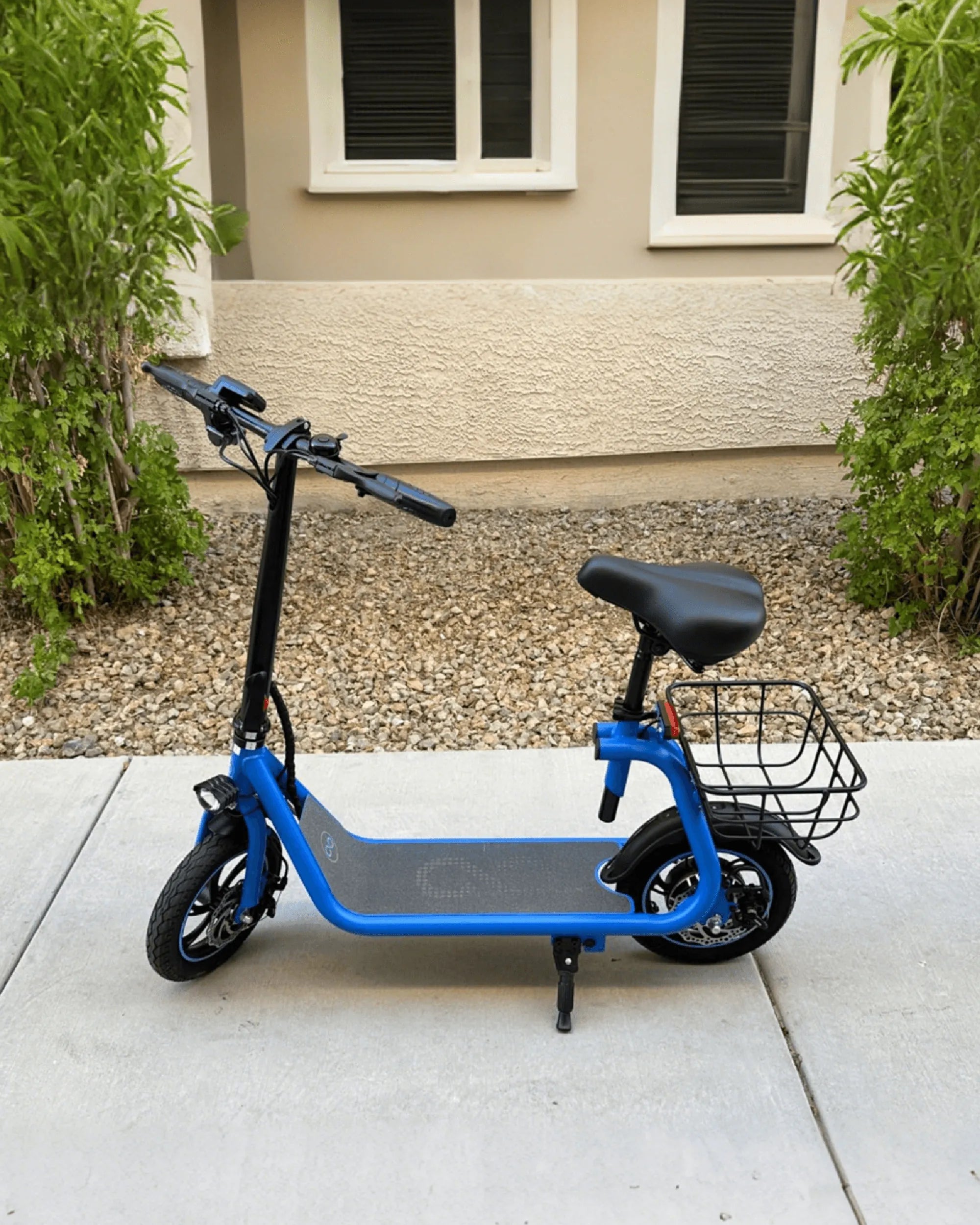
The performance conversation is evolving with the rise of electric two-wheelers. Brands like Gyroor are redefining urban mobility with electric scooters and e-bikes that compete directly with 125cc vehicles in their core use case. While peak power differs, the experience of instant torque and smooth acceleration offers a compelling alternative.
An electric scooter's performance is measured differently. Instead of top speed, the focus is on acceleration from 0-30 mph, hill-climbing ability, and real-world range. For city commuting, the instant response of a Gyroor electric scooter can make it feel quicker than a 125cc scooter in traffic, despite a lower maximum speed. This highlights that 125cc bike speed is just one dimension of performance.
Gyroor's lineup, trusted by over 100,000 riders, emphasizes safety and reliability alongside performance. Features like UL-certified battery packs, IPX5 water-resistant designs, and robust warranties ensure peace of mind. For riders whose needs are centered in urban zones, an electric option provides a quiet, efficient, and low-maintenance path to mobility, challenging the traditional supremacy of the 125cc combustion engine for daily commuting.
Conclusion: Speed is Just One Part of the 125cc Equation
The true 125cc bike speed is a spectrum, influenced by a web of factors from engine strokes to rider posture. While sport bikes may touch 80 mph, the real value of this category lies in its accessibility, efficiency, and the sheer fun of riding a lightweight, agile machine. For most, the ability to navigate city streets with ease, achieve outstanding fuel economy, and fulfill licensing requirements far outweighs the need for a high top speed.
Ride within your bike's and your own limits, prioritize maintenance, and choose a machine that fits your lifestyle—whether that's a high-revving sport bike, a practical scooter, or even a modern electric alternative. The joy of riding isn't found only on the speedometer's highest number, but in the freedom and connection these machines provide.
Explore a different kind of efficient performance. Browse the full Gyroor collection of electric scooters and e-bikes at gyroorboard.com to discover a quiet, clean, and thrilling way to ride.
FAQ: Common Questions About 125cc Bike Speed
Can a 125cc bike go on the highway?
It depends on the specific bike and local highway speed limits. A capable 125cc sport bike can reach 70-75 mph, which may be the minimum speed on some highways. However, it will often be at or near full throttle, leaving little power in reserve for safe overtaking or battling strong headwinds. While possible for short stretches, prolonged highway travel is not recommended due to rider fatigue, stability in crosswinds, and engine strain.
Is a 2-stroke 125cc faster than a 4-stroke?
Generally, yes. A 2-stroke engine produces a power stroke every revolution, compared to every other revolution for a 4-stroke. This typically results in a higher power-to-weight ratio and more aggressive acceleration, leading to a higher potential top speed in comparable models. However, modern 4-stroke technology has narrowed the gap, and 2-strokes are now rare for road use due to emissions regulations.
How can I accurately check my bike's top speed?
Do not rely on the stock speedometer. For an accurate measurement, use a dedicated GPS speedometer or a reputable smartphone GPS app. This must be done on a long, flat, straight, dry, and safe road with no traffic, ideally in a controlled environment like a closed track. Always prioritize safety and legality; public roads are not suitable for maximum speed runs.
Does a full exhaust system increase 125cc top speed?
A full aftermarket exhaust system alone will provide minimal gains, often just 1-3 mph. To unlock meaningful performance increases, it must be part of a comprehensive tune that includes adjusting the air intake and fuel mapping (via an ECU flash or piggyback module). Be aware that such modifications may make your bike non-compliant with legal power or noise limits and could void your warranty.
Why does my 125cc scooter feel slower than a 125cc motorcycle?
This is due to several factors. Scooters use a CVT transmission, which is less efficient at high speeds than a manual gearbox. Their design creates more aerodynamic drag, and their engine tuning prioritizes low-end torque for city riding over peak horsepower. The riding position also exposes the rider to more wind resistance. These design choices make scooters brilliant for urban use but limit their ultimate 125cc bike speed compared to a geared motorcycle.
What is the fastest 125cc bike ever made?
Historically, purpose-built 2-stroke sport bikes like the Aprilia RS125 (especially the pre-2011 models with the full-power Rotax engine) are often cited as the fastest. In modern times, the 4-stroke Yamaha YZF-R125 and KTM RC 125, with their high-revving, liquid-cooled engines and full fairings, are among the fastest street-legal production 125cc motorcycles available, with true top speeds in the 80+ mph range.
Big and Tall Scooter: The Ultimate Guide for Heavier & Taller Riders
Can You Bring a Scooter on an Airplane? The Ultimate Travel Guide