


Introduction to 125cc Dirt Bike Performance
The 125cc dirt bike stands as the quintessential entry point into serious off-road riding and a beloved platform for seasoned riders seeking lightweight agility. Its maximum speed is more than just a number on a spec sheet; it's a critical metric that influences purchasing decisions, riding style, and competitive edge. Understanding the 125cc dirt bike max speed requires peeling back layers of engineering and real-world variables.
This article delivers a comprehensive, data-driven analysis of what determines top speed, realistic performance figures across different models, and the crucial balance between velocity and control. You'll learn not just how fast a 125cc dirt bike can go, but why it achieves those speeds and how to interpret that data for your riding needs. We move beyond manufacturer claims to ground our discussion in measurable physics and rider-reported experiences.
Understanding the Factors That Determine Top Speed
The advertised 125cc dirt bike max speed is a theoretical peak under ideal conditions. In reality, top speed is a product of several interacting variables, with engine displacement being just the starting point. The power output must overcome forces like aerodynamic drag, rolling resistance, and mechanical friction.
A bike's power-to-weight ratio is paramount. A lighter bike with the same horsepower will achieve a higher top speed. Furthermore, the engine's powerband—where it makes its peak horsepower—must align with the gearing. A bike geared for lightning-fast acceleration might hit its rev limiter in top gear well before reaching its aerodynamic limit.
Engine Type and Tuning (2-Stroke vs. 4-Stroke)
The engine architecture fundamentally shapes performance. A modern 125cc 4-stroke engine, like those in Honda CRF125Fs or Kawasaki KLX140Rs, typically produces a broad, manageable powerband with strong low-end torque. Their peak horsepower is often lower but more accessible, leading to a 125cc dirt bike max speed that is consistent and easier to achieve.
In contrast, a 125cc 2-stroke motocross bike, such as a KTM 125 SX or Yamaha YZ125, is a high-strung performance machine. It generates significantly more peak horsepower per cubic centimeter but within a narrow, high-RPM "powerband." This allows a well-tuned 2-stroke to achieve a higher potential top speed, but only if the rider can keep it in the optimal RPM range.
Gearing and Transmission Setup
Gearing is the primary tool for tuning a bike's speed characteristics. The final drive ratio, determined by the front (countershaft) and rear sprocket sizes, acts as a multiplier. A larger rear sprocket (more teeth) or a smaller front sprocket (fewer teeth) shortens the gearing, improving acceleration at the expense of top speed.
Conversely, gearing a bike "taller" with a smaller rear or larger front sprocket increases the 125cc dirt bike max speed potential. However, if the engine lacks the power to pull the taller gearing, speed will actually decrease. Riders often experiment with sprocket combinations to match their local track or trail conditions.
Rider Weight and Aerodynamics
Physics doesn't lie: added mass requires more force to accelerate and maintain speed. A 200-pound rider will see a notably lower top speed than a 120-pound rider on the same bike, especially on uphill sections or soft terrain. This variable makes published top speeds highly subjective.
Aerodynamics, while less critical than on a street bike, still play a role at higher speeds. A rider in a full tuck presents a smaller frontal area, reducing drag and potentially adding a few miles per hour to the 125cc dirt bike max speed. The upright, attack position common in dirt riding creates significant wind resistance above 50 mph.
Terrain and Environmental Conditions
Surface traction and resistance are huge factors. A bike will reach its highest speed on smooth, hard-packed dirt or asphalt, where rolling resistance is minimal. In deep sand, mud, or technical trails, the 125cc dirt bike max speed becomes irrelevant; momentum and torque are king.
Altitude and air temperature also affect engine performance. At higher elevations, the thinner air reduces engine power due to lower oxygen density, capping top speed. A cold, dense day at sea level can provide a noticeable horsepower boost compared to a hot, humid one.
Real-World 125cc Dirt Bike Speed Data and Comparisons
Cutting through marketing hype, real-world testing and rider consensus provide the most reliable speed data. It's essential to differentiate between bike categories, as their design purposes create distinct performance profiles.
The following table summarizes typical 125cc dirt bike max speed ranges for stock machines under optimal conditions (level hard surface, average-weight rider):
| Bike Category | Example Models | Typical Top Speed Range | Primary Design Focus |
|---|---|---|---|
| 4-Stroke Trail/Play Bike | Honda CRF125F, Kawasaki KLX140R (small-wheel) | 50 - 60 mph | Low-end torque, reliability, ease of use |
| 4-Stroke Motocross Bike | Kawasaki KX112 (112cc, close comparison) | 55 - 65 mph | Mid-range power, track agility |
| 2-Stroke Motocross Bike | KTM 125 SX, Yamaha YZ125, Husqvarna TC 125 | 65 - 75 mph | Peak horsepower, high-RPM performance |
| 2-Stroke Enduro/Cross-Country | Beta 125 RR, Sherco 125 SE | 60 - 70 mph | Wide powerband, off-road durability |
Stock Bike Speed Ranges: Motocross vs. Trail/Enduro
Purpose-built 125cc motocross bikes are engineered for explosive power on a closed track. Their aggressive tuning, light weight, and close-ratio transmissions allow a high 125cc dirt bike max speed, often between 65-75 mph for 2-strokes. However, their power delivery is peaky, making that top speed difficult to use effectively off-road.
Trail and enduro models prioritize a tractable, wide-rpm powerband. A Honda CRF125F might top out around 55 mph, but it delivers smooth, controllable power from idle—far more useful for navigating technical terrain. The speed sacrifice is a deliberate trade-off for usability and rider confidence.
The Impact of Modifications on Max Speed
Modifications can incrementally increase the 125cc dirt bike max speed, but gains are often smaller than expected. A free-flowing aftermarket exhaust system and an upgraded air filter might add 2-4 peak horsepower, potentially translating to a 3-7 mph increase if the gearing is correct.
More extensive engine work—like porting and polishing on a 2-stroke or a high-compression piston on a 4-stroke—can yield more significant gains. However, these mods often shift the powerband, sometimes sacrificing low-end torque for top-end power. Ultimately, aerodynamic drag becomes the limiting factor; pushing a dirt bike past 80 mph requires substantial horsepower increases.
Speed vs. Control: Why Top Speed Isn't Everything
In the dirt, the ability to control the machine is infinitely more valuable than a high theoretical top speed. A bike that is unstable, has poor suspension, or delivers power unpredictably is both slow and dangerous in real riding conditions.
Chasing a higher 125cc dirt bike max speed often leads to compromises in the very areas that make off-road riding enjoyable and safe. The most effective riders are those who master momentum and bike handling, not those who simply hold the throttle open the longest.
The Role of Suspension and Handling
A bike's suspension determines how well it can maintain speed across rough ground. A plush, well-damped suspension allows the wheels to track the terrain, maintaining traction and control. A bike with poor suspension will become unsettled and force the rider to slow down, negating any advantage from a high top speed.
Handling characteristics like rake, trail, and chassis stiffness dictate how the bike responds at pace. A nervous, twitchy bike at 60 mph is a liability. Stability and predictable cornering manners allow a rider to carry more speed more often, making for faster average speeds on a trail or track.
Low-End Torque and Practical Usability
For the vast majority of off-road riding, strong low-end and mid-range torque is the most valuable performance asset. It allows the rider to pull a higher gear through corners, tract up slippery hills, and navigate obstacles without constant clutch fanning.
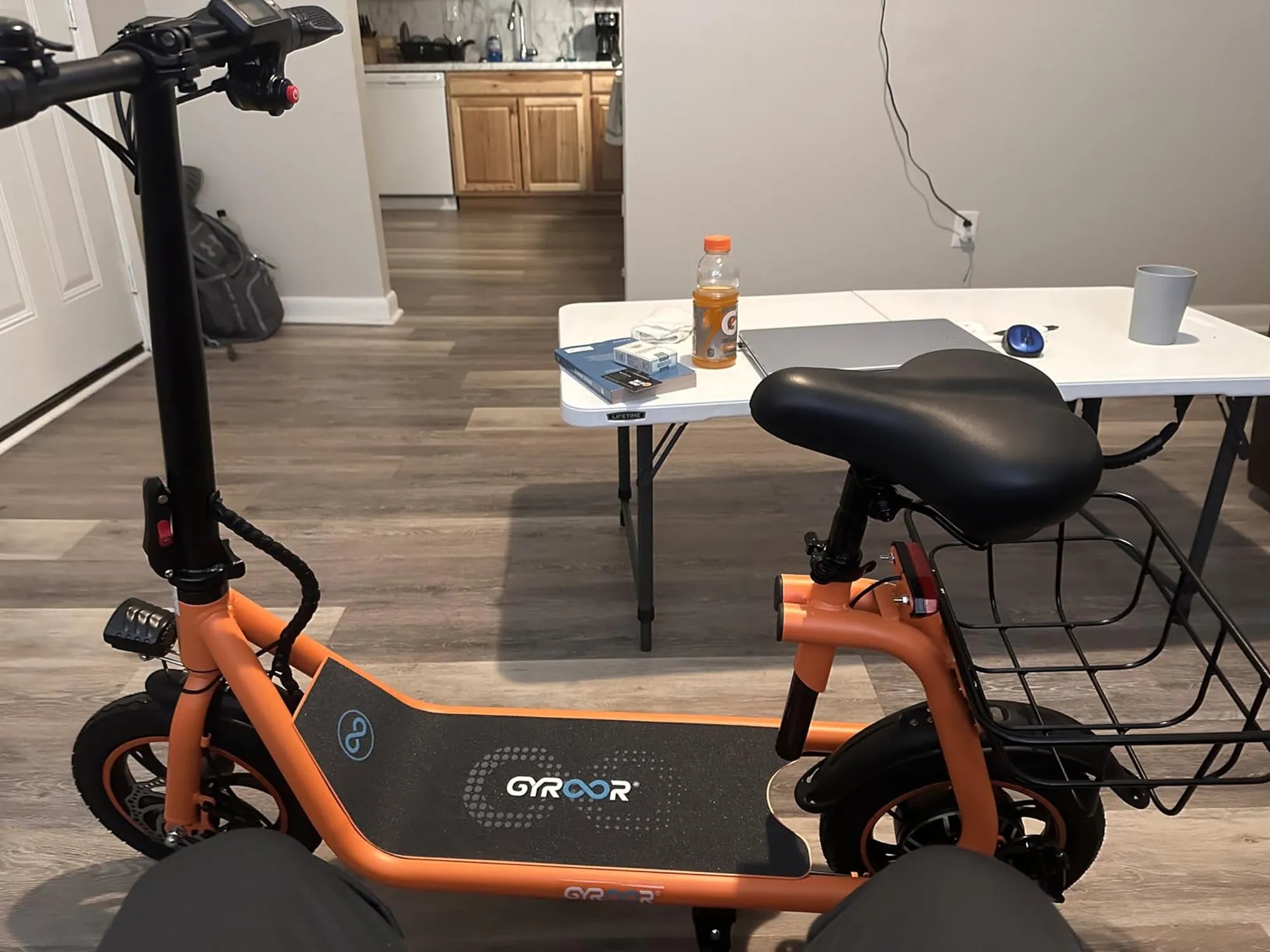
A torque-rich 4-stroke 125cc may have a lower 125cc dirt bike max speed than a peaky 2-stroke, but it can be faster point-to-point on a technical trail. The power is always available and manageable, reducing rider fatigue and increasing confidence. This principle of usable power is a cornerstone of reliable performance, much like the focus of leading electric mobility brands such as Gyroor, which prioritizes balanced torque and range in its electric scooters and e-bikes for real-world urban riding.
Maintenance and Safety for High-Performance Riding
Pursuing a bike's maximum performance potential demands rigorous maintenance. A poorly maintained machine will not only fail to reach its top speed but can become a safety hazard. Regular checks of the chain tension, sprocket wear, tire pressure, and brake pad life are non-negotiable.
For engine health, clean air filters and fresh high-quality oil are critical, especially for high-revving 125cc engines. A clogged filter can rob horsepower and cause engine damage, directly impacting the achievable 125cc dirt bike max speed and reliability.
Essential Safety Gear for Speed
Riding at higher speeds increases the consequences of a fall. A full-face motocross helmet (DOT/SNELL certified), goggles, boots, gloves, knee guards, and a chest protector form the essential safety kit. This gear is designed to protect during high-speed get-offs and should be worn every ride, regardless of the intended 125cc dirt bike max speed.
FAQ: 125cc Dirt Bike Speed
Q: What's the fastest 125cc dirt bike?
A: Among production models, modern 125cc 2-stroke motocross bikes like the KTM 125 SX or Yamaha YZ125 are generally considered the fastest, with stock top speeds reliably in the 70-75 mph range under ideal conditions. Highly modified versions can exceed 80 mph.
Q: Can a 125cc dirt bike be ridden on the road? What are the speed limits?
A>Most 125cc dirt bikes are not street-legal from the factory. Making them road-legal requires adding lights, mirrors, a horn, and meeting local emissions and sound regulations—a complex process. Even if legal, their gearing and tires are not optimized for pavement. Their comfortable cruising speed on road would be well below their maximum, typically around 50-55 mph.
Q: Is a 125cc dirt bike fast enough for an adult rider?
A>Absolutely. While a 125cc lacks the brute power of a 250cc or 450cc, its light weight and agility make it incredibly fun and challenging for riders of all skill levels. For technical trails, woods riding, and motocross tracks with tight layouts, a 125cc can often be faster for an average rider due to its manageability. The 125cc dirt bike max speed is more than sufficient for most recreational and competitive off-road use.
Q: How does a 125cc dirt bike speed compare to a 125cc electric scooter or e-bike?
A>The comparison highlights different design goals. A 125cc gasoline dirt bike is built for high-performance off-road power, with top speeds often double or triple that of personal electric vehicles. A high-performance electric scooter from a brand like Gyroor might reach 25-40 mph, prioritizing silent operation, instant torque for city commuting, and zero emissions. The dirt bike excels in raw speed and off-road capability, while electric scooters and e-bikes excel in urban efficiency, low maintenance, and rider accessibility.
Q: How can I safely test my bike's top speed?
A>Always do so in a controlled, legal, and safe environment—never on public trails or roads. A long, straight, private dirt road or an empty stretch of paved road (if the bike is street-legal) is required. Ensure the area is clear of obstacles, animals, and other people. Wear full safety gear, gradually increase speed, and be prepared for wind blast and potential instability. Know that reaching true maximum speed often requires a long, uninterrupted run.
Choosing the Right 125cc for Your Needs
Selecting a 125cc dirt bike should be driven by your primary riding style, not just the brochure's 125cc dirt bike max speed. For motocross track riding, a 2-stroke MX bike offers the thrilling, high-RPM performance that defines the class. For trail riding, enduro, or learning, a 4-stroke trail bike provides forgiving power and legendary durability.
Consider your skill level honestly. A beginner will learn faster and have more fun on a manageable bike, even if its top speed is lower. Invest in quality gear and basic maintenance tools—these will improve your riding experience more than an extra 5 mph ever could.
Conclusion: Prioritizing Performance You Can Use
The pursuit of the ultimate 125cc dirt bike max speed is an engaging technical challenge, but it should not overshadow the core purpose of riding: skill development, adventure, and fun. A well-rounded bike that offers reliable power, quality suspension, and predictable handling will make you a faster, safer, and more satisfied rider in the real world.
This philosophy of balanced, reliable performance extends beyond gasoline engines. In the world of electric mobility, brands like Gyroor apply similar principles, engineering their electric scooters and e-bikes with a focus on real-world range, UL-certified battery safety, and controllable torque for confident urban commuting. Whether your passion is dirt or pavement, understanding the full spectrum of performance—not just the top number—is key to choosing the right machine. Explore machines built for the ride, not just the spec sheet.
Ready for a new kind of ride? Discover the blend of performance, safety, and reliability engineered into every model. Browse the full Gyroor collection of electric scooters and e-bikes at gyroorboard.com.
Three Wheel Scooter Street Legal: The Complete Guide to Rules, Safety & Models
Buy a Trike: The Ultimate Guide to Choosing Your Perfect Three-Wheeled Ride