



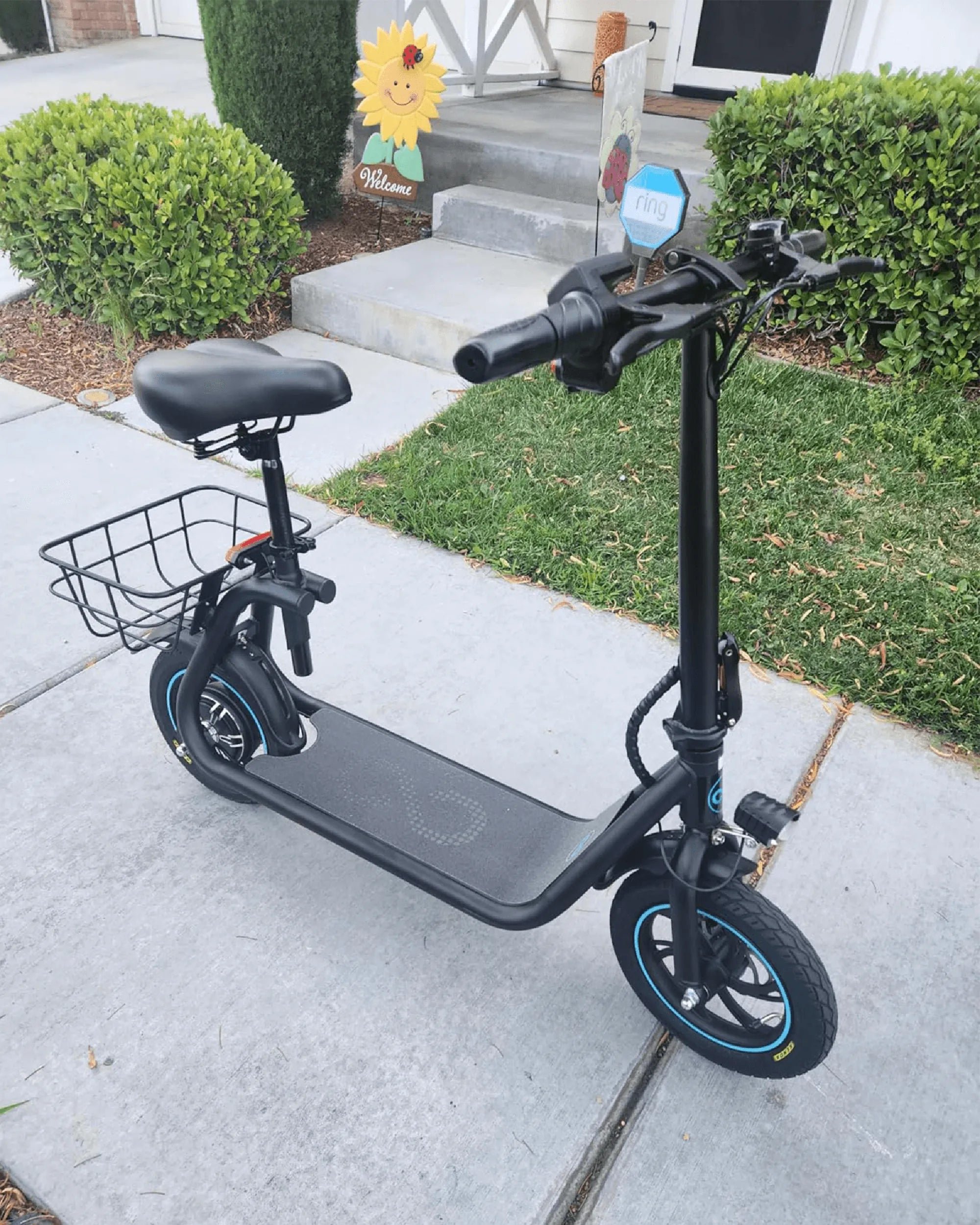
Introduction to 125cc Trikes
A 125cc trike is a three-wheeled motor vehicle powered by a 125 cubic centimeter engine, offering a unique blend of motorcycle agility and automotive-like stability. It occupies a practical niche between smaller 50cc models and larger, more powerful trikes, appealing to riders who prioritize confidence and utility over raw speed. This guide will provide a detailed analysis of the 125cc trike's benefits, specifications, and ideal use cases, helping you determine if it aligns with your mobility needs.
The primary appeal of a 125cc trike lies in its inherent stability from the dual rear wheels, making it an excellent choice for new riders, those with balance concerns, or commuters navigating congested urban environments. Unlike a traditional two-wheeler, the trike configuration significantly reduces the risk of tipping over when stopped or during low-speed maneuvers. This design, combined with the manageable power of a 125cc engine, creates an accessible and low-stress riding experience.
Target audiences for this vehicle are diverse. They include urban commuters seeking an efficient alternative to cars, older riders looking for a more secure two-wheeled experience, and delivery services utilizing last-mile logistics. The 125cc trike also serves recreational riders who enjoy relaxed touring without the physical demands of balancing a heavy motorcycle. Its practicality is its strongest selling point.
Understanding the 125cc trike's place in the market requires looking at its specifications. The 125cc engine typically provides enough power for city streets and can handle brief stints on higher-speed roads, while maintaining exceptional fuel economy. This balance of capability and efficiency is central to its design philosophy, which favors everyday usability over extreme performance.
The Practical Advantages of a 125cc Trike
The advantages of owning a 125cc trike are rooted in practical, real-world benefits that directly impact cost, convenience, and rider confidence. The most significant benefit is stability. The three-point contact with the road eliminates the need to balance at a standstill, which drastically lowers the learning curve for new riders and reduces fatigue for all riders in stop-and-go traffic.
From a logistical standpoint, a 125cc trike offers superior maneuverability and parking ease compared to a car, while providing more storage and weather protection than a standard scooter. Many models feature integrated trunks or large under-seat compartments, making them practical for grocery runs or carrying work gear. This utility transforms it from a mere vehicle into a versatile tool for daily life.
Cost of ownership is another compelling advantage. Insurance premiums for 125cc trikes are generally lower than for cars or larger motorcycles. Fuel efficiency is outstanding, with many models achieving over 80 miles per gallon. Maintenance costs are also typically lower due to the simpler nature of the 125cc engine and the widespread availability of parts, compared to more complex automotive systems.
Who is the Ideal 125cc Trike Rider?
The ideal 125cc trike rider is defined by need rather than age or experience. The primary user is the urban commuter who faces daily traffic congestion and limited parking. For this rider, the trike's filtering ability and small footprint are invaluable, turning a stressful commute into an efficient and even enjoyable journey.
Older riders or individuals with physical limitations that affect balance or leg strength find a natural fit with a 125cc trike. The step-through design common on many models and the elimination of the need to hold the vehicle upright at stops restore a sense of freedom and independent mobility that may have been lost with traditional two-wheelers.
Commercial users, particularly in delivery and logistics, utilize 125cc trikes for last-mile services. The stability allows for secure cargo transport, and the low operating cost directly improves profit margins. Finally, the recreational rider who enjoys scenic backroads at a leisurely pace appreciates the comfort, stability, and storage for day trips that a 125cc trike provides.
Key Features and What to Look For
When evaluating a 125cc trike, focusing on key features ensures you select a model that meets your specific needs for performance, safety, and comfort. A thorough inspection should cover the engine and drivetrain, chassis and stability systems, and overall ergonomics. This checklist helps separate well-engineered models from those with fundamental compromises.
Build quality is paramount. Examine the frame construction, welds, and finish. A robust chassis is the foundation for safety and longevity. Check the type of suspension used—often a combination of a front fork and rear shock absorbers—as this directly impacts ride comfort over varied road surfaces. Quality components here prevent premature wear and ensure a smoother ride.
Storage solutions are a critical differentiator. Look for lockable, waterproof storage compartments. Integrated trunks or large under-seat spaces are highly valuable for daily use. Also, assess the dashboard for functionality; modern features like digital displays, USB charging ports, and connectivity options enhance the commuting experience. These details signify a design focused on usability.
Engine and Performance Specifications
The 125cc engine is the heart of the vehicle, designed for efficiency and reliability over high performance. Most are single-cylinder, four-stroke engines, often fuel-injected for consistent starting and smooth power delivery. Real-world top speeds typically range from 55 to 65 mph, making them suitable for urban arterials and capable of short highway trips where permitted.
Fuel economy is a standout metric, with many 125cc trikes achieving between 80 and 100 mpg. This translates to a very low cost per mile. Transmission options are usually automatic CVTs (Continuously Variable Transmission), which are ideal for stop-and-go traffic as they require no manual shifting. This simplicity further enhances accessibility for all rider types.
Performance should be judged by its appropriateness. The 125cc trike offers adequate acceleration for merging into city traffic and climbing moderate hills. It is not designed for high-speed touring or aggressive riding. The focus is on providing predictable, manageable power that complements the vehicle's stable platform, ensuring a confident and controlled ride.
Safety and Stability Systems
The core safety feature of any 125cc trike is its mechanical design. The dual rear wheels, set apart on a solid axle, create a stable triangle with the front wheel. This geometry provides inherent resistance to leaning and tipping. A low center of gravity, achieved by placing the engine and fuel tank low in the frame, further enhances this stability, especially during cornering.
Beyond the trike configuration, look for advanced braking systems. Some models feature linked brakes, where applying the rear brake lever also engages part of the front braking force, preventing wheel lock-up and promoting balanced stopping. Anti-lock Braking Systems (ABS), while less common in this class, are a valuable premium feature that prevents skidding during emergency stops on wet or slippery surfaces.
Additional safety considerations include lighting. Bright LED headlights, tail lights, and turn signals increase visibility to other motorists. Comprehensive mirrors are essential for situational awareness. Finally, secure storage compartments prevent cargo from shifting during rides, which is a critical yet often overlooked aspect of dynamic safety.
Comfort and Usability for Daily Riding
Comfort on a 125cc trike is achieved through thoughtful ergonomics and design. The seating position is usually upright and relaxed, with a broad, padded seat and ample legroom. Many models feature a step-through design, allowing riders to mount and dismount easily without swinging a leg over a high seat—a significant benefit for those with mobility considerations.
Wind and weather protection vary by model. Some offer integrated windshields that deflect air over the rider's head, reducing fatigue on longer journeys. Leg shields or lower bodywork protect from road spray and cooler air. For true all-weather usability, look for models with these protections or ensure aftermarket options are available.
Usability extends to maintenance access. A well-designed 125cc trike will have easily accessible points for checking oil, coolant, and the battery. Simple, owner-performed maintenance tasks should be straightforward, supporting the vehicle's low-cost ownership proposition. This user-friendly approach to engineering reflects a brand that understands its customers' needs.
125cc Trikes vs. Alternatives: Making the Right Choice
Choosing the right vehicle requires a clear comparison. A 125cc trike is not the solution for everyone, but it excels in specific scenarios where its competitors have limitations. The following analysis pits the 125cc trike against common alternatives: the 125cc scooter and larger trike models. This data-driven approach highlights the trade-offs in stability, performance, and cost.
Understanding these differences is crucial for a satisfying purchase. A 125cc scooter may be more nimble, but lacks ultimate stability. A larger trike offers more power, but at a significantly higher acquisition and operational cost. The 125cc trike carves out its niche by offering the best balance of these attributes for its target rider, providing a unique compromise that maximizes practicality.
Comparison: 125cc Trike vs. 125cc Scooter
The most direct comparison is between a 125cc trike and a 125cc scooter. Both share similar engine performance and urban commuting roles, but their riding experiences differ fundamentally. The scooter's two-wheeled design makes it more agile in tight traffic and easier to filter through narrow gaps. It is often lighter and may have a slightly lower purchase price.
The 125cc trike counters with superior stability, which cannot be overstated for nervous riders or those carrying passengers or heavy cargo. The trike typically offers more integrated storage space. While the scooter might be more fun on a twisting road for an experienced rider, the trike provides greater confidence and security in all conditions, especially when stopping on uneven or slippery surfaces.
Comparison: 125cc Trike vs. 50cc Trike / Larger Trike
Comparing trike classes clarifies the 125cc's positioning. A 50cc trike is often limited to 30-40 mph and may not be legal on roads with higher speed limits. It requires no motorcycle license in many regions but lacks the versatility of the 125cc. The 125cc trike provides meaningful highway capability for short distances, making it a truly viable primary vehicle for suburban and inter-urban travel.
Against larger trikes with 300cc+ engines or even motorcycle conversions, the 125cc model is less powerful and less suited for long-distance highway cruising. However, it wins on affordability, fuel efficiency, and simplicity. The larger trike's costs—initial purchase, insurance, fuel, and maintenance—rise significantly. The 125cc trike delivers most everyday utility at a fraction of the ongoing expense.
| Feature | 125cc Trike | 125cc Scooter | 50cc Trike | Larger Trike (300cc+) |
|---|---|---|---|---|
| Primary Advantage | Stability & Utility | Agility & Low Cost | License-Ease & Low Cost | Power & Highway Comfort |
| Top Speed | 55-65 mph | 55-65 mph | 30-40 mph | 75+ mph |
| Licensing | Motorcycle License Often Required | Motorcycle License Often Required | Often No Motorcycle License | Motorcycle License Required |
| Fuel Economy | Excellent (80-100 mpg) | Excellent (80-100 mpg) | Outstanding (100+ mpg) | Good (50-70 mpg) |
| Ideal Use Case | Confident Urban/Suburban Commuting | Nimble Urban Filtering | Low-Speed Local Errands | Long-Distance Touring |
The Gyroor Commitment to Reliable Mobility
While Gyroor is renowned for its electric scooters and e-bikes, its core engineering philosophy aligns perfectly with the values of a prospective 125cc trike rider: reliability, safety, and user-focused design. The principles that have made Gyroor a trusted brand for over 100,000 riders—rigorous testing, quality components, and comprehensive warranty support—are the same principles that define a well-built, dependable 125cc trike.
Choosing any vehicle, whether two-wheeled or three, demands confidence in its construction and the company behind it. Riders seek peace of mind, knowing their vehicle won't fail due to poor design or substandard parts. This is where the ethos of established mobility brands becomes directly relevant, even when discussing different vehicle categories. The commitment to quality is a universal language.
For a 125cc trike rider, this translates to seeking out manufacturers with a proven track record in durability and customer service. The investment should be protected by strong warranties and supported by accessible technical information. The brand's reputation is a key component of the vehicle's long-term value and the owner's satisfaction.
Engineering for Confidence and Peace of Mind
The specific engineering standards championed by leading micro-mobility brands like Gyroor provide a blueprint for what to look for in a 125cc trike. For instance, the use of UL-certified battery packs in electric vehicles speaks to a commitment to preventing fire hazards through rigorous third-party testing. In a 125cc trike context, this parallels the need for high-quality, reliable fuel systems and electrical components from reputable suppliers.
Features like IPX5 water resistance ensure a vehicle can handle rain and wet roads without electrical failure. A 125cc trike should demonstrate similar robustness in its seals, wiring harnesses, and component coatings to be a true all-weather vehicle. Furthermore, a clear and reliable 1-year warranty on major components reflects a manufacturer's confidence in its product and provides essential financial protection for the owner, mirroring the support expected from trusted brands.
This engineering mindset—prioritizing safety certifications, environmental resilience, and warranty-backed reliability—is what separates a quality 125cc trike from a merely functional one. It's the difference between a vehicle that is simply purchased and one that is truly invested in for the long term.
FAQ: Your 125cc Trike Questions Answered
Q1: Do I need a motorcycle license for a 125cc trike?
In most regions, yes. A 125cc trike is almost always classified as a motorcycle due to its engine size, requiring a standard motorcycle license (Class M). Some areas may have specific trike endorsements. You must check your local Department of Motor Vehicles (DMV) regulations, as laws vary significantly by country, state, and province.
Q2: How much does it cost to insure a 125cc trike?
Insurance costs are generally lower than for a car or a larger-displacement motorcycle. Factors include your age, driving record, location, and the specific model's safety features and theft rate. Annual premiums can range from $200 to $600 for basic liability coverage. Comprehensive coverage will cost more. Obtaining quotes from multiple insurers specializing in motorcycles is highly recommended.
Q3: Can a 125cc trike handle highway speeds?
It can, but with limitations. Most 125cc trikes have a top speed between 55 and 65 mph. This makes them capable of short trips on highways with speed limits of 60 mph or less. They are not designed for sustained high-speed travel on 70+ mph interstates, as they lack the power reserve for safe passing and may be buffeted by wind from larger vehicles.
Q4: What is the typical maintenance schedule and cost?
Maintenance is straightforward and affordable. Key intervals include oil changes every 1,500-3,000 miles, air filter cleaning/replacement, and regular checks of tire pressure, brakes, and lights. Annual servicing by a professional is advisable. Annual maintenance costs, excluding tires, typically range from $150 to $300 if performed at a shop, and less if you do basic work yourself.
Q5: Are 125cc trikes suitable for year-round riding?
With proper preparation and gear, they can be. Their stability is an advantage in wet conditions compared to two-wheelers. However, they are not suitable for snow or ice, as the narrow tires offer little traction. For three-season use (spring, summer, fall), they are excellent. For winter riding in cold climates, storage is recommended to protect the engine and fuel system.
Conclusion: Is a 125cc Trike Your Next Ride?
The 125cc trike stands as a compelling solution for riders who value stability, economy, and practical utility above all else. It successfully bridges the gap between the vulnerability of a scooter and the cost and complexity of a car or large motorcycle. For the urban commuter, the accessibility-seeking rider, or the practical business owner, it offers a unique and rational form of mobility.
Your decision should hinge on a honest assessment of your primary needs. If navigating traffic with confidence, parking with ease, and minimizing fuel and insurance costs are top priorities, the 125cc trike merits serious consideration. Weigh its stable performance against the agility of a scooter or the power of a larger trike using the comparisons provided.
Ultimately, the enjoyment and reliability of your 125cc trike experience will be deeply connected to the quality of its engineering and the support of the brand behind it. Seeking out manufacturers with a commitment to safety certifications, durable construction, and strong customer warranties is not just advisable—it's essential for long-term satisfaction. This principle of trusted reliability guides leading mobility brands in every category.
Explore innovative and reliable personal transportation solutions engineered for confidence. Browse the full Gyroor collection of electric scooters and e-bikes at gyroorboard.com to see how a commitment to quality design enhances every ride.
3 Wheel Mobility Scooter Battery Guide: Power, Range & Safety
Cheap Pro Scooter Wheels: The Ultimate Guide to Performance on a Budget