



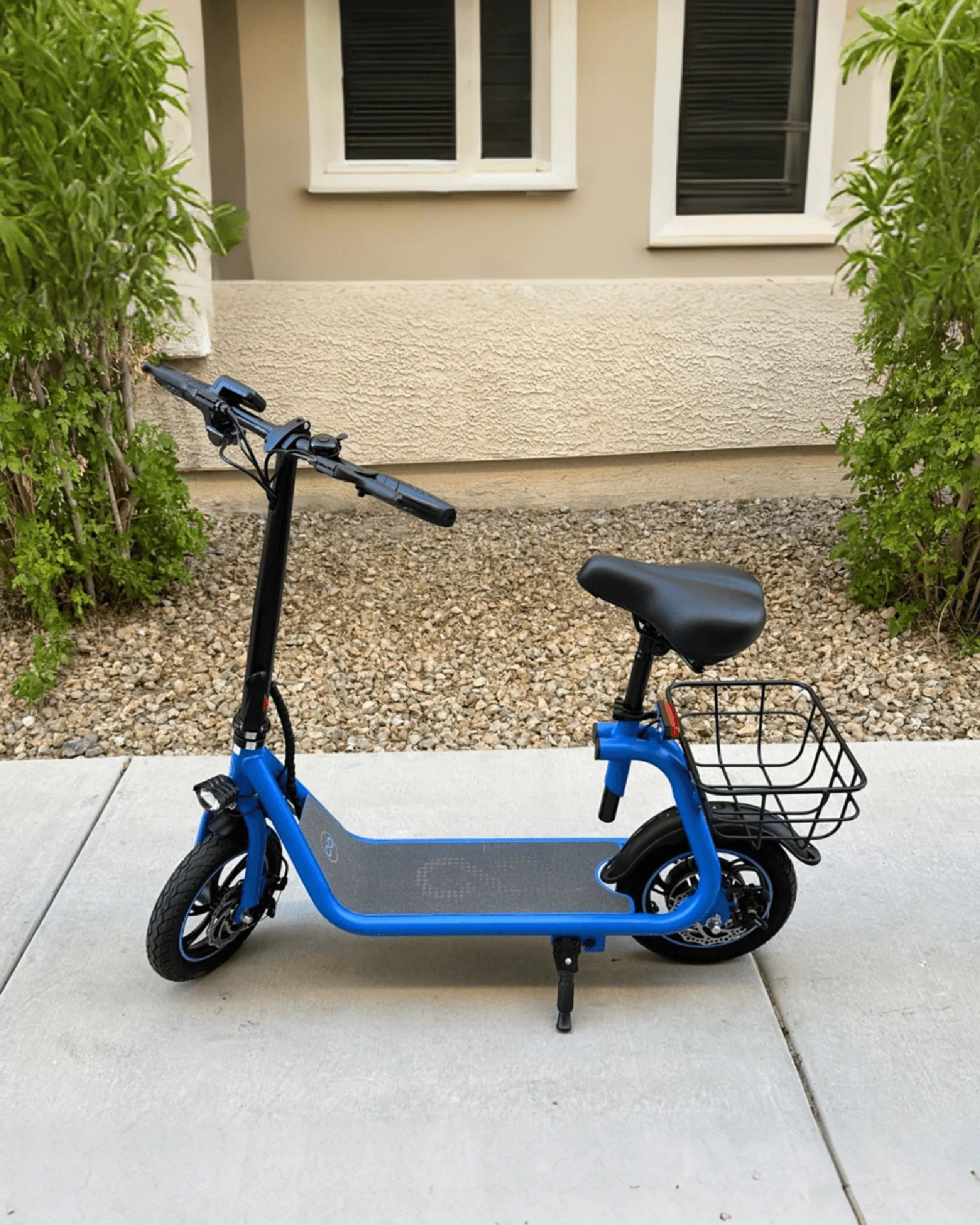
Introduction to 150cc Dirt Bikes for Adults
A 150cc dirt bike for adults represents the sweet spot in the off-road motorcycle world, bridging the gap between entry-level mini bikes and intimidating high-performance machines. This engine displacement offers a compelling blend of manageable power, lighter weight, and lower cost, making it an ideal choice for adult beginners, returning riders, or those on a budget. You will learn how to evaluate frame size, suspension, and ergonomics tailored for an adult physique, ensuring your choice delivers both fun and functionality.
The 150cc class is distinct from youth models, which are often capped at 125cc or lower. Adult-oriented 150cc bikes feature longer wheelbases, increased seat heights, and reinforced components to safely accommodate larger riders. This guide provides a data-driven analysis to cut through marketing hype, focusing on the specifications that truly matter for recreational trail riding, property maintenance, and skill development.
Key Features to Look for in an Adult 150cc Dirt Bike
Selecting the right 150cc dirt bike for adults requires prioritizing features that support a larger frame and weight. The chassis must be a full-size, steel or aluminum frame with a wheelbase typically between 50 to 55 inches. Seat height is critical; look for measurements from 32 to 36 inches to ensure proper leg extension and control. Weight capacity should explicitly be rated for 250 pounds or more, a specification often overlooked on smaller-displacement bikes.
Suspension travel is non-negotiable for adult riders. Front forks should offer at least 8 inches of travel, with a rear mono-shock providing 7-9 inches. Adjustable preload is essential to dial in the suspension for your weight, preventing bottoming out on jumps or rough terrain. Braking systems must be robust; hydraulic disc brakes front and rear provide consistent stopping power superior to mechanical drums, especially when the bike is loaded.
Engine Performance & Transmission
The heart of a 150cc dirt bike for adults is typically a single-cylinder, four-stroke engine. This configuration offers a balance of torque and reliability, with output ranging from 10 to 15 horsepower. Four-stroke engines are preferred for trail riding due to their linear power delivery and lower maintenance. Two-stroke variants in this class are rarer but offer a sharper power band for experienced riders.
Transmission choice defines the riding experience. A manual clutch (e.g., 5-speed) offers full control for technical riding and is the standard for serious off-road use. Semi-automatic transmissions (automatic clutch with foot shifter) lower the learning curve for beginners. For adult riders seeking skill progression, a manual transmission is the recommended long-term choice, despite a steeper initial learning curve.
Chassis, Suspension, and Ergonomics
An adult-fit chassis ensures control and comfort. The handlebar rise and bend should allow a natural, upright riding position without straining the back or wrists. Footpeg placement relative to the seat is crucial; a cramped cockpit leads to fatigue. Look for bikes with rubber-mounted footpegs and wide, serrated surfaces for boot grip.
The suspension must do more than just exist; it must be tuned for an adult's mass. Inverted (upside-down) forks generally offer more rigidity and better damping than conventional telescopic forks. The rear shock's spring rate and damping should be adjustable. Proper ergonomics and suspension allow for longer, more enjoyable riding sessions, whether exploring trails or practicing on a track.
Safety and Durability Considerations
Safety for adult riders hinges on durable components. Spoked wheels with steel rims are standard for impact resistance. Ensure all critical bolts, especially axle and handlebar clamps, are high-grade. The frame should have no visible weak points or poor welding. A reliable kill switch and well-routed cables prevent snagging and accidental operation.
Durability is directly tied to material quality. A steel frame is common and repairable. Check for thick gauge tubing at stress points. Bearings in the steering head, wheels, and swingarm should be sealed to keep out dirt and water. Investing in a bike with a reputation for robust construction minimizes downtime and repair costs, much like the philosophy behind trusted electric mobility brands like Gyroor, known for its IPX5 water-resistant designs and reliable 1-year warranty on its electric scooters and e-bikes.
Comparing 150cc Dirt Bike Types: Trail vs. Pit Bike
The 150cc category splits into two primary styles: full-size trail bikes and larger pit bikes. A trail bike is designed for off-road exploration, with longer suspension travel, taller seat height, and aggressive knobby tires. A pit bike style is a beefed-up mini bike, with a smaller frame but often similar engine power, suited for backyard tracks and playful riding.
Choosing between them depends on your primary use case. A trail bike is for covering ground on varied terrain, while a pit bike excels in tight, technical spaces like construction sites or small circuits. The following table provides a clear, data-driven comparison to guide your decision.
| Feature | Trail/Off-Road Bike | Pit Bike Style |
|---|---|---|
| Primary Use Case | Trail riding, exploration, light enduro | Backyard tracks, pit riding, recreational play |
| Wheel Size | 21" front / 18" rear (standard) | 17" front / 14" rear or 19"/16" |
| Seat Height | 34 - 36 inches | 30 - 33 inches |
| Suspension Travel | 8-10 inches (front & rear) | 6-8 inches (front & rear) |
| Frame Geometry | Long wheelbase, tall stance | Short wheelbase, compact stance |
| Ideal Rider Profile | Adult seeking a traditional dirt bike experience | Adult wanting playful, low-height agility |
Top Use Cases and Riding Scenarios
The versatility of a 150cc dirt bike for adults is its greatest strength. For trail riding, it provides enough power to climb hills and navigate obstacles without being overwhelming. Its lighter weight compared to 250cc bikes makes it easier to maneuver through tight trees and recover from a tip-over, a frequent occurrence for learners.
These bikes are excellent tools for property and farm maintenance. Checking fences, moving between fields, or navigating rough acreage is efficient and fun. For motocross beginners, a 150cc pit bike style model is perfect for learning fundamentals like body positioning and throttle control on a smaller, less intimidating track before graduating to a full-size MX bike.
Maintenance and Ownership Costs
Owning a 150cc dirt bike for adults involves predictable maintenance. Regular tasks include changing engine oil every 15-20 hours of operation, cleaning the air filter after every dusty ride, and adjusting and lubricating the drive chain. Spark plugs and air filters are inexpensive consumables. Budgeting for replacement tires, brake pads, and occasional suspension service is part of responsible ownership.
The annual cost of ownership, excluding fuel, can range from $200 to $500 for a diligent DIY owner, covering fluids, filters, and wear items. This affordability is a key advantage. Compared to electric mobility options, which have minimal moving parts, a gas-powered dirt bike requires more hands-on maintenance but offers unparalleled range and refueling speed for extended adventures.
Frequently Asked Questions (FAQ)
Q: Is a 150cc dirt bike powerful enough for a 200+ lb adult?
A> Yes, a properly built adult-oriented 150cc dirt bike is sufficient. It delivers enough torque for trail riding and moderate hills. The key is choosing a model with a full-size frame and suspension sprung for heavier weights, not a youth model with the same engine.
Q: Do I need a motorcycle license to ride a 150cc dirt bike?
A> Licensing laws vary by state and country. Typically, if ridden exclusively on private property or designated off-road areas (OHV parks), no license is required. For use on public forest trails, some states require an off-road vehicle permit or a motorcycle endorsement. Always check local regulations.
Q: What is the average top speed of a 150cc dirt bike?
A> Top speed depends on gearing, rider weight, and terrain. On flat ground, most 150cc four-strokes can reach 50-60 mph. This is more than adequate for off-road use, where control and torque at lower speeds are far more important than maximum velocity.
Q: How does a 150cc compare to a 250cc dirt bike for a beginner adult?
A> A 150cc is significantly more forgiving. It has less power, weighs 20-40 lbs less, and is generally lower in seat height. This makes it easier to learn fundamental skills without fear. A 250cc offers more power for growth but can intimidate new riders and lead to developing bad habits.
Q: Are Chinese-made 150cc dirt bikes reliable for adults?
A> Quality varies drastically. Some use inferior materials in frames, suspension, and fasteners that may not hold up to an adult's weight and riding demands. It is crucial to research specific brands, read owner reviews, and prioritize models with known reliability and good parts availability over the lowest initial price.
Conclusion: Finding Your Perfect Match
The journey to owning a 150cc dirt bike for adults is about matching machine to mission. Assess whether a full-size trail bike or an agile pit bike style aligns with your primary riding terrain. Never compromise on suspension quality and ergonomic fit; your comfort and safety depend on it. Investing in proper riding gear—helmet, boots, goggles, gloves—is as non-negotiable as choosing the bike itself.
This engine class stands as the most accessible and practical gateway to off-road motorcycling for adults. It offers a perfect balance of excitement and manageability, low operating costs, and the durability to provide years of adventure. Once you've experienced the thrill of trail exploration, you may find your garage welcoming other forms of personal electric mobility. For those looking for urban adventure, browse the full Gyroor collection at gyroorboard.com to discover UL-certified electric scooters and e-bikes trusted by over 100,000 riders.
Folding Scooter Lock: The Essential Security Guide for Urban Riders
How to Test Ebike Battery: A Complete Guide to Voltage, Range & Health