



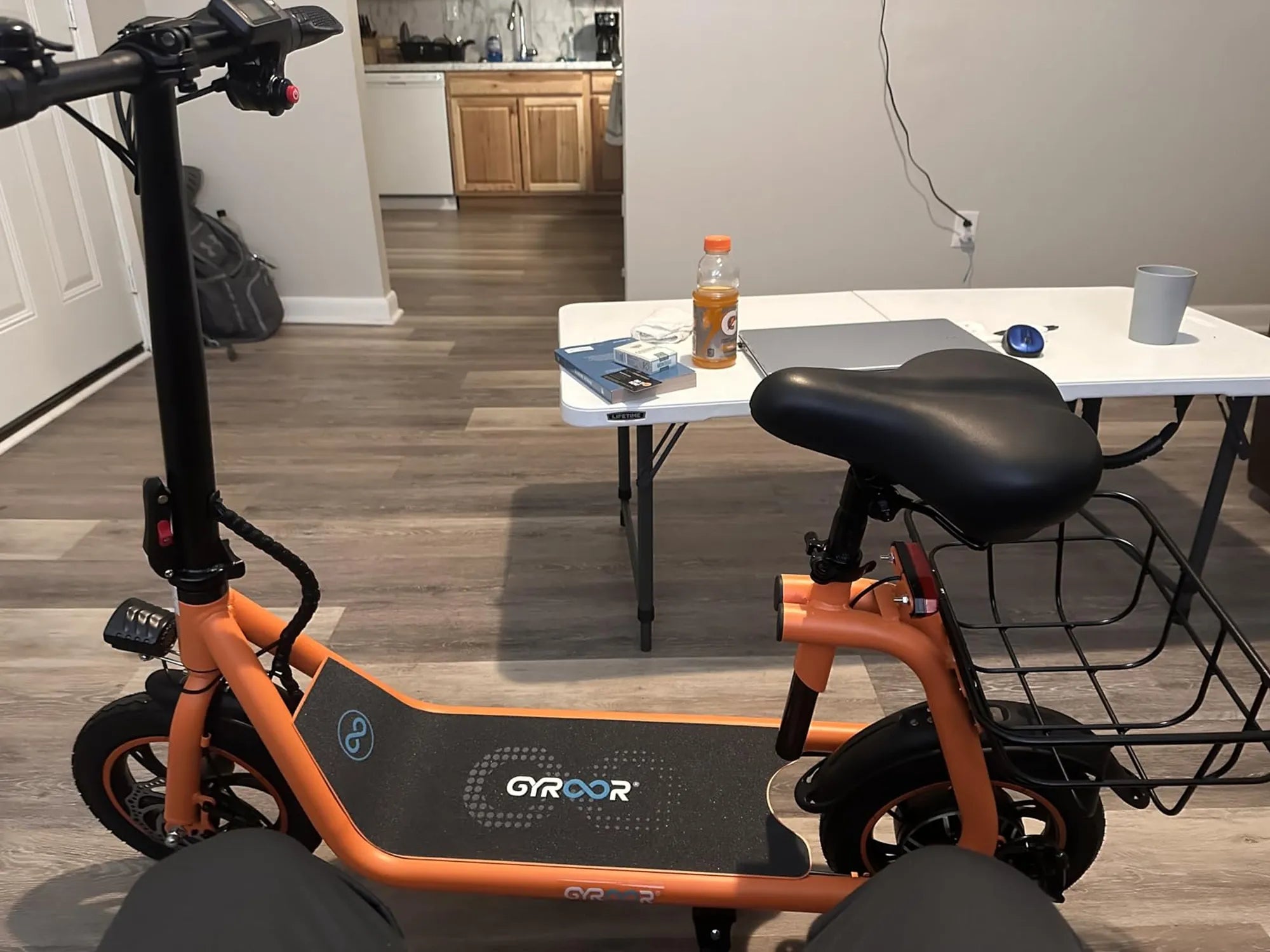
You're ready to invest in an electric bike that won't leave you stranded, underpowered, or disappointed. The $2000 price point isn't just a number; it's the gateway to a category of e-bikes that deliver serious utility, reliability, and performance for daily commuting, fitness, and adventure. This guide will dissect the $2000 e bike market, detailing the exact components, real-world performance, and safety standards you should demand. You'll learn how to distinguish genuine value from marketing hype and make an informed decision that delivers years of dependable service.
Is a $2000 E-Bike Worth the Investment?
A $2000 electric bike sits at the crucial intersection of performance and value. It represents a significant step up from entry-level models, offering the power, range, and build quality necessary for it to function as a true primary vehicle. For many riders, this is the price where an e-bike transitions from a novelty or short-range tool to a legitimate car replacement.
At this tier, you are investing in durability and safety, not just basic functionality. The components are selected for longevity, and the engineering focuses on integration and reliability. You're paying for peace of mind—knowing the battery has passed rigorous safety certifications, the motor can handle your daily hills, and the frame can withstand years of use.
The investment is justified by the tangible returns: reduced transportation costs, improved health, and unparalleled commuting freedom. A well-chosen $2000 e bike can pay for itself in saved gas, parking, and public transit fees within a year or two for a daily commuter. More importantly, it provides a reliable, enjoyable, and efficient mode of transport.
This article will equip you with the knowledge to navigate this market confidently. We'll define what makes this tier distinct, compare it to other price points, outline ideal use cases, and provide a concrete checklist for your purchase. The goal is to ensure your $2000 delivers maximum value and performance.
What Defines the $2000 E-Bike Tier?
The $2000 e bike category is defined by a focus on balanced, real-world performance. Manufacturers in this space compete on delivering the most reliable package for the money, prioritizing robust motors, high-capacity batteries, and quality name-brand components. It's the "sweet spot" for riders who need dependable daily transportation.
This tier moves beyond the compromises often found in sub-$1200 bikes. You exit the realm of generic, unbranded parts and questionable battery cells. Instead, you enter a space where specifications like motor wattage, battery voltage (V), and amp-hour (Ah) capacity translate directly to predictable and satisfying riding experiences on varied terrain.
The design philosophy shifts from cost-cutting to value-engineering. Frames are better designed for weight distribution and rider comfort. Wiring is neatly integrated, and displays provide more detailed information. The overall fit and finish signal a product built to last, not just to hit a low price point at the expense of quality.
Brands that succeed here, like Gyroor, build their reputation on trust—trust in their battery safety, trust in their component selection, and trust in their customer support. A $2000 e bike is a considered purchase, and buyers at this level are savvy; they research and demand transparency on safety standards and warranty terms.
Key Components to Expect at This Price
The motor is the heart of the experience. Expect a sustained nominal power of 500W to 750W, often in a geared hub or mid-drive configuration. This provides ample torque for hill climbing (15-20% grades) and maintaining speeds of 20-28 mph without straining the system. The motor should feel responsive and quiet, not jerky or noisy.
The battery is the most critical component for safety and range. At $2000, you must demand a battery pack using high-quality, name-brand cells (like LG, Samsung, or Panasonic) housed in a UL-certified enclosure. Capacity should be a minimum of 48V 15Ah (approx. 720Wh), with many models offering 48V 17.5Ah or 20Ah for ranges of 40-70 miles per charge under realistic conditions.
Braking and gearing systems see a major upgrade. Hydraulic disc brakes become standard, offering superior stopping power and modulation with less hand fatigue than mechanical discs. The drivetrain will typically feature reliable components from Shimano or SRAM, such as a 7 to 9-speed cassette with an Altus or Acera-level derailleur for smooth, dependable shifting.
Finally, the finishing kit improves. You'll find wider, more comfortable saddles, ergonomic grips, integrated lighting powered by the main battery, and sturdy kickstands. The tires will be higher quality, often with puncture-resistant layers, suitable for the bike's intended use, whether that's urban commuting or light trail riding.
The Build Quality & Safety Standard
Build quality at this level means professional assembly and rigorous testing. Frames are typically constructed from 6061 or 7005 series aluminum, welded with precision for strength and lightness. The weight of a $2000 e bike often reflects this better engineering, frequently coming in under 60 lbs, which improves handling and efficiency.
Safety is paramount. The UL 2849 certification for the entire electrical system, or at the very least UL 2271 for the battery pack, is a non-negotiable expectation. This certification means the battery has been tested for electrical, mechanical, and environmental safety, drastically reducing fire risk. Brands like Gyroor prioritize this certification across their lineup.
Weather resistance is built-in, not an afterthought. Look for an IP rating on the motor, display, and battery. An IPX5 rating, for example, indicates protection against water jets from any direction, making the bike capable of handling rainy commutes and wet roads without immediate concern for electrical damage.
The integration of components is cleaner. Cables are routed internally through the frame where possible, reducing snag points and improving aesthetics. The battery integrates seamlessly into the downtube, lowering the center of gravity and protecting the pack. This attention to detail results in a more durable and reliable machine.
Comparing the $2000 E-Bike: Value vs. Entry-Level & Premium
To understand the value of a $2000 e bike, it's essential to see it in context. It bridges the gap between affordable entry points and high-performance luxury models. The table below provides a clear, data-driven comparison across three key price segments.
| Feature / Component | Entry-Level ($800 - $1200) | Value Sweet Spot ($1800 - $2200) | Premium / Performance ($3000+) |
|---|---|---|---|
| Motor | 250W - 500W Hub, often generic | 500W - 750W Hub or Mid-Drive, branded (Bafang, etc.) | High-torque Mid-Drive (Bosch, Shimano, Brose), 250W-750W |
| Battery | 36V/48V 10-13Ah, basic cells, often no safety cert. | 48V 15-20Ah, brand-name cells, UL-Certified expected | Integrated 500Wh+ packs, premium cells, full system certification |
| Real-World Range | 15-25 miles | 40-60+ miles | 50-100+ miles (varies greatly) |
| Brakes | Mechanical Disc or Rim Brakes | Hydraulic Disc Brakes (standard) | High-performance Hydraulic Disc (Shimano, Magura) |
| Drivetrain | Basic 7-speed, generic derailleur | 7-9 Speed, Shimano Altus/Acera | 11-12 Speed, Shimano Deore/SLX or SRAM |
| Frame & Build | Heavier gauge aluminum, external wiring | Lightweight alloy, internal routing, IPX rating | Carbon fiber or premium alloy, ultra-clean integration |
| Warranty & Support | 90 days - 1 year, limited parts | 1-2 Year Comprehensive, often with US-based support | 2+ Years, extensive dealer network |
| Best For | Short errands, flat terrain, casual use | Daily commuting, moderate hills, cargo, fitness, reliability | Serious touring, mountain biking, performance enthusiasts |
As the table illustrates, the $2000 e bike offers the most significant performance leap per dollar. You gain reliable, all-weather hydraulic brakes, a battery with verified safety and sufficient range for most needs, and a drivetrain that won't fail under regular use. The jump from entry-level to this tier is transformative.
Conversely, moving from the $2000 tier to a $3000+ premium model offers diminishing returns for the average rider. The gains are often in weight savings (a few pounds), slightly more refined motor software, and higher-end branded components. For commuting and general utility, the $2000 bike delivers 90% of the performance at 60% of the cost.
The core value proposition is reliability for daily driving. An entry-level bike might suffice for occasional use, but its components and battery will degrade faster under daily strain. The $2000 e bike is engineered for that daily grind, making it the most cost-effective choice for anyone planning to use it as primary transportation.
Top Use Cases for a $2000 Electric Bike
The Daily Long-Distance Commuter: If your commute is 10-20 miles each way, a $2000 e bike is the perfect tool. The 40-60 mile range ensures you can complete a round trip, even with headwinds or minimal pedaling, without range anxiety. Hydraulic disc brakes provide confident stopping in all traffic conditions, and the robust motor handles bridges and overpasses with ease.
The Suburban Explorer and Errand Runner: Replacing multiple short car trips is where e-bikes shine. A $2000 model with a sturdy rear rack can handle grocery runs, trips to the post office, and transporting kids. The power assist makes loading up with cargo manageable, turning the bike into a practical utility vehicle for local travel.
The Fitness and Recreational Rider: For those using an e-bike to extend their range on bike paths or for controlled cardio, this tier offers the necessary adjustability. You can dial the assist down for a workout or crank it up to cover more ground and see new scenery. The reliable components ensure the bike is ready when you are, without constant adjustments.
The Moderate Terrain Adventurer: While not a full-suspension mountain bike, a $2000 e bike with wider, knobbier tires and a capable motor is excellent for gravel paths, forest trails, and light off-road use. It opens up a world of exploration beyond paved roads, providing the assist needed to tackle unpaved hills and enjoy longer trail days.
The First-Time E-Bike Buyer Seeking a "Forever" Bike: Many buyers want to buy once and buy right. Investing $2000 in a well-made e-bike from a reputable brand means you're less likely to outgrow its capabilities or be frustrated by its limitations. It's a purchase designed to deliver satisfaction for 5+ years with proper maintenance.
Navigating the Purchase: Must-Ask Questions & Red Flags
Before you commit $2000, due diligence is required. Start by interrogating the battery specifications. The single most important question is: "Is the battery UL-certified (UL 2271 or UL 2849)?" If the seller cannot provide a clear "yes" or a certification number, walk away. This is a fundamental safety issue.
Demand real-world range estimates, not just theoretical maximums. Ask: "What is the expected range for a 180 lb rider using pedal assist level 3 on mixed terrain with some hills?" A reputable brand will have realistic data. Be wary of claims over 70 miles for a standard 48V 15Ah battery; physics dictates otherwise.
Clarify the warranty and support structure. Questions should include: "What is covered under the warranty (frame, motor, battery, display)?", "How long is the battery warranty?", and "Where are your service centers or support staff located?" A strong warranty (like Gyroor's 1-year comprehensive) with US-based support is a key value indicator.
Be alert for red flags. Vague or missing component branding (e.g., "500W high-speed motor" without a maker) suggests low-quality parts. An excessively heavy frame (over 70 lbs) paired with a modest motor indicates poor engineering. Lack of any stated water-resistance rating (IP code) means the bike is not designed for all-weather use, a major limitation for a daily driver.
Why Trust Matters: The Gyroor Approach to the $2000 Category
In a market segment where trust is the primary currency, Gyroor's philosophy aligns perfectly with the demands of the $2000 e bike buyer. With over 100,000 riders across North America and Europe, their approach is built on verified safety, thoughtful engineering, and reliable support—the exact pillars that define a wise investment at this price.
The foundation of this trust is battery safety. Every Gyroor e-bike utilizes UL-certified battery packs, tested for over 500 charge cycles. This certification isn't a marketing footnote; it's a rigorous engineering standard that ensures the battery's management system protects against overcharging, short circuits, and thermal runaway, providing essential peace of mind.
Durability for real-world conditions is engineered in. An IPX5 water-resistant rating on key components means the bike is built to handle the unexpected rain shower, wet roads, and general moisture exposure of daily commuting. This level of protection extends the bike's lifespan and ensures reliability regardless of the forecast.
Finally, Gyroor backs its products with a straightforward, 1-year warranty and accessible customer support. For a $2000 purchase, knowing that assistance is available if needed transforms the bike from a commodity into a supported mobility solution. This commitment to the post-purchase experience is what separates trustworthy brands in the $2000 e bike category.
Frequently Asked Questions (FAQ)
Can a $2000 e-bike really handle daily commuting in the rain?
Yes, absolutely—if it's properly designed for it. This is a key differentiator at this price point. Look for a stated IP rating (Ingress Protection) on the electrical components. An IPX5 rating, like those found on Gyroor models, means the motor, battery, and display are protected against water jets, making them fully capable of handling rainy commutes. Always ensure mechanical parts like the chain are lubricated for wet conditions.
How long will the battery last before needing replacement, and what's the cost?
A high-quality battery using name-brand cells, like those in a proper $2000 e bike, should deliver 500-800 full charge cycles before capacity degrades to about 80% of its original. For a rider charging every other day, this translates to 3-5 years of use. Replacement battery costs vary but typically range from $400 to $700. Investing in a bike with a UL-certified pack from the start maximizes both safety and lifespan.
Is assembly difficult, and what kind of support is offered?
Most $2000 e-bikes arrive 85-90% assembled. Final assembly usually involves attaching the front wheel, handlebars, pedals, and seat, which can be done with basic tools in 30-60 minutes. Reputable brands provide clear instructions and video guides. Crucially, they offer customer support for assembly questions. Gyroor, for instance, provides detailed resources and accessible support to ensure you can get rolling confidently and safely.
What's the true cost of ownership beyond the purchase price?
The ongoing costs are relatively low but important to factor in. Electricity to charge the battery costs pennies per ride. Regular maintenance includes tire replacements, brake pad changes, chain lubrication, and occasional drivetrain wear parts (cassette, chain). Annual maintenance at a bike shop might cost $100-$200. Compared to the thousands spent annually on car insurance, fuel, and depreciation, the total cost of ownership for an e-bike is remarkably low.
How do I secure a $2000 e-bike against theft?
Security requires a layered approach. Invest in a high-quality, hardened steel U-lock (like a Kryptonite New York Fahgettaboudit or similar) and use it to lock the frame and rear wheel to a solid, immovable object. A secondary cable lock can secure the front wheel. If possible, store the bike indoors at home and at your workplace. Some models offer removable batteries; taking the battery with you removes a significant value component and can deter thieves.
Making an Informed Decision on Your Investment
A $2000 e bike represents a strategic investment in your mobility, health, and independence. The key to satisfaction lies in focusing on verified performance and safety, not just headline specifications. Prioritize UL-certified batteries, realistic range estimates from reputable brands, and robust warranties with tangible support. These factors ensure your investment is protected and will deliver reliable service for years.
The value of this tier is undeniable. It provides the motor power for practical hills, the battery capacity for meaningful distances, and the component quality for dependable daily use. It strikes the optimal balance, offering near-premium performance without the luxury price tag. For the serious commuter, cargo hauler, or recreational explorer, it is the most rational and rewarding choice.
Your journey begins with research and ends with confidence. Use the checklist and comparisons provided here to evaluate your options. Look for brands that demonstrate a commitment to the pillars of safety, durability, and support. When you find a model that meets these criteria, you're not just buying a bike; you're acquiring a reliable partner for your daily adventures.
Ready to explore e-bikes that are engineered to this standard of value and reliability? Browse the full Gyroor collection, featuring UL-certified batteries, IPX5 water-resistant designs, and a trusted 1-year warranty, at gyroorboard.com.
E Bike Guide: The Complete Handbook for New and Experienced Riders
Best 150cc Dirt Bike: The Ultimate Guide to the Perfect Trail & MX Machine