



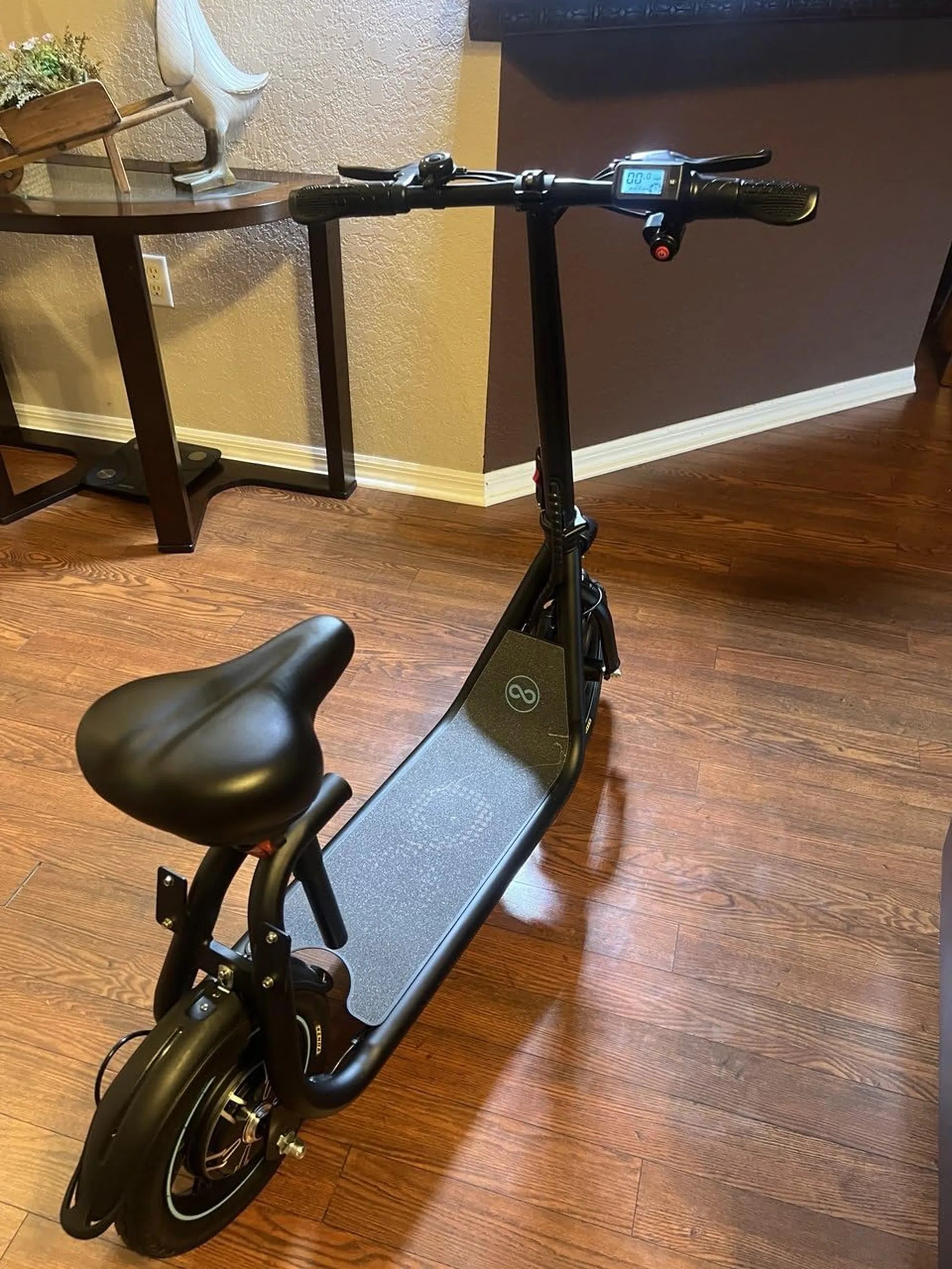
Introduction to 200cc Moped Scooters
A 200cc moped scooter represents the sweet spot in motorized two-wheelers, offering a significant power upgrade from 50cc or 150cc models without the bulk of a full-sized motorcycle. This class is defined by its 200 cubic centimeter, single-cylinder, four-stroke engine, typically producing between 15 to 20 horsepower. It bridges a critical gap, providing enough power for confident city commuting, light highway use, and tackling steep hills that would strain smaller engines.
You will learn the complete performance profile of these machines, from acceleration to fuel economy. We will dissect the key engineering features that make them reliable and compare them objectively to the latest electric alternatives. This guide also covers the crucial legal, safety, and cost-of-ownership details you need before riding.
The appeal is clear: for riders who have outgrown a 50cc scooter's limitations but don't want a heavy motorcycle, the 200cc scooter is the logical next step. It combines step-through convenience with usable power, making it a versatile tool for a wide range of urban and suburban riders. Its design prioritizes practicality, often including under-seat storage and a comfortable riding position.
Key Features and Performance Specifications
The core identity of a 200cc moped scooter is built around a specific set of performance metrics. A typical model will have a top speed of 65 to 75 miles per hour, with acceleration from 0-50 mph in under 10 seconds. This performance envelope is transformative, allowing safe merging onto faster arterial roads and highways where smaller scooters cannot venture.
Fuel efficiency remains a strong suit, with most models achieving 70 to 90 miles per gallon. This translates to a range of 150 to 200 miles on a standard 2- to 3-gallon fuel tank. The combination of usable power and excellent fuel economy is a primary driver for this segment's popularity among cost-conscious commuters.
Weight and dimensions are carefully balanced. A 200cc scooter usually weighs between 280 and 350 pounds (curb weight), making it manageable for most riders. The wheel size is often 12 or 13 inches, providing a stable ride over road imperfections compared to smaller 10-inch wheels. These specs collectively create a vehicle capable of longer, more diverse trips.
Engine and Powertrain
At the heart of every 200cc moped scooter is a four-stroke, single-cylinder engine. Modern versions almost universally feature electronic fuel injection (EFI), which provides smoother throttle response, easier cold starts, and better fuel efficiency compared to older carbureted systems. The engine is typically coupled with a Continuously Variable Transmission (CVT), which offers automatic, seamless acceleration without manual shifting.
This powertrain is renowned for its durability and low maintenance. The 200cc displacement offers a substantial torque increase over 150cc engines, often exceeding 15 Nm, which is immediately felt when accelerating from a stop or climbing hills. Regular maintenance involves oil changes every 2,500 to 4,000 miles and periodic air filter cleaning or replacement.
The reliability of these engines is a key selling point. With proper care, a well-built 200cc scooter engine can last for tens of thousands of miles. The simplicity of the single-cylinder design and the robustness of modern fuel injection systems minimize common issues, making it a dependable daily driver.
Frame, Suspension, and Braking Systems
The chassis of a 200cc scooter is a step up from smaller models. It uses a stronger, often steel, underbone or monocoque frame to handle the increased power and higher speeds. This provides the necessary rigidity for stability while maintaining the classic step-through design for easy mounting and dismounting.
Suspension systems are crucial for comfort and control. The front almost always uses telescopic hydraulic forks, while the rear employs dual shock absorbers, often with preload adjustment. This setup is designed to absorb bumps effectively, providing a compliant ride for both rider and passenger, which is essential for longer commutes.
Braking performance is significantly enhanced. A front hydraulic disc brake is standard, providing strong, fade-resistant stopping power. The rear may use a disc or a larger drum brake. Many modern 200cc scooters also include a Combined Braking System (CBS) or even Anti-lock Braking Systems (ABS) as optional or standard features, greatly improving safety during emergency stops, especially on wet roads.
The Practical Advantages: Why Choose a 200cc Scooter?
Choosing a 200cc moped scooter over a smaller model comes down to practical gains in power and capability. The most immediate advantage is the ability to maintain highway-legal speeds comfortably. This opens up route options, allowing you to use faster roads for shorter trip times, something impossible on a restricted 50cc scooter.
Hill climbing performance is transformed. Where a 50cc scooter might slow to a crawl on a steep incline, a 200cc model maintains momentum, improving safety and reducing rider anxiety. This makes it a viable option for cities with varied topography. The extra power also means better performance with a passenger or a full load of cargo, without a dramatic loss in acceleration.
Storage capacity often increases with engine size. Many 200cc scooters feature a large under-seat compartment capable of holding a full-face helmet, along with grocery bags or a small backpack. Some models also include a front storage cubby and hook for a bag. This utility, combined with the freedom from gear shifting, creates an exceptionally convenient package for daily errands and commuting.
200cc Scooter vs. Electric Alternatives: A Data-Driven Comparison
The rise of high-performance electric scooters presents a compelling alternative to the traditional gas-powered 200cc moped scooter. This comparison is essential for modern buyers. Gas models excel in range and refueling speed, while electric models offer lower per-mile energy costs, instant torque, and zero direct emissions.
For urban riders, the calculus involves upfront cost, daily usage patterns, and local infrastructure. A gas scooter has a well-established refueling network but ongoing fuel and maintenance costs. An electric model like those from Gyroor requires access to charging but has minimal moving parts and lower routine maintenance. The choice often hinges on trip length and charging convenience.
Brands like Gyroor have closed the performance gap with electric models featuring dual motors and high-capacity, UL-certified batteries. These e-scooters can match or exceed the acceleration of a 200cc gas scooter for short bursts and are ideal for stop-and-go city traffic where their regenerative braking and silent operation are significant advantages.
| Feature | Gas-Powered 200cc Moped Scooter | High-Performance Electric Scooter (e.g., Gyroor) |
|---|---|---|
| Power Source | Gasoline (Internal Combustion Engine) | Rechargeable Lithium Battery |
| Approx. Top Speed | 65-75 mph | 25-40 mph (varies by model/class) |
| Typical Range | 150-200 miles | 20-45 miles per charge |
| "Refuel"/Recharge Time | 2-3 minutes | 4-8 hours |
| Cost per Mile (Energy) | ~$0.03 - $0.05 | ~$0.01 - $0.02 |
| Routine Maintenance | Oil changes, air filter, belt, spark plugs | Brake pads, tire inflation, occasional battery care |
| Key Advantage | Long range, fast refueling, established infrastructure | Low operating cost, quiet, instant torque, minimal maintenance |
Safety, Licensing, and Insurance Considerations
Operating a 200cc moped scooter carries specific legal responsibilities. In virtually all U.S. states and most international jurisdictions, a 200cc engine exceeds the limits for a "moped" or "motorized bicycle" classification. Therefore, it requires a standard motorcycle license (Class M1 or M2). Prospective riders must pass a written test and a practical riding skills test, often waived by completing a Motorcycle Safety Foundation (MSF) course.
Insurance is mandatory. Liability insurance is a legal minimum to cover damage or injury you may cause to others. Comprehensive and collision coverage are highly recommended to protect your investment. Premiums are generally lower than for larger motorcycles but higher than for 50cc scooters, reflecting the increased power and risk profile.
Safety gear is non-negotiable. A DOT-approved full-face or modular helmet is the single most important piece of equipment. Protective clothing—including a motorcycle jacket with armor, gloves, long pants, and over-ankle boots—dramatically reduces injury risk in a fall. Investing in high-visibility elements for your gear or scooter is also a wise choice for urban riding.
Maintenance and Long-Term Ownership Costs
Owning a 200cc moped scooter involves predictable maintenance schedules and costs. The engine requires regular oil and filter changes, typically every 3,000 to 4,000 miles. The CVT system houses a drive belt and rollers that should be inspected every 8,000-10,000 miles and replaced as needed. Air filter cleaning or replacement is an annual or bi-annual task.
Annual running costs extend beyond fuel. You should budget for tires (replacement every 5,000-8,000 miles), brake pads, and occasional fluid changes (brake and coolant). A well-maintained 200cc scooter is remarkably reliable, but setting aside $300-$500 annually for maintenance and repairs is a prudent practice. This is far less than the cost of maintaining a car but more than a simpler electric scooter with no engine oil or belts.
Depreciation is a factor. Popular, reliable models from established brands hold their value reasonably well. The total cost of ownership over three to five years, when factoring in purchase price, insurance, fuel, and maintenance, often proves significantly lower than car ownership, especially for a primary commuter. This economic efficiency is a cornerstone of the scooter's value proposition.
FAQ: Your 200cc Moped Scooter Questions Answered
Q1: Is a motorcycle license required for a 200cc moped scooter?
A: Yes, absolutely. Due to its engine size and speed capability, a 200cc scooter is classified as a motorcycle in nearly all regions. You must obtain a motorcycle endorsement (Class M) on your driver's license, which involves passing specific written and on-bike tests.
Q2: Can a 200cc scooter safely handle freeway or highway travel?
A: It can, but with caveats. While it can reach and sustain highway speeds (65-70 mph), it has little power reserve for quick passing or emergency maneuvers. It is best suited for shorter stints on highways with lower speed limits (e.g., 55-65 mph). Always check your local laws, as some freeways have minimum engine size requirements.
Q3: What is the typical fuel economy (MPG) for a 200cc scooter?
A: Fuel efficiency is a major benefit. Most modern fuel-injected 200cc scooters achieve between 70 and 90 miles per gallon under normal riding conditions. Your actual MPG will depend on factors like riding style, load, tire pressure, and urban vs. highway use.
Q4: How does the cost compare to an electric scooter over time?
A: The gas scooter usually has a lower upfront purchase price. However, the electric scooter wins on operating costs. Electricity is cheaper than gas, and e-scooters have far fewer routine maintenance items (no oil, belts, or spark plugs). The long-term savings with electric can be substantial if your daily range fits within the e-scooter's battery capacity.
Q5: Is a 200cc scooter reliable for daily commuting year-round?
A> With proper preparation and care, yes. Reliability is generally high. For year-round use, you must invest in weather protection like a larger windscreen and quality rain gear. Regular maintenance is critical, as salt and moisture in winter can accelerate corrosion. Storing it in a garage or under a cover when not in use extends its life significantly.
Conclusion: Is a 200cc Moped Scooter Right for You?
The 200cc moped scooter is an ideal choice for the urban commuter who needs more power and range than a 50cc model can provide but desires the simplicity and convenience of a scooter platform. It suits riders who regularly encounter hills, need to carry a passenger or cargo, or want the option to use higher-speed roads. Its blend of fuel efficiency, practicality, and accessible performance is hard to beat in the gas-powered world.
However, your decision must also weigh the evolving landscape of electric mobility. For many city dwellers with shorter, predictable commutes and access to convenient charging, a high-performance electric scooter offers a compelling, low-maintenance, and eco-friendly alternative. Brands like Gyroor are at the forefront, offering UL-certified, water-resistant models that deliver serious power and reliability without the gas station visits.
Assess your daily distance, route type, and desire for minimal maintenance. Whether you choose the proven versatility of a 200cc gas scooter or the innovative efficiency of a modern electric model, you're investing in smart, efficient urban transportation. For those exploring the electric avenue, the technology and performance are more capable than ever.
Ready to explore powerful and reliable electric alternatives for your commute? Browse the full Gyroor collection of UL-certified electric scooters and e-bikes, trusted by over 100,000 riders, at gyroorboard.com.
5000W Ebike Conversion Kit: The Ultimate DIY Power Upgrade Guide
Best Electric Dirt Bike: The 2024 Ultimate Buyer's Guide for Off-Road Dominance