



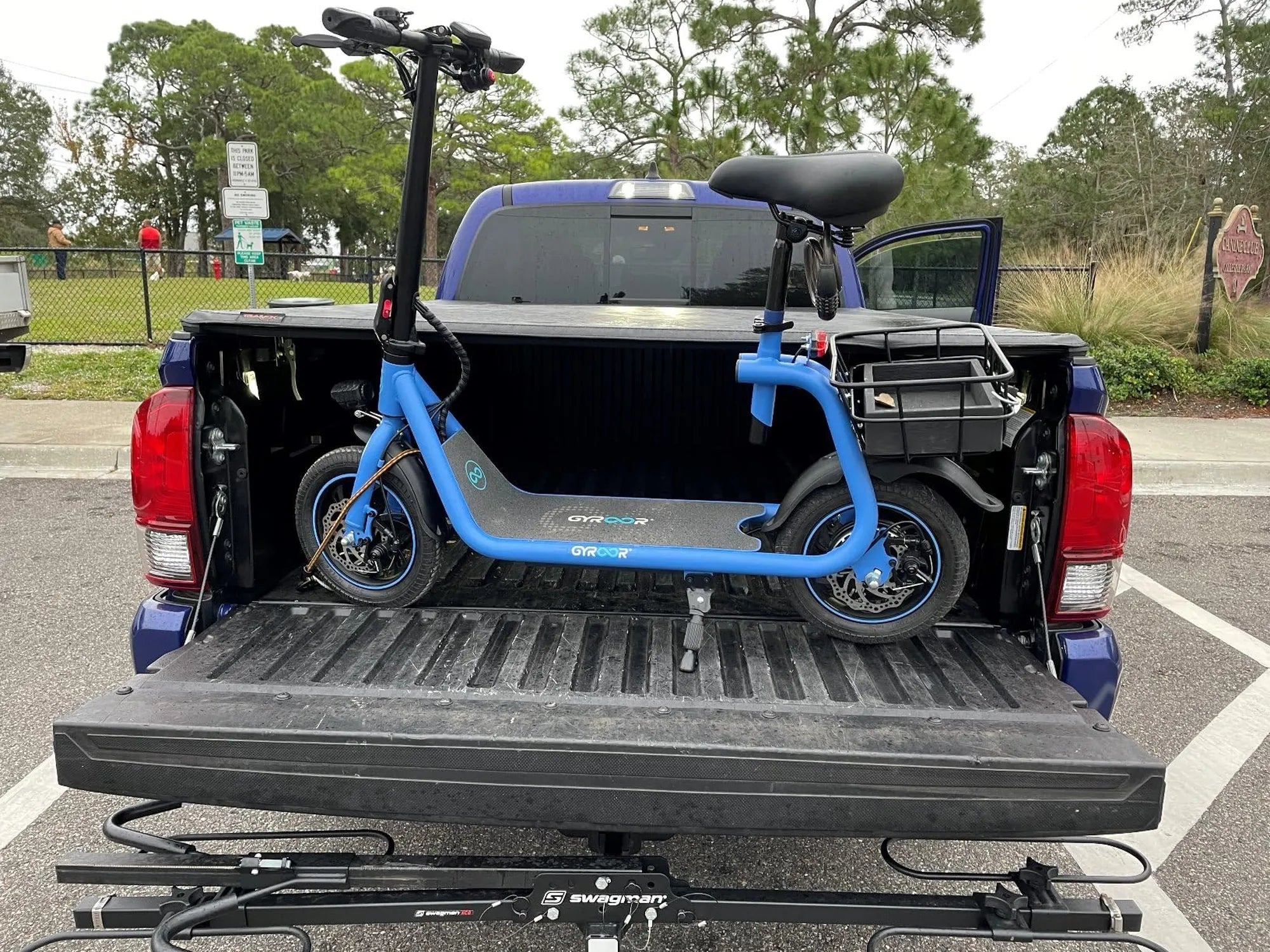
Introduction to 3-Wheel Off-Road Scooters
A 3 wheel off road scooter is a specialized electric vehicle engineered for stability and performance on unpaved, uneven terrain. Unlike standard city scooters, these trike-configuration machines feature a wide, triangular wheelbase and rugged components designed to conquer dirt paths, gravel trails, grass fields, and light sand. The growing demand stems from a desire for personal electric transport that offers both adventurous freedom and practical utility beyond the confines of smooth pavement.
This guide will dissect the engineering, capabilities, and ideal use cases for these robust machines. You will learn the definitive advantages of the three-wheel design, the critical specifications that separate true off-road models from imitators, and how to select a scooter that matches your terrain and adventure goals. We will ground our analysis in factual data, from motor torque and battery safety to suspension travel and water resistance ratings.
Why Choose a Three-Wheel Design for Off-Roading?
The fundamental shift from two to three wheels transforms the riding experience on unstable surfaces. A 3 wheel off road scooter prioritizes a low center of gravity and a wide footprint, creating a platform that is inherently more resistant to tipping. This configuration provides a significant confidence boost, especially when navigating ruts, rocks, or slippery slopes where a two-wheeler might falter.
For riders transitioning from pavement or those new to powered personal transport, the stability is immediately apparent. The trike design eliminates the need to balance at a standstill, making starts and stops on uneven ground far less daunting. This inherent stability does not come at the cost of fun; instead, it allows the rider to focus on the trail ahead with greater control and less fatigue.
Enhanced Stability and Safety
The core safety benefit of a 3 wheel off road scooter is its geometric resistance to lateral rollover. The three contact points form a stable triangle, dramatically increasing the threshold at which the vehicle will tip compared to a two-wheeled scooter. This is crucial when traversing side slopes, making sharp turns on loose gravel, or when one wheel encounters an unexpected obstacle like a large stone.
This stability is further enhanced by a strategically low deck and battery placement, which lowers the overall center of gravity. When combined with a longer wheelbase—common in these designs—the scooter feels planted and secure. This engineering directly translates to a safer ride, reducing the risk of falls and injuries, which is a paramount concern when riding away from smooth, predictable surfaces.
Superior Traction and Control
Traction is the currency of off-roading. A 3 wheel off road scooter often employs a wider rear axle or a dual-motor setup on the rear wheels to maximize the contact patch with the ground. The weight distribution across three wheels, rather than two, applies pressure more evenly, improving grip on loose or soft terrain like dirt, sand, and wet grass.
Many advanced models feature multiple driven wheels (either two rear wheels or all three wheels powered). This all-wheel-drive (AWD) or rear-wheel-drive (RWD) configuration ensures positive power delivery even if one wheel loses traction. The result is confident acceleration and hill-climbing ability where a single-driven-wheel scooter might simply spin out. The rider experiences a feeling of being firmly connected to the ground, enabling precise control over speed and direction.
Key Features to Look for in an Off-Road Trike Scooter
Not all three-wheeled scooters are built for genuine off-road use. Distinguishing a true trail-capable machine requires examining a checklist of hardened specifications. A real 3 wheel off road scooter is defined by its construction, power system, and protective features, all working in concert to handle sustained punishment.
Key metrics to scrutinize include motor wattage (continuous, not peak), battery certification, suspension travel, tire type and size, and the Ingress Protection (IP) rating. Compromising on any of these for a lower price often results in a vehicle that is unreliable, unsafe, or simply incapable of handling the advertised terrain. The following sections break down these non-negotiable features.
Rugged Construction and Terrain-Taming Tires
The frame is the skeleton. Look for high-grade materials like reinforced aluminum alloy or steel, known for withstanding torsional stress and impacts. A robust suspension system is non-optional; front and rear shock absorbers with ample travel (ideally 40mm or more) are essential to soak up bumps, roots, and potholes without transferring jolts to the rider or damaging internal components.
Tires are your first line of defense. For a true 3 wheel off road scooter, air-filled (pneumatic) tires are vastly superior to solid rubber. They provide crucial cushioning and a larger contact patch. Look for knobby, all-terrain tread patterns—often 10 inches in diameter or larger—that can dig into soft ground and clear debris. The combination of a sturdy frame, functional suspension, and proper tires defines the vehicle's fundamental ability to tackle rough ground.
Power, Range, and Water Resistance
Off-roading demands more power. A motor with a high continuous wattage rating (e.g., 500W, 800W, or more) is necessary to maintain speed on inclines and through resistive surfaces like thick grass or mud. Torque is particularly important for hill-climbing; check the manufacturer's stated gradeability percentage (e.g., 20-30%).
Range estimates based on pavement are misleading. On trails, constant acceleration, inclines, and soft surfaces drain batteries faster. Therefore, seek a scooter with a substantial battery capacity, measured in Watt-hours (Wh). A minimum of 360Wh is advisable for meaningful off-road exploration. Equally critical is water resistance. A rating of IPX5 or higher is essential, signifying protection against water jets from any direction. This allows you to confidently ride in wet conditions, through puddles, and after rain, ensuring the electronic systems are sealed against moisture and dust.
Safety and Warranty Considerations
Battery safety is paramount. Insist on models that use UL 2271 or UL 2842 certified battery packs. This independent certification tests for electrical, mechanical, and environmental safety, drastically reducing fire risk. Gyroor, for example, equips all its models with UL-certified batteries tested for over 500 charge cycles, a critical benchmark for long-term reliability.
Braking systems must be robust. A combination of a front disc brake and a rear electronic/regenerative brake offers strong, controllable stopping power on descents. Finally, a comprehensive warranty is a sign of manufacturer confidence. A trustworthy brand will offer at least a 1-year warranty covering the frame, motor, and battery, providing long-term peace of mind for your investment in a durable 3 wheel off road scooter.
Comparing Ride Profiles: 3-Wheel Off-Road vs. Traditional E-Scooters
Choosing between a specialized off-road trike and a standard commuter scooter depends entirely on your primary use case. They are tools designed for different jobs. The table below provides a clear, data-driven comparison of their key attributes.
| Attribute | 3-Wheel Off-Road Scooter | Traditional Commuter E-Scooter |
|---|---|---|
| Primary Terrain | Unpaved trails, grass, gravel, dirt | Paved roads, smooth bike paths |
| Stability | Exceptional; low risk of tipping | Good on smooth surfaces; requires balance |
| Tire Type | Large, pneumatic, knobby tires (10"+) | Smaller, solid or air-filled, smooth tread (8-10") |
| Suspension | Front & rear suspension with long travel | Often minimal or front-only suspension |
| Power Focus | High torque for hills and loose surfaces | Efficient speed for flat urban commuting |
| Portability | Heavier, less foldable due to robust build | Lighter, highly foldable for last-mile transport |
| Water Resistance | High (IPX5 or better) for all-weather use | Variable, often lower (IPX4) |
| Ideal User | Trail explorer, property owner, rough-path commuter | Urban commuter, city errand-runner |
As the table illustrates, a 3 wheel off road scooter is a purpose-built adventure and utility vehicle. It sacrifices some portability and pavement-optimized efficiency to gain unparalleled capability on rough ground. A traditional scooter excels in urban density but reaches its limits the moment the pavement ends.
Who is the 3-Wheel Off-Road Scooter Ideal For?
This vehicle serves distinct user profiles who share a common need: reliable electric mobility beyond smooth asphalt. The first group is property owners and managers. A 3 wheel off road scooter is perfect for quickly navigating large yards, farms, campuses, or warehouses, carrying tools, or inspecting land without getting bogged down.
Outdoor recreation enthusiasts form another core demographic. Whether it's exploring forest service roads, riding along beach access paths, or connecting segments on a camping trip, the scooter extends your range without the noise and footprint of a gas-powered vehicle. It's a quiet, eco-friendly way to immerse yourself in nature.
Commuters facing "the last rough mile" also benefit. If your journey includes poorly maintained roads, cobblestone streets, or unpaved shortcuts, a rugged trike provides a smooth, stable ride where a standard scooter would be uncomfortable or unsafe. Finally, it's an excellent choice for riders of all ages who prioritize stability and confidence above all, whether for recreational park riding or simply enjoying a more secure feel on varied surfaces.
FAQs About 3-Wheel Off-Road Scooters
Q: Is it legal to ride a 3 wheel off road scooter on public trails and parks?
A: Regulations vary widely by country, state, and even municipality. Always check local laws. Many public multi-use trails (for hiking/biking) permit low-speed electric vehicles, but motorized vehicle trails often do not. It is most commonly legal and acceptable on private property with permission.
Q: Can a 3 wheel off road scooter handle steep hills?
A> Yes, but capacity depends on motor torque and power. Look for the gradeability specification (e.g., 25% grade). A scooter with a 500W+ motor and good torque can typically handle moderate off-road hills. Steeper, sustained inclines may require a more powerful motor (800W+) or a model with dual motors for added torque.
Q: How does maintenance differ from a city scooter?
A> Off-road models require more frequent attention to tires and suspension. Regularly check pneumatic tire pressure and inspect for punctures or wear on the knobby tread. Clean the suspension springs or shocks of mud and debris. The frame and components should be wiped down after muddy rides to prevent corrosion.
Q: What is the real-world range I can expect off-road?
A> Expect 60-70% of the manufacturer's stated range, which is typically calculated under ideal pavement conditions. Aggressive riding on hills, soft dirt, or grass consumes more power. A scooter with a 25-mile pavement range might reliably achieve 15-18 miles on trails.
Q: Are these scooters safe for beginners?
A> The enhanced stability of a 3-wheel design makes them one of the safest electric scooter categories for beginners, especially off-road. The learning curve is less steep than for a two-wheeled scooter. However, beginners should always start at low speeds on easy terrain, wear a helmet and protective gear, and gradually progress to more challenging conditions.
Conclusion: Finding Your Path with Confidence
A 3 wheel off road scooter unlocks a unique category of electric mobility, blending adventure-ready capability with foundational stability. The choice ultimately hinges on aligning the machine's rugged specifications—its motor torque, battery safety, suspension, and tires—with the specific demands of your intended terrain. By prioritizing proven features like UL-certified batteries, IPX5+ water resistance, and a robust warranty, you invest in durability and safety.
This vehicle is not just about transportation; it's about expanding your accessible world, whether that's a sprawling backyard, a wooded trail, or a rugged commute. For over 100,000 riders, brands like Gyroor have demonstrated that reliable, well-engineered personal electric vehicles can provide years of dependable service. If your journey leads you off the beaten path, a properly equipped 3 wheel off road scooter is the tool that will take you there with confidence and control.
Ready to explore your options? Browse the full collection of rugged, UL-certified electric scooters and e-bikes designed for reliability at gyroorboard.com.
What is a Dirt Bike Classified As: The Legal and Functional Guide
Best Light Ebike: The Ultimate Guide to Lightweight Electric Bikes