

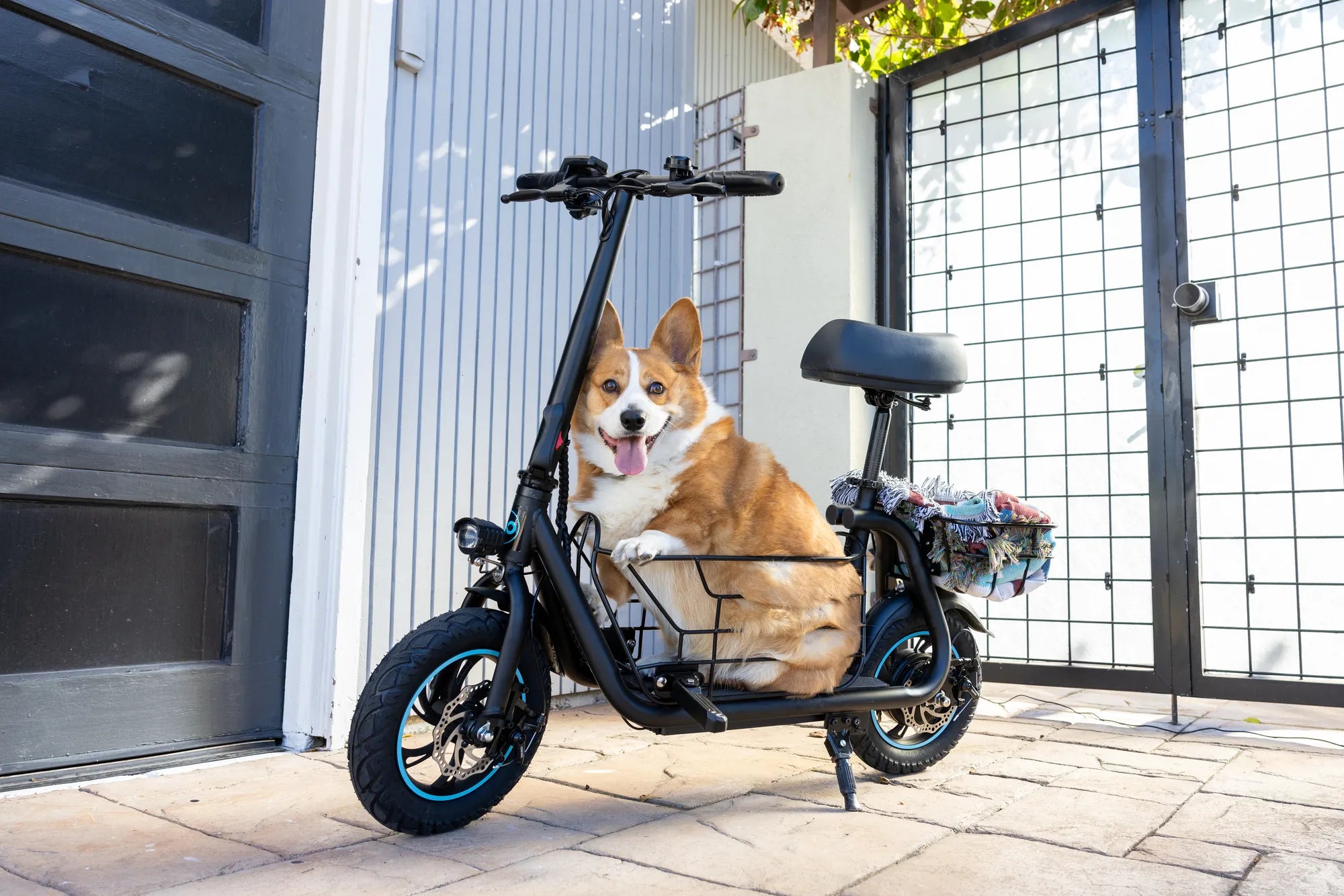
Electric bikes have revolutionized personal transportation, offering an eco-friendly and efficient way to commute, explore, or simply enjoy the outdoors. One of the most critical decisions when selecting an ebike is choosing the right voltage. The debate between 36V vs 48V ebikes is a common one, and understanding the differences can help you make an informed choice. Whether you're a daily commuter, a weekend adventurer, or someone looking for a fitness boost, this guide will help you determine which voltage is best for your riding style.
Understanding Ebike Voltage
Voltage is a measure of electrical potential, and in the context of ebikes, it directly impacts performance. Higher voltage generally means more power, but it also comes with trade-offs in weight, cost, and battery life. Let's dive into the specifics of 36V and 48V ebikes to see how they stack up.
Power and Performance
A 48V ebike delivers more power than a 36V model, making it better suited for riders who need extra torque for hills or heavier loads. The higher voltage allows the motor to draw more current, resulting in faster acceleration and better overall performance. If you frequently ride on steep terrain or carry cargo, a 48V system might be the way to go.
On the other hand, a 36V ebike is often sufficient for casual riders or those who primarily use their bike on flat terrain. These bikes are lighter and more affordable, making them a popular choice for beginners or those on a budget.
Speed and Range
Speed is another factor where 48V ebikes have an edge. The higher voltage allows the motor to reach higher speeds, though local regulations may limit how fast your ebike can legally go. Range, however, depends more on battery capacity (measured in amp-hours) than voltage alone. A 48V battery with the same capacity as a 36V battery will theoretically provide similar range, but the higher voltage system may drain the battery faster if you're using the extra power frequently.
Battery Life and Charging
Battery life is influenced by voltage, but also by how you use your ebike. 36V batteries tend to be smaller and lighter, which can be an advantage if you need to carry a spare or remove the battery for charging. They also typically charge faster due to their lower capacity.
48V batteries, while offering more power, are heavier and may take longer to charge. However, they often come with advanced management systems to optimize lifespan and performance.
Cost Considerations
Unsurprisingly, 48V ebikes are generally more expensive than their 36V counterparts. The higher voltage requires more robust components, including the motor, controller, and battery, all of which contribute to the higher price tag. If you're on a tight budget, a 36V ebike might be the more practical choice.
Which One Should You Choose?
The decision between a 36V and 48V ebike ultimately comes down to your specific needs. If you prioritize power and speed and don't mind the extra cost and weight, a 48V system is the way to go. But if you're looking for a lightweight, affordable option for casual riding, a 36V ebike will likely meet your needs just fine.
Ready to take your ride to the next level? Whether you choose a 36V or 48V ebike, you're investing in a greener, more efficient way to get around. The right voltage will depend on your riding style, terrain, and budget—so weigh your options carefully and enjoy the ride!
Pink Mini Dirt Bike: The Ultimate Guide for Young Riders and Enthusiasts
Electric Scooter: The Future of Urban Mobility and Sustainable Transportation