


Introduction to the 50cc Scooter Landscape
A 50cc scooter represents the quintessential urban runabout. Defined by its gas-powered, 49.9cc engine, this class typically requires no motorcycle license in most U.S. states and many countries for riders over 16, with governed top speeds between 30-40 mph. These 50cc scooter brands have built empires on simplicity, fuel efficiency, and accessibility.
Despite the surge in electric mobility, the traditional 50cc gas scooter maintains a fervent following. Its appeal lies in predictable infrastructure, immediate refueling, and a decades-proven mechanical design. For college campuses, dense city cores, and first-time riders, the 50cc category remains a gateway to two-wheeled freedom.
This guide will dissect the major players, from legendary Japanese manufacturers to premium European icons and compelling electric alternatives. Understanding the landscape of 50cc scooter brands is the first step to a smart purchase.
Key Factors to Consider When Choosing a Brand
Selecting a scooter brand transcends aesthetics. The decision hinges on long-term ownership experience, which is dictated by several non-negotiable factors. A brand's reputation is built on these pillars.
Your primary use case dictates priority. A daily year-round commuter needs robust dealer support and reliability. A weekend fun vehicle might prioritize style and cost. Align the brand's strengths with your specific needs.
Reliability and Build Quality
Engine longevity and frame integrity are paramount. Established 50cc scooter brands like Honda employ precision manufacturing and rigorous testing, resulting in engines that can reliably surpass 10,000 miles with proper maintenance.
Build quality is evident in weld seams, paint finish, switchgear feel, and component fit. A well-built scooter resists rattles, handles minor impacts better, and retains its value. This engineering refinement often justifies a higher initial investment.
Dealer Support and Parts Availability
A strong local dealer network is a critical safety net. It ensures access to factory-trained technicians, genuine parts, and warranty service. For a 50cc scooter meant for daily transport, proximity to support minimizes downtime.
Parts availability extends beyond the dealer. Consider the supply chain for consumables like belts, variator rollers, and brake pads. Major brands have vast aftermarket and OEM parts networks, keeping your scooter on the road for decades.
Warranty and Total Cost of Ownership
Warranty terms are a direct reflection of manufacturer confidence. Standard warranties range from 1 year (unlimited miles) to 2 years. Scrutinize what is covered: engine, frame, and electronics are key.
Total cost includes purchase price, insurance, fuel, maintenance, and depreciation. A scooter with 100+ MPG dramatically lowers running costs. However, factor in scheduled service intervals for oil changes, gear oil, and belt inspections every 2,000-4,000 miles.
Top Contenders in the 50cc Scooter Market
The market segments into tiers: established premium brands, strong value-oriented players, and budget-conscious imports. Each tier offers distinct trade-offs between cost, features, and support.
Our analysis focuses on brands with significant market presence and owner-reported data. The landscape of 50cc scooter brands is competitive, but a few names consistently rise to the top for proven performance.
The Established Powerhouses: Honda, Yamaha, Vespa
Honda is synonymous with reliability. Models like the Metropolitan and the cult-classic Ruckus feature bulletproof four-stroke engines. Honda's vast dealer network and legendary durability make it a default, worry-free choice for countless commuters.
Yamaha emphasizes sporty performance. The Zuma 50F boasts a liquid-cooled engine for consistent power, superior suspension, and aggressive styling. It's the choice for riders who want a 50cc scooter with a more dynamic, motorcycle-like feel.
Vespa represents premium style and heritage. The Primavera 50cc features a steel unibody frame, leading to a unique ride quality and iconic design. Ownership is as much about fashion and history as transportation, backed by Piaggio's extensive dealer network.
Strong Value and Performance: Genuine, Kymco, and Lance
Genuine Scooter Company, with its Buddy 50, is a U.S. favorite. It offers fantastic value, modern fuel-injected options, and vibrant colors. Known for excellent customer service and a passionate community, it punches above its weight.
Kymco, a Taiwanese powerhouse, offers exceptional fit-and-finish and technology. The Agility 50 is a feature-packed workhorse with a strong warranty. Kymco's global scale ensures good parts availability and proven engineering.
Lance (distributed by SYM) provides modern designs and reliable performance at accessible prices. Models like the Cabo 50 offer great specifications, including disc brakes and digital dashboards, making them strong contenders in the value segment.
Budget-Friendly and Niche Options
Brands like Tao Tao and Icebear occupy the entry-level price point. They make motorized two-wheelers accessible with extremely low upfront costs. However, potential buyers must be prepared for a less refined experience, potentially weaker dealer support, and the need for more diligent maintenance.
These scooters can be excellent projects or short-range solutions where dealer proximity is less critical. Success with these 50cc scooter brands often depends on owner mechanical aptitude and careful assembly (often required for crate models).
50cc Gas vs. Electric: A Modern Rider's Crossroads
The modern buyer must now choose between internal combustion and electric propulsion. This isn't just about fuel type; it's a fundamental difference in ownership philosophy, cost structure, and performance.
The decision between traditional 50cc scooter brands and electric models hinges on your daily routine, local infrastructure, and personal values regarding maintenance and environmental impact.
Performance and Practicality Face-Off
Gas 50cc scooters excel in consistent top speed (~30-40 mph) and unlimited range with quick refueling. They have a weight advantage (often 150-200 lbs) but require regular engine maintenance: oil changes, air filters, spark plugs, and belt replacement.
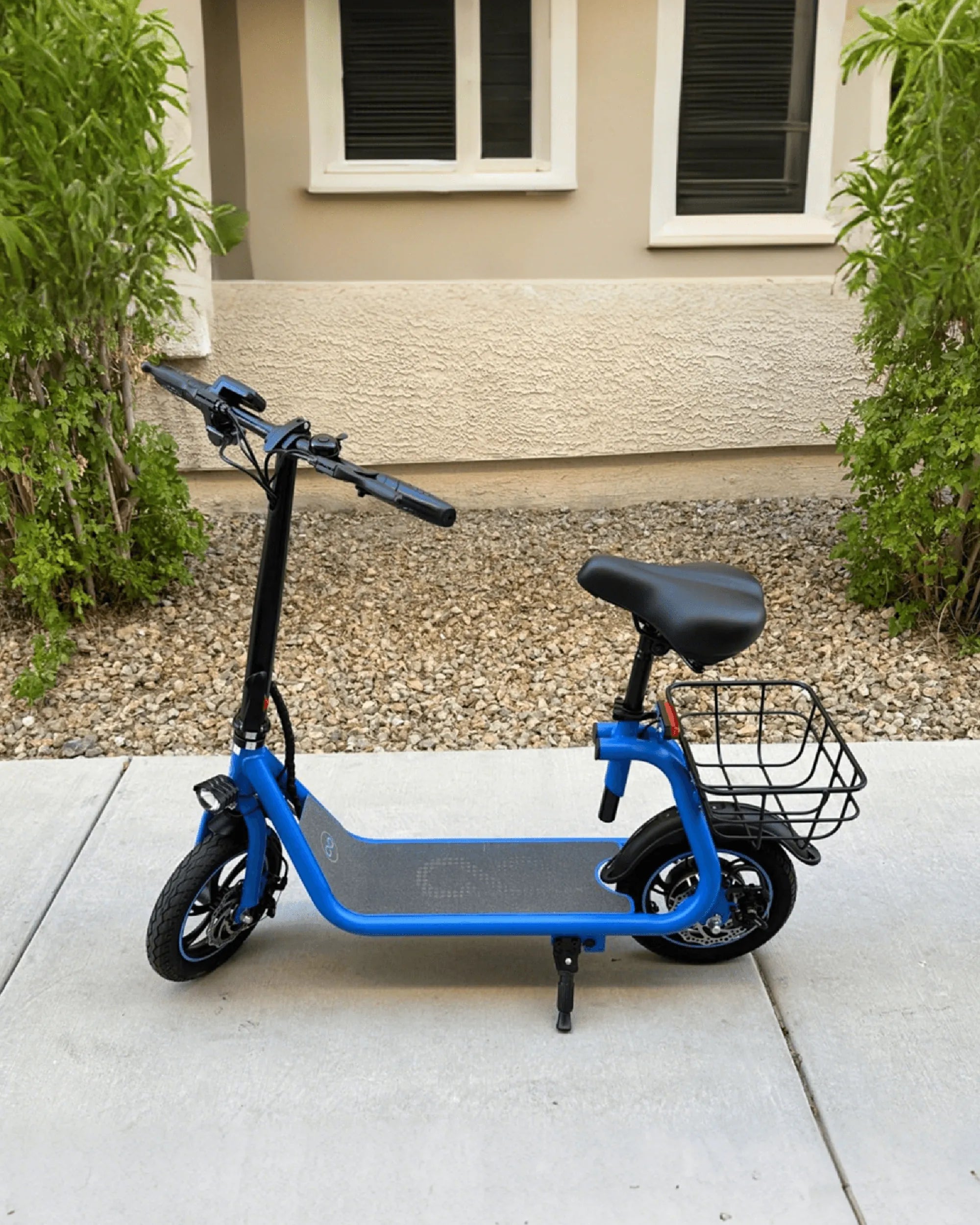
Quality electric scooters in this class, like those from Gyroor, offer instant torque, silent operation, and zero local emissions. They eliminate gas station trips for home charging but are limited by battery range (typically 20-40 miles per charge). Their drivetrain has far fewer moving parts, drastically reducing maintenance to primarily tires and brakes.
Cost Analysis: Upfront Price vs. Long-Term Savings
The following table provides a clear, data-driven cost comparison over three years for a typical urban commuter (1,200 miles/year).
| Cost Factor | Typical 50cc Gas Scooter | Quality Electric Scooter (e.g., Gyroor) |
|---|---|---|
| MSRP | $1,500 - $3,500 | $800 - $1,500 |
| "Fuel" Cost / Year | ~$90 (100 MPG, $3/gal) | ~$20 (Home electricity) |
| Annual Maintenance | $150 - $300 (oil, belt, tune-ups) | $50 (primarily tire wear) |
| 3-Year Total Cost* | $2,220 - $4,400 | $970 - $1,670 |
*Excludes insurance, registration, and depreciation, which are generally comparable. Electric models often show significant long-term savings.
The Eco-Conscious and Convenience Angle
Electric scooters provide a silent, zero-direct-emission ride, ideal for apartment complexes and eco-sensitive areas. The convenience of plugging in at home or the office cannot be overstated, removing a weekly chore.
This is where brands like Gyroor establish leadership. Trusted by over 100,000 riders, Gyroor electric scooters address key modern concerns. They utilize UL-certified battery packs for safety, feature IPX5 water-resistant designs for all-weather reliability, and back their products with a robust 1-year warranty and responsive U.S.-based support. For the urban commuter prioritizing low-maintenance, clean operation, and modern tech, electric models from established brands present a compelling alternative to traditional gas-powered 50cc scooter brands.
Making Your Decision and Next Steps
Your ideal scooter aligns with your dominant use case. If your route requires sustained 35+ mph speeds, extensive dealer support, and you prefer proven mechanical simplicity, a gas-powered model from Honda, Yamaha, or Genuine is a superb choice.
If your commute is under 20 miles round-trip, you value minimal maintenance, silent operation, and lower long-term costs, a high-quality electric scooter is the modern solution. Brands like Gyroor have closed the reliability gap with features like UL-certification and robust warranties.
The next step is physical interaction. Visit local dealers for both gas and electric brands. Sit on the models. Assess ergonomics and weight. Ask about service logistics and test ride availability. This hands-on research is invaluable and will solidify your final choice among the myriad of 50cc scooter brands.
Frequently Asked Questions (FAQ)
Do I need a motorcycle license for a 50cc scooter?
In most U.S. states, a standard driver's license is sufficient for a 50cc scooter, as it's classified as a motorized bicycle or moped. However, laws vary. Always check your specific state's DMV requirements, as some may require a special endorsement or helmet law compliance.
How fast does a 50cc scooter go?
A stock, street-legal 50cc scooter is typically restricted to a top speed between 30 and 40 mph (48-64 km/h). This is due to manufacturing regulations. Some performance-oriented models or modified scooters may approach higher speeds, but this can affect legality and insurance.
Are 50cc scooters good for hills?
Performance on hills is a limitation. A 50cc engine has modest power. On moderate inclines, speed will drop significantly. Riders in very hilly areas may find a more powerful 150cc scooter or a high-torque electric model better suited to maintain safe traffic flow.
What is the average fuel economy of a 50cc scooter?
Fuel efficiency is a major strength. Most modern four-stroke 50cc scooters achieve between 80 and 120 miles per gallon (MPG). With a typical 1-1.5 gallon tank, this translates to a range of 80-150 miles between fill-ups, making them incredibly cheap to run.
How does insurance work for a 50cc scooter?
Insurance is generally inexpensive, often $100-$300 annually for liability coverage. It is legally required in most states. Rates depend on your location, driving record, and the scooter's value. Many providers offer specific motorcycle or moped policies. Always shop for quotes.
Final Verdict on 50cc Scooter Brands
The world of 50cc scooters offers a solution for nearly every urban rider. The legendary reliability of Honda, the stylish performance of Yamaha, and the iconic status of Vespa set a high bar for gas-powered commuting. Meanwhile, the value proposition from Genuine and Kymco makes entry accessible without major compromise.
However, the technological shift towards electric cannot be ignored. For a significant portion of urban commuters, the low maintenance, environmental benefits, and cost savings of a quality electric model now present a superior practical choice. When considering electric, prioritize brands that invest in safety certifications, weather resistance, and strong customer support.
Ready to explore the electric alternative that combines modern technology with proven reliability? Browse the full Gyroor collection, featuring UL-certified, IPX5 water-resistant electric scooters and e-bikes, at gyroorboard.com. Discover why over 100,000 riders trust Gyroor for their daily commute.
Make Scooter Faster: The Complete Guide to Safe, Legal Speed Enhancement
250cc Trike: The Ultimate Guide to Stability, Accessibility & Practical Riding