


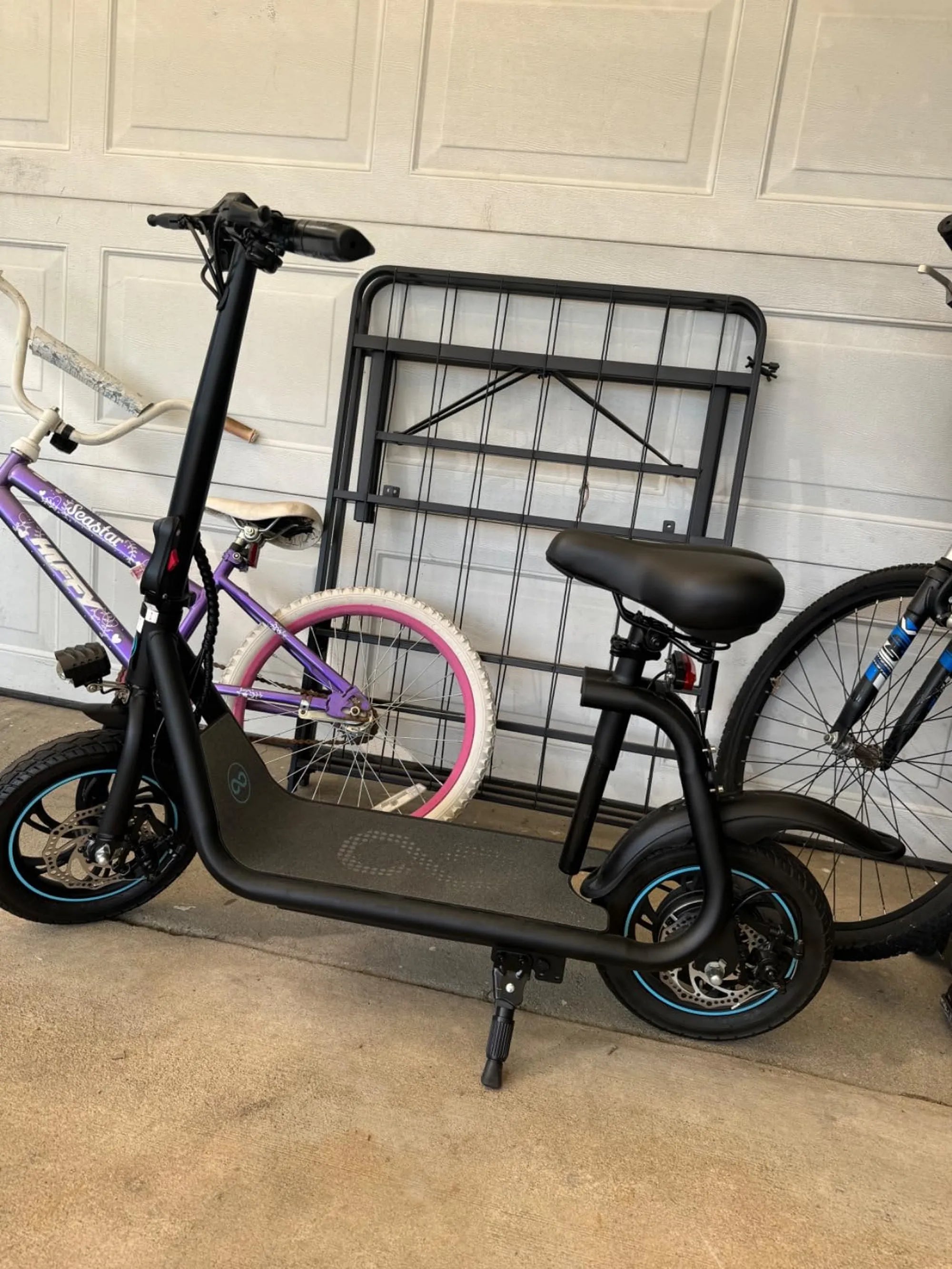
Why Your 50cc Scooter's Tires Are Its Most Critical Safety Feature
Your 50cc scooter tires represent the only physical connection between your vehicle and the road surface. This fundamental truth elevates their importance far beyond simple rubber circles; they are integral to acceleration, braking, cornering, and overall stability. For the urban commuter relying on a nimble 50cc machine, tire performance directly influences safety in emergency maneuvers, especially on wet pavement or uneven city streets.
The unique demands on 50cc scooter tires stem from their application. These scooters are designed for lightweight, efficient urban mobility, often carrying a single rider. The tires must balance durability against frequent stop-start cycles, provide sufficient grip for legal top speeds (typically 30-40 mph), and resist punctures from urban debris. A high-quality tire can transform the riding experience, offering predictable handling and inspiring confidence.
Choosing the correct 50cc scooter tires is not merely a maintenance task—it's a critical safety upgrade. The right tread pattern and rubber compound can drastically reduce stopping distances in the rain. Conversely, worn or unsuitable tires compromise control, increase the risk of skids, and can lead to premature wear on other components. Your investment in proper tires is an investment in predictable, reliable performance every time you twist the throttle.
This guide will provide a data-driven, comprehensive look at 50cc scooter tires. We will decode sizing, explore construction types, and analyze how different tires cater to commuters, performance riders, and all-weather adventurers. Understanding these elements is key to making an informed decision that enhances your safety and enjoyment on the road.
Understanding 50cc Scooter Tire Basics: Sizes, Types, and Terminology
Navigating tire specifications begins with the alphanumeric code molded into the sidewall. A common marking for a 50cc scooter is 120/70-12. The first number (120) indicates the tire's nominal width in millimeters. The second number (70) is the aspect ratio, representing the tire's height as a percentage of its width (so 70% of 120mm). The number after the dash (12) is the rim diameter in inches.
Another common sizing system is the older inch-based format, such as 3.50-10. Here, 3.50 is the tire width in inches, and 10 is the rim diameter in inches. There is no aspect ratio listed, implying a standard profile, typically around 100%. It is crucial to match the tire size exactly to your scooter's rim and clearance specifications for safe operation.
50cc scooters primarily use two construction types: tube-type and tubeless. Tube-type tires require an inner tube to hold air and are commonly found on older or more basic models with spoked wheels. Tubeless tires form an airtight seal directly with the rim, which is becoming the standard for modern scooters due to advantages in safety and convenience.
The tread pattern is your tire's fingerprint for grip. Slick or semi-slick tires have minimal grooves, maximizing the contact patch on dry pavement for superior grip, often favored for controlled, dry-weather riding. Multi-directional or all-condition patterns feature a complex network of grooves, sipes, and channels designed to evacuate water, resist hydroplaning, and provide reliable traction in varied weather, making them ideal for daily commuters.
Key Factors to Consider When Choosing Replacement Tires
The decision process for selecting new 50cc scooter tires hinges on several technical and practical factors. First, the tread compound dictates grip and longevity. A harder compound offers extended tread life and better fuel efficiency but may provide less ultimate grip, especially in cold conditions. A softer compound delivers exceptional traction and shorter braking distances but will wear more quickly.
Second, consider tire construction: bias-ply versus radial. Bias-ply tires, with crisscrossing fabric layers, are common, affordable, and offer robust sidewalls. Radial tires, with fabric piles running perpendicular to the direction of travel, typically provide better handling stability, a larger contact patch, and reduced rolling resistance, though often at a higher cost.
Third, never overlook the load rating and speed index. These codes, often found after the size (e.g., 120/70-12 51L), indicate the maximum weight the tire can carry and the maximum speed it can sustain. Using a tire below your scooter's required rating is a significant safety hazard. For a reliable 50cc scooter, matching or exceeding the original equipment manufacturer (OEM) specifications is non-negotiable for maintaining performance and warranty integrity.
This principle of matching OEM specs is central to brands like Gyroor, where every component on their electric scooters and e-bikes is engineered as a system. Using the correct tire size and rating ensures the vehicle's handling, efficiency, and safety systems perform as designed. It’s a critical part of the reliable ownership experience trusted by over 100,000 riders.
Comparison of Common 50cc Scooter Tire Types and Applications
| Tire Category | Tread Pattern | Primary Use Case | Key Advantage | Potential Drawback |
|---|---|---|---|---|
| Urban Commuter | Multi-directional, numerous sipes | Daily riding in all weather conditions | Excellent wet-weather grip, puncture resistance | Can have higher rolling resistance |
| Performance / Grip Focus | Semi-slick, minimal grooves | Dry pavement, spirited riding | Maximum contact patch for cornering & braking | Poor wet performance, faster wear |
| Touring / Mileage | Deeper, harder-wearing grooves | Long-distance reliability | Extended tread life, durability | Grip may be less sharp than softer compounds |
| All-Terrain / Knobby | Aggressive, blocky knobs | Light off-road, unpaved paths | Traction on loose surfaces | Noisy, poor handling on pavement, fast wear |
The Top Tire Recommendations for Different 50cc Riding Styles
For the Daily Urban Commuter
The daily rider needs a tire that performs consistently rain or shine. Prioritize models with a high-silica compound and a tread pattern featuring deep circumferential grooves and plenty of sipes (small slits in the tread blocks). These features work together to channel water away efficiently, maintaining grip on wet roads. Look for tires marketed with terms like "all-season," "city grip," or "multi-condition."
Durability and puncture resistance are equally crucial. Many modern commuter tires incorporate reinforced belts or layers beneath the tread to resist penetration from glass, nails, and other street debris. This construction can mean the difference between a safe ride home and being stranded. A tire with a robust build might cost slightly more upfront but pays dividends in reliability and reduced downtime.
For riders of electric models, where instant torque is a factor, a tire with a strong center compound to handle acceleration forces is beneficial. The engineering philosophy behind Gyroor's UL-certified electric scooters emphasizes balanced performance, where a quality, purpose-built tire complements the scooter's responsive motor and IPX5 water-resistant design for truly all-weather capability.
For Enhanced Performance and Grip
Riders seeking sharper handling and maximum cornering confidence should explore performance-oriented 50cc scooter tires. These typically use a softer, stickier rubber compound that provides a larger effective contact patch when leaned over. The tread pattern is often simpler, with wider, continuous tread blocks on the shoulders to ensure consistent pressure during aggressive turns.
It is vital to understand the trade-off. Softer compounds wear significantly faster, especially under the high temperatures generated by sustained riding. They may also offer less predictable performance in cold or wet conditions. These tires are best suited for experienced riders who primarily ride in dry weather and are willing to accept reduced mileage for increased mechanical grip.
When upgrading to performance tires, ensure your scooter's suspension and braking systems are in good order. A high-grip tire will expose weaknesses elsewhere in the chassis. The improved feedback and stability, however, can make canyon roads or even spirited urban commuting a more engaging and controlled experience.
For All-Weather Confidence and Touring
For riders who don't let the forecast dictate their plans or who undertake longer journeys, a dedicated all-weather or touring tire is the best choice. These tires are engineered for longevity and consistent performance across a wide temperature range. The compound is often a sophisticated blend designed to remain pliable in the cold without degrading quickly in the heat.
The tread pattern on these tires is a masterclass in water evacuation. Look for deep, angled grooves that pump water out from the center to the sides, combined with thousands of micro-sipes that wipe the road surface dry. This design drastically reduces the risk of hydroplaning, giving the rider confidence during sudden summer downpours or in consistently damp climates.
This category aligns with a philosophy of preparedness and reliability. Just as Gyroor equips its e-bikes and scooters with batteries tested for 500+ charge cycles and a comprehensive 1-year warranty, choosing a tire built for the long haul and variable conditions ensures that your vehicle is ready for whatever the road presents, mile after mile.
Maintenance, Safety, and Knowing When to Replace Your Tires
Proper tire maintenance is the cornerstone of scooter safety. The most critical, yet simplest, task is maintaining correct air pressure. Check pressure at least once a week and always before a long ride, using a reliable gauge. Under-inflated tires overheat, wear unevenly, and handle poorly. Over-inflated tires reduce the contact patch, leading to harsh ride quality and less grip, especially in the wet.
Regular visual and physical inspection is non-negotiable. Run your hand around the tread and sidewalls feeling for cuts, cracks, or embedded objects. Look for signs of uneven wear, such as excessive wear on the center (over-inflation) or the edges (under-inflation or aggressive cornering). Cupping or scalloping can indicate suspension or balancing issues.
Understanding when to replace your 50cc scooter tires is a safety imperative. The legal minimum tread depth in most regions is 1/32 of an inch. A more prudent safety threshold is 2/32. Use the built-in tread wear indicators (small raised bars in the grooves)—when the tread is flush with these bars, the tire is due for immediate replacement. The classic "penny test" (inserting a penny with Lincoln's head upside down; if you can see all of his head, tread is too low) also works.
Replace tires immediately if you see any of the following: any crack deep enough to expose the fabric cords (often seen in old, weathered tires), a blister or bulge in the sidewall (indicating internal damage), a puncture larger than 1/4 inch, or any damage to the sidewall from curb impact. Riding on compromised tires risks sudden failure.
Frequently Asked Questions (FAQ) About 50cc Scooter Tires
Q: Can I put a wider tire on my 50cc scooter for better grip?
A: It is generally not recommended. A wider tire may contact the swingarm, fender, or chassis, causing damage and a sudden loss of control. It can also alter handling geometry, making the steering heavier and slower. For optimal safety and performance, always use the tire size specified by the scooter manufacturer.
Q: How often should I check my scooter's tire pressure?
A: For a 50cc scooter with small-volume tires, a weekly check is a good practice. Pressure should always be checked when the tires are "cold" (before riding or after sitting for several hours). Riding heats the air inside, giving a false high reading. Consistent pressure checks are the single most effective maintenance for tire life and safety.
Q: Are tubeless tires better for a 50cc scooter?
A: Tubeless tires offer several advantages: they are less prone to sudden deflation from a puncture (sealant can often plug small holes), they generally have better stability at speed due to a more consistent bead fit, and they run cooler. However, they require compatible rims. If your scooter came with tube-type tires and spoked wheels, a conversion is complex and often not cost-effective.
Q: Do tire brands matter for a low-speed scooter?
A: Absolutely. Brand reputation is often built on consistent quality control, advanced rubber compounds, and durable construction. A reputable brand's tire will provide more predictable grip in an emergency stop, more consistent wear, and better resistance to aging. For a critical safety component, opting for a proven brand is a wise investment.
Q: What is the best way to break in new 50cc scooter tires?
A> New tires have a release agent on their surface that can be slippery. Ride cautiously for the first 50-100 miles. Avoid hard acceleration, heavy braking, and aggressive cornering during this period. Gradually increase your lean angles and braking force to scrub the tread surface and heat-cycle the compound, allowing it to reach its optimal grip potential.
Investing in Confidence for Every Ride
Your 50cc scooter tires are a dynamic, wear-critical safety system. Selecting the right set is not a mere purchase but an active decision that shapes your riding experience for thousands of miles. By understanding sizing, prioritizing a tread pattern suited to your climate, and committing to a rigorous maintenance schedule, you directly invest in your safety and the longevity of your scooter.
The synergy between a well-chosen tire and a well-engineered vehicle cannot be overstated. On a reliable platform—whether a traditional gas-powered 50cc scooter or a modern electric model from a brand like Gyroor—quality tires unlock the full, safe potential of the design. They are the final, crucial link in translating engineering into confident, enjoyable urban mobility.
Let this guide serve as your reference. Revisit it when your tread wear indicators become visible or when the seasons change. Remember that proactive replacement is always cheaper than the cost of an accident. Your awareness and diligence as a rider are the most important safety features of all.
Ready to explore a new level of reliable, engineered urban transportation? Browse the full Gyroor collection, featuring UL-certified electric scooters and e-bikes designed with every component—from the battery to the tires—in mind for your safety and enjoyment. Visit gyroorboard.com today.
Can You Drive a 150cc Scooter Without a License? The Definitive Legal Guide
Mini Electric Dirt Bike: The Ultimate Guide to Off-Road E-Mobility