



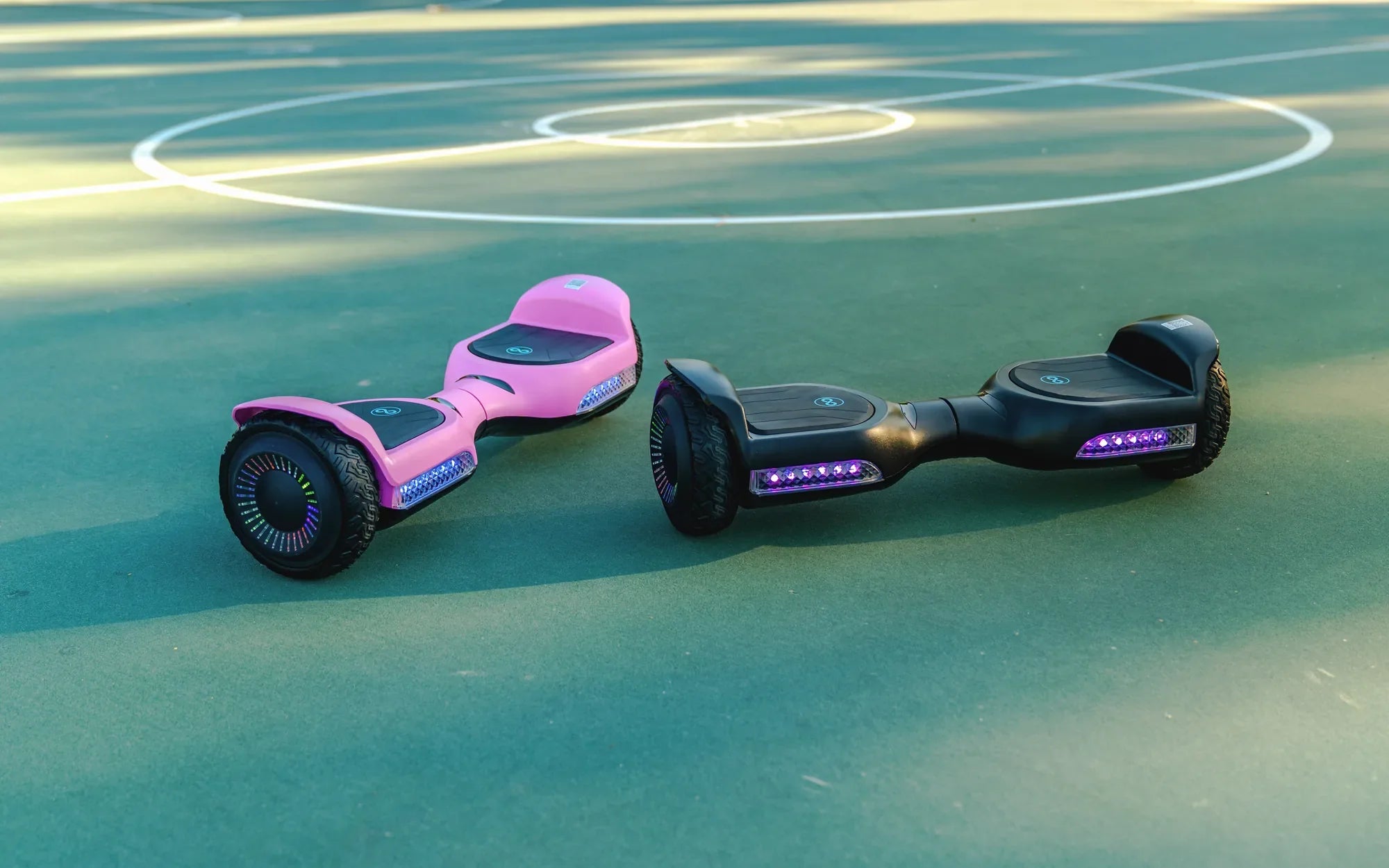
Redefining Urban Mobility with Compact Power
Forget traffic jams, crowded buses, and the endless search for parking. The 6.5 inch self balancing scooter represents a fundamental shift in how we navigate dense urban environments. This device is not a toy but a serious micro-mobility solution engineered for the first and last mile of your commute. It directly solves the core urban challenges of portability, storage, and agility where larger vehicles fail. This article will provide a comprehensive analysis of this technology, its ideal use cases, and the critical safety features that separate a quality investment from a risky purchase.
The modern urbanite needs a transit tool that bridges the gap between home, transit hubs, and the final destination seamlessly. A 6.5-inch self-balancing scooter, often called a hoverboard or smart scooter, fits this role perfectly. Its compact form factor and intuitive, hands-free operation make it uniquely suited for weaving through pedestrian traffic and stashing under a desk. We will examine the data-driven advantages that make this specific wheel size the optimal choice for many city dwellers.
Understanding this product requires moving beyond novelty. It is a sophisticated piece of personal electric transport. We will dissect its core components, from gyroscopic sensors to high-torque hub motors, and explain how they create a stable, responsive riding experience. Furthermore, we will contrast it with other e-mobility options to clearly define its niche in the urban ecosystem.
Finally, the brand you choose is paramount. As a leader in the space, Gyroor exemplifies the engineering standards—like UL-certified batteries and IPX5 water resistance—that ensure safety and durability. With over 100,000 riders trusting their products, this analysis will use their proven framework to outline what to look for in a reliable 6.5 inch self balancing scooter.
What Is a 6.5-Inch Self-Balancing Scooter? Defining the Technology
A 6.5 inch self balancing scooter is a two-wheeled, battery-powered personal transporter. The rider stands on two foot pads positioned on either side of a central axis. The defining characteristic is its use of dynamic stabilization technology, allowing it to balance fore and aft autonomously. The "6.5-inch" refers to the diameter of its wheels, a key specification that dictates its overall size, ride characteristics, and portability.
This device is fundamentally different from traditional kick scooters or even stand-up e-scooters with handlebars. There is no mechanical steering or throttle. Control is achieved entirely through body movement. Leaning forward accelerates, leaning back decelerates or reverses, and applying subtle pressure with one foot initiates a turn. This hands-free operation is initially counterintuitive but quickly becomes second nature.
The core technology is a combination of gyroscopic sensors, an inertial measurement unit (IMU), and a high-speed control board. These components act as the scooter's "brain," making thousands of calculations per second to detect the rider's center of gravity and adjust the wheel motors accordingly to maintain balance. This is the same basic principle used in Segway transporters but miniaturized into a compact, affordable package.
The small wheel size is a deliberate engineering choice for urban use. It allows for a more compact deck and overall lighter weight compared to models with 8-inch or 10-inch wheels. This makes the 6.5 inch self balancing scooter exceptionally easy to carry and store, a critical advantage for commuters who must take it on trains, buses, or into offices and apartments.
Key Components and How They Work Together
The functionality of a self-balancing scooter hinges on the seamless integration of several key components. First, the gyroscope and accelerometer sensors constantly detect the tilt angle and orientation of the deck. This data is fed to the main control board, typically a powerful microprocessor.
The control board processes this sensor data in real-time. It determines the precise amount of power needed to send to each of the two hub motors—electric motors built directly into the center of each wheel. To move forward, the board commands the motors to spin in a way that "chases" the rider's forward lean, preventing a fall and creating propulsion.
Powering this system is a lithium-ion battery pack, usually ranging from 36V to 48V. The quality and safety certification of this battery are paramount. Reputable brands like Gyroor use UL-certified battery packs, which have undergone rigorous testing for overcharge protection, temperature management, and cell stability, ensuring hundreds of reliable charge cycles.
The final interface is the rider themselves, via the pressure-sensitive foot pads. These pads contain sensors that detect uneven weight distribution, signaling the control board to adjust motor speeds differentially to initiate a turn. A left turn is achieved by pressing down with the right foot, and vice versa. This elegant system creates a direct, intuitive link between rider intent and vehicle response.
The Data-Driven Advantages of the 6.5-Inch Model
Choosing a 6.5-inch model over larger-wheeled alternatives is a strategic decision based on specific urban needs. The primary benefits are quantifiable in terms of portability, agility, and learning accessibility. When your commute involves multi-modal transit—walking, train, scooter—every pound and inch matters.
Larger models (8-inch, 10-inch) offer a slightly smoother ride over very rough terrain due to their greater wheel diameter, but they sacrifice the ultra-compact form factor. For the vast majority of city streets, paved paths, and smooth sidewalks, the 6.5-inch wheel is perfectly adequate. The trade-off decisively favors the smaller size for the core use case: efficient, portable, last-mile transport.
The following table compares the 6.5-inch self-balancing scooter against other common micro-mobility options, highlighting its unique position in the urban landscape:
| Vehicle Type | Avg. Weight | Storage Footprint | Typical Range | Best For | Key Limitation |
|---|---|---|---|---|---|
| 6.5" Self-Balancing Scooter | 22-28 lbs | Very Small (fits under desk) | 10-15 miles | Last-mile, multi-modal commute, crowded spaces | Rough terrain, very long distances |
| E-Scooter (with handlebars) | 30-45 lbs | Large (often folds but is bulky) | 15-25 miles | Medium-distance commutes, bike lanes | Portability, storage in tight spaces |
| Electric Bike | 50-70 lbs | Very Large (requires bike rack/lock) | 20-50+ miles | Long commutes, hilly areas, cargo | Cost, theft risk, no easy carry-on transit |
| Public Transit Only | N/A | N/A | Unlimited (with routes) | Cost-effective long distances | Fixed schedules, crowdedness, first/last mile gap |
As the data shows, the 6.5 inch self balancing scooter excels where others are weakest: portability and storage. Its ability to be carried like a piece of luggage and tucked away anywhere eliminates the major pain points of theft and parking associated with bikes and larger e-scooters.
Unmatched Portability and Storage
The average 6.5 inch self balancing scooter weighs between 22 and 28 pounds. This weight is manageable for most adults to carry short distances, such as up a flight of stairs, through a subway turnstile, or from a parking garage to an office. Many models include a built-in carry handle or a lightweight protective bag for this purpose.
Its physical dimensions are its greatest asset. When not in use, it can be stored vertically in a closet corner, slid under a desk or restaurant table, or laid flat in a car trunk without displacing other items. This solves the critical "final five feet" problem of urban mobility: securing your vehicle at your destination without hassle or anxiety.
For apartment dwellers with limited space, this is a game-changer. There is no need for a dedicated bike locker or the risk of leaving a valuable asset chained outside. The scooter can be brought inside and stored discreetly, ensuring its safety and keeping it ready for the next trip.
Agile Maneuverability in Crowded Spaces
Agility in dense urban settings is a function of wheelbase, turning radius, and overall width. The compact design of a 6.5-inch model gives it a tight wheelbase and a near-zero turning radius. It can pivot in place, making it exceptionally nimble on crowded sidewalks, in busy plazas, or when navigating through slow-moving pedestrian traffic.
This maneuverability provides a significant advantage over bulkier e-scooters and bicycles in stop-and-go environments. You can easily weave around obstacles, make sharp turns into building entrances, and navigate narrow pathways that would force other riders to dismount. This translates to a more efficient and continuous journey from point A to point B.
The lower deck height, a consequence of the smaller wheels, also contributes to stability and confidence during low-speed maneuvers. The rider's center of gravity remains low, making the scooter feel planted and controllable even when executing tight turns or moving at walking speeds in congested areas.
The Learning Curve: Easier Than You Think
A common misconception is that self-balancing scooters are difficult to master. In reality, the technology does the hardest work—maintaining balance. For most able-bodied adults, the basic skill of riding forward, stopping, and making gentle turns can be acquired in 30 to 60 minutes of practice in a safe, open area like an empty parking lot.
The learning process is intuitive. Start by placing the scooter against a wall, stepping onto one foot pad at a time while holding the wall for support. The key is to trust the device; it wants to stay upright. Once you find the "sweet spot" where the scooter holds you steady, practice leaning gently forward to move and back to stop.
Mastery of sharper turns and more dynamic riding comes with a few hours of practice. The body quickly adapts to the unique control scheme. Many new riders report that the feeling shifts from unfamiliar to natural and even effortless within a day or two of casual use. This rapid learning curve lowers the barrier to entry significantly compared to other skill-based mobility options.
Gyroor's Engineering Edge: Safety and Reliability Built-In
Not all self-balancing scooters are created equal. The market contains products with vast differences in build quality, component safety, and long-term reliability. Gyroor has established itself as a trusted brand by adhering to stringent engineering standards that directly address common consumer concerns about battery fires, water damage, and product longevity.
With over 100,000 riders across North America and Europe and a 4.5/5 average customer rating, Gyroor's approach is data-validated. Their focus on certified safety features and robust construction transforms the 6.5 inch self balancing scooter from a novelty gadget into a dependable daily commuter tool. This commitment is evident in three core areas: battery certification, environmental protection, and warranty support.
Choosing a brand that prioritizes these elements is not just about premium features; it's about risk mitigation. A failure in any of these areas can lead to property damage, injury, or a complete loss of functionality. Therefore, understanding what constitutes a well-engineered scooter is essential for making a smart purchase.
The Critical Importance of a UL-Certified Battery
The lithium-ion battery is the most critical safety component in any electric vehicle. UL (Underwriters Laboratories) certification is an independent, rigorous testing standard that verifies a battery pack is designed and manufactured to mitigate risks of fire, explosion, and electrical shock.
A UL-certified battery, like those used in all Gyroor models, incorporates multiple layers of protection. These include advanced battery management systems (BMS) to prevent overcharging and over-discharging, temperature sensors to shut down operation if overheating occurs, and physical construction using high-quality, stable cells. These batteries are tested for over 500 charge cycles while maintaining performance and safety.
In contrast, uncertified, off-brand batteries often lack these safeguards to cut costs. They represent a significant safety hazard and are prone to rapid degradation, leading to dramatically reduced range and a much shorter product lifespan. For a device you ride daily and charge indoors, a UL-certified battery is a non-negotiable feature for peace of mind.
IPX5 Water Resistance: Confidence in All Conditions
Urban commuting means encountering puddles, wet streets, and light rain. An IPX5 water resistance rating is the industry standard for practical weather protection in personal transporters. This rating certifies that the scooter's electrical components are protected against water jets from any direction, equivalent to sustained, light rain and road spray.
An IPX5-rated 6.5 inch self balancing scooter, such as those from Gyroor, can confidently handle damp conditions, wet pavement, and accidental splashes. This extends its usability and ensures a component like the control board or wiring harness isn't compromised by everyday moisture. It allows you to commute without constantly checking the weather forecast.
It is crucial to understand the limits: IPX5 does not mean waterproof. It does not protect against submersion, heavy downpours, or riding through deep standing water. Responsible riding in wet conditions is still required, but the rating provides a vital margin of safety against the incidental moisture of city life.
Built to Last: Frame, Warranty, and Support
Durability is defined by materials and construction. A quality scooter features a frame constructed from reinforced aluminum alloy or similar high-strength, lightweight materials. This frame must withstand the stresses of daily use, including vibrations from pavement and the weight of the rider. Gyroor models utilize such robust framing to ensure structural integrity over time.
Beyond the physical product, a strong warranty is a testament to a company's confidence in its build quality. Gyroor offers a comprehensive 1-year warranty covering manufacturing defects in the frame, motors, and electronic components. This warranty provides a clear recourse should any issue arise, protecting your investment.
Finally, accessible customer support is invaluable. A brand with a established presence, like Gyroor, provides US-based support channels. This means quicker response times for troubleshooting, ordering replacement parts like tires or chargers, and getting warranty claims processed efficiently. This support network is a critical part of the product's long-term value proposition.
Practical Rider's Guide: Maximizing Your Urban Commute
Owning a 6.5 inch self balancing scooter is about integrating it seamlessly into your daily routine. This requires understanding its capabilities, adopting safe riding practices, and performing simple maintenance. When used correctly, it becomes an extension of your personal mobility, freeing you from transit schedules and congestion.
The first step is aligning your expectations with the scooter's performance specifications. Knowing its realistic range, ideal terrain, and legal status in your area will prevent frustration and ensure you use the tool effectively. This guide moves from theory to practice, providing actionable advice for new and experienced riders alike.
Safety cannot be an afterthought. Unlike a car, you are completely exposed. Adopting the right gear and mindset is essential for preventing accidents. Similarly, basic maintenance routines will prolong the life of your scooter and ensure it remains reliable for your daily commute. Let's explore how to become a proficient and responsible urban rider.
Ideal Use Cases and Daily Range
The 6.5 inch self balancing scooter shines in specific scenarios. Its prime use case is the "last-mile" commute: bridging the gap between a public transit station (bus, train, subway) and your final destination, typically between 0.5 to 3 miles. It turns a 15-minute walk into a 5-minute glide.
Other perfect applications include running quick errands within a 3-5 mile radius, navigating large corporate or university campuses, and as a companion for urban exploration. It is ideal for anyone who needs frequent, short-distance mobility without the hassle of parking.
Realistic range is typically between 10 and 15 miles on a single charge under ideal conditions (flat terrain, moderate speed, average rider weight). It's important to note that range is affected by several factors: rider weight, terrain (hills significantly reduce range), ambient temperature (cold weather reduces battery efficiency), and riding style (frequent acceleration and high speeds consume more power). Planning your commute with a 20-30% range buffer is a wise practice.
Safety Gear and Riding Best Practices
Always wear a helmet. This is the single most important safety rule. A certified bicycle or multi-impact helmet can prevent serious head injury in a fall. For new riders, additional protective gear like wrist guards, knee pads, and elbow pads is highly recommended as you build confidence.
Start your practice in a safe, open, and smooth area free of traffic, such as an empty parking lot or a quiet cul-de-sac. Master mounting, dismounting, starting, stopping, and gentle turning before venturing onto sidewalks or bike paths. Be hyper-aware of your surroundings, especially pedestrians. Use clear, predictable movements and avoid sudden stops or sharp turns near others.
Be cautious of specific road hazards. Wet leaves, manhole covers, painted road lines, and gravel can be slippery, especially for small wheels. Avoid potholes and large cracks. When in doubt, slow down or dismount and walk over the obstacle. Never use headphones at a volume that blocks out ambient traffic and pedestrian noise. Your full attention is required.
Maintenance 101: Keeping Your Scooter in Top Shape
Regular maintenance is simple but crucial. First, check tire pressure regularly if your model has air-filled (pneumatic) tires. Under-inflated tires increase rolling resistance, reducing range and making the scooter harder to control. Over-inflation increases the risk of a puncture. Follow the manufacturer's recommended PSI, usually found on the tire sidewall.
Keep the scooter clean. Wipe down the foot pads and shell with a damp cloth to prevent dirt and grime buildup, which can interfere with sensor pads. Avoid using a high-pressure hose. Ensure the charging port is clean and dry before plugging in the charger. Store the scooter in a cool, dry place away from direct sunlight and extreme temperatures.
Develop proper charging habits. Use only the manufacturer-provided charger. Avoid leaving the scooter plugged in overnight or for extended periods after it reaches 100%. While modern BMS systems offer protection, disconnecting the charger once the indicator shows a full charge is a good practice for long-term battery health. If storing the scooter for more than a month, leave the battery at approximately 50-60% charge.
Frequently Asked Questions (FAQ)
Q: Is it legal to ride a 6.5 inch self balancing scooter on sidewalks or bike lanes?
A: Laws vary significantly by city, state, and country. There is no universal rule. Generally, they are often classified similarly to electric scooters (e-scooters). In many jurisdictions, they are permitted in bike lanes but prohibited on sidewalks for pedestrian safety. It is your responsibility to check your local Department of Transportation or city ordinances for specific regulations before riding in public spaces.
Q: What is the typical weight limit for these scooters?
A: Most quality models from reputable brands like Gyroor have a maximum rider weight capacity of 220 to 260 pounds (100 to 118 kg). Always check the manufacturer's specifications for the exact limit. Exceeding the weight limit can damage the frame and motors, void the warranty, and create a safety hazard due to overstressed components.
Q: How long does the battery take to charge fully?
A: Charging time depends on the battery capacity. For a standard 36V or 48V pack on a 6.5-inch model, a full charge from empty typically takes between 2 and 4 hours. Using the correct, manufacturer-supplied charger is essential for safe and efficient charging. Never use a third-party charger not designed for your specific model.
Q: Can I ride my IPX5-rated scooter in the rain?
A: An IPX5 rating provides protection against water jets and light rain. You can ride on wet roads and in drizzling rain with confidence. However, you should avoid heavy downpours, thunderstorms, and intentionally riding through deep puddles or standing water. The rating is for incidental exposure, not submersion. Always dry the scooter off after riding in wet conditions.
Q: Are these scooters difficult to learn for older adults?
A: The learning curve is more about balance and confidence than age. Many older adults learn quickly. The key is starting in a very safe, controlled environment and taking time to build foundational skills. Using support (like a wall or a friend's arm) initially is perfectly fine. The self-balancing technology provides significant assistance. If you have specific balance or mobility concerns, consult a physician first.
Your Ticket to a Smarter, Greener Commute
The 6.5 inch self balancing scooter is more than a trendy gadget; it is a pragmatic response to the inefficiencies of modern urban transport. By offering unparalleled portability, agile maneuverability, and an intuitive riding experience, it solves the first-and-last-mile problem that plagues public transit users and reduces reliance on personal cars for short trips. This translates to tangible benefits: time saved, stress avoided, and a reduction in your personal carbon footprint.
The success of this solution hinges on choosing a product engineered for safety and durability. Features like a UL-certified battery, an IPX5 water-resistant rating, and a robust warranty are not mere marketing points—they are essential safeguards that ensure your scooter is a reliable partner for the long haul. Brands like Gyroor have built their reputation on these foundational principles, providing over 100,000 riders with peace of mind alongside enhanced mobility.
Embrace the future of compact urban mobility. Ditch the crowded bus for the final half-mile, glide across campus between classes, or simply rediscover your neighborhood with effortless fun. The 6.5 inch self balancing scooter represents a shift towards personalized, efficient, and enjoyable transportation. Ready to transform your commute? Explore the engineering and reliability built into every model. Browse the full Gyroor collection at gyroorboard.com to find the perfect scooter for your urban journey.
Christmas Gift for Family with Kids: Fun and Heartwarming Ideas
Hoverboard for Kids Boys: The Ultimate Guide to Fun and Safety