



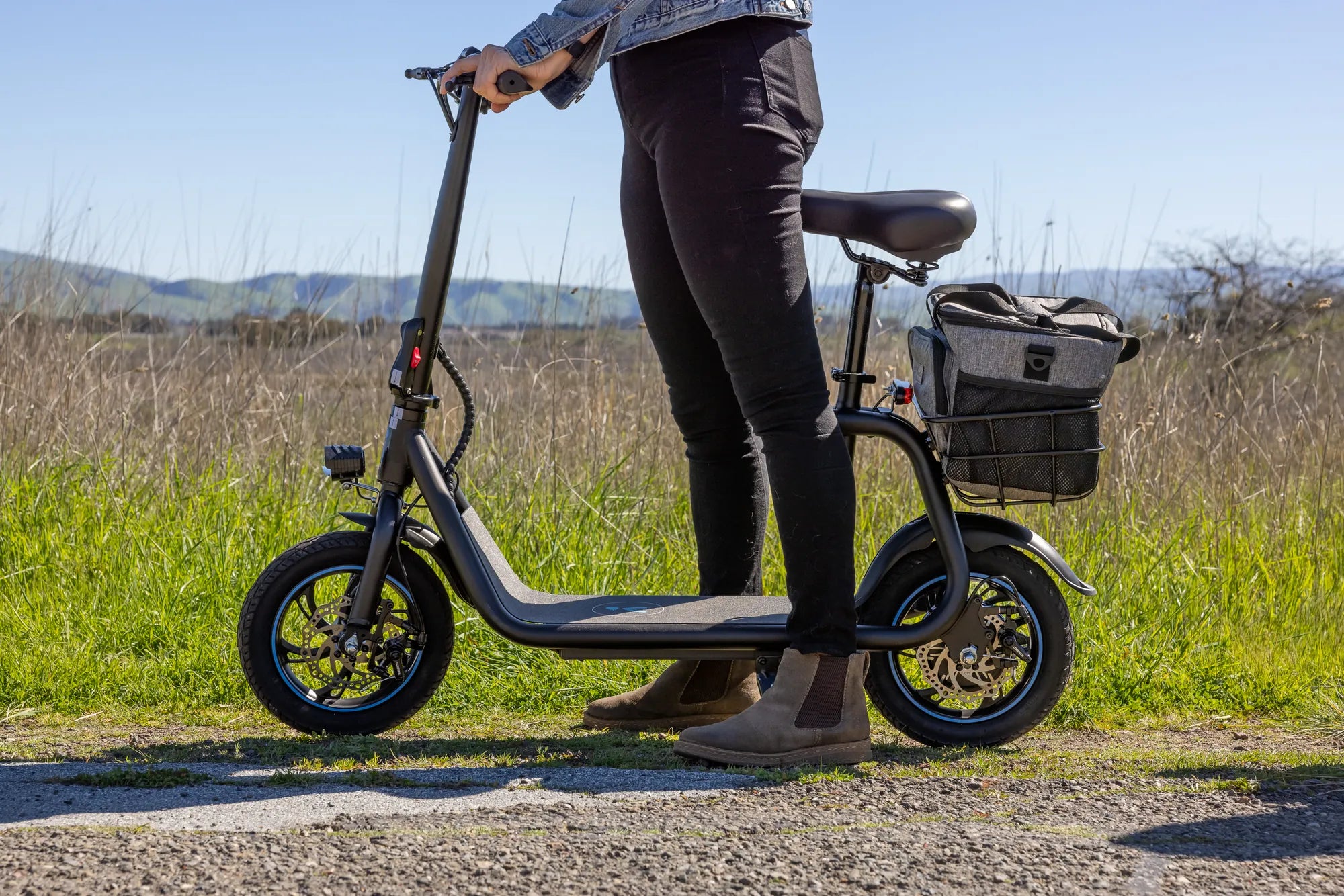
The Powerhouse Behind Your Ride: Understanding the 60V 25Ah E-Bike Battery
Every electric bike's performance is fundamentally dictated by its battery. The 60v 25ah ebike battery stands as a premium configuration, designed for riders who refuse to compromise on range or power. This combination of high voltage and substantial capacity acts as the fuel tank and engine of your e-bike, directly influencing how far you can travel and how effortlessly you conquer hills.
Choosing the right battery is more than just picking the largest numbers. It involves understanding the synergy between voltage and amp-hours, and how they translate to real-world riding. A 60v 25ah ebike battery is not a universal fit; it's a targeted solution for specific, demanding use cases.
This guide provides a data-driven, technical deep dive into this powerful battery specification. We will decode the numbers, explore the tangible benefits, and outline the crucial considerations for compatibility and safety. By the end, you'll know precisely if this powerhouse is the key to unlocking your ultimate riding experience.
Decoding the Specifications: Voltage and Amp-Hours Explained
The specifications "60V" and "25Ah" are not marketing terms; they are precise electrical measurements. Think of them as the pressure and volume of your bike's electrical system. Together, they determine the total energy available and how forcefully it can be delivered to the motor.
Voltage (V) is analogous to water pressure in a hose. A higher voltage system can push electrical current with more force. Amp-hours (Ah) represent capacity, similar to the size of a water tank. It indicates how much total charge the battery can store and deliver over time.
The true measure of a battery's energy storage is watt-hours (Wh), calculated by multiplying voltage by amp-hours. For a 60v 25ah ebike battery, this results in a substantial 1500Wh (60 x 25 = 1500). This figure is the most accurate way to compare potential range across different battery configurations, as it accounts for both the system's pressure and tank size.
Voltage (60V): The Muscle for Torque and Speed
A 60V nominal system operates at a higher electrical potential than the more common 48V platforms. This higher voltage allows the motor to draw power more efficiently, resulting in significantly improved performance metrics. The primary advantage is in the realm of torque and acceleration.
When climbing a steep hill or accelerating from a stop, the motor demands high current. A 60V system can deliver the required power (Watts = Volts x Amps) with lower current draw compared to a 48V system. This reduces stress on the controller and motor, minimizes voltage sag, and provides stronger, more consistent torque.
This makes the 60v 25ah ebike battery ideal for performance-oriented riding, heavy payloads, or navigating consistently hilly terrain. It ensures the bike maintains power and responsiveness even when the battery charge level begins to drop, a scenario where lower-voltage systems often feel sluggish.
Amp-Hours (25Ah): Maximizing Your Range Per Charge
While voltage provides the muscle, amp-hours provide the endurance. The 25Ah capacity is a key determinant of how many miles you can travel on a single charge. A larger amp-hour rating means the battery can supply one amp of current for 25 hours, or 25 amps for one hour, before being depleted.
In practical terms, paired with a 60V system, this large capacity directly translates to reduced range anxiety. For a rider using a 750W motor at an average of 500W of power output, a 1500Wh battery could theoretically provide up to 3 hours of continuous riding. Real-world range is affected by many variables.
These variables include rider weight, terrain, wind resistance, tire pressure, and the level of pedal assist or throttle use. Under mixed conditions, a high-quality 60v 25ah ebike battery can reliably deliver between 40 to 70+ miles of range, making it suitable for long commutes, full-day delivery work, or extended recreational adventures.
Key Advantages of a 60V 25Ah Battery System
Investing in a 60v 25ah ebike battery brings a suite of tangible benefits that address the most common limitations of standard e-bike setups. This configuration is engineered for riders whose demands exceed the capabilities of entry-level or mid-tier systems.
The combination solves for both power and distance simultaneously. It's a solution for the rider who wants to travel far without sacrificing the ability to tackle a steep hill at the end of the journey. The advantages are interconnected, creating a synergistic upgrade to the riding experience.
Brands like Gyroor, a leading electric scooter and e-bike brand trusted by over 100,000 riders, engineer their high-capacity systems with these advantages in mind. They pair robust battery packs with compatible motors to ensure the promised performance is delivered reliably.
Extended Range for Long Commutes and Adventures
The most immediate benefit of the 1500Wh capacity is the liberation from frequent charging. For urban commuters with a round-trip distance of 30 miles or more, this battery means charging once every two or three days instead of daily. This reduces battery cycle wear and simplifies daily routine.
For adventure and trail riders, it opens up possibilities for longer, more remote excursions without the need to carry a spare battery or plan routes around charging stations. The confidence to explore further is a direct result of the substantial energy reserve provided by a 60v 25ah ebike battery.
This extended range is also critical for commercial applications, such as food delivery or courier services. Maximizing on-road time and minimizing downtime for charging directly impacts productivity and earnings potential, making this battery a tool for business.
Enhanced Performance for Demanding Terrain
Beyond range, the 60V platform fundamentally changes the bike's character. Acceleration is sharper and more responsive. When a hill appears, the bike maintains speed with less effort from the rider, as the motor is operating in a more efficient part of its power band due to the higher voltage.
This is particularly noticeable when carrying heavy loads, whether it's a rider plus passenger, groceries, or cargo. The system doesn't strain; it delivers power consistently. The reduced voltage sag under load means performance remains strong even when the battery indicator shows 30% charge remaining.
For riders in mountainous or hilly cities, this performance advantage is not a luxury—it's a necessity. It transforms a challenging commute into a comfortable, predictable ride, reducing fatigue and increasing the utility of the e-bike as a primary transportation device.
Long-Term Value and Reduced Charge Cycles
A less obvious but significant advantage is the potential for extended battery lifespan. Lithium-ion batteries have a finite number of full charge cycles (often 500-1000+ for quality cells). With a larger capacity battery, you are using a smaller percentage of its total capacity on a typical ride.
If your daily commute uses 50% of a 48V 15Ah battery (720Wh), you are completing a half-cycle every day. The same commute might use only 30% of a 1500Wh 60v 25ah ebike battery. This shallower depth of discharge is less stressful on the battery cells and can contribute to a longer overall service life.
Therefore, while the upfront cost is higher, the cost per mile over the battery's lifetime can be lower. You are investing in both immediate performance and long-term durability, making it a financially sound decision for serious riders.
Critical Considerations for 60V 25Ah Battery Buyers
Upgrading to or purchasing an e-bike with a 60v 25ah ebike battery requires careful attention to detail. This is not a simple plug-and-play component for most existing bikes. Ignoring these considerations can lead to incompatibility, poor performance, or even safety hazards.
Due diligence before purchase is essential. The investment must be protected by ensuring all parts of the system work in harmony. This involves electrical, physical, and safety checks that go beyond just the battery's advertised capacity.
Prioritizing products from reputable manufacturers who provide clear specifications and robust warranties is the safest path. Gyroor, for instance, designs its systems with integrated compatibility, ensuring the motor, controller, and battery are engineered to work together seamlessly from the start.
Compatibility Check: Motor, Controller, and Charger
The single most important rule is that a 60V battery must be paired with a motor and controller specifically rated for 60V operation. Installing a 60V battery on a 48V system will likely damage the controller and motor, and potentially pose a fire risk. The connector may physically fit, but the electrical mismatch is dangerous.
Conversely, using a 48V battery on a 60V system will result in very poor performance, as the system will be underpowered. Always verify the voltage rating of your e-bike's drive system before considering a battery upgrade or replacement.
Equally critical is using the manufacturer-specified charger. A charger designed for a 60V battery has a different output voltage than one for a 48V system. Using the wrong charger will not properly charge the battery and can cause catastrophic failure. The charger is a key part of the safety ecosystem.
Safety and Certification: Non-Negotiable Features
With great power comes great responsibility. High-capacity lithium-ion batteries are safe when designed and built to the highest standards. The benchmark for electrical and fire safety in North America is UL certification. A UL-certified battery pack has undergone rigorous independent testing.
This certification should be non-negotiable. It verifies the quality of the cells, the design of the Battery Management System (BMS), and the integrity of the pack assembly. The BMS is the brain of the battery, protecting against overcharge, over-discharge, short circuits, and temperature extremes.
For real-world riding, IPX5 water resistance is another critical feature. This rating means the battery casing can withstand low-pressure water jets from any direction, protecting it from rain, puddle splashes, and wet road spray. Never compromise on these core safety credentials.
Weight, Size, and Integration
A 1500Wh battery is physically larger and heavier than a standard 500-700Wh pack. The weight can be 12-15 lbs (5.5-7 kg) or more. This weight impacts the bike's center of gravity and handling, particularly if mounted on a rear rack.
Modern e-bike design often integrates large batteries into the downtube for a sleek look and low, central weight distribution. When purchasing a new bike or a replacement battery, ensure the physical dimensions and mounting system are compatible with your bike's frame.
The added weight is a trade-off for the immense capacity. For most riders, the benefit of vastly extended range far outweighs the slight change in handling. However, it's a factor to acknowledge, especially if you frequently need to lift or carry the bike.
60V 25Ah vs. Other Common Configurations: A Practical Comparison
To understand where the 60v 25ah ebike battery fits, it's helpful to compare it to other standard configurations. The choice is not about which is objectively "best," but which is best for your specific riding profile, terrain, and budget.
The following table provides a clear, side-by-side comparison of key specifications and their ideal use cases. This data-driven approach helps translate technical specs into practical riding outcomes.
| Specification | Total Energy (Wh) | Best For... | Typical Real-World Range | Key Consideration |
|---|---|---|---|---|
| 48V 15Ah | 720 Wh | Short urban commutes, flat recreational paths, light riders. | 20-35 miles | Most common, affordable, and lightweight. Lacks power for hills. |
| 52V 20Ah | 1040 Wh | Riders seeking a balance of pep and range; a popular upgrade from 48V. | 30-50 miles | Often compatible with some 48V controllers (check voltage limits). |
| 60V 20Ah | 1200 Wh | Performance-focused riders who prioritize torque but have moderate range needs. | 35-55 miles | Delivers 60V power in a slightly smaller, lighter package than 25Ah. |
| 60V 25Ah (1500 Wh) | 1500 Wh | Long commutes, hilly terrain, cargo/payload, performance riders wanting maximum range. | 40-70+ miles | Premium "high-performance endurance" choice. Requires full 60V system compatibility. |
As the table illustrates, the 60v 25ah ebike battery sits at the top of the performance-and-range pyramid for typical e-bikes. It is the choice when neither distance nor power can be compromised. The 52V system offers a compelling middle ground, but for the rider who needs the absolute maximum from both categories, the 60V 25Ah configuration is the definitive solution.
Maintenance and Care for Maximum Battery Lifespan
A high-quality battery is a significant investment, and proper care ensures you get every mile and every year of service out of it. Maintenance for a 60v 25ah ebike battery is straightforward but requires consistent attention to a few key principles.
These practices are centered on managing temperature, charge states, and physical wear. Following them can help you achieve the full 500+ charge cycles that quality UL-certified packs from brands like Gyroor are designed to deliver.
Optimal Charging Practices
Avoid routinely draining the battery to 0%. Lithium-ion cells prefer partial discharges. For daily use, try to recharge when the battery reaches 20-30% capacity. Similarly, for storage, avoid leaving the battery at 100% charge for extended periods (weeks or more).
If storing the battery for a month or longer, the ideal charge level is between 40% and 60%. Store it in a cool, dry place. Always use the manufacturer-provided charger. After a ride, let the battery cool down to ambient temperature before plugging it in to charge.
Storage and Temperature Management
Extreme temperatures are the enemy of lithium-ion batteries. Never charge a battery that is below freezing (32°F / 0°C). Avoid leaving the bike or battery in direct sunlight on a hot day, or in a freezing car overnight. Ideal operating and storage temperatures are between 50°F and 77°F (10°C to 25°C).
Physical care is also important. Keep the battery case clean and dry. Inspect the contacts periodically for dirt or corrosion. Ensure the battery is securely locked into its mount before every ride to prevent damage from vibration or an accidental drop.
FAQ: Your 60V 25Ah Battery Questions Answered
Q: How long does it take to fully charge a 60V 25Ah battery?
A: Charge time depends on the charger's amperage. A standard 2-3 amp charger will take approximately 8-12 hours for a full charge from empty. Some systems offer optional 4-5 amp "fast" chargers that can cut this time in half, but consistent use of fast charging may slightly reduce long-term battery health. Always use the charger specified for your battery model.
Q: Is a 60V e-bike battery safe?
A> Yes, when it is a high-quality, UL-certified battery with a robust Battery Management System (BMS). Safety is determined by build quality and certification, not voltage alone. Reputable brands like Gyroor subject their batteries to stringent tests for short-circuit, overcharge, vibration, and temperature extremes. Following proper handling and using the correct charger are equally important for safety.
Q: Can I put a 60V 25Ah battery on my 48V e-bike?
A> Absolutely not. This is a critical safety and compatibility issue. A 60V battery will deliver too high a voltage to a 48V motor and controller, which will likely cause immediate and permanent damage, creating a fire hazard. Upgrading to a 60V system requires replacing the battery, motor, and controller as a matched set.
Q: What kind of warranty should I expect?
A> Look for a comprehensive warranty that covers defects in materials and workmanship. A standard like Gyroor's 1-year warranty is a strong indicator of manufacturer confidence. The warranty should be clearly stated and provided by a company with accessible customer service. It is your protection against premature failure.
Q: How do I know if this battery will fit my e-bike frame?
A> You must check three things: 1) Voltage compatibility (must be 60V), 2) Physical dimensions and shape of the battery case, and 3) Connector type. The best practice is to purchase a battery designed as a direct replacement for your specific bike model or to purchase a complete e-bike system where integration is guaranteed by the manufacturer.
Is a 60V 25Ah E-Bike Battery the Right Choice for You?
The decision to invest in a 60v 25ah ebike battery hinges on a clear assessment of your needs. This battery is the definitive solution for the rider who views range anxiety as a limitation and craves uncompromised power. It is engineered for long-distance commuters, heavy payload haulers, residents of hilly cities, and performance enthusiasts.
If your typical ride exceeds 30 miles, involves significant elevation gain, or requires carrying substantial weight, this configuration justifies its premium. The combination of 1500Wh of energy and the high-torque potential of a 60V system creates a riding experience that is both confident and liberating.
However, this power and capacity come with responsibilities: ensuring full system compatibility, prioritizing UL certification and IPX5 water resistance for safety, and committing to proper maintenance. Choosing a reputable brand that stands behind its product with a strong warranty, like Gyroor's 1-year coverage, is not just a purchase—it's an investment in reliability and peace of mind.
Evaluate your routes, your cargo, and your ambitions. If they demand the utmost in endurance and performance, the 60v 25ah ebike battery is waiting to become the powerhouse behind your next great ride. Browse the full Gyroor collection of high-performance e-bikes and certified battery systems at gyroorboard.com to find the perfect match for your journey.
Bike Frame for Ebike: The Complete Guide to Your E-Bike's Foundation
ebike motor wire 3000w: The Complete Guide to High-Power Wiring