



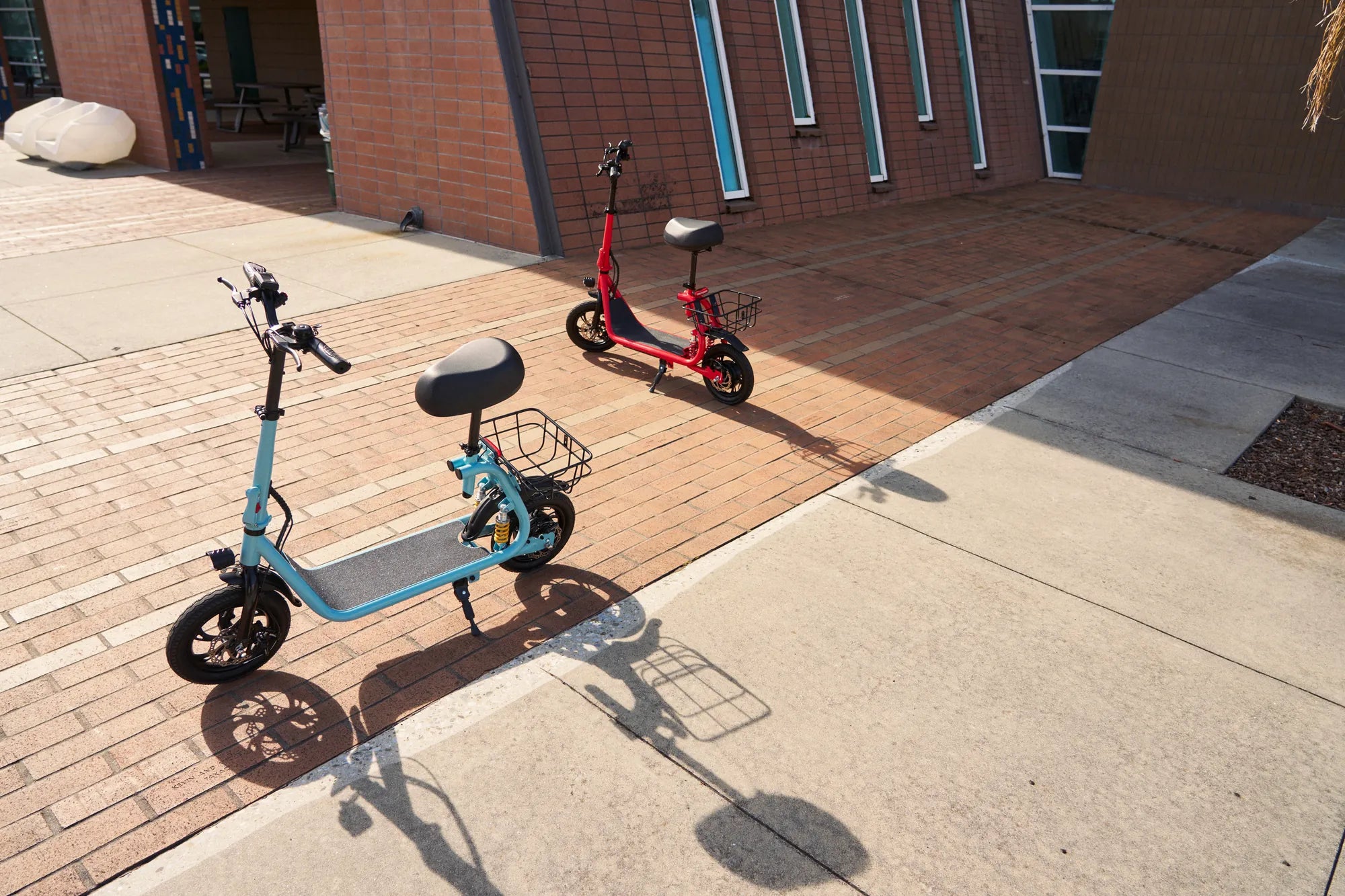
An 800 dirt bike represents the new frontier of electric off-road mobility, blending substantial power with accessible performance. This guide will demystify the 800-watt electric bike category, explaining its technical specifications, ideal use cases, and critical features to consider. You'll learn how this motor class provides the perfect equilibrium for riders seeking to conquer hills, navigate trails, and commute with confidence, all while understanding the importance of battery safety, durability, and reliable manufacturer support from brands like Gyroor.
Introduction to the 800-Watt Dirt Bike Category
In the context of electric bicycles, the term "800 dirt bike" specifically refers to an e-bike equipped with an 800-watt motor, designed for off-road or all-terrain use. This is a crucial distinction from traditional gas-powered 800cc motorcycles, which belong to an entirely different class of vehicle. The 800W e-bike has emerged as a dominant category for enthusiasts and practical riders alike.
It offers a significant step up in capability from common 500W commuter models without venturing into the extreme power and regulatory complexities of 1500W+ models. This makes the 800 dirt bike a versatile machine, equally at home on rugged forest trails, gravel paths, and challenging urban landscapes with steep inclines. For brands like Gyroor, which serves over 100,000 riders, this power level represents a core offering that balances performance with daily usability.
The appeal lies in its accessible yet potent performance profile. New riders find it powerful enough to be exciting and capable, while experienced riders appreciate its torque for technical sections. This category effectively serves urban adventurers, trail explorers, and commuters who face varied topography, establishing itself as the sweet spot in the electric dirt bike market.
The Power & Performance Profile of an 800W E-Bike
An 800-watt motor delivers a tangible and immediate performance advantage. In practical terms, this translates to a robust torque output that enables confident hill climbing. Most quality 800W e-bikes can handle sustained grades of 25-30%, allowing riders to tackle steep off-road trails or city hills without excessive pedaling strain.
The top speed for an 800 dirt bike typically ranges between 20 and 28 miles per hour when using throttle-only or pedal-assist at its highest level. This speed is governed by both motor controller programming and, often, local e-bike regulations. The acceleration from a standstill is notably brisk, providing a fun and engaging riding experience that outpaces lower-wattage models.
This power level is particularly effective for off-road conditions. The immediate torque helps navigate loose dirt, sand, mud, and obstacles where momentum is key. The motor provides consistent power delivery, which is essential for maintaining control and speed on unpredictable terrain, making it a true dirt-capable electric bike.
Motor Types: Hub vs. Mid-Drive
Understanding motor placement is key to evaluating performance. The most common configuration for 800W e-bikes is the hub motor, located within the center of the front or rear wheel. Hub motors are known for their simplicity, reliability, and direct power delivery to the wheel. They offer strong initial torque and are generally easier and less expensive to maintain.
The alternative is a mid-drive motor, positioned at the bike's crank and pedal assembly. Mid-drive systems leverage the bike's gears, making them more efficient, especially on steep, technical climbs. They provide better weight distribution and a lower center of gravity, which enhances handling on challenging trails.
Gyroor and many leading brands often utilize robust rear-hub motors for their 800W models. This choice prioritizes proven durability, effective torque for hill climbing, and a straightforward design that aligns with the needs of most riders seeking reliable power for adventure and commute. The hub motor's design also contributes to a clean aesthetic and functional simplicity.
Key Features to Look for in a Quality 800W E-Bike
Beyond the motor wattage, the quality of components defines the riding experience and long-term value. A true quality 800 dirt bike is built on a foundation of safety, durability, and thoughtful engineering. Discerning these features separates a premium product from a mere assembly of parts.
Prospective buyers should scrutinize the battery certification, frame construction, suspension system, and water resistance rating. These elements collectively determine how the bike will perform under stress, in adverse weather, and over hundreds of charge cycles. Investing in a bike with high-grade features ensures safety and enhances every ride.
Battery Safety & Range: The UL-Certification Advantage
The battery is the heart of an e-bike, and its safety is non-negotiable. UL certification is the gold standard, indicating the battery pack has undergone rigorous independent testing for electrical, mechanical, and environmental safety. This drastically reduces the risk of fire or failure.
Gyroor equips its e-bikes exclusively with UL-certified lithium-ion battery packs, a critical commitment to rider safety. These batteries are engineered for over 500 full charge cycles while maintaining significant capacity, ensuring long-term value. A quality 800W bike with a battery of this standard is a responsible investment.
Range varies based on terrain, rider weight, assist level, and temperature. Typically, an 800 dirt bike with a sizable battery (e.g., 48V 15Ah) can achieve 25 to 50 miles per charge. Using lower pedal-assist levels on flat terrain maximizes range, while frequent throttle use on hills will reduce it. Understanding this balance is key to planning longer adventures.
Durability for the Elements: Understanding IPX5 Water Resistance
An off-road e-bike must withstand the elements. The IPX5 water resistance rating is a vital specification. It certifies that the bike's electrical components can withstand water jets projected from a nozzle from any direction without harmful effects.
This rating means you can confidently ride in rain, through puddles, or on wet trails without immediate concern for electrical damage. It also allows for easy cleaning of the bike after a muddy ride. For a brand like Gyroor, incorporating IPX5-rated designs is essential for creating a truly all-weather, all-terrain vehicle that riders can depend on in various conditions.
Frame, Suspension, and Tires: Built for the Trail
The physical platform must match the motor's power. A sturdy aluminum alloy frame is standard for quality models, offering an optimal blend of strength and light weight. The geometry should provide a comfortable, upright riding position with good control for off-road handling.
Suspension is critical for comfort and traction. A front suspension fork with at least 60mm of travel is essential for absorbing bumps from roots, rocks, and uneven pavement. Some high-end 800W models may feature full suspension. This system improves control and reduces fatigue on prolonged rides over rough ground.
Tires are the final contact point. Look for wide (at least 3 inches), knobby tires designed for mixed terrain. The aggressive tread pattern provides essential grip on loose dirt, gravel, and grass, while the air volume acts as additional suspension. Proper tire pressure is a simple yet crucial maintenance task for optimal performance and puncture resistance.
800W E-Bike vs. Other Power Classes: A Practical Comparison
Choosing the right wattage depends on your needs, terrain, and local laws. The 800 dirt bike occupies a strategic middle ground, offering a compelling mix of attributes. The following table provides a clear, data-driven comparison to common alternatives.
| Power Class | Typical Use Case | Terrain Suitability | Top Speed (Approx.) | Legal Classification (US)* | Ideal Rider Profile |
|---|---|---|---|---|---|
| 500W | Urban Commuting, Flat Paths | Paved Roads, Light Gravel | 18-22 mph | Class 1, 2, or 3 | City Commuter, Casual Rider |
| 800W (Focus) | Trail Riding, Hilly Commutes | Dirt Trails, Steep Hills, Urban Obstacles | 20-28 mph | Often Class 3 (Throttle to 20mph) or Class 2 | Adventure Seeker, Versatile Commuter |
| 1000W-1500W | Aggressive Off-Road, Dunes | Very Rough Terrain, Sand, Steep Technical Climbs | 28-35+ mph | Often Class 3 or may be unclassified/licensed | Experienced Off-Road Enthusiast |
*Local laws vary significantly; always check municipal and state regulations. The 800W model's versatility is its greatest strength. It provides ample power for thrilling trail rides and confident hill climbing where a 500W bike might struggle, yet it typically remains within legal e-bike classifications in many areas, unlike some more powerful models that may be restricted or require registration.
Navigating Laws & Safety for Powerful E-Bikes
Operating an 800 dirt bike responsibly requires awareness of both regulations and personal safety gear. In the United States, e-bikes are generally classified into three categories. An 800W bike with a throttle that operates up to 20 mph is typically a Class 2. If its pedal-assist functions up to 28 mph, it may be classified as a Class 3.
Local jurisdictions have the final say. Some trails, parks, and paths restrict motorized access, which may include certain e-bike classes. It is the rider's responsibility to know where they are permitted to ride. Checking state transportation and local park department websites is essential before heading out.
Safety equipment is non-negotiable. A certified bicycle helmet is the absolute minimum. For off-road trail riding, a full-face mountain bike helmet, gloves, knee pads, and elbow pads are highly recommended. The bike itself should be equipped with bright front and rear lights, even for daytime riding, to increase visibility. Regular pre-ride checks of brakes, tire pressure, and bolt tightness are simple habits that prevent accidents.
Why Warranty & Support Matter for Your Investment
An 800W e-bike is a significant purchase, and the manufacturer's warranty is a direct reflection of their confidence in the product. A comprehensive warranty protects you from defects in materials and workmanship, covering critical components like the frame, motor, and battery for a specified period.
Gyroor backs its e-bikes with a reliable 1-year warranty, demonstrating a commitment to quality and customer satisfaction. This coverage is crucial for addressing any potential issues promptly, ensuring your bike remains in optimal condition. It transforms the bike from a product into a supported long-term investment.
Accessible customer support is equally important. The ability to contact knowledgeable support staff for troubleshooting, order parts, or get advice on maintenance adds immense value. This support network provides peace of mind, knowing that assistance is available should you need it, which is a hallmark of a trusted brand serving a global community of riders.
Frequently Asked Questions (FAQ)
Q1: How far can I really ride on a single charge with an 800W e-bike?
A1: Real-world range is highly variable. On flat terrain using primarily pedal-assist (PAS) level 1 or 2, you could achieve 35-50 miles. Using the throttle frequently or tackling hilly, off-road trails will reduce range to 20-30 miles. Rider weight, wind, and temperature also play significant roles.
Q2: Is an 800W e-bike legal to ride on public roads and bike paths?
A2> It depends entirely on local laws. In many areas, if the bike's top motor-powered speed is 20 mph (Class 2) or 28 mph with pedal-assist (Class 3), it is legal on roads and some bike paths. However, many natural surface trails have their own rules. Always check your specific city, county, and state regulations before riding.
Q3: Can I upgrade a 500W e-bike to an 800W motor?
A3: Technically possible, but generally not recommended. The motor, battery, controller, and wiring are a matched system. Upgrading just the motor may overload the battery or controller, creating a safety hazard and voiding any warranty. It is safer and more effective to purchase a bike designed from the ground up for 800W performance.
Q4: What maintenance does an 800W electric dirt bike require?
A4> Regular maintenance is similar to a traditional bicycle but with electrical care. Key tasks include: keeping the battery charged between 20-80% for storage, checking and inflating tires regularly, cleaning and lubricating the chain, ensuring all bolts (especially on brakes and wheels) are tight, and keeping electrical connectors clean and dry. Avoid high-pressure spray directly on motor or battery seals.
Q5: Why is UL certification for the battery so important?
A5: UL certification means the battery pack has passed stringent safety tests for overcharge, short circuit, impact, and extreme temperatures. Non-certified batteries pose a much higher risk of catastrophic failure, including fire. It is the single most important safety feature on any e-bike, which is why brands like Gyroor insist on it for all their models.
Conclusion: Is an 800W Dirt Bike E-Bike Right for You?
The 800 dirt bike stands as the ideal compromise in the electric bicycle market. It delivers thrilling, capable power for off-road exploration and conquering urban hills, yet it remains manageable for newer riders and compliant with many local regulations. Its success hinges not just on wattage, but on a holistic package of safety, durability, and support.
When choosing your bike, prioritize UL-certified batteries, a robust frame with proper suspension, and a clear warranty from an established brand. This approach ensures your investment brings years of reliable adventure. For riders seeking a versatile machine that bridges the gap between daily utility and weekend excitement, an 800W electric bike is a compelling and rational choice.
Explore engineering that puts safety and performance first. Discover the power and reliability built into every model by browsing the full Gyroor collection at gyroorboard.com, where adventure meets trusted innovation.
Travel E Bike: The Ultimate Guide to Electric-Powered Exploration
ebike need license: The Complete Guide to E-Bike Laws and Classifications