



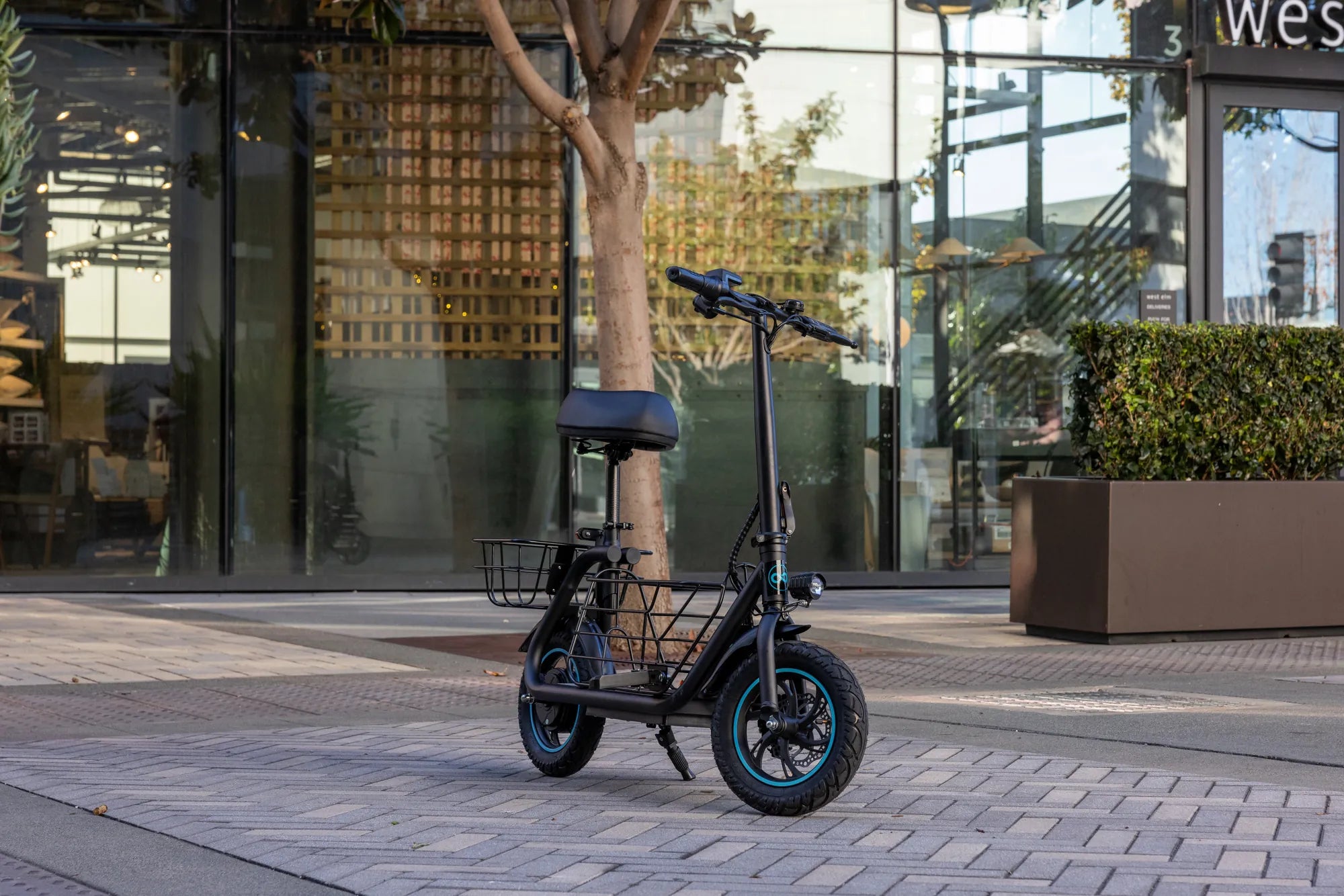
Introduction: Redefining Urban Movement and Health
The daily commute is no longer a binary choice between sedentary convenience and sweaty exertion. A new paradigm is emerging, one that seamlessly blends the efficiency of electric propulsion with the active engagement of human-powered movement. This is the core promise of Activities Cycling Electric Scooters, a hybrid category designed for the urbanite who values both time and health.
This article will dissect how modern electric scooters are engineered not just for transport, but for integrated, active lifestyles. We will explore their evolution, break down the dual benefits of commuting and fitness, and provide a detailed guide on the features that matter most. As a leader in this space, Gyroor—a brand trusted by over 100,000 riders across North America and Europe—exemplifies the innovation driving this trend with its focus on UL-certified safety and durable, rider-centric design.
The Evolution of Personal Transport: From Bikes to E-Scooters
Urban mobility has undergone a rapid transformation. The bicycle, a timeless symbol of personal freedom and exercise, was joined by motorized options that prioritized speed and ease, often at the expense of physical activity. The initial wave of electric scooters entered the market largely as last-mile solutions or recreational gadgets, with a primary focus on getting from point A to B with minimal effort.
However, a significant shift occurred as technology improved and rider needs evolved. Consumers began seeking more from their vehicles. They wanted efficiency, but not passivity; convenience, but not complete disconnect. This created a gap in the market for a device that could be a practical commuter one moment and a tool for light exercise the next.
The modern activities cycling electric scooter is the direct answer to this demand. It represents the maturation of the category, moving beyond a simple toy or transit tool to become a versatile lifestyle product. Brands like Gyroor have led this shift by integrating features such as multiple speed modes and robust construction that invite rider engagement rather than discouraging it.
This evolution mirrors a broader societal trend towards multimodal, health-conscious living. The future of urban transport isn't about a single dominant mode, but about intelligent, adaptable tools that serve multiple purposes throughout the day.
Cycling Meets Scootering: A New Category of Active Mobility
So, what exactly defines an activity-oriented electric scooter? It transcends the basic function of transportation. While a standard e-scooter might encourage a purely passive ride, an activities cycling electric scooter is designed to promote rider involvement. The key differentiator is intentionality in design and use.
This category contrasts sharply with passive transportation like cars or buses, where the user's physical input is negligible. It also differs from low-power recreational scooters meant solely for casual fun. The active e-scooter occupies a middle ground, similar to a bicycle with pedal-assist. It provides electric help when needed—for hills, headwinds, or fatigue—but allows or even encourages the rider to contribute physical effort.
Features that enable this include an ergonomic deck and handlebar setup that supports a balanced, slightly active posture, as opposed to a completely static stance. More critically, they offer customizable power delivery. A rider can select a low-assist mode that requires significant kicking to maintain speed, effectively turning the commute into a leg and cardio workout. The ability to toggle between these modes is what creates the "cycling" analogy.
This design philosophy turns the scooter from a mere vehicle into an adaptable platform for urban exploration and micro-exercise. It acknowledges that a rider's needs change: sometimes speed is paramount, and sometimes a bit of sweat is the goal.
The Dual Benefit: How E-Scooters Enhance Urban Commuting AND Fitness
The true power of the activities cycling electric scooter lies in its ability to deliver two significant, often competing benefits simultaneously: efficient commuting and accessible fitness.
The Practical Commuter: Efficiency and Sustainability
For the urban commuter, these scooters solve multiple pain points. They bypass traffic congestion effortlessly, often making cross-town trips faster than cars during peak hours. The cost savings are substantial when compared to car ownership (fuel, insurance, parking) or even consistent use of ride-sharing services and public transit.
From an environmental standpoint, they offer zero direct emissions, contributing to cleaner air and reduced urban noise pollution. Their compact size and often foldable design solve the "first and last mile" problem, integrating seamlessly with other forms of transport. You can ride to the train station, fold the scooter, board the train, and unfold it for the final leg of your journey.
This practical utility is the foundation. Without reliable, daily commuting performance, the fitness aspect becomes irrelevant. That's why core engineering—motor reliability, battery life, and structural integrity—is non-negotiable for brands serving this market.
The Portable Gym: Unlocking Micro-Workouts
This is where the concept of activities cycling electric scooters truly innovates. They democratize fitness by integrating it into unavoidable daily routines. The daily commute transforms from lost time into gained health.
By choosing to use the throttle sparingly or utilizing a lower level of electric assist, the rider engages in continuous, low-impact leg movement. This action elevates heart rate, providing a genuine cardiovascular workout. Balancing on a moving scooter at varying speeds actively engages core stabilizer muscles, improving balance and posture over time.
This model of "micro-workouts"—shorter bouts of activity spread throughout the day—is supported by fitness research as an effective way to maintain health, especially for those who cannot block out hours for the gym. A 30-minute commute ridden with moderate physical input can burn a significant number of calories, turning transit time into a valuable health investment.
Key Features for the Active Rider: What to Look For
Not all electric scooters are built for the dual demands of daily commuting and active use. Selecting the right model requires attention to specific features that ensure safety, durability, and performance.
Motor Power and Assist Modes: Controlling Your Exertion
The motor is the heart of the experience. For the active rider, peak power is less critical than controllability. A scooter should offer smooth, adjustable power delivery through multiple assist modes or a sensitive variable-speed throttle.
This allows you to precisely dial in your desired exertion level. A high-assist mode gets you home quickly after a long day, while a low-assist or "eco" mode forces you to contribute more effort, creating resistance for a better workout. Look for motors with sufficient torque (measured in Newton-meters, Nm) to handle moderate inclines even when you're contributing physical effort.
Battery Range and Reliability: Powered by Trust
Range anxiety undermines both commuting reliability and fitness consistency. You need a battery that can handle your round-trip commute with a safety margin. However, for the active rider, battery quality is even more crucial than sheer capacity.
Repeated charge cycles from daily use, combined with the potential strain of rider-assisted climbing, demand a robust battery system. This is where a brand's commitment to safety is paramount. Gyroor, for instance, uses UL-certified battery packs in all its models, tested for over 500 charge cycles. This certification is a critical indicator of quality, ensuring protection against overheating, short-circuiting, and other failure modes, providing peace of mind for daily, intensive use.
Build Quality and Durability: Ready for the Daily Grind
An activities cycling electric scooter will face more varied stresses than a scooter used only for smooth, leisurely rides. It must withstand daily commutes, occasional curb hops, and the vibrations of different road surfaces.
A sturdy, often aluminum-alloy frame is essential. Braking systems are critical; disc brakes or advanced regenerative brakes offer reliable stopping power in all conditions. Perhaps most importantly for a commuter, water resistance is a must. An IPX5 rating, like that found on Gyroor models, means the scooter can withstand water jets from any direction, making it safe to ride in rain or through puddles, ensuring your routine isn't disrupted by weather.
Warranty and Support: Investing with Confidence
The warranty is a direct reflection of a manufacturer's confidence in its product. For a device used as actively and frequently as a commuter scooter, strong support is essential. A comprehensive warranty that covers the motor, battery, and frame for a significant period (such as Gyroor's reliable 1-year warranty) protects your investment.
Equally important is accessible customer service. Knowing you can get timely support or replacement parts from a US-based team, rather than navigating overseas logistics, makes a significant difference in long-term ownership satisfaction and safety.
Data-Driven Comparison: E-Scooter Activity vs. Traditional Exercises
To quantify the fitness potential of active e-scootering, it's helpful to compare it to more traditional forms of exercise and transport. The following table presents estimated data for a 30-minute session for a 160-pound (73 kg) individual, highlighting the unique position of the activities cycling electric scooter.
| Activity / Mode | Estimated Calories Burned (30 min) | Avg. Speed (mph) | Primary Benefit | Typical Use Case |
|---|---|---|---|---|
| Walking (brisk) | 140-180 | 3-4 | Cardio, Low Impact | Leisure, Short Errands |
| Cycling (moderate effort) | 240-300 | 10-12 | Cardio, Leg Strength | Exercise, Commuting |
| E-Scooter (Kick-Powered / Low Assist) | 150-220 | 8-10 | Cardio, Balance, Core | Active Commuting |
| E-Scooter (High Assist / Throttle Only) | 50-100 | 15-20 | Transport Efficiency | Fast Commuting |
| Car Commute (Driver) | ~40 | Variable | None (Sedentary) | Long-Distance Transport |
This comparison shows that actively riding an e-scooter in a low-assist mode provides a calorie burn comparable to brisk walking, but at more than double the speed, making it a highly time-efficient form of light exercise. It bridges the gap between the pure efficiency of a throttle-only ride and the higher exertion of traditional cycling.
Safety and Etiquette: Sharing the Path Responsibly
The rise of activities cycling electric scooters brings a responsibility to ride safely and respectfully. Adhering to best practices ensures your safety and fosters positive relations with all path users.
Always wear a helmet. It is the single most effective safety device. Familiarize yourself with and obey all local regulations regarding where e-scooters are permitted (bike lanes, roads, paths) and any speed limits that apply. Use front and rear lights, and consider reflective clothing, especially at dawn, dusk, or night.
Practice predictable riding. Do not weave suddenly. Use hand signals to indicate turns. When on shared-use paths, control your speed, announce your presence politely when passing pedestrians (e.g., "On your left"), and give ample space. Finally, practice good parking etiquette. Never block sidewalks, ramps, building entrances, or access points. Park upright in designated areas whenever possible.
FAQ: Your Questions on Active E-Scootering, Answered
Q1: Can I really get a legitimate workout on an electric scooter?
A: Absolutely. By using the scooter in a low- or no-assist mode where you provide the primary propulsion through kicking, you engage in continuous, rhythmic leg motion that elevates your heart rate and works your leg muscles. It's a form of low-impact cardio and balance training, ideal for integrating activity into your daily routine.
Q2: Are Gyroor scooters legal to use on bike paths and in bike lanes?
A: Laws vary significantly by city, state, and country. In many jurisdictions, electric scooters with motors under a certain wattage (e.g., 750W) and speeds capped (e.g., 20 mph) are permitted in bicycle lanes. It is the rider's responsibility to check and comply with all local regulations before riding.
Q3: How does maintenance for an e-scooter compare to a regular bicycle?
A> E-scooter maintenance is generally simpler. Key tasks include regularly checking tire pressure, ensuring brakes are adjusted and functional, keeping the chassis clean, and checking for loose bolts. The most significant difference is battery care: storing and charging the battery according to manufacturer guidelines (like avoiding extreme temperatures) is crucial for longevity.
Q4: Is the battery removable for easy charging?
A> Many modern commuter-focused models, including several from Gyroor, feature removable battery packs. This is a major convenience, allowing you to charge the battery indoors at your desk or home without bringing the entire scooter inside, and to secure the valuable battery component separately.
Q5: What is the typical lifespan of a quality e-scooter used for daily commuting?
A> With proper care and maintenance, a well-built e-scooter from a reputable brand can last 3-5 years or more with daily use. The battery is often the first component to degrade; a high-quality UL-certified pack like those used by Gyroor, rated for 500+ cycles, should retain sufficient capacity for 2-4 years of daily commuting before a noticeable range reduction occurs.
Your Journey to a Smarter, Healthier Commute Starts Here
The activities cycling electric scooter is more than a trend; it's a logical evolution in urban mobility. It represents a conscious choice to reject the false dichotomy between convenience and health. By choosing a versatile, well-engineered scooter, you reclaim time, reduce your environmental footprint, and seamlessly weave physical activity into the fabric of your day.
This shift is powered by brands committed to safety, durability, and intelligent design. As cities continue to evolve, embracing multimodal and active transport, these devices will play a central role in creating more livable, healthy, and connected urban environments. The future of urban mobility isn't just about getting there—it's about how you feel when you arrive.
Ready to transform your commute and your fitness routine? Explore the full range of UL-certified, IPX5 water-resistant models designed for the active rider. Browse the full Gyroor collection at gyroorboard.com and find the perfect scooter to power your journey.
In the Bike Store There Are Hoverboards and Electric Scooters: Redefining City Travel
Road Legal Electric Scooters for Sale: Your Urban Mobility Upgrade