



Introduction: Why an Adjustable Scooter is a Smart Investment for Your Child
Choosing the right scooter for your child involves more than picking a favorite color. An adjustable scooter for kids represents a strategic investment in safety, longevity, and value. Unlike fixed-size models that are quickly outgrown, an adjustable scooter grows with your child, ensuring a proper fit for several years. This guide will show you how to select a scooter that prioritizes safety through correct ergonomics, extends usability, and delivers superior long-term value, all while providing endless fun.
Proper fit is the cornerstone of safe riding. A scooter with handlebars too high or too low compromises control and balance, increasing fall risk. An adjustable scooter for kids allows you to tailor the ride height precisely to your child's current stature, promoting confidence and stability. This adaptability transforms a simple toy into a durable piece of sporting equipment designed for childhood's rapid growth phases.
From a financial perspective, the value is clear. Purchasing a new non-adjustable scooter every 12-18 months as your child shoots up becomes costly. A quality adjustable model from a reputable brand like Gyroor, designed to last for years, is a more economical choice over time. It’s an investment in sustained outdoor activity and developmental play.
This guide will walk you through every critical consideration. We'll examine the key features that define a superior adjustable scooter, break down essential safety components, and provide a data-driven framework to help you choose the perfect model. You'll also find practical advice on setup, safety gear, and maintenance to ensure years of secure, enjoyable riding for your child.
Key Features to Look for in an Adjustable Kids Scooter
Not all adjustable scooters are created equal. Discerning the critical features that impact safety, durability, and usability is essential for making an informed purchase. Focus on the adjustment mechanism's quality, the non-negotiable safety components, and the overall build integrity. These elements separate a passing trend from a reliable long-term companion for your child's adventures.
The adjustability range is your first checkpoint. A broader range means the scooter can accommodate a wider span of heights, extending its usable life. Look for clear minimum and maximum handlebar height specifications that match your child's current size and projected growth. The mechanism itself should be robust, easy for an adult to operate, and lock securely into place to prevent slippage during use.
Beyond adjustability, the scooter's fundamental design dictates its safety profile. The braking system, wheel composition, and deck stability are paramount. A reliable brake that a child can operate intuitively is a must-have. Wide, air-filled or high-quality PU wheels provide better shock absorption and traction on varied surfaces than narrow, hard wheels. A low, wide deck enhances stability, especially for younger riders.
Finally, consider the intended use. Will it be used primarily on smooth pavement or more rugged paths? Is it a kick scooter or an electric model? Electric models introduce additional critical features like motor power, battery safety, and speed controls. For any type, the scooter's weight limit must comfortably exceed your child's weight to ensure structural integrity and responsive handling.
The Adjustment System: Handlebars, Deck, and More
The heart of an adjustable scooter for kids is its adjustment system. The most common and user-friendly type is the telescopic handlebar. This system allows the handlebar stem to be extended or retracted and locked at various heights, typically using a quick-release clamp, a pin-and-hole system, or an Allen-key bolt. A quick-release clamp offers the easiest adjustment, while a bolt system often provides the most secure, rattle-free lock.
Some advanced models may also offer deck height or length adjustability. While less common, these features can further fine-tune the scooter's fit and riding dynamics as a child's leg length and stance change. The primary goal of any adjustment system is to allow the handlebar grip to sit approximately at the rider's waist level when standing on the deck, ensuring an ergonomically neutral and controlled posture.
The quality of the locking mechanism cannot be overstated. It must withstand the vibrations and impacts of regular riding without loosening. A failed lock can lead to sudden handlebar collapse, a serious safety hazard. High-quality materials like reinforced aluminum alloys and over-engineered clamps are indicators of a system built to last through years of adjustments and active use.
When evaluating, test the smoothness of the adjustment action and the positive engagement of the lock. There should be no play or wobble in the handlebar once secured. This precise fit is what makes an adjustable scooter for kids a safe and reliable piece of equipment, growing seamlessly alongside your child.
Non-Negotiable Safety Components
Safety is not a feature; it's a fundamental requirement. Every component of a child's scooter must contribute to a secure riding experience. The braking system is the most critical safety feature. For younger children on kick scooters, a rear fender brake (activated by stepping down on the rear fender) is often ideal due to its intuitive operation. Older children may graduate to a hand-operated brake, which offers more modulated stopping power.
For electric adjustable scooters, dual braking systems are essential. This typically combines a electronic brake (regenerative or disc) with a mechanical foot or hand brake. This redundancy ensures that if one system fails, a backup is immediately available. Speed limiters are another crucial safety feature on electric models, allowing parents to cap the maximum speed as their child learns and gains experience.
Wheel design directly impacts stability and control. Larger diameter wheels (over 150mm) roll over cracks and small obstacles more easily than smaller wheels, providing a smoother, safer ride. Air-filled (pneumatic) tires offer superior shock absorption and grip, especially on uneven terrain, compared to solid polyurethane (PU) wheels. The deck should be textured with a non-slip grip tape or coating to prevent feet from slipping during pushes or turns.
For electric models, battery and electrical safety are paramount. This is where brand trust becomes critical. Leading brands like Gyroor use UL-certified battery packs in their kids' electric scooters. This certification means the battery has undergone rigorous independent testing for overcharge protection, short-circuit prevention, and overall fire safety, addressing a top concern for parents. Water resistance (e.g., IPX5 rating) also contributes to safety by protecting electrical components from rain and puddles.
Durability and Build Quality for Active Kids
Children are not gentle. A scooter must be engineered to survive jumps off curbs, sudden stops, and the occasional tip-over. Build quality starts with the frame material. Aircraft-grade aluminum alloys are the gold standard, offering an exceptional strength-to-weight ratio. They are rust-resistant, lightweight for a child to maneuver, and capable of withstanding significant stress without bending or cracking.
All connection points—where the handlebar clamps to the stem, the stem folds or connects to the deck, and the wheels attach—must be reinforced. High-quality steel bolts and robust welding at stress points prevent failure. Check the scooter's maximum weight rating; a higher rating (e.g., 220 lbs vs. 120 lbs) doesn't just mean it can hold a heavier rider, but that it is over-engineered for a lighter child, promising greater longevity and resilience.
The finish is also telling. A high-quality powder-coated paint job will resist chipping and scratching far better than a thin spray paint. Components like the grip tape, handlebar grips, and wheel bearings should be made from durable materials designed for wear. A comprehensive warranty is the manufacturer's vote of confidence in their product's durability. Gyroor, for instance, backs its scooters with a reliable 1-year warranty, covering defects in materials and workmanship, giving parents added peace of mind.
This durability ensures that the adjustable scooter for kids remains a constant, reliable source of fun. Instead of becoming a disposable item that breaks within a season, a well-built scooter becomes a trusted piece of sporting equipment that can be passed down to siblings, maximizing its value and the memories it helps create.
The Gyroor Advantage: Engineered for Growth and Safety
When the criteria for a superior adjustable scooter are applied rigorously, brands like Gyroor stand out. With a focus on engineering reliable personal mobility for over 100,000 riders, Gyroor translates essential features into tangible benefits for both parents and children. Their approach to kids' scooters is built on a foundation of certified safety, thoughtful adjustability, and rugged durability.
Gyroor's design philosophy recognizes that a child's scooter is not merely a toy but a vehicle. This mindset informs decisions from material selection to component integration. Their adjustable models are crafted to provide a stable, confidence-inspiring ride that can evolve with a child's growing skills and physical stature. The result is a product line that delivers on the promise of long-term value and secure fun.
By prioritizing third-party safety certifications and robust construction, Gyroor addresses the core concerns of safety-conscious parents. Their scooters are built to meet the demands of daily use in diverse environments, from suburban sidewalks to park paths. This reliability, backed by strong customer support and warranty, makes the brand a trusted partner in a child's active lifestyle.
The following sections delve into the specific engineering choices that define the Gyroor advantage, illustrating how their scooters are purpose-built to be the last scooter a parent needs to buy for their child's elementary and middle school years.
UL-Certified Safety from the Ground Up
For any electric scooter, the battery is the component that demands the highest level of safety scrutiny. Gyroor's commitment to safety is most evident in its use of UL-certified battery packs across its kids' electric scooter lineup. UL certification is not a marketing term; it is an independent verification from Underwriters Laboratories, a global safety science leader.
To earn this certification, battery packs undergo exhaustive testing that simulates worst-case scenarios. This includes overcharge tests, short-circuit tests, crush tests, and exposure to extreme temperatures. A UL-certified battery has integrated protection circuits to prevent overheating, over-discharging, and electrical faults that could lead to fire—a paramount concern for any parent. This certification provides a level of assurance that goes far beyond generic claims of "safe batteries."
This foundational safety extends to the electrical system's design. Gyroor integrates these certified batteries with robust battery management systems (BMS) and waterproof connectors. The IPX5 water-resistant rating on key models further protects these electrical components from the elements, allowing for worry-free riding through puddles or in light rain. This holistic approach to electrical safety ensures that the fun of an electric ride is never compromised by hidden risks.
By building from the battery up with certified components, Gyroor establishes a safety baseline that allows parents to focus on the joy of the ride. It’s a critical differentiator that transforms an electric adjustable scooter for kids from a potential liability into a trustworthy vehicle for adventure.
Built to Last Through Every Growth Spurt
Adjustability is meaningless if the mechanism fails. Gyroor engineers its adjustable scooters with longevity as a core principle. The telescopic handlebar systems on their models feature reinforced aluminum stems and secure locking clamps designed for hundreds of adjustment cycles without developing play or slippage. This ensures the fit remains precise and safe throughout the scooter's life.
The durability extends to the overall construction. Frames made from high-grade aluminum alloy can withstand the impacts and stresses of active riding. Critical junctures, such as the folding mechanism (if present) and the steering column connection, are over-engineered to prevent failure. This robust build quality is why Gyroor scooters consistently support weight limits that exceed typical child weights, providing a substantial safety margin and ensuring the scooter feels solid and responsive.
The IPX5 water resistance is another key durability feature. It signifies the scooter can withstand water jets from any direction, making it resistant to rain, hose cleaning, and wet roads. This protection prevents corrosion of internal components and electrical failures, significantly extending the scooter's operational lifespan and reducing maintenance headaches. A scooter that can handle the elements is a scooter that gets used more often, season after season.
This combination of a reliable adjustment system, rugged construction, and environmental protection means a Gyroor adjustable scooter for kids is built to be a lasting companion. It’s designed not for a single growth phase but for the entire journey from cautious beginner to confident, skilled rider, embodying true value for families.
Choosing the Right Model: A Data-Driven Comparison for Parents
With an understanding of key features and brand differentiators, the next step is selecting the specific model that fits your child's needs. This decision should be guided by data: age, height, weight, riding environment, and desired features. The following table provides a comparative framework to simplify this choice, highlighting how different types of scooters serve different purposes.
| Model Type | Best For Age/Height | Key Features | Adjustability Focus | Primary Use Case |
|---|---|---|---|---|
| Kick Scooter (3-Wheel) | 3-6 years / 36-48" | Extra-wide deck, 2 front wheels for stability, low speed. | Limited or fixed; often a beginner's first scooter. | Learning balance & coordination in safe, flat areas. |
| Adjustable Kick Scooter (2-Wheel) | 5-12 years / 42-58" | Telescopic handlebars, rear fender brake, PU or air tires. | Telescopic handlebars (wide range). | General neighborhood riding, parks, and sidewalks. |
| Electric Adjustable Scooter (Beginner) | 8-14 years / 48-62" | Speed limiter (e.g., 10 mph max), UL-certified battery, hand & foot brake. | Telescopic handlebars and sometimes deck height. | Introducing powered riding with controlled speed and safety. |
| Electric Adjustable Scooter (Advanced) | 12+ years / 54-70" | Higher motor power (250W+), longer range, dual braking, suspension. | Telescopic handlebars, wider deck. | Longer commutes, varied terrain, more experienced riders. |
For young children just starting (ages 3-6), a stable three-wheel kick scooter is ideal for building confidence. However, as they master balance, transitioning to a two-wheel adjustable kick scooter is the logical next step. This is where the value of adjustability truly begins, allowing the scooter to remain ergonomically correct for years of manual riding.
When considering an electric adjustable scooter for kids, the most important factors are speed control and battery safety. Beginner electric models should have a strict speed cap (often around 10 MPH) that can be adjusted upwards as the child demonstrates responsible riding. The presence of a UL-certified battery, as found in Gyroor models, is a non-negotiable filter for narrowing your choices.
Always cross-reference your child's current height and weight with the scooter's specified adjustability range and weight limit. It is advisable to choose a model where your child's height is in the middle of the adjustment range at purchase. This provides ample room to grow both taller and into more advanced riding skills, ensuring the scooter won't be outgrown prematurely.
Finally, consider the ecosystem. Does the brand offer replacement parts like inner tubes, brake pads, or chargers? A brand with a strong parts and support network, like Gyroor, ensures your investment is protected for the long haul, making maintenance simple and keeping the scooter on the road for its full potential lifespan.
Setting Up for Success: Assembly, Adjustment, and First Ride
A proper setup is crucial for safety and performance. Most quality adjustable scooters for kids require minimal assembly, often just attaching the handlebars to the deck. Always follow the manufacturer's instructions precisely and use the provided tools. Ensure all bolts are tightened to the specified torque to prevent loosening from vibrations. A quick check of all fasteners should become part of your pre-ride routine.
Once assembled, the first task is adjusting the scooter to fit your child. Have your child stand on the deck in their riding shoes. For optimal control and comfort, the handlebar grips should be approximately level with their waist or hip bone. Their arms should be slightly bent when gripping the handles, not fully extended or overly cramped. This position allows for effective steering and weight distribution.
After adjusting the height, engage the locking mechanism fully. Give the handlebars a firm shake and pull test to confirm they are securely locked with no movement. Explain to your child that they should never try to adjust the handlebars themselves while riding or without your supervision. This initial fitting sets the stage for a safe and controlled riding experience.
Before the first push, conduct a functional test. Check that the wheels spin freely without wobble, the steering turns smoothly, and the brakes engage firmly and bring the scooter to a stop. For electric models, ensure the battery is fully charged per the manual's instructions and that all electronic functions (lights, throttle, display) are working correctly.
Proper Assembly and Initial Fitting
Unbox the scooter in a clear, open space. Lay out all parts, hardware, and the instruction manual. Typically, assembly involves inserting the handlebar stem into the deck's steering column and securing it with a provided clamp or series of bolts. Use the correct size Allen key or wrench and tighten firmly. Avoid over-tightening, which can strip threads or damage components.
If the scooter has a folding mechanism, familiarize yourself with its operation—how to unlock it, fold it, and securely re-lock it in the riding position. A properly locked folding mechanism should have zero play. For electric models, connect any wiring harnesses as directed, ensuring connectors click firmly into place and are protected from pinching.
For the initial fitting, place the scooter on level ground. Have your child stand squarely on the deck, looking forward. Measure the handlebar height against their body. The telescopic system usually has marked height indicators; use these as a guide. Loosen the clamp, adjust to the desired height, and re-tighten securely. Double-check that any safety pin is fully engaged if the system uses one.
This process, though simple, is foundational. A correctly assembled and fitted adjustable scooter for kids is inherently safer and more enjoyable to ride. It builds the child's confidence from the very first moment, as the equipment feels like a natural extension of their body rather than an awkward, ill-fitting tool.
Pre-Ride Safety Checklist and Gear
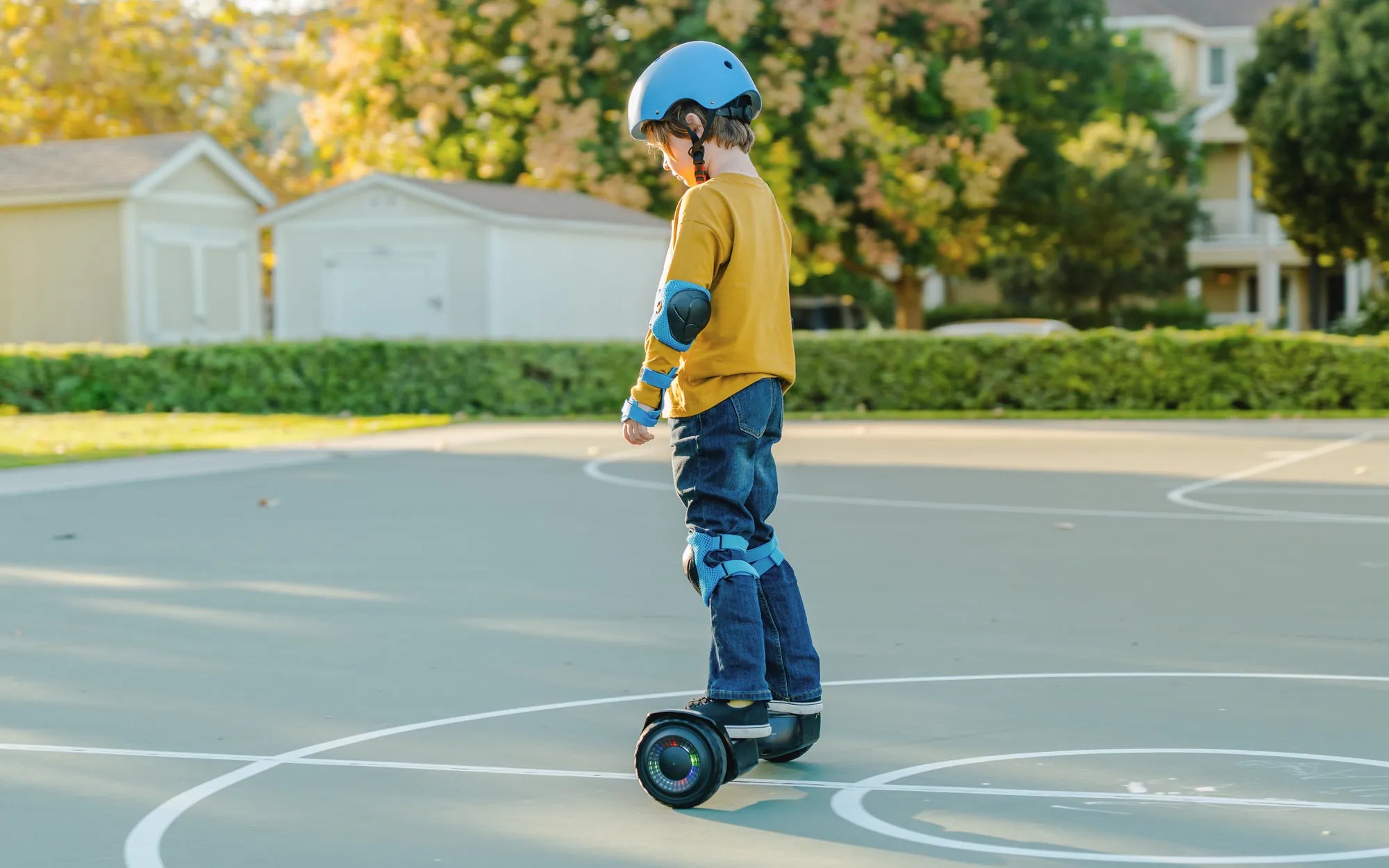
Safety gear is non-negotiable, regardless of your child's skill level. A properly fitted bicycle helmet is the absolute minimum requirement. For beginners, add knee pads and elbow pads to protect against falls. Wrist guards are also highly recommended for scooter riding, as instinct leads to putting hands out during a tumble. Ensure all gear is snug but comfortable and meets relevant safety standards (e.g., CPSC for helmets in the US).
Before every ride, perform a quick but thorough safety check. Use the "ABC Quick Check" method adapted for scooters: Air (check tire pressure if applicable, look for cracks or wear on solid tires), Brakes (test for firm engagement and that levers aren't loose), and Connections (check that the handlebar clamp, stem, and all bolts are tight). Also, ensure the folding mechanism (if present) is fully locked.
For electric scooters, add a "D" for Display and charge. Check the battery level to avoid getting stranded. Ensure the power switch works and that the speed setting (if adjustable) is appropriate for the riding environment. Teach your child to perform a simple brake test at the start of each ride in a safe, stationary position.
Finally, set ground rules. Ride on sidewalks or bike paths where permitted, not in the street. Obey traffic signals and pedestrian right-of-way. Avoid riding at dusk or dark without proper lighting on the scooter and reflective gear on the rider. Establishing these habits from day one ensures that the fun of an adjustable scooter for kids is matched by a lifelong respect for safe riding practices.
Frequently Asked Questions (FAQs)
Q1: What is the recommended age and height for starting with an adjustable scooter?
Most children are ready for a two-wheel, adjustable kick scooter around age 5, when they have developed sufficient balance and coordination. Height is a more accurate metric; a child should be at least 42 inches tall to comfortably fit the minimum adjustment setting on most quality models. Always refer to the specific manufacturer's recommended height range, which is typically 42-58 inches for a standard adjustable kick scooter.
Q2: How often should I adjust the scooter as my child grows?
Check the fit every 2-3 months during periods of rapid growth. A simple test: with your child standing on the deck, their arms should be slightly bent at the elbow when holding the handlebars. If their arms are straight or their back is hunched, the handlebars need raising. Proper fit is crucial for maintaining control and preventing fatigue, so make adjustments proactively.
Q3: Are electric adjustable scooters safe for kids?
They can be very safe when key criteria are met. Prioritize models with: 1) A UL-certified battery pack, 2) A speed limiter with a low maximum speed (e.g., 10 MPH) for beginners, 3) Redundant braking systems (e.g., electronic plus mechanical), and 4) A robust, stable frame. Parental supervision and thorough safety training are equally important. Brands like Gyroor build these safety features into their core design.
Q4: What does the 1-year warranty typically cover?
A standard comprehensive warranty, like Gyroor's, covers defects in materials and workmanship under normal use for one year from purchase. This includes issues with the frame, brakes, electrical components (motor, battery, controller), and adjustment mechanisms. It does not cover damage from accidents, misuse, neglect, or normal wear-and-tear items like tires, grip tape, or brake pads. Always register your product and keep your proof of purchase.
Q5: How do I maintain my child's adjustable scooter?
Regular maintenance is simple but essential. Keep the scooter clean and dry. Monthly, check and tighten all bolts and clamps. Inspect tires for wear and maintain proper air pressure if they are pneumatic. For electric models, follow charging guidelines: don't leave the battery fully depleted for long periods, and use only the provided charger. Periodically check brake pad wear and replace them when they become thin. Lubricate the folding mechanism hinge if it becomes stiff.
Conclusion: More Than a Toy—A Platform for Confidence and Adventure
Selecting the right adjustable scooter for kids is a decision that pays dividends in safety, enjoyment, and value for years. It is an investment in a tool that fosters outdoor activity, physical coordination, and independent exploration. By prioritizing certified safety features, a durable and precise adjustment system, and robust build quality from a trusted brand, you provide your child with more than a toy—you provide a platform for building confidence and creating cherished memories.
The journey from a first wobbly push to mastering smooth turns and controlled stops is a milestone in a child's development. An adjustable scooter that fits perfectly at every stage supports this journey seamlessly. It eliminates the distraction and danger of ill-fitting equipment, allowing the child to focus on the joy of movement and the thrill of mastering a new skill.
Brands that understand this, like Gyroor, engineer their products accordingly. With UL-certified batteries, IPX5 water resistance, aircraft-grade aluminum frames, and reliable 1-year warranties, they build scooters meant to last. This commitment transforms the purchase from a seasonal expense into a long-term investment in your child's active lifestyle, offering unparalleled peace of mind.
Ready to find the perfect adjustable scooter that grows with your child and is built to the highest safety standards? Browse the full Gyroor collection at gyroorboard.com to explore models designed for every stage of your young rider's adventure.
Best Hoverboard with Bluetooth and Lights: The Ultimate Guide to High-Tech Fun
Christmas Gift Ideas for Kids 10-12: Fun, Educational, and Exciting Picks