



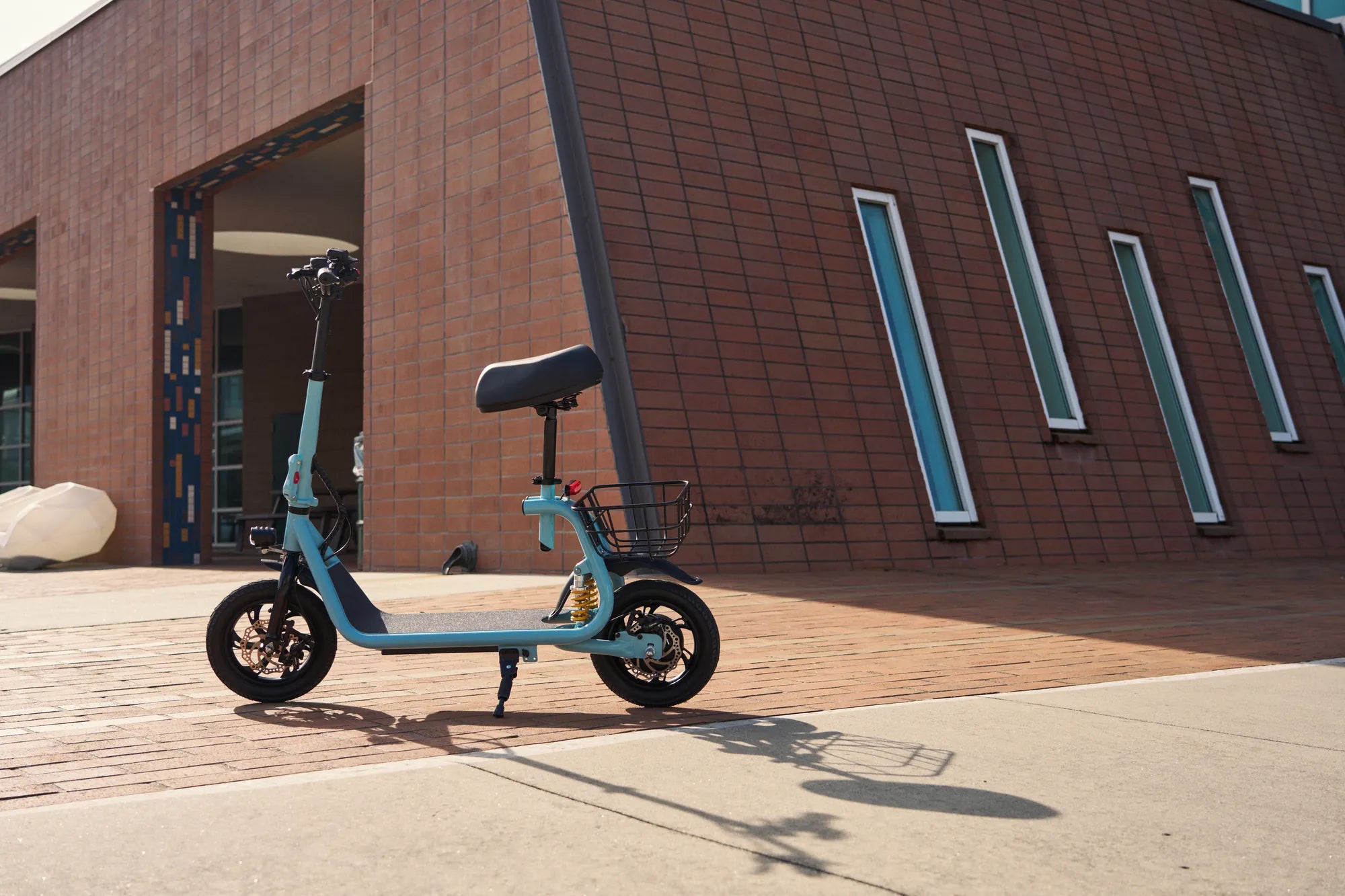
Why Adult Electric Scooters are Redefining Urban Mobility for Men
For men navigating congested city streets, the daily commute has long been a source of frustration and wasted time. The search for a reliable, efficient, and cost-effective personal transport solution has led to a significant shift towards adult electric scooters. These are not toys; they are sophisticated, motorized vehicles engineered for the demands of daily adult use. The keyword for this new era of transport is clear: Adult Electric Scooters for Men: The Ultimate Urban Commuting Solution. This trend is driven by a desire for autonomy, efficiency, and a practical alternative to being stuck in traffic or relying on inconsistent public transit schedules.
Leading brands like Gyroor have been instrumental in this shift, moving the market beyond basic recreational devices. They design scooters with the adult male commuter in mind, focusing on robust construction, reliable performance, and essential safety features. This article serves as a definitive guide for men evaluating an e-scooter purchase. We will dissect the critical performance specifications, analyze real-world utility, and explain the engineering principles behind a trustworthy and high-performing commuter scooter, ensuring you can make an informed investment in your daily freedom.
The appeal is multifaceted. An adult electric scooter collapses a 30-minute bumper-to-bumper car ride into a swift, 10-minute glide. It eliminates parking fees and gas station stops. For the modern man, it represents a smart, agile, and sustainable choice that aligns with an active, efficient lifestyle. The goal here is to move past marketing hype and focus on the tangible factors—motor wattage, battery certification, weight capacity—that determine whether a scooter will be a fleeting novelty or a durable commuting partner.
We will explore why certain features are non-negotiable, how to interpret manufacturer specifications realistically, and what truly matters for daily use in varied urban environments. From navigating local regulations to calculating long-term cost savings, this guide provides the foundational knowledge needed to choose the right adult electric scooter for men with confidence.
Key Features Men Should Prioritize in an E-Scooter
Selecting an e-scooter requires a focus on performance and durability over flashy extras. Male riders, often prioritizing power and load-bearing capacity, should base their decision on a core set of engineering specifications. These features directly impact the scooter's ability to handle daily commutes, different terrains, and the test of time. Aesthetic design is secondary to the quality of the motor, the integrity of the battery, and the resilience of the frame.
The wrong choice can mean struggling up hills, running out of battery miles from home, or dealing with premature wear and tear. Therefore, understanding these key metrics is the first step toward finding a truly reliable urban commuting solution. The following sections break down the three pillars of e-scooter performance: propulsion, energy, and construction.
Motor Power & Speed: Matching Performance to Your Commute
The motor is the heart of the scooter, dictating its acceleration, hill-climbing ability, and top speed. Motor power is measured in watts (W), and for adult commuting, 350W is typically considered the entry point for flat urban areas. A 500W motor offers a more confident ride, providing better acceleration from stops and the ability to tackle moderate inclines without a significant drop in speed.
For men seeking higher performance or who commute in hilly cities, motors ranging from 600W to 1000W are advisable. These powerful motors ensure consistent speed regardless of gradient and offer a higher top speed, often between 22-28 mph. It's crucial to match the motor power to your specific route; a scooter that strains on hills becomes a liability, not a solution.
Top speed is a related but distinct specification. While many scooters can reach 20-25 mph, local laws often restrict riding speed to 15-20 mph in bike lanes. The benefit of a higher-powered motor isn't always about max speed, but about having ample torque in reserve for safe merging, quick acceleration at intersections, and effortless climbing. This makes the ride smoother, safer, and more enjoyable.
Range & Battery: Ensuring You Won't Run Out of Juice
Battery range is arguably the most critical—and most misunderstood—specification. Manufacturers often advertise a maximum range under ideal conditions: a light rider on perfectly flat ground at a low, constant speed. Real-world range is typically 70-80% of this figure. For a reliable commute, you need a battery that can handle your round-trip distance with a safety buffer of at least 20%.
Battery capacity is measured in watt-hours (Wh) or ampere-hours (Ah). A higher number indicates more energy storage. For a 10-mile round-trip commute, a scooter with a 360Wh battery is a good minimum. For longer commutes of 15-20 miles, look for capacities of 500Wh or more. The most important aspect of the battery, however, is its safety certification. This is where the Gyroor advantage is clear.
Gyroor equips its models with UL-certified battery packs. UL certification is an independent safety standard verifying that the battery has passed rigorous tests for electrical, mechanical, and environmental safety, drastically reducing the risk of overheating or fire. Investing in a scooter with a certified battery is non-negotiable for peace of mind and long-term reliability, protecting both your investment and your personal safety.
Build Quality & Weight Capacity: Designed for Durability
The scooter's frame must withstand daily use, vibrations from pavement cracks, and the occasional bump. Aircraft-grade aluminum alloy is the standard for a reason: it provides an excellent strength-to-weight ratio. The welding and joint construction should feel solid, with no flex or creaking when pressure is applied. A robust build directly translates to longevity and a stable, confident ride.
Weight capacity is a direct indicator of this build quality. While many basic scooters support up to 220 lbs, models designed for adult men should have a capacity of 265 lbs to 330 lbs. This higher limit ensures the scooter is engineered with stronger components—from the deck and stem to the wheels and suspension—to handle the load without compromising performance or safety. It also provides a margin of safety for carrying a backpack or briefcase.
Finally, ingress protection (IP) ratings are crucial for all-weather readiness. An IPX5 rating, standard on Gyroor scooters, means the scooter is protected against water jets from any direction. This allows you to ride confidently in light rain or on wet roads without worrying about water damage to electrical components, making the scooter a truly practical, year-round commuting tool.
The Gyroor Advantage: Engineered for Reliability and Peace of Mind
In a market filled with options, Gyroor distinguishes itself by focusing on the core tenets of reliability, safety, and rider-centric design. Trusted by over 100,000 riders across North America and Europe, the brand's philosophy is built on providing a worry-free ownership experience. This is achieved not through gimmicks, but through foundational engineering choices that address the primary concerns of adult commuters: battery safety, weather resistance, and long-term support.
Choosing a Gyroor scooter means investing in a platform where safety and durability are integrated from the initial design phase. This results in a product that performs consistently day after day, reducing the unexpected downtime and repair headaches that can plague lesser-built models. For the male commuter who depends on his vehicle to get to work or appointments, this reliability is paramount. The following sections detail the specific features that constitute this advantage.
Unmatched Safety with UL-Certified Battery Packs
The battery is the most critical safety component on any electric vehicle. Gyroor's commitment to safety is demonstrated by its exclusive use of UL-certified lithium-ion battery packs. These batteries undergo testing for over 500 charge cycles, ensuring they maintain capacity and stability over years of use. The certification process evaluates the battery's ability to withstand electrical abuse, mechanical stress, and environmental factors without failing dangerously.
This is a significant differentiator. Many scooters use uncertified batteries to cut costs, which can pose risks of thermal runaway—a leading cause of e-scooter fires. By prioritizing UL certification, Gyroor provides tangible, verified safety. This allows riders to charge their scooters at home or in the office with confidence, a fundamental requirement for any ultimate urban commuting solution intended for daily integration into one's life.
Built to Last: IPX5 Water Resistance and Robust Construction
Urban commuting is an all-weather job. A sudden rain shower shouldn't strand you or force a costly repair. Gyroor's IPX5 water-resistant rating is a practical feature for real-world conditions. It means the scooter's electrical systems are sealed against low-pressure water jets, making it resilient against splashes from puddles and riding in rainy conditions. This durability extends the scooter's usable days per year and protects the internal investment.
This resilience is matched by the physical construction. High-tensile aluminum frames, reinforced folding mechanisms, and quality pneumatic or airless tires contribute to a scooter that feels solid underfoot. This robust build quality ensures the scooter can handle the repetitive stresses of curb drops, uneven pavement, and frequent folding/unfolding, which is essential for a product designed to be a primary mode of transport.
Riding with Confidence: The 1-Year Comprehensive Warranty
A warranty is a promise from the manufacturer about the quality and longevity of their product. Gyroor backs its scooters with a comprehensive 1-year warranty that covers the motor, battery, controller, and other core components. This warranty is a reflection of the brand's confidence in its engineering and manufacturing processes.
For the rider, it translates to peace of mind. Should any issue arise from normal use within the warranty period, support is available to resolve it, often with US-based service channels. This protects your financial investment and ensures that your chosen adult electric scooter for men remains a viable commuting tool for the long haul, rather than becoming a disposable gadget. It’s a critical factor that separates established brands from fly-by-night manufacturers.
Practical Considerations: From Purchase to Daily Ride
Owning an e-scooter extends beyond its technical specifications. Successful integration into your life requires understanding the legal landscape, the true cost of ownership, and the logistics of storage and maintenance. Addressing these practical aspects upfront prevents surprises and ensures a smooth, sustainable transition to e-scooter commuting. This holistic approach turns a great product into a seamlessly functional part of your daily routine.
Men often approach transportation from a utilitarian perspective: what works, what is legal, and what saves time and money. This section provides a clear-eyed view of the responsibilities and benefits that come with e-scooter ownership, from navigating city ordinances to performing simple maintenance that extends the vehicle's life. Let's move from the showroom to the street.
Navigating Local Laws and Where to Ride Safely
E-scooter regulations vary significantly by city, state, and country. Before riding, it is imperative to research local laws. Common regulations include age restrictions (often 16+ or 18+), mandatory helmet use (sometimes for all ages, sometimes only for minors), speed limits (frequently capped at 15-20 mph in public spaces), and designated riding areas.
Typically, e-scooters are permitted in bike lanes and on roads with speed limits under 25-35 mph. Riding on sidewalks is prohibited in most urban areas due to pedestrian safety concerns. Understanding and adhering to these rules is essential for your safety, the safety of others, and to avoid fines. Responsible riding also involves using lights at night, signaling turns, and yielding to pedestrians, cementing the scooter's role as a legitimate and respected vehicle in the urban ecosystem.
Cost Analysis: E-Scooter vs. Car vs. Public Transit
The financial argument for an e-scooter is compelling. The following table provides a simplified annual cost comparison for a typical urban commuter.
| Expense Category | Personal Car | Public Transit Pass | Adult Electric Scooter |
|---|---|---|---|
| Upfront / Annual Cost | Loan payments, depreciation, insurance ($5,000+) | $1,000 - $1,500 | $600 - $1,500 (one-time) |
| Fuel / Energy | $1,200+ (gas) | Included | $20 - $40 (electricity) |
| Parking & Tolls | $1,500+ | $0 | $0 |
| Maintenance | $500+ (oil, tires, repairs) | $0 | $50 - $100 (tires, brake pads) |
| Estimated Annual Total | $8,200+ | $1,000 - $1,500 | $670 - $1,640 (Year 1) |
| Key Benefit | Maximum flexibility, cargo space | Hands-off, all-weather | Door-to-door speed, zero emissions, exercise |
As shown, while public transit has a lower recurring cost, an e-scooter offers unparalleled door-to-door efficiency and time savings. Compared to a car, the scooter pays for itself within a few months. After the first year, the annual cost of scooter ownership drops to just maintenance and electricity, often under $100, making it the most economical motorized personal transport option available.
Storage, Portability, and Maintenance Tips
Most quality adult e-scooters feature a one-click folding mechanism. Consider the folded dimensions and weight (typically 35-50 lbs) to ensure you can lift it easily and store it under a desk, in a closet, or in a car trunk. For apartment dwellers, this portability is key. At your destination, use a robust U-lock or chain lock to secure the scooter to a fixed object, even if indoors.
Basic maintenance ensures longevity and safety. Regularly check tire pressure (for pneumatic tires), inspect brake pads for wear, and ensure all bolts and folding mechanisms are tight. Keep the scooter clean, especially after riding in wet conditions, and store it in a dry place. Periodically check the battery contacts and charging port for debris. These simple habits, taking just minutes a week, will keep your scooter running smoothly for thousands of miles.
Choosing the Right Model: A Comparison of Commuter-Focused Scooters
With an understanding of key features and practicalities, the next step is comparing specific models. The right choice balances power, range, portability, and price based on individual commute profiles. Below is a comparison of hypothetical scooter types aligned with different commuter needs, illustrating how specifications translate to use cases. This framework can be applied when evaluating any brand's lineup, including Gyroor's range of models.
| Scooter Profile | Lightweight Urbanite | Power Commuter | Long-Range Explorer |
|---|---|---|---|
| Ideal Rider | Short commutes (3-7 mi), multi-modal transit user, light cargo | Moderate commutes (5-12 mi), hilly terrain, needs speed & stability | Extended commutes (15+ mi), wants weekend range, heavier rider |
| Motor Power | 350W - 500W | 500W - 800W Dual Motor | 600W - 1000W |
| Max Speed | 18 - 22 mph | 25 - 28 mph | 22 - 25 mph |
| Real-World Range | 12 - 18 miles | 18 - 25 miles | 28 - 35 miles |
| Weight Capacity | 220 - 265 lbs | 265 - 330 lbs | 285 - 330 lbs |
| Key Features | Ultra-portable (~35 lbs), basic suspension, simple display | Dual suspension, dual brakes, bright lights, wider deck | High-capacity battery, cruise control, comprehensive display |
| Gyroor Example | Compact commuter models | High-performance dual motor models | Extended-range touring models |
This comparison highlights that there is no single "best" scooter, only the best scooter for your specific needs. A Power Commuter model, for instance, with dual motors and superior suspension, is the true ultimate urban commuting solution for someone facing steep bridges or demanding a car-like acceleration profile. Assessing your route's distance, elevation changes, and your personal weight will guide you to the correct category.
Safety Gear and Defensive Riding Techniques
Your scooter's built-in safety features are only one part of the equation. As the rider, you are the most important safety component. Adopting the right gear and a defensive mindset is crucial for sharing the road safely with larger, heavier vehicles. This is especially pertinent for men using these scooters as serious transport, where trips may occur during rush hour or in low-light conditions.
A helmet is non-negotiable. A full-face mountain bike or motorcycle helmet provides the best protection for your head, face, and jaw. For urban speeds, a certified bicycle helmet (CPSC or CE EN1078) is a minimum. Beyond the helmet, consider protective gloves, elbow and knee pads for new riders, and durable clothing that covers skin. High-visibility vests or reflective elements on your backpack are invaluable for being seen at dawn, dusk, or night.
Defensive riding means assuming you are not seen. Ride predictably, signal your intentions with hand signals, and make eye contact with drivers at intersections. Avoid riding in a vehicle's blind spot. Scan the road surface ahead for potholes, gravel, or wet metal surfaces like manhole covers and train tracks, which can cause loss of traction. Always maintain a safe following distance that allows for sudden stops. Combining a well-built scooter with proper gear and smart riding habits creates a comprehensive safety system.
Frequently Asked Questions (FAQ) About Adult E-Scooters
Q: How fast can a typical adult e-scooter go, and is it legal?
A: Most commuter-focused adult e-scooters have top speeds between 15-25 mph. High-performance models can reach 30+ mph. Legality is determined locally; many cities impose speed limits of 15-20 mph for e-scooters in bike lanes or on shared paths. Always check and adhere to your local regulations, as riding over the legal limit can result in fines.
Q: Are electric scooters practical for daily commutes in the rain?
A: Scooters with a rating of IPX5 or higher, like those from Gyroor, are designed to withstand water jets from any direction, making them practical for light rain and wet roads. However, visibility is reduced, traction is lessened, and electronics can still be vulnerable. It's advisable to avoid heavy downpours, deep puddles, and to dry the scooter after a wet ride. Proper rain gear for the rider is also essential.
Q: What is the true range I can expect on a single charge?
A> True range is typically 70-80% of the manufacturer's maximum claim, which is based on ideal lab conditions. Real-world factors like rider weight, hills, frequent stops/starts, headwinds, and colder temperatures all reduce range. For a scooter advertised for 25 miles, plan for a reliable 18-20 miles. Always choose a model where the real-world range exceeds your longest expected round-trip.
Q: Is the investment in an e-scooter worth it compared to other options?
A> From a purely financial standpoint, yes. As the cost analysis table shows, an e-scooter often pays for itself within 3-6 months when compared to the costs of driving and parking a car. Compared to public transit, it offers significant time savings and door-to-door convenience. The value also includes intangible benefits: reduced stress from traffic, enjoyment of the ride, and consistent commute times.
Q: How difficult is it to perform basic maintenance?
A> Basic maintenance is straightforward and similar to caring for a bicycle. Key tasks include checking and inflating tires monthly, testing brake function and adjusting cable tension (or monitoring hydraulic brake fluid), ensuring all bolts are tight, and keeping the scooter clean. Most components are modular, and brands like Gyroor provide support and access to replacement parts like tires, tubes, and brake pads, making user servicing very feasible.
Finding Your Perfect Urban Commuting Partner
The journey to finding the right adult electric scooter for men culminates in a clear understanding of your own needs and the product's capabilities. It's about aligning engineering with purpose. A successful choice provides more than just transportation; it delivers freedom from congestion, predictable commute times, and significant financial savings, all while reducing your environmental footprint. The ultimate urban commuting solution is one you trust to start every morning and that makes the journey itself something to enjoy rather than endure.
Prioritize the pillars we've discussed: sufficient motor power for your terrain, ample real-world battery range, a durable build with a high weight capacity, and critical safety certifications. Brands that stand behind their products with strong warranties and proven customer support, like Gyroor, offer not just a scooter but a reliable partnership for your daily mobility. This investment in quality pays dividends in reliability and peace of mind for years.
Evaluate your most common route, consider the practicalities of storage and local laws, and equip yourself with the right safety gear. The modern adult electric scooter is a mature, capable vehicle ready to redefine how you move through the city. It represents a smart, efficient, and empowering step forward in personal urban transport. The road is waiting.
Ready to explore models engineered for reliability and performance? Browse the full collection of UL-certified, IPX5 water-resistant electric scooters and e-bikes at gyroorboard.com and find the perfect match for your commute.
Electric Scooters in Kenya: The Future of Urban Mobility
Can You Take Electric Scooters on Public Transport? A Complete Guide