



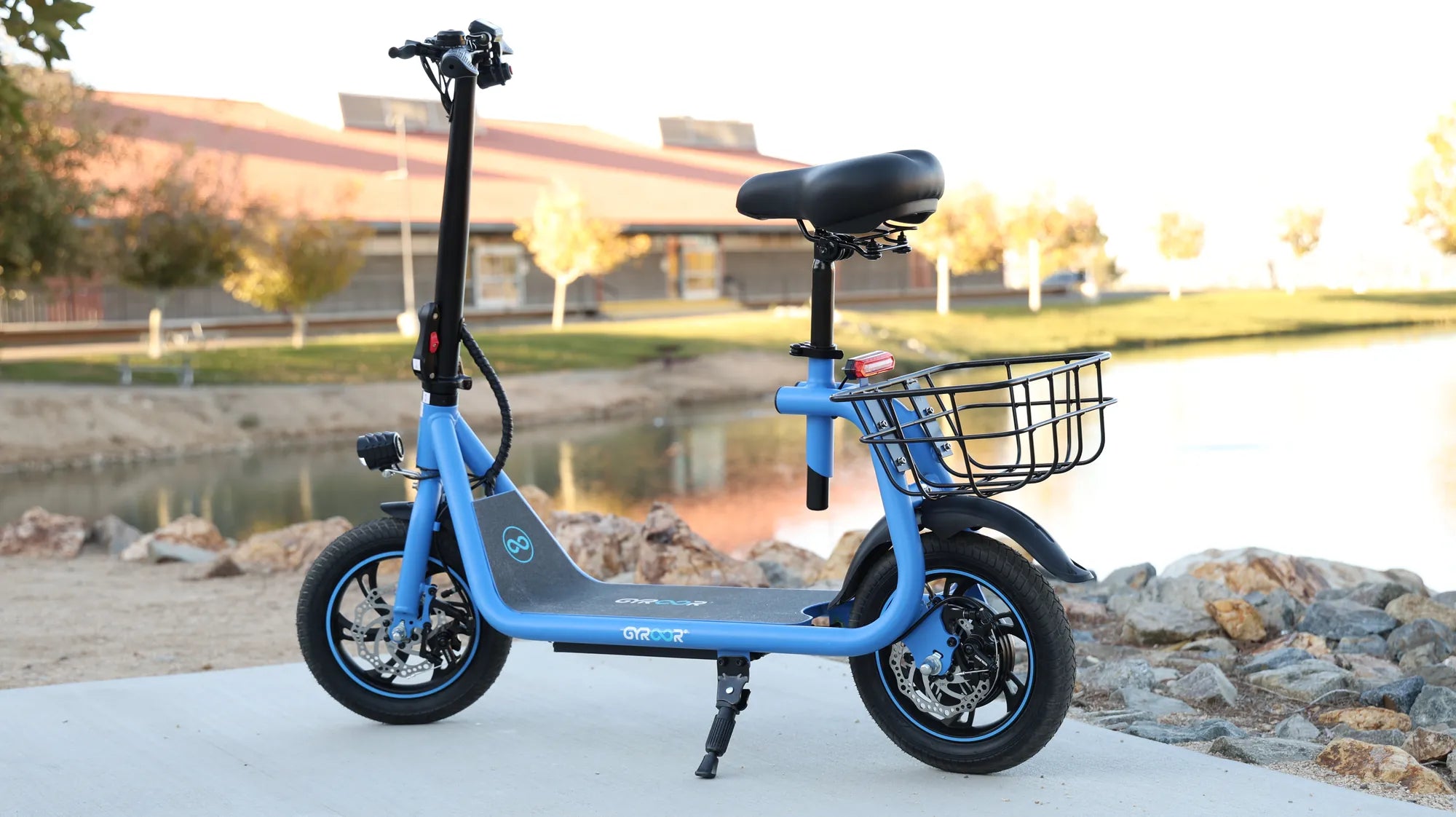
Introduction to the Electric Scooter Revolution in Ireland
Forget gridlocked city centres and soaring fuel prices. A quiet revolution is transforming urban mobility across Ireland, and it's powered by electricity. Adult electric scooters have emerged as a practical, efficient, and sustainable solution for navigating Ireland's towns and cities. This guide is your definitive resource for understanding this new mode of transport, from the legal framework to choosing the right model for Irish weather.
You will learn how to navigate the updated regulations, select a scooter built to handle rain and hills, and calculate your potential savings. We will demystify the key features that matter for commuting in Dublin, Cork, Galway, or Belfast. This isn't just about a new gadget; it's about embracing a smarter way to travel that benefits your wallet, your time, and the environment.
The shift is driven by necessity and opportunity. With urban congestion costing the economy and increasing climate action targets, personal electric vehicles offer a compelling alternative. This guide focuses on Adult Electric Scooters Ireland: The Ultimate Guide to Eco-Friendly Commuting, providing the factual, data-driven insights you need to make an informed decision and ride with confidence.
Navigating Irish E-Scooter Laws & Regulations
The legal landscape for privately owned e-scooters in Ireland was clarified with the enactment of the Road Traffic and Roads Act 2023. This legislation formally legalised their use on public roads, provided they meet specific criteria. Understanding these rules is the first and most critical step for any prospective rider in Ireland.
Under the current law, an e-scooter is classified as a "Powered Personal Transporter" (PPT). To be legal, it must have a maximum continuous rated power output not exceeding 500 watts. Crucially, it cannot be capable of exceeding 25 km/h on level ground. For all practical purposes, riders should adhere to the general urban speed limit and exercise caution.
Legal riding is permitted on public roads, in cycle lanes, and in cycle tracks. It is explicitly prohibited to ride an e-scooter on footpaths. This is a key safety rule designed to protect pedestrians. Riders must be at least 16 years of age, and carrying a passenger is not allowed. While not currently mandatory by law, wearing a helmet is strongly recommended for safety.
Key Legal Considerations for Riders
While the law provides a framework, responsibility lies with the rider. You are required to obey all standard rules of the road, including traffic lights and signs. Your e-scooter must be equipped with front and rear lights, reflectors, and a bell or audible warning device if used during lighting-up hours or in poor visibility.
There is no requirement for a driving license, vehicle tax, or NCT for e-scooters. However, the area of insurance requires careful attention. While not legally compulsory for the scooter itself, public liability insurance is highly advisable. This protects you if you are involved in an incident causing injury to another person or damage to property.
Purchasing from a reputable retailer is paramount for compliance. Reputable brands design their products to meet the power and speed specifications of key markets like Ireland. Using a modified or non-compliant scooter could invalidate insurance and leave you liable. Always check the manufacturer's specifications against Irish law before buying.
Choosing Your Perfect E-Scooter: A Buyer's Guide for Irish Conditions
Ireland's unique climate and urban topography demand specific features from an electric scooter. A model perfect for flat, dry climates may struggle on a damp, hilly street in Dun Laoghaire or Cork. Your buying decision should be guided by real-world performance, not just headline specifications on a website.
The core components to evaluate are motor power, battery range, and tire type. For tackling Irish hills, a motor with at least 350W of continuous power is recommended; 500W provides confident climbing ability. Battery range is often overstated. Consider that cold weather, hills, and headwinds can reduce advertised range by 30-40%. A scooter with a 25km claimed range might deliver 16-18km in typical Irish conditions.
Tires are your connection to the road. Pneumatic (air-filled) tires offer superior shock absorption and grip on wet cobblestones, potholes, and uneven surfaces, providing a more comfortable and safer ride. Solid or honeycomb tires eliminate the risk of punctures but result in a harsher ride and less traction in wet conditions.
| Feature | Ideal for Irish Conditions | Why It Matters |
|---|---|---|
| Motor Power | 350W - 500W | Provides adequate torque for hills in cities like Belfast or Limerick. |
| Real-World Range | 20km+ (minimum) | Accounts for battery drain from hills, wind, and low temperatures. |
| Tire Type | Pneumatic (Air-Filled) | Better grip and comfort on wet, uneven roads common in Ireland. |
| Water Resistance | IPX5 Rating or Higher | Essential protection against consistent rain and road spray. |
| Weight Limit | 120kg+ Capacity | Ensures durability and stable performance for a wide range of riders. |
Essential Features for the Irish Climate
Durability and weather resistance are non-negotiable. The Ingress Protection (IP) rating indicates a scooter's resistance to dust and water. For year-round commuting in Ireland, an IPX4 rating (protection from splashing water) is the absolute minimum. An IPX5 rating, which can withstand water jets from any direction, is the recommended standard for reliable performance in heavy rain.
Lighting is a critical safety feature, not an accessory. With short winter days and frequent overcast conditions, powerful front and rear lights are essential to see and be seen. Integrated brake lights that activate when you decelerate add an extra layer of communication with other road users. Reflective side panels or stickers further enhance visibility.
Braking performance is paramount on wet roads. A dual braking system, combining an electronic brake (regenerative) with a mechanical brake (disc or drum), provides reliable stopping power in all conditions. Disc brakes generally offer more consistent performance in the wet compared to drum brakes. Always test brakes in a safe area after riding in rain.
Why Gyroor is a Trusted Choice for Irish Riders
Selecting a brand that prioritises safety and reliability is crucial. Gyroor has established trust with over 100,000 riders across North America and Europe by engineering products that meet rigorous standards. For the Irish rider, this translates into specific, practical benefits that address local challenges directly.
Every Gyroor scooter uses UL-certified battery packs, tested for over 500 charge cycles. This certification is a benchmark for electrical and fire safety, offering peace of mind that the most critical component is reliable and secure. Furthermore, models like those in the Gyroor F-series feature IPX5 water-resistant construction, a key specification for confidently handling Ireland's rainy climate.
Beyond the hardware, Gyroor supports its products with a comprehensive 1-year warranty and accessible customer service. This commitment to post-purchase support ensures your investment is protected. When evaluating your options for an adult electric scooter in Ireland, these factors of certified safety, weatherproof design, and reliable warranty support make Gyroor a standout partner for eco-friendly commuting.
The Practical & Financial Benefits of E-Scooter Commuting in Ireland
The case for adopting an electric scooter extends far beyond environmental sentiment; it is grounded in significant practical and financial advantages. For the average Irish commuter, the savings can be substantial when compared to the costs of running a car or relying on public transport.
Let's consider a car commute in Dublin. Beyond the high upfront cost, you face fuel (approximately €1.80+ per litre), annual motor tax (€120-€280+), insurance (€1,000+ for many), maintenance, and parking fees (€2-€3 per hour in many areas, or €150+ monthly for a space). A 10km daily round trip by car can easily cost over €2,000 annually in direct costs, excluding depreciation.
In contrast, an e-scooter's running costs are minimal. A full charge costs mere cents in electricity. Maintenance is limited to occasional tire inflation, brake adjustments, and perhaps a new inner tube. There is no road tax, no NCT, and parking is typically free at designated bicycle racks. The annual cost of commuting by e-scooter is often less than 5% of the cost of car commuting.
Compared to public transport, an e-scooter offers door-to-door convenience and time savings. A bus trip that involves waiting and transfers might take 45 minutes for a journey that takes 15-20 minutes directly by scooter. Over a year, this time saving adds up to hundreds of hours. Environmentally, the benefit is clear: zero direct tailpipe emissions, contributing to cleaner air and helping Ireland meet its Climate Action Plan targets.
Safety First: Riding Tips and Maintenance in Ireland
Safe riding is a combination of the right equipment, defensive technique, and regular maintenance. Adopting a cautious mindset is essential, especially while sharing the road with larger vehicles in busy Irish urban centres.
Always perform a pre-ride check. Ensure tires are properly inflated, brakes are responsive, and all lights are functioning. Wear a helmet—it's the single most effective safety device. High-visibility clothing or a reflective vest is advisable, particularly in autumn and winter. Use hand signals to indicate your intentions to other road users clearly and in advance.
Ride defensively. Assume that drivers may not see you. Be particularly cautious at junctions, when passing parked cars (watch for opening doors), and on roundabouts. Maintain a safe distance from the curb to avoid drains and debris, and reduce speed in wet conditions, on cobblestones, or on painted road markings, which become slippery. Never use headphones while riding.
Essential Maintenance for Longevity
Regular maintenance ensures reliability and extends your scooter's lifespan. Keep the tire pressure at the manufacturer's recommended level (usually 40-50 PSI) to maximise range and prevent pinch flats. Regularly check brake pads for wear and adjust cable tension or have disc brakes serviced as needed.
Battery care is critical. Avoid letting the battery fully deplete; try to recharge when it reaches 20-30%. Store and charge the scooter in a dry, cool place. If not using the scooter for an extended period, store it with a 50-70% charge. After riding in rain, wipe down the scooter with a dry cloth, paying attention to the deck and stem to prevent corrosion or dirt buildup in moving parts.
Secure your investment with a high-quality lock. Use a hardened steel D-lock or heavy-duty chain lock to secure the scooter frame to a fixed, immovable object like a designated bike rack. Never leave your scooter unattended in an unsecure location for long periods, even if locked.
Mastering Your Commute: Route Planning and Etiquette
A successful e-scooter commute starts with smart route planning. The shortest route by car is not always the best or safest for a scooter rider. Use cycling maps or apps to identify routes with dedicated cycle lanes, quieter residential streets, and parks with shared paths.
Familiarise yourself with the locations of secure bicycle parking racks near your destination. Many Irish city councils are expanding this infrastructure. Plan for the weather by having waterproof gear readily available. A small backpack with a rain jacket, gloves, and a microfibre cloth can make a wet commute perfectly manageable.
Good riding etiquette fosters a positive perception of e-scooter users. Always yield to pedestrians, even in shared spaces. Keep your speed low when passing pedestrians or other vulnerable road users. Dismount and walk your scooter in crowded pedestrian areas or on narrow footpaths where cycling is permitted but space is limited. Your considerate behaviour helps build acceptance for this new form of mobility.
Frequently Asked Questions (FAQs) for Irish E-Scooter Riders
Q: Do I need insurance or a license for an e-scooter in Ireland?
A: You do not need a driving license. While third-party insurance is not a legal requirement for the scooter itself, public liability insurance is highly recommended to protect you in case of an accident causing injury or damage. Some home insurance policies may offer extension options.
Q: Can I ride my e-scooter in the rain?
A> Yes, provided your scooter has an adequate water resistance rating (IPX4 minimum, IPX5 ideal). However, you must adjust your riding: reduce speed, allow longer braking distances, avoid puddles of unknown depth, and be extra cautious on metal surfaces, painted lines, and cobblestones which become very slippery.
Q: How do I handle hills in cities like Dublin or Belfast?
A> Choose a scooter with sufficient motor power (350W-500W). Maintain momentum before the hill, and use a lower speed setting if your scooter has multiple modes. Lean forward slightly to keep weight over the front wheel for better traction. Be aware that climbing steep hills will consume battery power significantly faster.
Q: Where can I legally park my e-scooter?
A> Park at designated bicycle parking racks. It is illegal to park on footpaths in a way that obstructs pedestrians, especially those with disabilities or visual impairments. Do not lock your scooter to private property without permission. Some office buildings now offer secure micro-mobility parking.
Q: What is the real-world range I can expect on Irish roads?
A> A scooter advertised with a 30km range may achieve 18-22km in real-world Irish conditions, factoring in hills, wind, rider weight, and temperature. For a reliable daily commute, choose a model whose advertised range is at least 50% more than your longest regular trip.
Q: Are e-scooters allowed on public transport like buses or Luas?
A> Policies vary by operator. Generally, folded e-scooters are often permitted on buses and Luas at the driver's discretion, provided they do not obstruct aisles or other passengers. It is best to check directly with Transport for Ireland or the specific operator and to travel outside peak hours.
Conclusion: Embracing a Smarter, Greener Way to Travel
The journey towards sustainable urban mobility in Ireland is accelerating, and adult electric scooters are at the forefront. By understanding the legal framework, investing in a robust and suitable model designed for Irish conditions, and adopting safe riding practices, you can unlock a new level of commuting freedom. The financial savings are measurable, the time saved is invaluable, and the environmental contribution is meaningful.
This guide to Adult Electric Scooters Ireland: The Ultimate Guide to Eco-Friendly Commuting has provided the roadmap. The decision now is yours. Whether navigating the streets of Dublin, Cork, Galway, or Belfast, a reliable e-scooter offers a practical and enjoyable solution to modern transport challenges. It represents a conscious choice for efficiency, economy, and a lighter footprint on our environment.
Ready to transform your commute? Explore a range of durable, high-performance models engineered for reliability. Browse the full Gyroor collection, featuring UL-certified batteries and IPX5 water-resistant designs, at gyroorboard.com and join over 100,000 riders who have chosen a smarter way to move.
Electric Scooters Belgium: The Future of Urban Mobility
Best Electric Scooters for Kids in India: A Complete Buying Guide