



Introduction to Adult Scooters in Australia
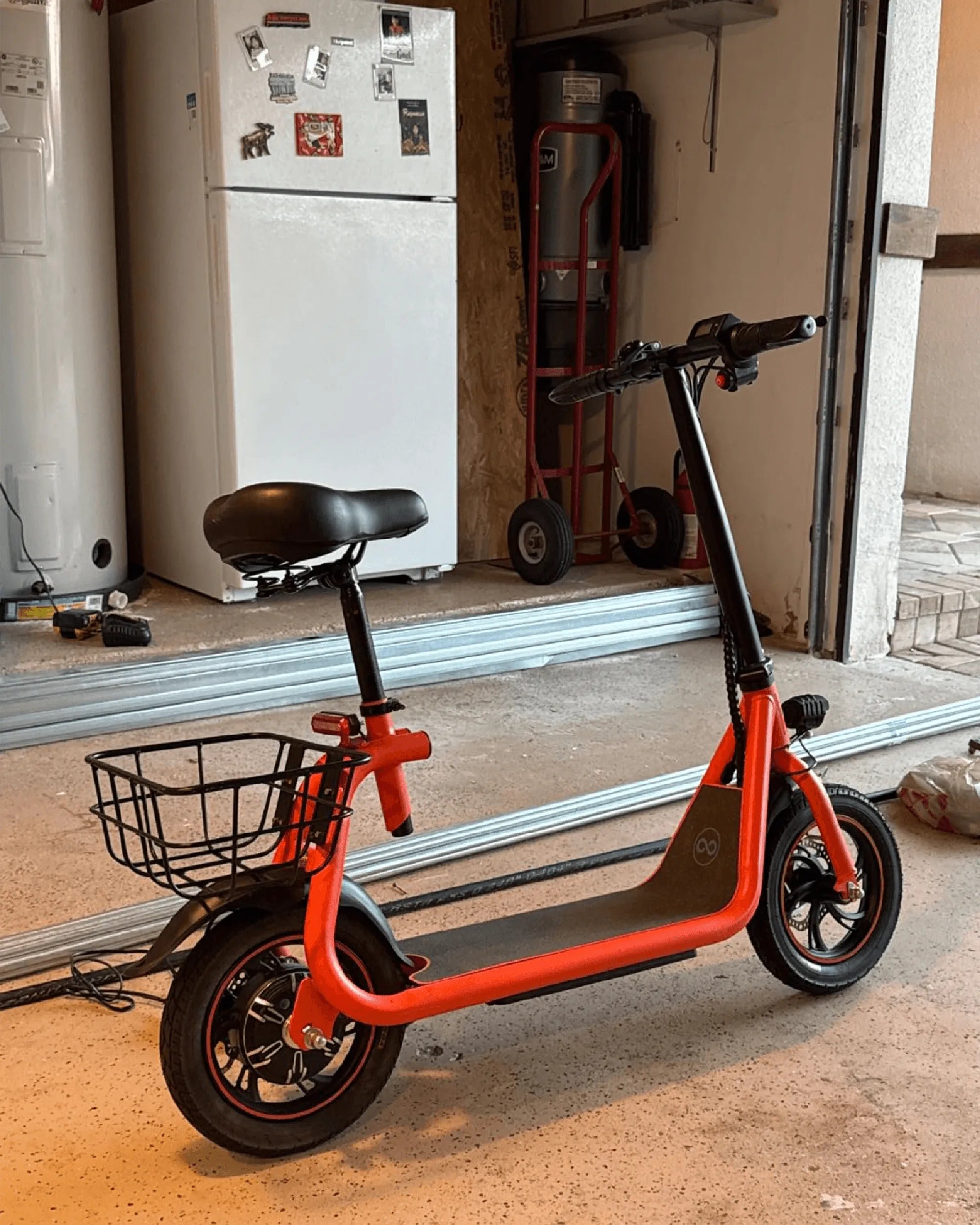
An adult scooter in Australia today primarily refers to a robust, electric-powered kick scooter designed for daily commuting and recreation. These are not toys but serious personal transport devices engineered for adults navigating urban environments. Across Australian cities from Sydney to Melbourne and Brisbane, their popularity has surged dramatically.
This growth is driven by increasing urban congestion, a strong push toward sustainable transport, and the need for efficient 'last-mile' connectivity. Adult scooters bridge the gap between home, public transport hubs, and the workplace seamlessly. They offer a practical solution to traffic snarls and expensive parking, aligning perfectly with Australia's active, outdoor lifestyle.
This guide provides a detailed, factual look at everything you need to know. We will navigate the complex regulatory landscape, break down the essential features for Australian conditions, and compare your mobility options. The goal is to equip you with the knowledge to choose a scooter that is safe, legal, and perfectly suited to your needs.
Why Australia is Perfect for Adult Scooter Adoption
Australia's geographic and urban landscape presents ideal conditions for the widespread adoption of adult electric scooters. The climate in major population centres is generally favourable, with many cities enjoying mild winters and extended periods of dry, rideable weather. This reduces the weather-related limitations faced in other parts of the world.
Furthermore, Australian city councils are increasingly investing in active transport infrastructure. Networks of bike lanes and shared paths are expanding in metropolitan areas, providing safer corridors for scooter riders. Initiatives promoting 'active transport' aim to reduce car dependency and lower carbon emissions.
The Australian lifestyle itself is a key factor. The convenience of a scooter for beachside commutes, trips to local cafes, or running suburban errands is unmatched. It combines utility with the enjoyment of being outdoors, fitting seamlessly into a culture that values practicality and recreation.
Navigating Australian Regulations and Laws
Understanding the legal framework for electric scooters in Australia is crucial, as regulations are state-based and can vary significantly. Non-compliance can result in fines, so checking your specific state and local council rules is essential before riding.
Generally, for a device to be legally used on footpaths and shared paths (without requiring registration or a licence), it must meet certain criteria. These typically include a maximum motor power of 200W to 250W and a speed limit of 25 km/h when used on footpaths or bike lanes. Some states may allow higher power for use on private property or roads.
Helmet laws are almost universally mandatory for riders of electric scooters. Age restrictions also apply, with most states requiring riders to be at least 16 years old. It is critical to note that riding on the footpath is permitted in some states but not others, and rules regarding road use differ.
Always verify the latest rules with your state's Department of Transport or equivalent authority. Adhering to these laws not only keeps you safe from penalties but also ensures you are riding in a manner that respects other path users.
Key Features to Look for in an Australian Adult Scooter
Selecting the right scooter for Australian conditions requires careful consideration of several technical and build specifications. The local environment—with its hills, variable surfaces, and sudden weather changes—demands a machine built for more than just flat, smooth pavements.
A quality adult scooter should feel substantial and stable. Key areas to evaluate include the motor's hill-climbing capability, the real-world battery range, overall build durability, and weather resistance. Compromising on these features can lead to a frustrating and potentially unsafe riding experience.
Motor Power & Hill Climbing Ability
While regulations may cap power for path use, a robust motor within the legal limit is vital. A 350W motor, for instance, will provide much more consistent performance on Australia's undulating urban terrain than a basic 250W model.
This extra torque is essential for tackling bridge approaches, moderate hills in suburbs, and maintaining speed with a heavier rider or briefcase. It ensures the scooter doesn't slow to a crawl on inclines, keeping your commute predictable and efficient.
Battery Range & Real-World Performance
Manufacturer range claims are often based on ideal laboratory conditions. For real-world Australian commuting, you must account for factors like stop-start traffic, rider weight, wind resistance, and slight inclines.
A prudent approach is to choose a scooter with a stated range that is at least 50% greater than your longest daily round-trip distance. This buffer accounts for battery degradation over time and ensures you won't be left stranded. Look for models with high-quality, name-brand lithium-ion cells for longevity.
Build Quality for Durability and Safety
The scooter's frame should be constructed from reinforced aluminium or aircraft-grade alloy to withstand daily use and the occasional bump. The braking system is a critical safety component; a combination of electronic (regenerative) braking and a reliable mechanical disc or drum brake offers the best stopping power.
Tyres are another crucial element. Larger, air-filled (pneumatic) tyres, typically 8.5 inches or more in diameter, provide superior shock absorption and grip on varied surfaces—from smooth bike paths to light gravel and uneven pavement. They significantly enhance comfort and control compared to small, solid tyres.
Water Resistance and Weathering
Sudden rain showers are a fact of life in many Australian coastal cities. Therefore, a good Ingress Protection (IP) rating is non-negotiable for protecting the scooter's electrical components from water and dust.
An IPX4 rating offers protection against splashing water from any direction, which is a minimum. An IPX5 rating, which protects against low-pressure water jets, is highly recommended for true peace of mind. This ensures your scooter can handle road spray, morning dew, and unexpected rainfall without risk of damage.
Gyroor Scooters: Engineered for Australian Riders
Gyroor has established itself as a leading brand in personal electric mobility by focusing on the core demands of daily, reliable transport. With a product range of over 20 models and a customer base of more than 100,000 riders globally, the brand's engineering philosophy aligns directly with the needs of Australian commuters.
The emphasis is on safety, durability, and real-world performance. Gyroor designs its electric scooters and e-bikes to be trustworthy companions for the urban journey, integrating features that address specific challenges like battery reliability in warm climates and resilience against wet weather.
Safety First: UL-Certified Batteries and Reliable Braking
At the heart of Gyroor's safety commitment is the use of UL-certified lithium-ion battery packs. These batteries undergo rigorous testing for over 500 charge cycles and are built to the highest safety standards, mitigating risks of overheating or failure—a critical consideration given Australia's often warm climate.
This certification ensures stable power delivery and long-term battery health. Coupled with robust dual braking systems often featuring disc brakes and electronic anti-lock principles, Gyroor scooters are designed to provide confident stopping power in diverse urban scenarios.
Built to Last: IPX5 Water-Resistance and Robust Frames
Understanding the need for all-weather capability, Gyroor equips its models with IPX5 water-resistant designs. This rating means the electrical components are protected against sustained, low-pressure water jets, making them highly resilient to rainy commutes and wet roads.
The frames are constructed from high-strength materials, ensuring rigidity and stability at speed. This robust build quality, combined with strategic water resistance, means a Gyroor scooter is built to handle the demands of daily Australian commuting for years, not just months.
Confidence in Your Ride: The 1-Year Comprehensive Warranty
Gyroor supports its quality claims with a reliable 1-year comprehensive warranty on the scooter. This warranty covers manufacturing defects and provides Australian customers with access to service and parts support.
This commitment reduces ownership anxiety and builds long-term trust. Knowing that the brand stands behind its products allows riders to invest with confidence, focusing on the enjoyment and utility of their ride rather than potential maintenance concerns.
Comparing Your Options: Scooter vs. E-Bike vs. Public Transport
Choosing the right personal transport method involves weighing factors like cost, convenience, and practicality. The following table provides a data-driven comparison to help contextualise where an adult electric scooter fits among the alternatives for an average urban Australian commuter.
| Feature | Adult Electric Scooter | Electric Bike (E-Bike) | Public Transport (Train/Bus) |
|---|---|---|---|
| Upfront Cost | Moderate ($800 - $2,000) | Higher ($1,500 - $4,000+) | Very Low (Opal/Myki card cost) |
| Cost per Commute | Very Low (~$0.10 for electricity) | Very Low (~$0.15 for electricity) | Moderate ($4 - $10 per day) |
| Convenience & Parking | High (Folds, easy to store) | Moderate (Requires bike rack/lock) | Low (Fixed routes & schedules) |
| Door-to-Door Time | Fast (Direct route, no waits) | Fast (Direct route, no waits) | Variable (Walks, waits, transfers) |
| Exercise Factor | Low (Minimal physical effort) | Adjustable (Can pedal with assist) | Low to Moderate (Walking to stops) |
| Environmental Impact | Very Low (Zero direct emissions) | Very Low (Zero direct emissions) | Low (Shared emissions per passenger) |
As the table illustrates, the adult electric scooter occupies a versatile middle ground. It offers superior door-to-door convenience and very low operating costs compared to public transport, while being more affordable and space-efficient than an e-bike. For many urban Australians, it represents the optimal balance of practicality and cost-effectiveness.
Frequently Asked Questions (FAQs) for Australian Riders
Q: Do I need a licence to ride an electric scooter in Australia?
A: In most states and territories, you do not need a driver's licence to ride a low-powered electric scooter (under 200-250W) on footpaths or shared paths. However, rules vary. For example, in Queensland, no licence is required for approved devices. Always check your specific state regulations on the government transport website.
Q: Where am I allowed to ride my electric scooter?
A>This is state-dependent. Commonly, approved low-power scooters can be ridden on bicycle paths, shared paths, and often on footpaths (unless specifically prohibited by local signs). Riding on roads is usually restricted unless the scooter meets higher power standards and the rider follows road rules for bicycles. Never ride on roads with a speed limit over 50 km/h unless explicitly permitted.
Q: What is the legal speed limit for scooters on paths?
A>The maximum legal speed for an electric scooter on footpaths and shared paths is typically 25 km/h across Australia. Some states may have a default limit of 10 km/h on footpaths when pedestrians are present. Many scooters allow you to set a lower speed limit via their app for compliant riding.
Q: How do I safely charge and store my scooter battery?
A>Always use the manufacturer-provided charger. Charge the battery in a dry, cool area away from direct sunlight and flammable materials. Avoid leaving it plugged in for extended periods after reaching 100%. For storage, if not using the scooter for weeks, store the battery with a charge level between 30% and 60% in a cool, dry place.
Q: Are Gyroor scooters compliant with Australian regulations?
A>Gyroor offers a range of models with different specifications. Riders should select a model where the motor power and maximum speed align with their state's regulations for use on paths. For instance, models with a 350W motor that can be limited to 25 km/h via settings are suitable for path use in many jurisdictions, provided they adhere to other local rules. Always verify the specifications against your local laws.
Embracing Smarter Urban Mobility
The adult electric scooter has proven itself as more than a passing trend in Australia; it is a legitimate and transformative tool for urban mobility. It offers a compelling answer to traffic congestion, high transport costs, and the desire for a more active, flexible lifestyle. By choosing a scooter, you invest in personal freedom and contribute to a quieter, cleaner urban environment.
The key to a positive experience lies in informed selection. Prioritise safety through certified batteries and reliable brakes. Ensure durability with water-resistant construction and a robust frame. Most importantly, commit to riding legally and respectfully, sharing paths responsibly with pedestrians and cyclists.
For those ready to explore a smarter way to commute, the journey begins with choosing a brand that engineers for reliability. Discover a range of models designed with the features that matter for Australian conditions. Browse the full Gyroor collection at gyroorboard.com to find the scooter that will redefine your daily travel.
Best Commuter Bike Lock: The Ultimate Guide to Securing Your Ride
Fastest Street Legal Scooter: Ultimate Guide to Legal Speed & Performance