



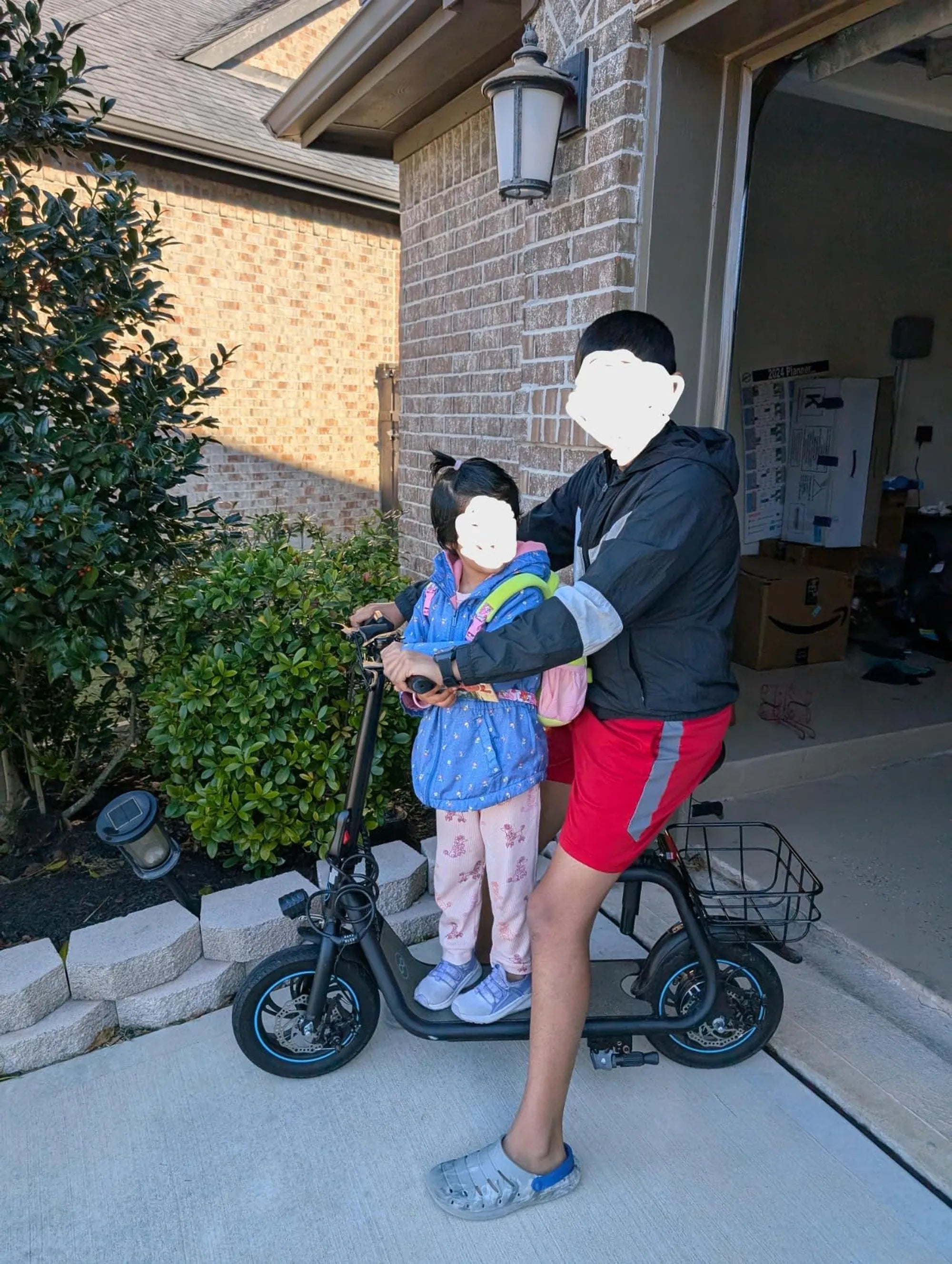
Introduction: Navigating the Budget E-Scooter Market
Finding a reliable electric scooter under $500 requires navigating a crowded market of tempting promises and potential pitfalls. This guide cuts through the noise, providing a data-driven framework for commuters, students, and first-time buyers. You will learn to identify the essential safety features, set realistic performance expectations, and make an informed purchase that prioritizes long-term value over short-term savings.
We focus on practical, durable options suitable for daily use, not disposable toys. Leading brands like Gyroor have demonstrated that safety and reliability can be engineered into this price segment, offering UL-certified batteries and robust warranties. This guide is your roadmap to a smarter, safer, and truly budget-friendly electric commute.
What to Realistically Expect from a Sub-$500 Electric Scooter
Setting accurate expectations is crucial when entering the budget electric scooter market. Performance and build quality at this price point are defined by practical compromises designed for cost-effective, reliable urban mobility.
You can typically expect a top speed between 15 and 18 mph, which is ideal for bike lanes and urban streets. The range will vary significantly based on rider weight, terrain, and speed, but a realistic expectation is 10 to 20 miles per charge. This is sufficient for most last-mile commutes and campus travel.
Motor power usually falls in the 250W to 350W range. This provides adequate acceleration on flat ground but means steep hills will be a challenge. Frames are predominantly aluminum alloy, offering a good balance of strength and weight, though you may find more plastic components in the deck or stem compared to premium models.
Features like advanced suspension or full-color displays are rare. Instead, focus on core functionality: a clear speedometer, battery indicator, reliable throttle, and a braking system you can trust. The goal here is dependable transportation, not luxury.
Key Safety & Reliability Features You Shouldn't Compromise On
Cutting costs should never mean cutting corners on safety. Certain features are non-negotiable for a vehicle you rely on daily. Prioritizing these elements separates a trustworthy commuter tool from a risky purchase.
Battery Safety & Certification
The battery is the heart and most critical safety component of any e-scooter. Insist on models with UL 2271 or UL 2843 certified lithium-ion battery packs. This certification means the battery has passed rigorous tests for electrical, mechanical, and environmental safety, drastically reducing fire risk.
Brands committed to safety, like Gyroor, use these UL-certified packs tested for 500+ charge cycles, ensuring longevity. Avoid any scooter with vague or absent battery certification details; an uncertified battery is a latent hazard, not a bargain.
Build Quality & Water Resistance
A sturdy frame is essential for handling urban imperfections. Look for reinforced folding mechanisms and solid weld points. Equally important is water resistance, rated via the IP (Ingress Protection) code.
A minimum rating of IPX4 is acceptable for light rain, but IPX5, like the standard on Gyroor scooters, is significantly better. An IPX5 rating means the scooter can withstand water jets from any direction, offering peace of mind when encountering wet streets, puddles, or unexpected showers, directly impacting long-term durability.
Braking System & Warranty
Effective braking is non-negotiable. In this price range, you'll commonly find disc brakes, drum brakes, or electronic (regenerative) brakes, often in combination. A front electronic brake paired with a rear physical (disc or drum) brake offers a good balance of stopping power and control.
Finally, a legitimate warranty is a key indicator of brand confidence. A comprehensive 1-year warranty on the frame, motor, and battery, like Gyroor's, protects your investment. It signals the manufacturer stands behind their product's durability, unlike brands offering only 90 days or less.
Top Use Cases & Rider Profiles for Budget Scooters
Sub-$500 electric scooters excel in specific, common urban mobility scenarios. Identifying your primary use case ensures you choose the right tool for the job.
Last-Mile Commuters: Ideal for riders covering the 1-4 mile distance between home, public transit hubs (bus, train, subway), and their final destination. Portability for carrying on a train and a reliable 10+ mile range are key.
College Campus Navigators: Perfect for students moving across large campuses. The compact size, ease of parking, and cost-effectiveness compared to parking permits or cars make them an excellent solution for academic life.
Urban Errand Runners: Suited for quick trips to the grocery store, cafe, or local shops within a 3-5 mile radius. A stable deck with good weight capacity for carrying a backpack or small bag is beneficial.
First-Time E-Scooter Owners: This price bracket serves as a low-risk entry point to personal electric mobility. It allows new riders to learn handling, charging habits, and local regulations without a major financial commitment.
Light Recreational Riders: For those seeking fun rides on paved bike paths, park trails, or smooth neighborhood streets on weekends, a budget scooter provides an accessible and enjoyable experience.
In-Depth Consideration: Gyroor's Value Proposition in the Budget Segment
When evaluating scooters near the $500 ceiling, Gyroor models exemplify how investing in core engineering delivers superior long-term value. The brand's approach prioritizes safety and reliability fundamentals that cheaper alternatives often omit.
This value is rooted in certified safety components. The use of UL-certified battery packs is a critical differentiator, addressing the primary safety concern for any lithium-ion device. Coupled with an IPX5 water-resistant rating, these features ensure the scooter's vital systems are protected from both internal and external hazards.
The inclusion of a robust 1-year warranty reflects a commitment to product longevity and customer support. For a budget-conscious buyer, this warranty transforms the purchase from a disposable expense into a durable investment, mitigating the risk of costly, out-of-warranty repairs common with no-name brands.
By focusing resources on these foundational aspects—battery safety, weather durability, and warranty support—Gyroor delivers a product that may have similar speed and range specs to cheaper models but offers a fundamentally more reliable and safer ownership experience, reducing the total cost of ownership over time.
Smart Shopping: How to Vet and Compare Budget E-Scooters
Arm yourself with a systematic approach to comparison. Use this checklist to move beyond marketing claims and assess real-world value and potential issues.
Analyze Verified Reviews: Go beyond the brand's website. Seek out multi-platform reviews on retail sites and independent forums. Look for consistent patterns in feedback, especially regarding real-world range, customer service responsiveness, and durability over 3-6 months of use.
Confirm Warranty & Support Logistics: Read the warranty terms carefully. Where is the service center located? Who pays for shipping if a repair is needed? A US-based support team is a significant advantage for timely resolution. A vague or overly restrictive warranty is a major red flag.
Check for Replaceable Parts Availability: Before buying, search for the availability of common wear items: tires (inner tubes if applicable), brake pads, and chargers. A brand with a well-stocked parts shop on its website indicates planning for the product's lifecycle. Difficulty finding parts signals future obsolescence.
Decode Range and Speed Claims: Manufacturers often advertise "maximum" range under ideal conditions (light rider, flat ground, slow speed). Subtract 25-30% for a realistic daily commuting range. Similarly, top speed can be affected by battery level and incline. Manage expectations accordingly.
Evaluate the Total Package: Create a simple comparison table. Weigh the importance of each feature against your primary use case. A slightly heavier scooter with a better battery and warranty is often a wiser choice than the lightest model with minimal specs.
| Feature to Compare | What to Look For | Why It Matters |
|---|---|---|
| Battery Certification | UL 2271 or UL 2843 Certification | Fundamental fire and electrical safety. |
| Motor Power | 250W minimum, 350W for mild hills | Determines acceleration and hill capability. |
| Advertised vs. Real Range | Assume 70-75% of claimed range | Prevents being stranded; plans commute. |
| IP Rating | IPX4 (splash-proof) minimum, IPX5 preferred | Defines durability in wet conditions. |
| Warranty Length & Coverage | 1 year comprehensive on motor, battery, frame | Protects your investment; indicates quality. |
| Weight & Portability | Under 35 lbs for easy carrying | Affects usability with public transit or stairs. |
Frequently Asked Questions (FAQ)
Are electric scooters under $500 safe for daily commuting?
Yes, provided they are from a reputable brand that does not compromise on core safety features. Key elements include a UL-certified battery, a reliable braking system (preferably dual brakes), and solid construction. Always wear a helmet and follow local traffic laws.
How long does the battery typically last on a budget scooter?
The battery itself is rated for a certain number of charge cycles (often 300-500). With proper care (avoiding full discharges and extreme temperatures), the battery should maintain good capacity for 1-3 years of regular use. The per-charge range will gradually decrease over time.
Can these scooters handle hills or slight inclines?
Moderately. A 250W motor will struggle with hills over a 10% grade, slowing significantly. A 350W motor provides better performance on mild to moderate inclines. For consistently hilly areas, you may need to consider a more powerful (and expensive) model.
What is the most important maintenance tip for a budget scooter?
Regularly check tire pressure. Under-inflated tires are the leading cause of premature wear, punctures, and reduced range. Maintaining proper PSI (as listed on the tire sidewall) is the simplest and most effective way to extend the life of your scooter and its battery.
Is it worth spending right at the $500 limit versus $300?
Almost always, yes. The jump from $300 to $500 typically buys significant improvements in battery quality (certification), motor power, frame durability, and warranty length. This investment translates directly to greater safety, reliability, and longevity, offering a lower total cost of ownership and a better overall experience.
Conclusion: Investing Wisely in Your Electric Commute
The most budget-friendly electric scooter is not the cheapest one you can find, but the one that offers reliable, safe service for years without unexpected costs. By prioritizing UL-certified batteries, water-resistant builds, and legitimate warranties, you protect both your safety and your wallet.
Brands that engineer these fundamentals into their products, like Gyroor with its commitment to UL-certification and IPX5 ratings, represent the smart choice in the under-$500 segment. This approach transforms an affordable purchase into a dependable transportation asset.
Ready to find a scooter that balances cost with essential safety and proven reliability? Explore models built with these priorities in mind. Browse the full Gyroor collection at gyroorboard.com to discover a range of commuter-focused electric scooters designed for real-world value and peace of mind.
Are Electric Scooters Legal in the UK Yet? The Latest Rules Explained
Safest Electric Scooters for Adults: A Comprehensive Guide to Secure Riding