

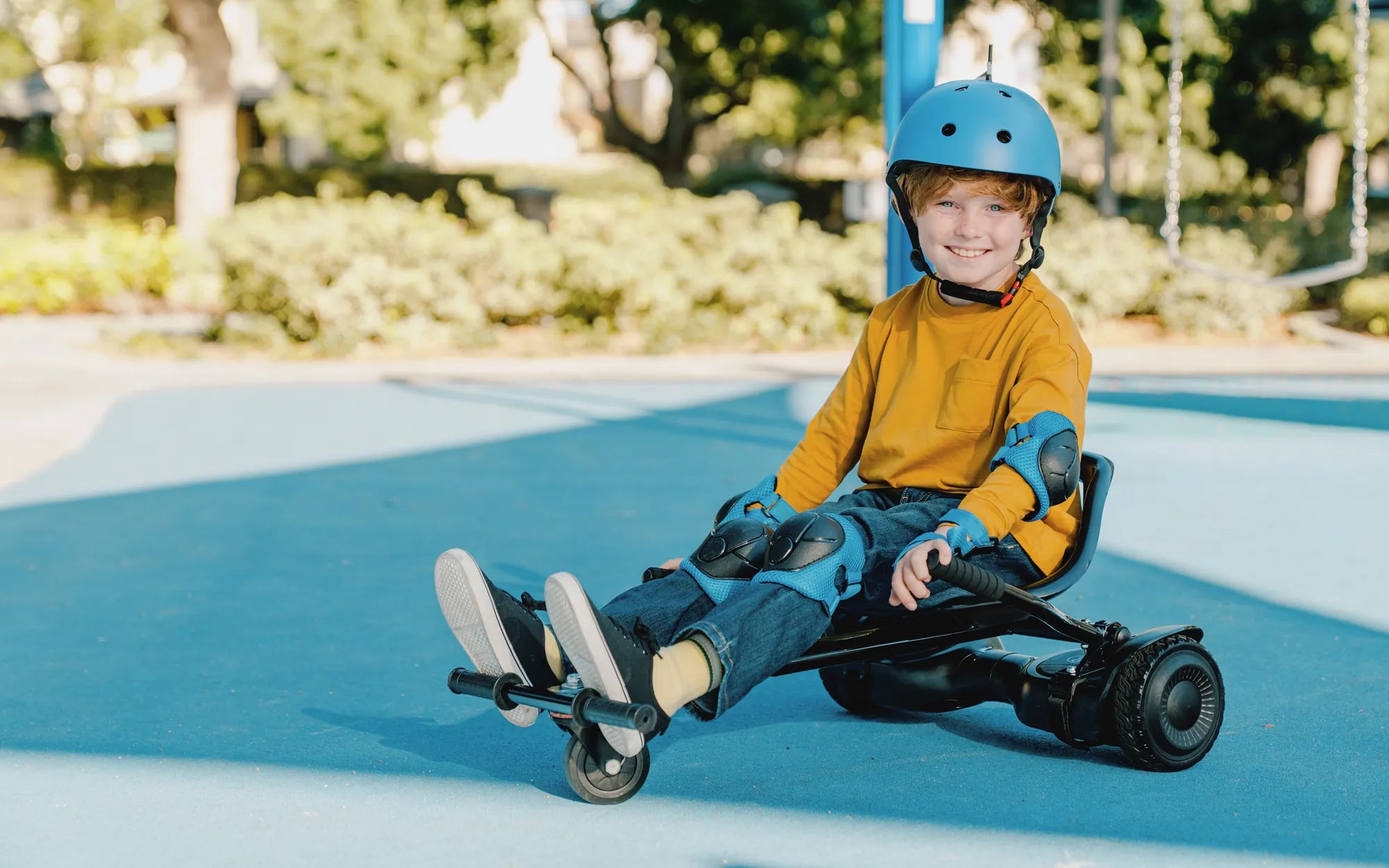
Hoverboards have taken the world by storm, offering a fun and futuristic way to get around. But before you let your child hop on one, it's essential to understand the age recommendations for hoverboards. These guidelines aren't just arbitrary—they're designed to keep kids safe while they enjoy this exciting ride.
Why Age Recommendations for Hoverboards Matter
Age recommendations for hoverboards exist for a reason. These devices require balance, coordination, and a certain level of physical maturity to operate safely. Younger children may lack the motor skills needed to control a hoverboard, increasing the risk of falls and injuries. Manufacturers and safety organizations provide age guidelines to help parents determine if their child is ready for this responsibility.
General Age Guidelines for Hoverboard Use
Most hoverboards are recommended for children aged 8 and up. However, this can vary depending on the model and its speed capabilities. Here's a breakdown of common age recommendations:
- Ages 6-8: Some beginner models with lower speeds and enhanced stability features may be suitable, but adult supervision is strongly advised.
- Ages 8-12: Many standard hoverboards are designed for this age group, with moderate speed limits and beginner-friendly features.
- Ages 12+: Advanced models with higher speeds and more complex controls are typically recommended for teens and adults.
Factors to Consider Beyond Age
While age is a key factor, it's not the only one. Parents should also consider their child's:
- Physical Ability: Can the child balance and react quickly to avoid obstacles?
- Maturity Level: Will they follow safety rules and avoid reckless behavior?
- Weight Limit: Hoverboards have weight restrictions—ensure your child falls within the specified range.
Safety Tips for Young Hoverboard Riders
If your child meets the age recommendations for hoverboards, these safety tips can help prevent accidents:
- Always wear a helmet, knee pads, and elbow pads.
- Start in a safe, open area away from traffic and obstacles.
- Supervise younger children until they demonstrate confidence and control.
- Avoid wet or uneven surfaces that could cause slips or falls.
What Experts Say About Hoverboard Safety
Pediatricians and safety advocates emphasize the importance of adhering to age recommendations for hoverboards. Studies show that younger children are more prone to injuries due to their developing coordination. Experts also recommend checking for safety certifications, such as UL2272, which ensures the hoverboard meets electrical and fire safety standards.
Alternatives for Younger Children
If your child is too young for a hoverboard, consider safer alternatives like balance bikes or scooters. These options help build the skills needed for hoverboard use later on.
Hoverboards can be a blast, but safety should always come first. By following age recommendations and taking precautions, you can ensure your child enjoys their ride without unnecessary risks. Ready to make an informed decision? Keep these tips in mind before your next purchase!
Are Hoverboards Illegal in Canada? Here's What You Need to Know
All Terrain Hoverboards UK: The Ultimate Off-Road Adventure