

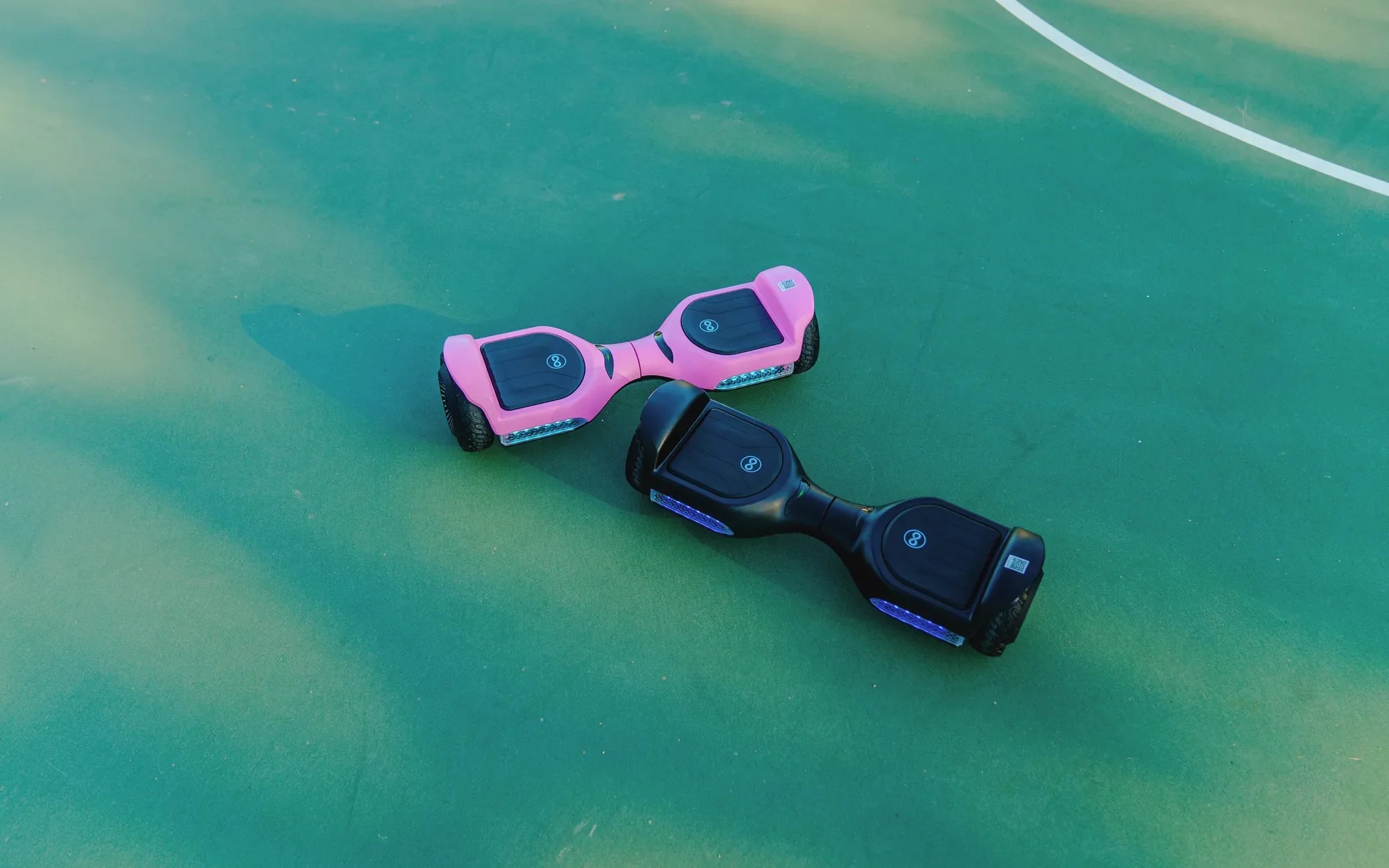
Introduction: What is an All-Terrain Hoverboard?
An all-terrain hoverboard is a rugged, motorized self-balancing scooter specifically engineered to conquer surfaces beyond smooth pavement. Unlike standard models with small, solid wheels, these off-road machines feature large, air-filled tires, powerful dual motors, and reinforced frames. This guide will walk you through everything from key specifications and safety protocols to maintenance and brand selection. You'll learn how to evaluate models, ride safely on unpredictable terrain, and understand why investing in a properly engineered board is crucial for both performance and durability.
The core appeal is freedom. An all-terrain hoverboard unlocks access to parks, dirt paths, gravel trails, and grassy fields. It transforms a novelty ride into a legitimate tool for exploration and adventure. Leading brands like Gyroor, trusted by over 100,000 riders, design these vehicles with the specific stresses of off-road use in mind, incorporating features like UL-certified batteries and IP-rated water resistance.
The Anatomy of an Off-Road Hoverboard: Key Features to Look For
Choosing the right all-terrain hoverboard requires understanding its fundamental engineering. These components work in concert to provide the torque, traction, and toughness needed for challenging landscapes. Compromising on any of these key areas can lead to poor performance, reduced safety, or premature failure.
Focus on three pillars: mobility systems (tires and motors), energy systems (battery), and protective systems (build and sealing). A high-quality off-road board will excel in all three, not just one. The following sections break down each critical component.
Rugged Tire Design and Size
Tires are your first point of contact with the terrain and arguably the most defining feature. All-terrain models use pneumatic (air-filled) tires, typically ranging from 8.5 to 10 inches in diameter. The air cushion absorbs shocks from rocks, roots, and bumps, providing a significantly smoother and more stable ride than the hard, jarring feel of solid street wheels.
The tread pattern is equally important. Look for deep, aggressive knobs similar to those on mountain bike or all-terrain vehicle tires. This lugs design provides essential grip on loose surfaces like dirt, sand, and gravel. Larger tire diameter also increases the board's ground clearance, helping it roll over larger obstacles without getting stuck or damaging the undercarriage.
Powerful Dual Motors and Battery Life
Off-road riding demands substantial power. Look for a board with dual motors rated at a minimum of 500 watts each; many high-performance models offer 700W or more per motor. This combined wattage translates directly to torque—the rotational force that allows you to climb hills, accelerate through grass, and maintain speed on uneven ground.
Battery capacity, measured in watt-hours (Wh), dictates your real-world range. A larger battery (e.g., 440Wh vs. 330Wh) provides more energy for longer adventures. Crucially, the strain of off-roading consumes power faster than street riding. Therefore, a high-capacity battery paired with efficient motors is non-negotiable for serious exploration. Always verify the battery's certification for safety.
Build Quality and Protection Ratings
The frame must withstand constant vibration and occasional impacts. Aircraft-grade aluminum alloy frames offer an excellent balance of strength and lightweight durability. The overall construction should feel solid, with no excessive flex or creaking.
Protection against the elements is critical. An Ingress Protection (IP) rating indicates resistance to dust and water. For off-road use, a rating of IPX4 (splash-resistant) is the bare minimum, but IPX5 (protected against water jets from any direction) is the recommended standard for confidently riding through puddles and light rain. Gyroor models, for instance, are built to this IPX5 standard, safeguarding internal electronics from trail debris and moisture.
Why Choose an All-Terrain Model? Benefits Over Standard Hoverboards
An all-terrain hoverboard isn't just a variant; it's a capability upgrade. It expands your riding universe from a few square blocks of sidewalk to entire parks, campsites, and trail networks. The benefits are practical, tangible, and directly enhance the riding experience.
Standard hoverboards are designed for controlled indoor or pristine outdoor surfaces. Their small, solid wheels struggle with cracks, transitions, and any form of debris. An all-terrain model removes these limitations, offering true riding freedom. The investment translates directly into more rideable days and more interesting destinations.
Conquer Diverse Landscapes
The primary advantage is surface versatility. A capable all-terrain hoverboard can handle transitions from asphalt to grass to a packed dirt trail without hesitation. It manages gravel driveways, sandy paths, and slightly muddy conditions that would immediately stop a street model. This capability turns the board into a genuine recreational vehicle for exploring nature, campus landscapes, or uneven urban environments.
Enhanced Stability and Comfort
Large pneumatic tires act as natural shock absorbers. They dampen vibrations from rough terrain, reducing fatigue for your feet, ankles, and legs. This increased stability also boosts rider confidence, making it easier to maintain balance over unexpected bumps. The ride quality is fundamentally more comfortable and controlled, allowing for longer, more enjoyable sessions.
Year-Round and All-Weather Versatility
With their robust construction and higher water resistance, all-terrain models are more resilient in variable conditions. While not submersible, they can handle damp morning grass, wet pavement, and light precipitation that would risk damaging a non-rated board. This durability makes them a more reliable transportation or leisure option throughout more seasons of the year.
Safety First: Essential Gear and Riding Practices for Off-Road
Off-road riding introduces unpredictability. Safety is not an optional add-on; it's an integral part of the sport. Proper gear and smart practices are your best defense against the increased risks posed by uneven ground, higher speeds, and remote locations.
Adopting a safety-first mindset protects your investment in the board and, more importantly, in yourself. The following protocols should become as routine as checking your battery level before a ride.
Mandatory Protective Gear
Never ride off-road without a helmet. A full-face mountain biking helmet is highly recommended for superior protection. Wrist guards are essential, as falls often involve putting hands out to brace impact. Knee and elbow pads protect joints from abrasions and impacts. Always wear sturdy, closed-toe shoes with good grip to maintain control of the footpads.
Pre-Ride Checklist and Terrain Scouting
Before every ride, conduct a quick inspection. Check tire pressure (maintain the PSI recommended in the manual), ensure the battery is adequately charged, and look for any loose parts or damage to the frame and tires. When approaching a new trail, if possible, walk it first to identify major hazards like large rocks, deep ruts, or low-hanging branches.
Mastering Off-Road Techniques
Weight distribution is key. Lean forward slightly when climbing hills to keep traction on the rear wheels. On descents, shift your weight back and use controlled, gentle braking to avoid skidding. Approach obstacles like rocks or roots at a 90-degree angle when possible. Practice emergency dismounts on a soft surface like grass so you can step off safely if you lose control.
Gyroor's Commitment to Reliability: What Sets Our All-Terrain Models Apart
In a market with varying quality, Gyroor engineers its all-terrain hoverboards to meet the rigorous demands of off-road use. Our philosophy centers on verified safety, durable construction, and rider support. This commitment translates into specific features and policies that provide long-term value and peace of mind.
We understand that a rider's trust is earned through performance and safety standards, not just marketing claims. Every design decision, from battery sourcing to seal selection, is made with the challenging reality of trail riding in mind.
UL-Certified Battery Safety for Peace of Mind
Gyroor exclusively uses UL 2272 certified battery packs. This independent testing standard is critical, especially for off-road boards that experience more vibration and physical stress. It certifies the battery's resilience against overcharging, short-circuiting, and other failure modes, significantly reducing any risk of thermal events. This certification is a non-negotiable foundation for a safe riding experience.
Built to Endure: IPX5 and Robust Construction
Our all-terrain models are built to an IPX5 water-resistant standard. This engineering provides a substantial defense against water spray from puddles and wet terrain, protecting the sensitive motor controllers and wiring inside. Coupled with a reinforced aluminum frame and high-tensile components, Gyroor boards are designed to endure the bumps and jolts of off-pavement adventures season after season.
Riding with Confidence: The 1-Year Warranty
We stand behind our products with a comprehensive 1-year warranty on the board and a 6-month warranty on the battery. This warranty coverage, backed by accessible customer support, ensures that your investment is protected. It reflects our confidence in the quality and durability of our components, allowing you to ride with the assurance that you are supported by the brand.
All-Terrain Hoverboard vs. Other Personal Electric Transport
Choosing the right electric ride depends on your primary use case. The following table compares an all-terrain hoverboard to other popular options, highlighting where each excels.
| Vehicle Type | Best For | Terrain Capability | Portability | Learning Curve |
|---|---|---|---|---|
| All-Terrain Hoverboard | Off-road trails, grass, gravel, recreational exploration | Excellent (Pneumatic tires, high clearance) | High (Compact, carry by hand) | Moderate (Requires balance) |
| Street Hoverboard | Smooth indoor surfaces, pavements, sidewalks | Poor (Small solid tires) | High | Moderate |
| Electric Scooter | Urban commuting, paved paths, longer distances | Fair (Larger wheels but often solid) | Moderate (Folding design) | Low (Intuitive) |
| Electric Bike (E-Bike) | Long-range travel, cargo/passenger carrying, steep hills | Good (with mountain bike tires) | Low (Bulky, heavy) | Low (Like a bicycle) |
| Electric Skateboard | Paved roads, smooth bike paths, carving | Poor to Fair (depends on wheel size) | Moderate | High (Balance + remote control) |
As shown, the all-terrain hoverboard occupies a unique niche for portable, off-pavement fun where balance-based control is part of the appeal. It is less suited for long-distance commuting than an e-bike or e-scooter but far more capable on natural surfaces.
Frequently Asked Questions (FAQ)
Q1: What is the real-world range I can expect on off-road trails?
Range varies based on battery capacity, rider weight, terrain, and temperature. On challenging off-road trails, expect 30-50% less range than the manufacturer's pavement estimate. A board with a 440Wh battery might achieve 10-14 miles on trails, compared to 15-18 miles on smooth streets. Always start with a full charge and plan a conservative return route.
Q2: Can I ride an all-terrain hoverboard in the rain or through puddles?
Models with an IPX5 rating, like those from Gyroor, are protected against water jets and can safely handle light rain, wet grass, and riding through shallow puddles. However, they are not waterproof or submersible. Avoid heavy downpours, deep standing water, and submerging the board. Always dry it off after riding in wet conditions.
Q3: How steep of a hill can an all-terrain hoverboard climb?
This depends on motor power and rider weight. A quality all-terrain model with 500W+ motors per side can typically handle inclines of 15-20 degrees. Very powerful models may approach 30 degrees under ideal conditions. Always check the manufacturer's specified hill-climbing grade. Remember to descend hills slowly and with control.
Q4: Is there a significant learning curve compared to a street hoverboard?
The basic balancing skill is identical. However, off-road riding requires additional technique for handling bumps, loose surfaces, and inclines. The larger tires and more stable platform of an all-terrain board can actually make initial balancing easier for some beginners. Practice basic maneuvers on flat grass before tackling trails.
Q5: What maintenance does an off-road hoverboard require?
Regular maintenance is simple but crucial. Check and maintain proper tire pressure monthly. Keep the board clean; wipe off mud and debris after rides, especially around the wheel wells and charging port. Inspect tires for wear or damage. Store in a cool, dry place and avoid leaving the battery fully depleted for extended periods. Refer to your user manual for specific lubrication and bearing checks.
Conclusion: Unleash Your Adventure
An all-terrain hoverboard redefines personal electric mobility by breaking the constraints of the pavement. It offers a unique blend of portability, rugged capability, and pure fun, opening up a world of exploration in your local park, trail system, or even your own backyard. The key to a rewarding experience lies in selecting a well-engineered board from a reputable brand that prioritizes safety features like UL-certified batteries and proper water resistance.
By investing in quality, equipping yourself with the right safety gear, and practicing responsible riding techniques, you transform a novel gadget into a reliable adventure companion. The path beyond the sidewalk awaits—it's time to ride on your terms. Ready to explore? Browse the full Gyroor collection, featuring UL-certified, IPX5-rated all-terrain models, at gyroorboard.com.
Buy Kids Scooter: The Ultimate Guide to Choosing the Perfect Ride
Buy Kids Scooter: The Ultimate Guide to Choosing the Perfect Ride