


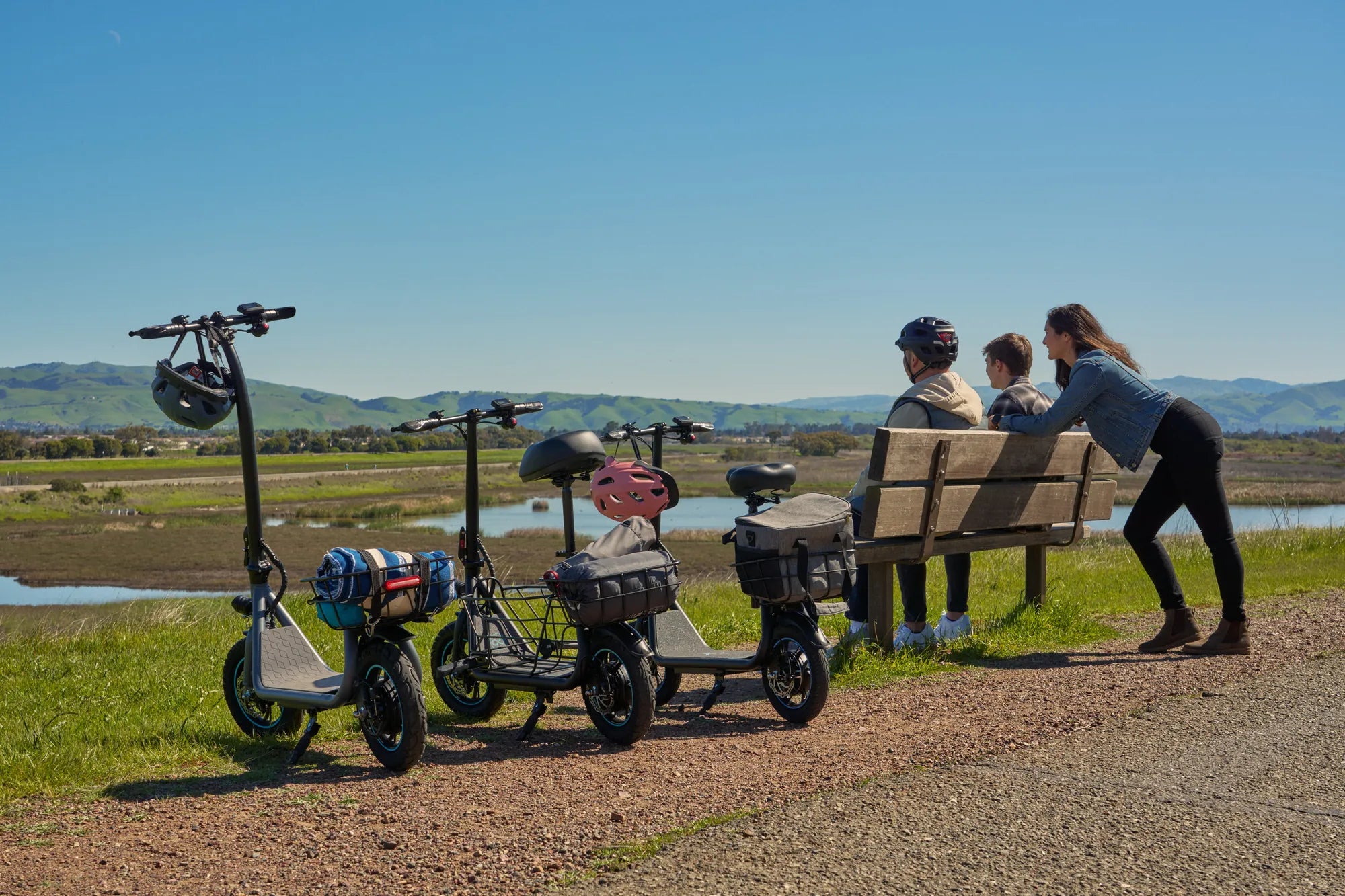
Electric bikes have revolutionized personal transportation, offering an eco-friendly and efficient way to commute. But one question lingers in the minds of many riders: are ebike batteries universal? The answer isn't as straightforward as you might think. While some batteries may appear interchangeable, several factors determine whether a battery will work with your specific ebike model. Let's dive into the details to help you make an informed decision.
Understanding Ebike Battery Types
Ebike batteries come in various shapes, sizes, and chemistries. The most common types include:
- Lithium-ion (Li-ion): Lightweight and long-lasting, these are the most popular choice.
- Lithium Polymer (LiPo): Flexible in design but requires careful handling.
- Nickel-Metal Hydride (NiMH): Older technology, less common in modern ebikes.
Each type has unique characteristics that affect compatibility, performance, and lifespan.
Key Factors That Determine Battery Compatibility
Just because two batteries look similar doesn't mean they'll work interchangeably. Here are the critical factors to consider:
Voltage Requirements
Ebike motors are designed to operate at specific voltages, typically 36V, 48V, or 52V. Using a battery with the wrong voltage can damage your motor or electronics.
Connector Types
Batteries use different connectors to interface with the bike's system. Common types include:
- XT60
- Anderson Powerpole
- Proprietary connectors
Mismatched connectors will prevent the battery from working with your bike.
Battery Management System (BMS)
The BMS regulates power flow and protects the battery. Some systems are designed to work only with specific battery models.
Physical Dimensions and Mounting
Batteries must physically fit your bike's frame and mounting system. Even small size differences can make a battery incompatible.
When Can You Use a Universal Ebike Battery?
Some situations allow for more flexibility in battery choice:
- Aftermarket conversion kits often accept various battery types
- Some manufacturers use standardized components
- Third-party batteries designed as direct replacements
Always verify compatibility before purchasing a replacement battery.
Risks of Using Incompatible Batteries
Attempting to use the wrong battery can lead to:
- Reduced performance
- Potential safety hazards
- Voided warranties
- Damage to your ebike's electrical system
How to Ensure Battery Compatibility
Follow these steps to find the right battery:
- Check your ebike's specifications
- Measure your current battery's dimensions
- Note the connector type
- Verify voltage and amp-hour ratings
- Consult with the manufacturer or a reputable dealer
The Future of Ebike Battery Standardization
While complete universal compatibility remains unlikely, some industry trends are moving toward greater standardization:
- Growing adoption of common voltage standards
- Increased use of universal connector types
- Development of modular battery systems
These developments may make battery swapping easier in the future.
Choosing the right ebike battery doesn't have to be confusing when you know what to look for. While universal compatibility isn't yet a reality, understanding these key factors will help you find the perfect power source for your electric bike. Whether you're replacing an old battery or upgrading for better performance, taking the time to ensure proper compatibility will pay off in the long run with safer rides and better performance.
Mountain Bike Trike: The Ultimate Off-Road Adventure Machine
Bump Start Dirt Bike: A Complete Guide to Kickstarting Your Ride Without a Kickstarter