



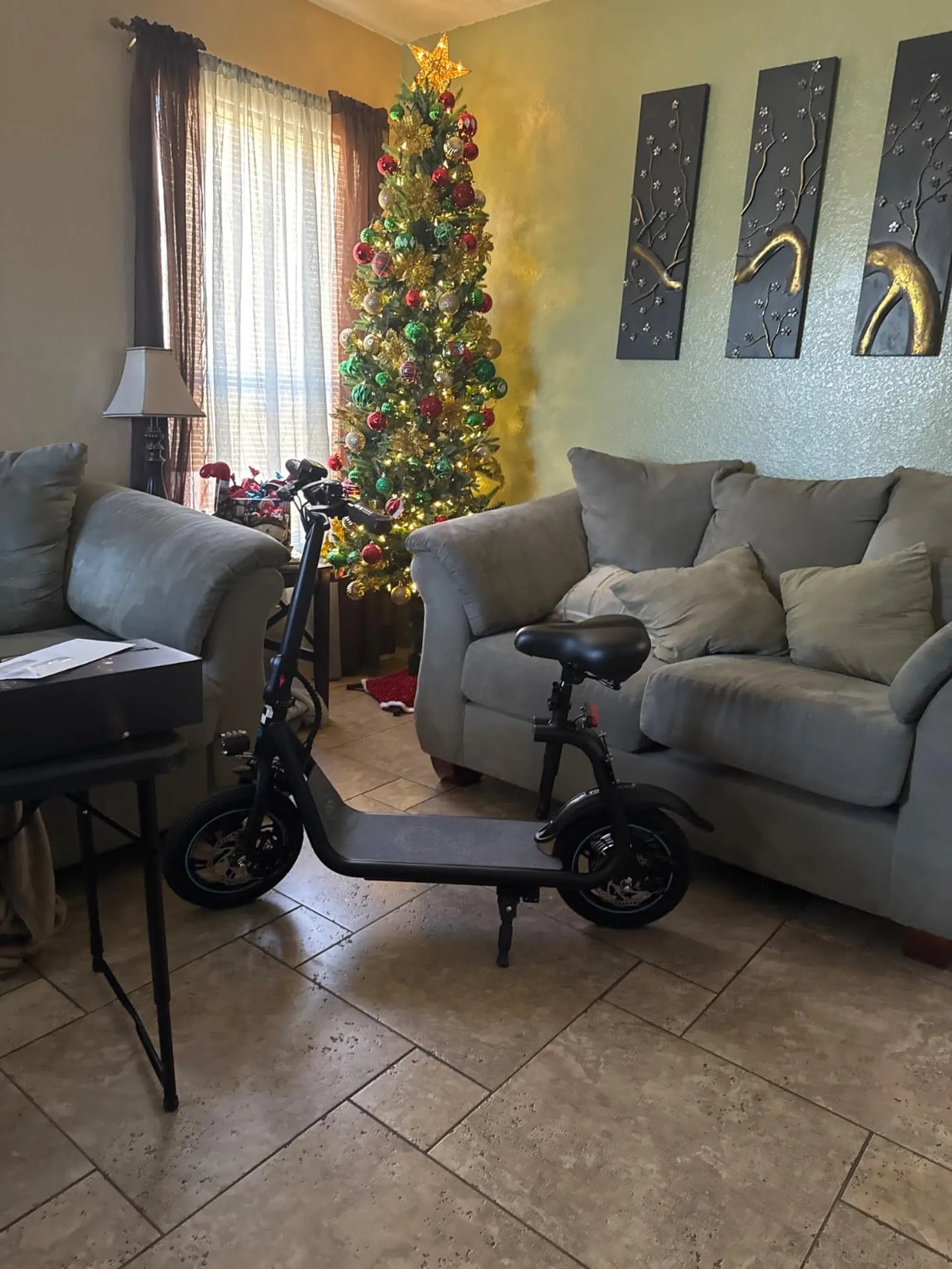
Electric bikes have revolutionized urban commuting, offering an eco-friendly and efficient alternative to traditional transportation. But as their popularity grows, so does the confusion around their legality. Are electric bike street legal? The answer isn’t always straightforward, as regulations vary by location and depend on factors like speed, power, and rider requirements. Let’s dive into the details to help you navigate the rules and ride confidently.
Understanding Electric Bike Classifications
Electric bikes are typically categorized into three main classes, each with distinct legal implications. Knowing which class your e-bike falls under is the first step in determining its street legality.
Class 1: Pedal-Assist Only
Class 1 e-bikes provide motor assistance only when the rider is pedaling, with no throttle. The motor stops assisting once the bike reaches 20 mph. These bikes are generally street legal in most areas, as they closely resemble traditional bicycles.
Class 2: Throttle-Assist
Class 2 e-bikes include a throttle that can propel the bike without pedaling, but the motor still cuts off at 20 mph. While these are legal in many places, some jurisdictions restrict throttle-operated bikes on bike paths or trails.
Class 3: Speed Pedelecs
Class 3 e-bikes offer pedal assistance up to 28 mph and may or may not include a throttle. These faster models often face stricter regulations, such as helmet requirements or restrictions on where they can be ridden.
Local Laws and Regulations
Electric bike laws vary widely by country, state, and even city. Here’s what you need to know to stay compliant.
United States
In the U.S., federal law defines e-bikes as bicycles if they meet specific criteria (e.g., motor wattage under 750W and speed limits). However, states can impose additional rules, such as age restrictions or mandatory helmet use. Always check your local laws before hitting the road.
Europe
European regulations classify e-bikes as "pedelecs" if the motor assists up to 15.5 mph (25 km/h) and has a maximum power of 250W. Faster models may require registration, insurance, or a license.
Other Regions
Countries like Canada and Australia have their own e-bike classifications and rules. Researching local guidelines is essential to avoid fines or legal issues.
Safety and Compliance Tips
Even if your e-bike is street legal, following safety best practices ensures a smooth and lawful ride.
Wear a Helmet
Many regions mandate helmets for certain e-bike classes. Even if not required, wearing one is a smart safety measure.
Obey Traffic Laws
E-bikes must follow the same rules as traditional bicycles, including stopping at red lights and yielding to pedestrians.
Check for Updates
E-bike laws are evolving. Stay informed about changes in your area to avoid unexpected legal trouble.
Electric bikes are a fantastic way to commute, explore, and reduce your carbon footprint—but only if you ride legally. By understanding your e-bike’s classification and local laws, you can enjoy the open road with confidence. So, are electric bike street legal? The answer is yes, as long as you play by the rules!
Best Electric Scooter in Jodhpur: Top Picks for Eco-Friendly Commuting
Reasons to Buy an Electric Scooter: Why You Should Make the Switch Today