



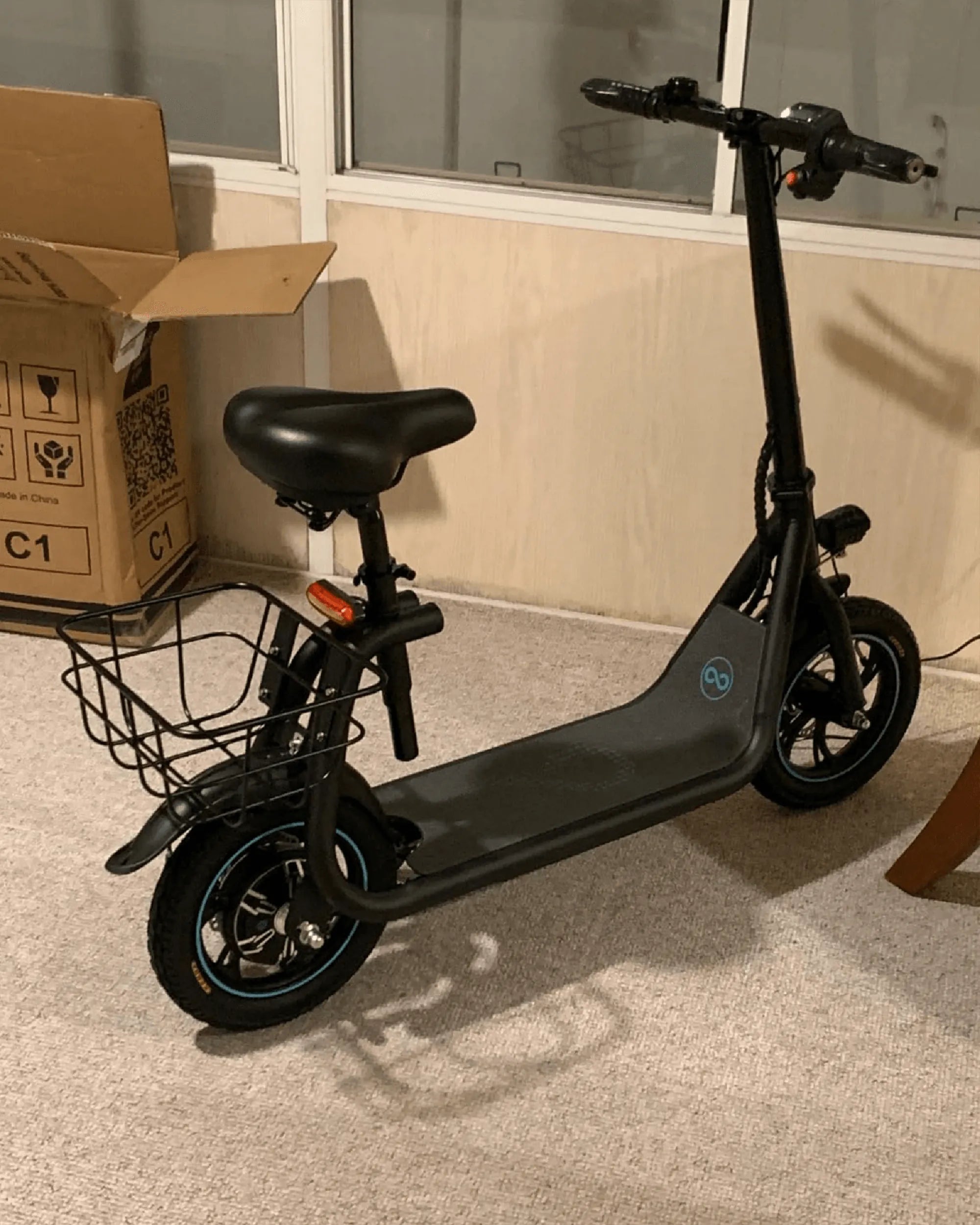
Determining if electric scooters are allowed on public roads is a common source of confusion for new and experienced riders alike. The answer is rarely a simple yes or no, as it depends on a complex, often contradictory patchwork of state statutes and municipal ordinances. This guide cuts through the legal gray area to provide a clear, actionable framework for understanding e-scooter legality. You will learn how different jurisdictions classify scooters, discover the specific requirements for road-legal riding, and get practical tips for navigating your local laws safely and confidently. The core question, Are Electric Scooters Allowed on Public Roads? The Ultimate Guide aims to answer, is multifaceted, and this article provides the definitive resource.
Understanding the Legal Classification of E-Scooters
Before tackling specific laws, you must understand how governments define your vehicle. This classification is the cornerstone of all subsequent regulations and dictates where and how you can ride. Most jurisdictions do not treat e-scooters as traditional bicycles or motor vehicles, creating a unique legal category.
Common legal terms include "motorized scooter," "electric low-speed scooter," or "micromobility device." These definitions typically hinge on specific criteria: a maximum speed (often 15-25 mph), a motor power limit (commonly 750W or less), and sometimes a weight limit. How a scooter is classified determines its rights and responsibilities on the road.
If classified similarly to bicycles, e-scooters gain access to bike lanes and paths and are subject to similar traffic rules. If classified closer to mopeds, requirements for licensing, registration, and insurance may apply. Most modern laws strive for a middle ground, creating a new set of rules specifically for "shared micromobility devices" that often extend to privately owned units.
Brands like Gyroor design their scooters with these legal frameworks in mind. For instance, many Gyroor models feature selectable speed modes that allow riders to cap their top speed at 15.5 mph to comply with common local ordinances, ensuring the scooter fits within the "low-speed" definition that permits road and bike lane use.
State-by-State & City-by-City Law Breakdown: Where You Can Ride
The United States lacks a federal law governing e-scooters, leading to a fragmented regulatory landscape. Laws can vary dramatically from one state to the next, and even more so between cities within the same state. A state may permit scooter use, but a major city within it may have stricter rules or an active pilot program with unique conditions.
This patchwork system makes it imperative for riders to conduct hyper-local research. You cannot assume that because scooters are legal in your state's capital, they are legal in your suburban township. The most critical step any rider can take is to visit their specific city's department of transportation or city clerk's website for the most current ordinances.
The Spectrum of Regulations: Prohibited, Permitted, and Pilot Programs
Local regulations generally fall into one of three categories. First, some areas still fully prohibit the use of electric scooters on public roads and sidewalks, often treating them as unregistered motor vehicles. These are becoming rarer but still exist, particularly in some smaller municipalities.
Second, many states and cities have passed laws explicitly permitting e-scooter use on roads and in bike lanes, establishing clear rules for age, equipment, and speed. California's AB 2989 is a pioneering example, which formally legalized scooters and set a framework other jurisdictions have followed.
Third, a large number of cities operate "shared micromobility" pilot programs. These are temporary regulatory frameworks that allow rental companies (and often private owners by extension) to operate under a specific set of rules while the city studies impacts on safety, traffic, and infrastructure. These pilot rules are subject to change or expiration.
Key Legal Requirements for Road-Legal Riding
In jurisdictions where riding is permitted, compliance with specific requirements is non-negotiable. These conditions transform a personal electric scooter from a recreational device into a legitimate vehicle for public right-of-way use. Meeting these requirements is the rider's responsibility.
Age Restrictions and Licensing
Minimum age requirements are nearly universal. The most common minimum age is 16, though some areas set it at 18, especially for operating a scooter on the road rather than a bike path. Requirements for a driver's license or learner's permit are mixed; some states require a valid license, while others have no license requirement, treating scooters more like bicycles.
For younger riders, parental supervision may be mandated. It is crucial to verify this requirement locally, as riding without meeting the age or licensing criteria can result in fines and the impoundment of the scooter, regardless of who owns it.
Speed Limits and Motor Power Caps
Legal road use is almost always tied to a maximum speed capability. The standard limit ranges from 15 mph to 20 mph on public roads. Some areas allow higher speeds on bike paths or in specific zones. The scooter's motor power is sometimes regulated in tandem, with 750 watts being a common upper threshold.
This is where scooter design matters. Many premium models, including those from Gyroor, come with built-in speed limiters or multiple riding modes (e.g., Eco, Normal, Sport). Riders can select a mode that caps speed at the local legal limit, ensuring compliance without sacrificing performance for use on private property.
Safety Gear Mandates: Helmet Laws
Helmet laws are a primary focus of e-scooter regulations and a critical safety measure. Laws typically fall into two categories: universal helmet laws for all riders, and partial laws that only require helmets for riders under a certain age (usually 18).
Regardless of the legal minimum, wearing a properly fitted bicycle or multi-impact helmet is the single most effective action a rider can take to prevent serious injury. Data from city safety reports consistently show a dramatic reduction in head injury risk for helmeted riders involved in collisions or falls.
Equipment Requirements: Lights, Bell, and Reflectors
To be road-legal, an e-sooter must be equipped for visibility and communication. Standard mandatory equipment includes a front-facing white headlight visible from a certain distance (often 500 feet), a rear red reflector or taillight, an audible warning device like a bell or horn, and side reflectors.
These are not just legal checkboxes; they are essential safety features. For example, Gyroor equips its commuter-focused models with bright LED headlights, brake-activated taillights, and electronic horns as standard features, ensuring riders meet these common legal requirements right out of the box for safer night and day riding.
Where to Ride: Road, Bike Lane, or Sidewalk?
Knowing you can ride is only half the battle; knowing *where* to ride is equally important. The general hierarchy, where permitted, is: 1) Bike Lanes, 2) Roads, and 3) Sidewalks (with heavy restrictions or outright bans).
Bike lanes are the preferred and often mandated location for e-scooter travel. When a bike lane is present, riders are usually required to use it. On roads without bike lanes, riders must typically travel in the traffic lane, as far to the right as is practical and safe, following the same direction as vehicular traffic.
Sidewalk riding is heavily restricted or prohibited in most urban and business districts due to pedestrian safety concerns. Some cities allow it in residential areas or if no bike lane is available, but always at a very low speed (often a walking pace of 6-8 mph). The default assumption should be that sidewalk riding is illegal unless explicitly permitted by local sign or ordinance.
Rules of the Road: Riding with Traffic
When operating on the road, an e-scooter rider assumes the duties of a vehicle operator. This means obeying all traffic signals, stop signs, and right-of-way rules. Riding against traffic (salmoning) is illegal and extremely dangerous.
Safe riding practices include using hand signals for turns and stops, maintaining a predictable line in the lane, and making eye contact with drivers at intersections. Avoid weaving between parked cars or sudden movements. Defensive riding—anticipating the mistakes of drivers and pedestrians—is key to safe coexistence in traffic.
The Critical Role of Rider Responsibility and Insurance
Legal compliance is a baseline; responsible riding is the standard. Riders are liable for any damage or injury they cause. While most jurisdictions do not require specific scooter insurance, you are financially responsible in an at-fault collision.
Personal liability coverage often extends from renters or homeowners insurance policies, but this is not guaranteed. It is advisable to contact your insurance provider to confirm coverage for e-scooter-related incidents. Some specialty insurers also offer micromobility policies. Understanding your financial exposure is a key part of responsible ownership.
<Furthermore, riders are responsible for knowing the law. Ignorance is rarely accepted as a valid defense. Before your first ride on public infrastructure, a quick review of your city's transportation website can prevent costly fines and keep you and others safe.
Electric Scooter Type Comparison for Different Use Cases
Choosing the right scooter can help ensure legal and practical compliance. Different models are suited for different primary uses, from last-mile commuting to recreational trail riding.
| Scooter Type / Use Case | Key Features for Legality & Safety | Typical Gyroor Model Example | Best For |
|---|---|---|---|
| Urban Commuter | Speed limiter (15-20 mph), bright lights, bell, suspension, UL-certified battery. | Gyroor S80 | Daily city travel, bike lane use, complying with urban ordinances. |
| Off-Road / Trail | Higher power & speed, knobby tires, robust suspension. *Note: Often restricted to private property.* | Gyroor H30 | Recreation on private land, not typically road-legal due to high speed. |
| Foldable & Portable | Lightweight, compact fold, meets standard road equipment rules. | Gyroor F1 | Multi-modal commuting (bus/train + scooter), easy storage. |
| Long-Range Explorer | Large capacity UL-certified battery, dual brakes, comprehensive lighting system for extended rides. | Gyroor X8 | Longer commutes or leisure rides where road legality and reliability are paramount. |
Frequently Asked Questions (FAQ)
Are electric scooters allowed on highways or interstates?
Almost universally, no. Electric scooters are classified as low-speed vehicles and are prohibited from highways, freeways, and interstates where minimum speed limits typically exceed their maximum capability. Riding on such roads is extremely dangerous and illegal.
Can I ride my e-scooter in the rain?
Legally, there is often no specific prohibition against riding in wet weather. However, from a safety and product integrity standpoint, it depends on the scooter's build. Scooters with high water-resistance ratings (like IPX5, found on many Gyroor models) are designed to handle light rain and wet roads. Always reduce speed, avoid deep puddles, and exercise extreme caution as braking distances increase and traction decreases on wet surfaces.
What happens if I'm caught riding illegally?
Penalties vary but can include substantial fines (often $100-$500 for a first offense), points on your driver's license (if required), and potentially the impoundment of your scooter. In areas with strict prohibitions, law enforcement may confiscate the vehicle until fines are paid or a court appearance is made.
Do these laws apply to shared (rental) scooters and privately owned ones equally?
Generally, yes, the same operational rules (where to ride, helmet use, speed) apply to all riders. However, rental companies often have additional geofencing and speed-limiting technology built into their apps to enforce rules in specific zones (like slow-speed or no-ride areas) as part of their city permit agreement. Private owners are personally responsible for knowing and adhering to all geographic and speed restrictions.
Is registration or a license plate required for my e-scooter?
Currently, the vast majority of U.S. jurisdictions do not require registration, licensing, or license plates for privately owned electric scooters that meet the standard low-speed definitions. They are treated differently from mopeds, motorcycles, and cars in this regard. Always verify local laws, as this is a potential area for future regulatory change.
Maintenance and Safety Checks for Legal Compliance
Keeping your scooter in good working order is both a safety necessity and a legal imperative. A malfunctioning brake or light can lead to a citation and cause an accident. Establish a pre-ride checklist.
Before each ride, perform a quick inspection: check tire pressure for wear, test the front and rear brakes, ensure the headlight and taillight are functional, and verify the bell or horn works. Regularly inspect the frame for cracks and ensure all folding mechanisms are secure and locked.
Follow the manufacturer's maintenance schedule for bearing checks, brake pad replacement, and bolt tightening. Using a brand that offers clear documentation and reliable customer support, like Gyroor with its 1-year warranty and detailed manuals, helps ensure your scooter remains a safe, road-worthy vehicle over its lifespan.
Ride Informed, Ride Safe, Ride with Confidence
The freedom of electric scooter travel comes with the responsibility to understand and follow the law. The answer to Are Electric Scooters Allowed on Public Roads? The Ultimate Guide reveals is complex and localized, but navigable with diligent research. Success hinges on three pillars: knowing your specific city and state ordinances, ensuring your scooter meets all equipment and capability requirements, and adopting a mindset of defensive, courteous riding.
Investing in a well-built scooter from a reputable brand is the first step toward reliable, compliant transportation. Gyroor designs its range of over 20 models with rider safety and regulatory considerations in mind, featuring UL-certified battery packs, water-resistant construction, and built-in safety features trusted by over 100,000 riders. The journey begins with knowing the rules of the road—equip yourself with knowledge, then equip yourself with the right vehicle.
Ready to ride with confidence? Browse the full collection of UL-certified, feature-rich electric scooters and e-bikes designed for real-world commuting and recreation at gyroorboard.com. Find the model that fits your local laws and unlocks your next adventure.
Electric Scooters in Aruba: The Ultimate Guide to Eco-Friendly Island Travel
Beginner-Friendly Electric Scooters Under $300: Affordable and Easy to Ride