



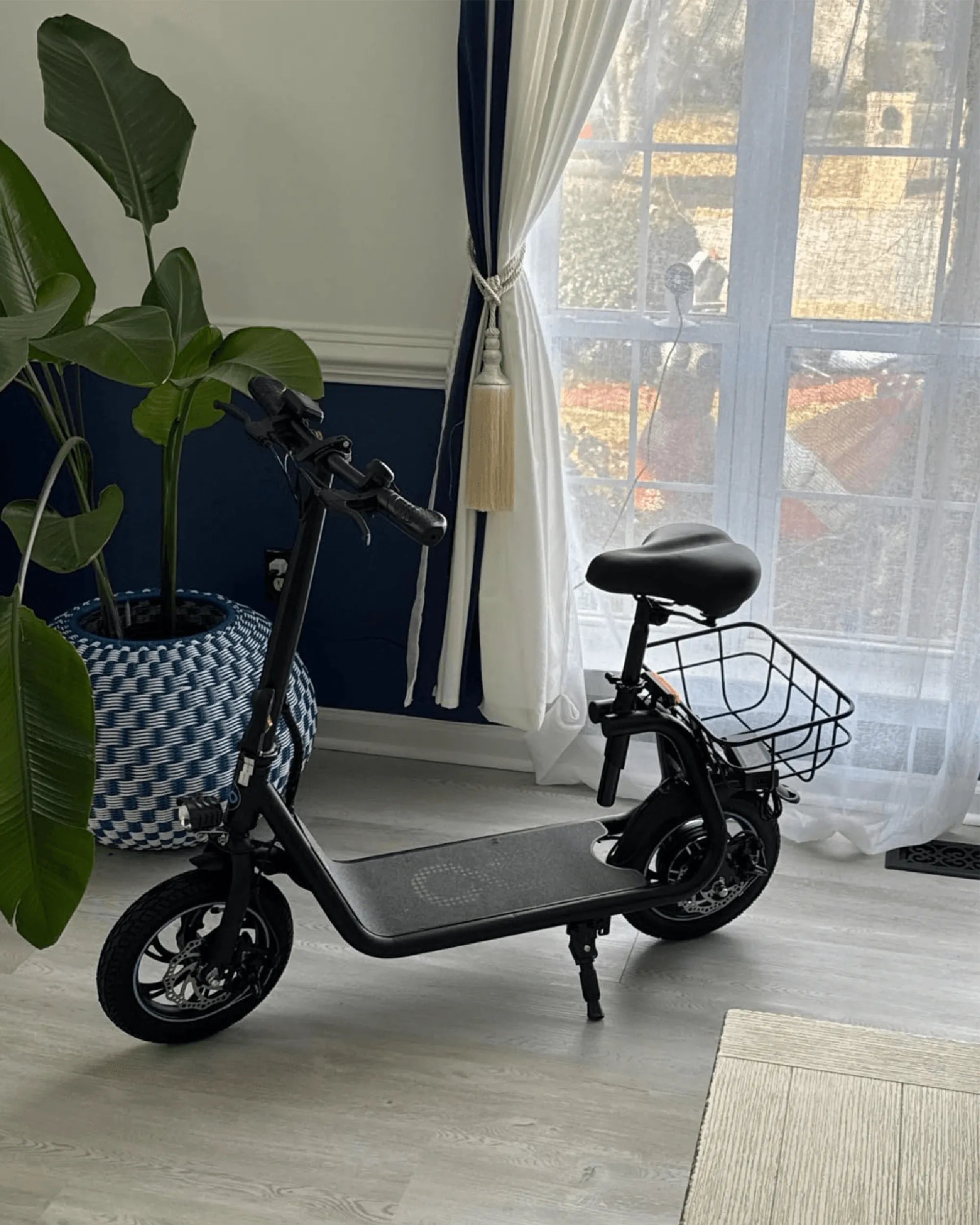
Navigating the legality of electric scooters in the UK feels like a paradox. You see them for rent in city centres, yet buying one for personal use comes with stern warnings. This confusion leaves many riders and potential buyers at risk of fines and penalty points. This article cuts through the noise to deliver the definitive truth. We will clarify the exact legal status of private and rental e-scooters, analyse the safety and regulatory reasons behind the rules, and highlight the smart, fully legal alternatives available today. Understanding this landscape is crucial for your safety, your wallet, and the future of urban mobility.
The Current UK Law on E-Scooters: A Clear Breakdown
As of 2024, the UK law on electric scooters presents a dual system that is often misunderstood. The core principle is that any powered vehicle used on public roads must meet specific construction and use standards, be insured, and be driven by a licensed individual. Electric scooters, classified by the government as 'Powered Transporters', fall squarely under this umbrella. The critical distinction lies not in the technology but in the ownership and operational model, creating a clear legal divide.
The foundational legislation includes the 1835 Highway Act and the 1988 Road Traffic Act. These laws were not written with modern e-scooters in mind, but their broad definitions capture them effectively. A 'Powered Transporter' is any personal transport device powered by a motor. On public roads (which include pavements, cycle lanes, and bridleways), they are treated as motor vehicles. Consequently, they must be registered, taxed, insured, and have type approval—a certification of their roadworthiness.
For privately owned e-scooters, this creates an immediate and insurmountable legal barrier. No private e-scooter model currently holds UK type approval. Furthermore, there is no available mechanism to register or tax them, and no insurance provider offers standard policies for their use on public highways. This regulatory vacuum makes their use on any public land illegal. The only legal space for a private e-scooter is on private land with the explicit permission of the landowner.
Private E-Scooters: The Reality Check
If you purchase an e-scooter from a retailer or online, it is a private vehicle. Regardless of its power, brand, or price, its legal status is unambiguous. The law sees it as a motor vehicle lacking the required certifications and documentation. Riding it on a public road, pavement, or designated cycle lane is an offence. Police forces across the UK are actively enforcing this, with powers to issue fines, penalty points, and even confiscate the vehicle.
The consequences are not trivial. Enforcement is increasing as the number of incidents grows. Many riders mistakenly believe that using cycle lanes or riding responsibly grants them immunity. It does not. The offence is one of strict liability concerning the vehicle's legal status, not just the rider's behaviour. This is the harsh reality check for the thousands who own private e-scooters: their convenient commute is, in the eyes of the law, no different from driving an unregistered and uninsured car.
Government-Rental Trials: The Legal Exception
In stark contrast, the government-sanctioned rental trials, which began in 2020 and have been extended multiple times, operate under specific legal exemptions. These trials, run in partnership with local authorities and selected operators, are designed as a real-world research project. The Department for Transport (DfT) has granted special orders to permit these rental e-scooters on public roads to gather data on safety, user behaviour, and environmental impact.
These rental scooters are identifiable via official operator apps like Tier, Voi, or Lime, depending on the region. They are geofenced to operate only within trial area boundaries, have a maximum capped speed (usually 15.5 mph), and often include mandatory in-app safety tutorials. Some trial areas require riders to wear helmets, though this is not a universal national law. Crucially, the rental operators provide the necessary insurance cover for the duration of the rental, solving the critical legal hurdle that private owners cannot overcome.
Why Are Private E-Scooters Restricted? Safety and Regulatory Perspectives
The government's cautious approach is not arbitrary. It stems from a prioritisation of public safety and the recognition that existing transport law is ill-equipped for these new devices. The rapid rise of e-scooters presented a regulatory challenge: they were neither traditional bicycles nor mopeds, but something in between. In the absence of a new, tailored legal framework, they defaulted to the status of motor vehicles, triggering all associated requirements.
The primary objective is to manage risk on crowded streets and pavements. Policymakers are balancing the potential benefits of a new, clean transport mode against the very real and observed dangers of introducing fast, silent, and initially unregulated vehicles into shared spaces. The rental trial scheme is the government's method of testing this balance in a controlled manner, with data collection informing any future decision on permanent legalisation.
Key Safety Concerns from Authorities
Data from official sources underscores the safety rationale. Transport for London (TfL) and police forces nationwide have reported significant increases in e-scooter related incidents. In 2022, UK police recorded over 1,400 collisions involving e-scooters, resulting in serious injuries and fatalities. A key concern is pavement riding, which endangers pedestrians, particularly the elderly, visually impaired, or those with mobility issues.
Other documented issues include inconsistent rider behaviour—such as ignoring traffic lights, riding without lights at night, and carrying passengers—and the variable, often uncertified, mechanical standards of privately imported devices. The lack of mandatory safety features like effective braking systems, lights, and audible warnings (like a bell) on many private models exacerbates these risks. The government's stance is that until standards are set and enforced, a blanket restriction is the safest course.
The Insurance and Licensing Dilemma
From a regulatory perspective, the insurance gap is perhaps the most significant legal blocker. The UK's Road Traffic Act mandates compulsory third-party insurance for all motor vehicles used on public roads. This protects victims in the event of an accident. For private e-scooters, this creates a catch-22: the law requires insurance, but the insurance industry does not offer products for them because they are not type-approved vehicles.
This means a private e-scooter rider involved in a collision has no legal insurance cover. They become personally liable for all injury and damage costs, which can run into hundreds of thousands of pounds. Similarly, a pedestrian hit by a private e-scooter has no guaranteed route to compensation. The rental trials bypass this by having the operator's commercial insurance in place. Solving this insurance dilemma is a prerequisite for any change in the law governing private e-scooters.
Legal Alternatives: How to Ride Electric Transport in the UK
For those seeking electric personal transport today, several options are fully legal and offer excellent performance. The most direct and regulation-ready alternative is the Electrically Assisted Pedal Cycle (EAPC), commonly known as an e-bike. EAPCs are integrated into existing bicycle law, providing a clear, safe, and enjoyable path to electric mobility without legal ambiguity.
Other options include electric mopeds and motorcycles, which require full registration, licensing, insurance, and helmet use. For off-road use, certain types of electric dirt bikes or quad bikes may be used on private land. However, for the average commuter or urban explorer, the e-bike represents the sweet spot of convenience, legality, and practicality, blending human power with electric assistance for a seamless ride.
E-Bikes (Electrically Assisted Pedal Cycles - EAPCs)
An EAPC is a bicycle with an electric motor that provides assistance only when the rider is pedalling. To be legal in the UK without requiring registration, tax, or insurance, it must meet strict criteria. The motor must have a maximum continuous rated power of 250 watts. The electrical assistance must cut off cleanly once the bicycle reaches 15.5 miles per hour (25 km/h). The vehicle must have usable pedals, and the rider must be at least 14 years old.
EAPCs are treated identically to traditional bicycles in law. They can be ridden on public roads, cycle lanes, and anywhere else bicycles are permitted. They are exempt from the laws that ensnare e-scooters because the pedal-assist mechanism and speed limiter align them with the historical and safety profile of cycling. This makes them a powerful, efficient, and completely legitimate choice for commuting, leisure, and exercise.
Choosing a Compliant E-Bike: What to Look For
When selecting an e-bike, compliance should be your first checkpoint. Reputable manufacturers design their EAPCs explicitly to meet UK and EU regulations. Look for clear specifications stating a 250W motor and a 15.5 mph assist limit. The bike should be sold as a complete unit by a known brand that provides a warranty and technical support. Brands like Gyroor engineer their e-bikes to these standards, ensuring riders can enjoy their purchase with complete peace of mind regarding legality.
Beyond compliance, consider your use case. For city commuting, a model with integrated lights, a rack, and a comfortable riding position is ideal. For longer leisure rides or hills, torque sensor technology (which provides more natural-feeling assistance based on pedalling pressure) and battery range become key. Always prioritise quality components, especially brakes and the battery system. Gyroor, for instance, uses UL-certified battery packs in its e-bikes, a critical safety feature tested for over 500 charge cycles, reflecting a commitment to rider safety that aligns with regulatory priorities.
The Future of E-Scooter Legislation in the UK
The current situation is widely viewed as transitional. The government has run multiple consultations on the future of 'Powered Light Electric Vehicles' (PLEVs). The outcome of the rental trials, alongside safety data and public feedback, will shape new legislation. The most likely path forward is the creation of a new vehicle category for e-scooters, with tailored rules that sit between bicycles and mopeds.
Any future legalisation will not be a simple green light for all existing private scooters. It will almost certainly be accompanied by stringent technical requirements for construction, safety equipment, and maximum power/speed. It will also mandate a solution for insurance, potentially through a new category of low-speed vehicle insurance. The process is slow, reflecting the complexity of integrating a new vehicle type into the UK's well-established transport ecosystem.
What Would a Legal Private E-Scooter Look Like?
Based on rental trial specifications and trends from other European countries, a future legal private e-scooter in the UK will likely need to feature: a maximum speed limit of 15.5 mph (potentially 12.5 mph on pavements if allowed); a power output cap (e.g., 500W); mandatory front and rear lights, reflectors, and an audible warning device; effective front and rear braking systems; and a minimum wheel size to improve stability.
Additional requirements could include a unique identification number for traceability, a minimum rider age (likely 16 or over), and a ban on pavement riding outside of designated areas. Crucially, manufacturers will need to obtain type approval for their models, certifying they meet all these new standards. Riders may need to secure specific insurance. This future model prioritises standardisation and accountability, moving away from the current 'wild west' of unregulated imports.
Comparing Your Electric Transport Options in the UK
To help visualise the legal landscape, the table below compares the key characteristics of private e-scooters, rental e-scooters, and e-bikes (EAPCs) in the UK context.
| Feature | Private E-Scooter | Rental E-Scooter (Trial) | E-Bike / EAPC |
|---|---|---|---|
| Legal Status on Public Roads | Illegal | Legal (within trial areas) | Fully Legal |
| Legal Status on Pavements | Illegal | Illegal (unless in designated areas) | Illegal (same as bicycles) |
| Insurance Required | Yes, but unavailable | Provided by operator | Not required |
| License Required | Yes (Category Q/P) | Provisional Driving License | Not required |
| Helmet Legally Required | Not specified, but strongly advised | Varies by trial area | Not required, but advised |
| Where to Use | Private land only | Public roads/cycle lanes in geofenced area | Anywhere bicycles are allowed |
| Max Legal Speed | N/A (illegal) | Typically 15.5 mph | Assist cuts off at 15.5 mph |
Frequently Asked Questions (FAQ)
1. Can I ride my private e-scooter on the pavement if I'm careful?
No. Riding any private e-scooter on the pavement is illegal under the 1835 Highway Act. It is an absolute offence, meaning your carefulness is irrelevant to the legality. You can be stopped and fined by police.
2. What are the actual penalties if I'm caught?
Penalties are severe. You face a £300 fixed penalty notice, 6 penalty points on your driving licence (if you have one), and the scooter can be confiscated. If the case goes to court, fines can be unlimited and you could face a driving ban.
3. Are Gyroor e-scooters legal in the UK?
Gyroor e-scooters, like all other private e-scooter models, are not legal for use on public roads, pavements, or cycle lanes in the UK. They are high-quality products designed for use on private property where the rider has permission.
4. Is there a safe, legal electric option from Gyroor?
Absolutely. Gyroor's range of UK-compliant Electrically Assisted Pedal Cycles (e-bikes) offers a powerful, eco-friendly, and completely legal alternative. Models like the Gyroor C1 are built to the 250W/15.5mph EAPC standard, featuring UL-certified batteries and IPX5 water resistance for reliable, worry-free riding.
5. Will the law change soon to allow private e-scooters?
While change is likely in the medium term, no imminent date has been set. The government is awaiting full analysis from the extended rental trials. Any new law will introduce strict safety and specification standards, meaning many current private scooters may not qualify.
Conclusion: Navigating the Road Ahead
The truth about electric scooters in the UK is defined by a clear legal line. Private ownership for public road use remains prohibited due to unresolved issues around safety standards, insurance, and vehicle classification. The government's trial scheme is the only legal pathway for e-scooter use on public land, and it operates under strict controls. For riders seeking immediate, legal electric mobility, the e-bike (EAPC) stands as the unequivocal champion, offering a fantastic blend of assistance, exercise, and freedom within the existing regulatory framework.
Choosing a compliant e-bike from a trusted brand is an investment in safe, sustainable transport without legal risk. As a leader in personal electric transport, Gyroor channels its expertise into crafting e-bikes that meet the highest standards of performance, safety, and regulatory compliance. Their commitment to UL-certified batteries and robust construction mirrors the very principles that will underpin future e-scooter legislation. For now, embracing a legal alternative is the responsible choice. Explore the freedom of a fully-approved electric ride and join over 100,000 satisfied riders. Browse the full Gyroor collection at gyroorboard.com to find your perfect legal electric companion today.
Find Electric Scooters: The Ultimate Guide to Choosing Your Perfect Ride
Enclosed Electric Scooters for Adults: The Future of Urban Mobility