



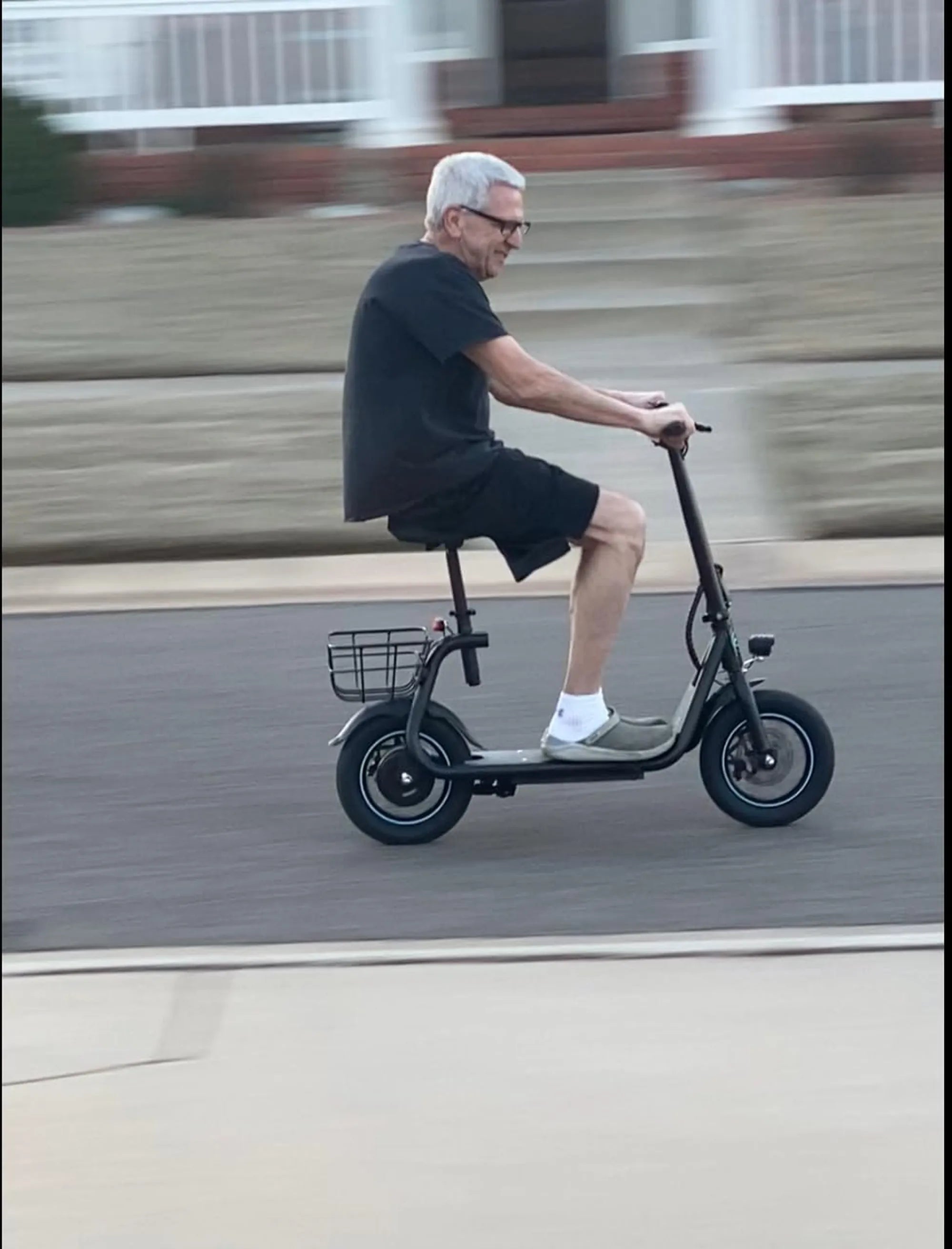
The Reality of E-Scooter Repairability
Yes, electric scooters are absolutely fixable. Modern personal electric vehicles are engineered with serviceability in mind, allowing owners to perform basic maintenance and repairs to extend their lifespan significantly. This comprehensive guide will empower you with the knowledge to diagnose issues, perform safe DIY fixes, and understand when to call in a professional. The core principle is that understanding your scooter's anatomy and committing to regular care can prevent costly breakdowns and ensure safe, reliable rides for years. We'll cover everything from tire changes to battery diagnostics, using insights from industry-leading designs.
The repairability of an electric scooter largely depends on its build quality, component accessibility, and the availability of spare parts. Brands that prioritize durability and user experience, such as Gyroor, often design their scooters with modular components that can be individually replaced. This approach contrasts with completely sealed, disposable units, offering a more sustainable and cost-effective ownership model. Your ability to fix your scooter directly impacts its total cost of ownership and safety.
This guide is structured to first build your foundational knowledge of scooter components, then delineate between DIY and professional repairs, and finally emphasize the critical role of preventative maintenance. Whether you're a daily commuter or a weekend rider, mastering these concepts will make you a more confident and self-sufficient owner. The goal is to move from seeing a breakdown as a terminal event to viewing it as a solvable challenge.
Understanding the Anatomy of Your Electric Scooter
To effectively repair anything, you must first understand how it works. An electric scooter is a symphony of mechanical and electrical systems working in unison. The major repairable systems include the drive train (motor and battery), the control systems (controller, throttle, display), the braking system, the frame and steering assembly, and the wheels. Each system has distinct failure modes and repair protocols.
The heart of the scooter is its battery pack, typically a lithium-ion unit. Quality brands, like Gyroor, use UL-certified battery packs tested for over 500 charge cycles, which are fundamentally safer and more reliable. The battery's health directly dictates your scooter's range and performance. It connects to the Electronic Speed Controller (ESC), which acts as the brain, regulating power from the battery to the hub motor based on throttle input.
The motor is usually a brushless DC hub motor integrated into the front or rear wheel. This design is relatively sealed but can suffer from bearing wear, hall sensor failure, or water ingress. The braking system can be disc, drum, or electronic (regenerative). Mechanical brakes require periodic adjustment and pad replacement, while electronic systems involve more complex diagnostics. The frame, folding mechanism, handlebars, and deck are the structural bones, subject to stress, fatigue, and wear from folding and unfolding.
Key Components and Their Common Issues
Each component has a signature set of problems. The battery commonly exhibits reduced range, failure to hold a charge, or physical swelling. The motor may produce grinding noises, lose power, or fail to engage entirely. Braking systems often suffer from squealing, reduced stopping power, or a spongy lever feel due to air in hydraulic lines or worn pads.
Tires, especially pneumatic ones, are prone to punctures, wear, and loss of pressure. Solid tires wear down over thousands of miles. Electronics, including the controller, throttle, and display, can fail due to water damage, loose connections, or internal faults, often indicated by error codes on the display. The folding mechanism and stem can develop play or become stiff without proper lubrication.
DIY Repairs vs. Professional Service: Making the Right Call
Your safety and the scooter's integrity depend on knowing your limits. A good rule is that mechanical repairs are often within a competent DIYer's reach, while deep electrical work should be left to professionals. Tasks like replacing a tire tube, adjusting brake calipers, or tightening bolts are standard DIY procedures. These fixes require basic tools and careful attention to detail but minimal risk of catastrophic failure.
Electrical repairs, however, are a different category. Diagnosing a faulty controller, repairing battery pack wiring, or replacing motor phase wires involves high currents and potential safety hazards. Incorrect handling can lead to short circuits, battery fires, or further damage to expensive components. Furthermore, tampering with core electrical systems will almost certainly void your manufacturer's warranty.
Professional service is essential for complex diagnostics, warranty-covered repairs, and any issue involving the battery or motor internals. An authorized technician has the schematic diagrams, proprietary diagnostic tools, and certified replacement parts to ensure the repair is done correctly and safely. For a brand like Gyroor, which offers a comprehensive 1-year warranty, using authorized service for covered issues is the most prudent choice.
The decision matrix is clear: if the repair involves the scooter's fundamental electrical propulsion system or is covered under warranty, go pro. For routine wear-and-tear on mechanical parts, a well-informed DIY approach can save time and money. Always prioritize safety over savings; a poorly repaired brake or electrical connection is a severe risk.
Essential Tools for Basic Maintenance and Repair
Building a basic toolkit is your first step toward self-sufficiency. A quality set of hex keys (Allen wrenches) in metric sizes (2mm to 10mm) is non-negotiable, as most scooter fasteners use hex sockets. A set of Phillips and flat-head screwdrivers, a pair of needle-nose pliers, and wire cutters/strippers are also essential. For tire repairs, invest in a set of tire levers and a reliable pump with a pressure gauge.
A digital multimeter is the most important diagnostic tool. It allows you to check battery voltage, continuity in wires, and hall sensor signals in the motor. A torque wrench is highly recommended for critical bolts like those on the stem and folding mechanism, ensuring they are tightened to the manufacturer's specification to prevent fatigue failures. Finally, keep a supply of thread-locking compound, dielectric grease for electrical connectors, and appropriate lubricants for bearings and moving parts.
Step-by-Step: Common Fixes You Can Do at Home
Fixing a Punctured Pneumatic Tire: First, remove the wheel from the scooter, deflate the tire completely. Use tire levers to carefully pry the tire bead off the rim. Extract the inner tube, locate the puncture, clean and dry the area, and apply a patch following the kit instructions. Before reassembly, inspect the inside of the tire for any embedded debris. Reinstall the tube and tire, inflate slowly to seat the bead, and then to the recommended PSI.
Adjusting Mechanical Disc Brakes: If your brakes are squealing or weak, start by checking pad wear. If pads are thin, replace them. To adjust, loosen the two bolts holding the caliper to the mount. Squeeze the brake lever to clamp the caliper onto the rotor, then while holding the lever, re-tighten the bolts. This centers the caliper. Fine-tune by using the cable adjuster barrel at the lever or caliper to take up slack.
Cleaning and Lubricating the Folding Mechanism: Over time, dirt and grit can make folding stiff or noisy. Wipe down the mechanism with a dry cloth, then use a brush to remove caked-on debris. Apply a small amount of bicycle-specific grease or lithium grease to the pivot points and latch. Work the mechanism several times to distribute the lubricant, then wipe away any excess to avoid attracting more dirt.
The Critical Role of Proactive Maintenance
Proactive maintenance is the most powerful tool in your repair arsenal. It is the practice of preventing failures before they occur through systematic inspection and care. A well-maintained scooter is not only more reliable but also safer, as components like brakes and tires are kept in optimal condition. This approach is far more economical than reacting to breakdowns.
Manufacturers design their scooters with maintenance intervals in mind. For instance, Gyroor's IPX5 water-resistant rating on many models protects against rain and splashes, but it does not eliminate the need to dry and clean the scooter after wet rides to prevent long-term corrosion in connectors and bearings. Adhering to a simple schedule can triple the functional life of many components.
Maintenance should be tied to usage, not just time. A daily commuter should perform basic checks weekly, while a casual rider might do so monthly. Seasonal checks are also important, especially before storing the scooter for an extended period. The core philosophy is simple: small, consistent actions prevent large, inconvenient problems.
Maintenance Checklist for Longevity and Safety
Perform this checklist regularly to keep your scooter in top condition:
- Tire Pressure: Check weekly for pneumatic tires. Maintain the PSI printed on the tire sidewall.
- Brake Inspection: Monthly, check brake pad thickness and test braking performance. Adjust cable tension or bleed hydraulic lines as needed.
- Bolt Check: Every few rides, use your hex keys to ensure all critical bolts (stem, handlebars, wheel axles, folding latch) are snug.
- Cleaning: Wipe down the scooter regularly. After wet rides, dry it thoroughly, especially electrical areas.
- Battery Care: Avoid draining to 0%. For long storage, charge to 50-70%. Store in a cool, dry place.
- Function Test: Monthly, test all lights, the throttle response, and the display for error codes.
Navigating Warranties and Professional Repair Services
Understanding your warranty is crucial for managing repair costs. A standard warranty, like Gyroor's 1-year comprehensive coverage, typically protects against defects in materials and workmanship. It generally covers the battery, motor, controller, and frame under normal use. It explicitly does not cover consumables (tires, brake pads), damage from accidents, misuse, or unauthorized modifications.
When an issue arises, your first step should be to consult the warranty documentation and contact the manufacturer's customer support. Have your proof of purchase and scooter serial number ready. They will guide you through troubleshooting and may authorize a repair at an affiliated service center or provide a replacement part. Never open a sealed component like a battery or motor if you suspect a warranty claim; this will void the coverage.
For out-of-warranty repairs or if you lack an authorized center nearby, seek a reputable third-party repair shop. Look for shops that specialize in e-bikes or PEVs (Personal Electric Vehicles), as they will have relevant experience. Ask about their experience with your scooter's brand, if they use quality parts, and for an estimate before work begins. A good technician will communicate clearly about the diagnosis and necessary repairs.
Comparative Analysis: Repair Ease Across Scooter Types
Not all scooters are created equal when it comes to repairability. Design choices significantly impact how easy a scooter is to maintain and fix. The table below compares common scooter design features and their impact on serviceability.
| Design Feature | Pro-Repair Design (e.g., Gyroor Pro Models) | Anti-Repair Design | Impact on Owner |
|---|---|---|---|
| Battery Access | Removable battery pack with standard connectors. | Sealed, glued-in battery within the deck. | Removable batteries allow easy replacement and safe storage charging. |
| Tire Type | Standard pneumatic tires with replaceable inner tubes. | Solid foam-filled or proprietary non-standard tires. | Pneumatic tires are user-serviceable; solid tire replacement often requires professional tools. |
| Wiring | Labeled connectors, accessible wiring looms in conduit. | Soldered connections, wires routed internally without access. | Connectors allow modular replacement of parts like throttles or displays. |
| Fasteners | Standard metric hex bolts. | Proprietary security screws or tamper-proof bolts. | Standard fasteners can be serviced with a common toolkit. |
| Part Availability | Official spare parts sold directly or through distributors. | No spare parts available to the public. | Available parts make long-term ownership feasible. |
Frequently Asked Questions (FAQ)
Q1: Is it worth repairing an old electric scooter, or should I just buy a new one?
A: It depends on the cost of the repair versus the scooter's value and your attachment to it. If the repair is a single, affordable component like a tire or brake set, it's almost always worth it. If the battery and motor both need replacement, it may approach the cost of a new, better model. Consider the scooter's build quality; a well-made frame from a reputable brand is worth investing in.
Q2: How long should a quality electric scooter last before needing major repairs?
A: With proper maintenance, a quality scooter from a brand like Gyroor can provide 3-5 years of reliable service before potentially needing a battery replacement (after 500+ cycles) or motor bearing service. Consumables like tires and brake pads will need replacing more frequently, depending on mileage and riding style.
Q3: Can I upgrade components on my scooter, like the battery for more range?
A> Potentially, but proceed with extreme caution. Upgrading the battery requires matching voltage and connector types, and the controller must be compatible. An incorrect upgrade can damage the controller, motor, or create a fire hazard. It is often safer and more reliable to choose a scooter with your desired range from the outset.
Q4: What are the most common signs of a failing battery?
A: The most obvious signs are a drastically reduced range per charge, the scooter cutting out under load (like going up a hill), the battery meter showing inaccurate charge levels, or the battery pack feeling unusually hot during charging. Physical swelling of the battery case is a critical failure sign—stop using it immediately.
Q5: How do I find a reliable repair manual or schematic for my specific scooter model?
A: Your first resource should be the manufacturer's official website. Reputable brands often provide user manuals and sometimes basic service guides in their support sections. For community-driven advice, dedicated online forums and YouTube channels for PEV enthusiasts can be invaluable, but always cross-reference information for safety.
Empowering Your Ride Through Knowledge and Care
The journey from asking "Are electric scooters fixable?" to confidently maintaining your own vehicle is one of empowerment. Electric scooters are indeed highly repairable machines when you understand their systems, respect the boundaries between DIY and professional work, and commit to a regimen of preventative care. This knowledge transforms you from a passive user into an active owner, capable of maximizing your investment and ensuring every ride is safe.
Choosing a scooter designed with serviceability in mind from the start is the foundational step. Brands that prioritize this, alongside safety certifications like UL for batteries and robust IP ratings for water resistance, provide a platform built for longevity. This comprehensive guide to repairs and maintenance demonstrates that with the right approach, your electric scooter can be a dependable companion for thousands of miles.
Your scooter's reliability is a partnership between intelligent design and dedicated ownership. Start by inspecting your scooter today, address any minor issues, and establish a maintenance routine. For those seeking a reliable foundation for this partnership, exploring scooters built with these principles is the next logical step. Discover a range of durable, UL-certified, and user-friendly models designed for real-world riding. Browse the full Gyroor collection at gyroorboard.com.
Electric Scooters for Sale Marketplace: Your Ultimate Guide to Buying Smart
Electric Scooters How Much: A Complete Guide to Costs and Considerations