



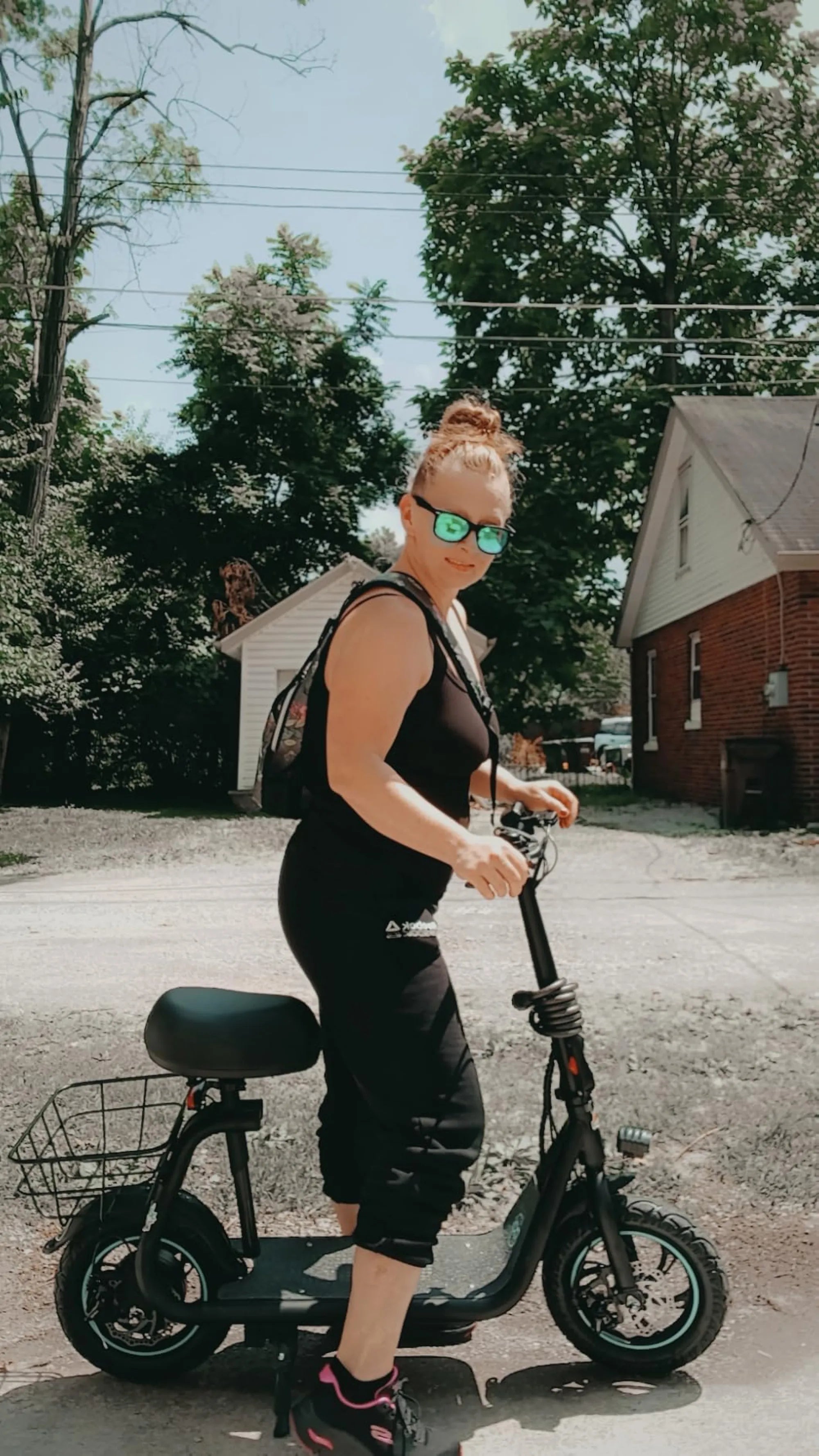
Navigating the legality of electric scooters in suburban areas like Orland Park can be confusing, with overlapping state statutes and local ordinances. This guide provides a clear, authoritative breakdown of the rules. You will learn the specific Village of Orland Park codes, understand how Illinois state law sets the foundation, discover how to select a compliant scooter, and master the best practices for safe and legal riding in your community.
Understanding Illinois State E-Scooter Law: The Foundation
Illinois state law provides the baseline framework for electric scooter operation, which all local municipalities, including Orland Park, must follow or can choose to make more restrictive. The state primarily regulates these devices under the classification for "low-speed electric bicycles" and similar personal mobility devices. The core state regulations establish fundamental rules that every rider must know before considering local specifics.
Key provisions of Illinois law include a maximum speed limit of 20 miles per hour on level ground when powered solely by the motor. Operators must be at least 16 years of age. Electric scooters are generally permitted on roadways and in bicycle lanes, but they are explicitly prohibited on sidewalks unless a local ordinance specifically allows it. This state-level sidewalk prohibition is a critical starting point for understanding Orland Park's rules.
The state does not require title, registration, or insurance for electric scooters. However, they must be equipped with a front headlamp visible from 500 feet, a rear red reflector visible from 100 to 600 feet, and a braking system capable of stopping the scooter within 25 feet from a speed of 10 mph. These equipment mandates are non-negotiable for legal operation anywhere in Illinois.
How State Law Influences Local Ordinances
Illinois law grants home-rule authority to municipalities like Orland Park, allowing them to enact ordinances that are stricter than state law. This means the village can completely prohibit e-scooters on public property, restrict them to specific zones, or impose additional safety requirements. They cannot, however, pass laws that conflict with or weaken the state's minimum standards, such as allowing underage riding or removing lighting requirements.
This relationship creates a layered legal landscape. A rider must first comply with the stricter of the two sets of rules: state law or local ordinance. For Orland Park residents, this means internalizing both the Illinois Vehicle Code and the Village of Orland Park Municipal Code. Ignorance of the local code, which is often more detailed, is where most riders encounter legal issues.
Orland Park's Local Ordinance on Electric Scooters: A Detailed Breakdown
So, are electric scooters illegal in Orland Park? The answer is nuanced. The Village of Orland Park municipal code addresses "motorized scooters," which includes electric scooters. The code does not impose an outright ban on ownership or use, but it heavily restricts where they can be operated. The primary legal takeaway is that riding on public sidewalks, parkways, and in most public areas within the village is prohibited.
The ordinance defines a motorized scooter as any device with a motor not exceeding 50cc, or an electric motor, designed to travel on not more than three wheels in contact with the ground. This squarely encompasses all consumer electric scooters. The law states that no person shall operate such a device "upon any sidewalk, parkway, or upon the public way within the Village." The "public way" includes roadways, making the default position quite restrictive.
However, operation is permitted on private property with the owner's consent. This means riding in your own driveway or on your property is legal. The intent of the ordinance is clearly to prevent conflicts between scooters, pedestrians, and vehicular traffic on public thoroughfares and walkways, prioritizing pedestrian safety in commercial and residential areas.
Key Restrictions and Permitted Zones
Understanding the specific boundaries of Orland Park's law is crucial for compliance. The prohibition on sidewalks is absolute and covers the entire village. This includes bustling areas like Orland Park Place, the Orland Square area, and downtown LaGrange Road. Riding on the street (the "public way") is also prohibited under the general ordinance.
There are limited exceptions. The village may designate specific multi-use paths or trails for such devices, though riders must confirm this on a case-by-case basis. The ordinance also does not apply to devices used by persons with mobility impairments. For the average rider, the practical permitted zone is reduced to private property. This makes the legality of using an e-scooter for commuting or errands within Orland Park's public spaces effectively nil under current code.
Consequences for Non-Compliance
Violating Orland Park's motorized scooter ordinance is a traffic offense that can result in fines. The village can impose penalties for each violation, and repeated offenses may lead to increased fines. A police officer has the authority to stop a rider and issue a citation. While impoundment is not explicitly outlined in the basic ordinance, it remains a possibility if the device is operated in a reckless manner that endangers public safety.
Beyond the financial penalty, a citation can create unnecessary legal hassle. It is essential for riders to understand that "I didn't know it was illegal" is not a valid defense. The responsibility lies with the operator to know and follow both state and local laws. Adherence is the only way to avoid fines and promote a positive perception of micro-mobility in the community.
Choosing a Compliant Gyroor E-Scooter for Orland Park Riding
Given the local restrictions, your choice of scooter should be focused on performance for private property use, potential future law changes, and essential safety features that align with Illinois law. Selecting a model from a reputable brand like Gyroor, trusted by over 100,000 riders, ensures you have a reliable, well-constructed vehicle that meets critical safety standards.
For use on private land or in anticipation of more permissive trail use, consider models with adjustable speed settings. A scooter like the Gyroor S9 allows you to limit top speed to comply with the state's 20 mph limit effortlessly. Its integrated front headlight and rear brake light exceed state visibility requirements, ensuring you are ready to ride legally if ordinances evolve. This forward-thinking approach protects your investment.
Durability and ride quality are paramount, especially on varied surfaces. Models with robust suspension systems and pneumatic tires provide a smoother, safer ride on private driveways, paths, or uneven terrain. Investing in a scooter designed for real-world conditions, rather than a disposable option, enhances safety and enjoyment where riding is permitted.
The Importance of UL-Certified Batteries and IPX5 Rating
Battery safety is non-negotiable. Gyroor's commitment to using UL-certified battery packs in all its models is a critical differentiator. These batteries undergo rigorous testing for over 500 charge cycles, ensuring stability, longevity, and significantly reducing the risk of fire—a paramount concern for any vehicle stored in a home or garage, especially in Orland Park's suburban setting.
Illinois weather is unpredictable, featuring rain, snow, and slush. An IPX5 water-resistance rating, a standard on leading Gyroor scooters, means the scooter's electrical components are protected against low-pressure water jets from any direction. This rating allows for confident riding in damp conditions or through accidental puddles on private property, safeguarding both the rider and the scooter's internal electronics from moisture-related damage.
Safe and Legal Riding Best Practices in Orland Park
Even when riding on private property, adopting a safety-first mindset is essential. Best practices not only prevent accidents but also demonstrate responsible ownership, which can positively influence future community discussions about e-scooter access. Always perform a pre-ride check of your scooter's tire pressure, brakes, and lights before setting out.
Wearing a helmet is the single most effective safety action a rider can take, regardless of whether local law mandates it (Illinois only requires helmets for riders under 16). A properly fitted bicycle or multi-impact helmet can prevent serious head injuries. Adding reflective clothing or accessories is also wise for visibility, even in daylight.
Route Planning and Etiquette
On private property, plan your riding area to avoid obstacles, steep inclines, or loose surfaces. Be hyper-aware of your surroundings, including children, pets, or vehicles that may enter the area. If you transport your scooter to a legally permissible area outside Orland Park, such as a neighboring town with different laws or a designated trail, always research that jurisdiction's rules first.
Etiquette is key to being a good ambassador for e-scooter riders. Yield to pedestrians and cyclists, keep your speed in check, and never ride in a manner that could be considered reckless. Dismount and walk your scooter in crowded areas. By riding respectfully, you help build a case for the safe integration of micro-mobility options in communities.
Gear Up: Beyond the Helmet Law
Comprehensive safety gear goes beyond the helmet. Consider wearing gloves to protect your hands in case of a fall and to improve grip. Sturdy, closed-toe shoes are a must. For riders who may venture onto permitted paths, knee and elbow pads offer additional protection. This gear is especially recommended for new riders or those testing higher performance levels on their scooters.
Regular maintenance is a critical part of safe operation. This includes checking and tightening bolts, ensuring the folding mechanism (if present) is secure, and keeping the scooter clean. Gyroor's reliable 1-year warranty provides peace of mind, covering manufacturing defects and ensuring your scooter remains in safe, working order through normal use on private property.
Comparison of Gyroor Scooter Models for Suburban Use
Selecting the right scooter involves matching features to your intended use—primarily private property recreation or preparedness for potential commutes if laws change. The following table compares key models based on specifications relevant to Illinois law and Orland Park conditions.
| Model | Max Speed | Range | Key Features for Compliance & Safety | Best For |
|---|---|---|---|---|
| Gyroor S9 | 22 mph (adjustable) | 22 miles | UL-certified battery, IPX5 rating, dual suspension, front headlight & rear brake light, horn | Versatile private property use; ready for road/trail use if laws permit |
| Gyroor S1 | 15.5 mph | 12 miles | UL-certified battery, integrated front light, rear reflector, lightweight foldable design | Beginners, younger riders (16+), compact storage for suburban homes |
| Gyroor X8 | 19 mph | 18 miles | UL-certified battery, IPX5 rating, 10" pneumatic tires, bright headlight, dual braking system | Stable riding on uneven private driveways/paths; better traction in varied conditions |
Frequently Asked Questions (FAQ)
Can I ride my electric scooter to Orland Square Mall or on the Orland Park Village Hall sidewalks?
No. Operating a motorized scooter on any public sidewalk in Orland Park, including those in commercial areas like Orland Square or near municipal buildings, is explicitly prohibited by village ordinance. You must dismount and walk your scooter if you are using it for last-mile transportation in these areas.
Do I need insurance for my electric scooter in Illinois?
Illinois state law does not require insurance for electric scooters. However, it is always prudent to check with your homeowner's or renter's insurance policy to see if personal liability or property damage coverage extends to your e-scooter, especially if it is a valuable model. Some insurers offer specific micro-mobility endorsements.
Where can I legally park my e-scooter in downtown Orland Park?
If you have transported your scooter (not ridden it) to a downtown area, you should park it as you would a bicycle, ensuring it does not obstruct pedestrian pathways, building entrances, or accessible ramps. Use a bicycle rack if available. Never leave it unattended in a manner that creates a tripping hazard on a sidewalk.
Are electric scooters allowed on the Centennial Park or Orland Park Recreation trails?
You must check with the Orland Park Park District directly for the most current rules on specific trails. The village's general ordinance prohibits operation on the "public way," which likely includes park district pathways unless they are explicitly designated for motorized scooter or bicycle use. Assume they are prohibited until you confirm otherwise with official sources.
What should I do if I receive a citation for riding my e-scooter in Orland Park?
If you receive a citation, do not ignore it. You can choose to pay the fine or contest the ticket in village adjudication court. It is advisable to cease riding in prohibited public areas immediately. You can use the experience as motivation to engage with local trustees or community boards to discuss potential updates to the ordinance based on safe riding practices.
The Future of E-Scooters in Orland Park
Micro-mobility laws are evolving rapidly across the United States. While Orland Park's current ordinance is restrictive, increased demand for eco-friendly transportation options and proven, safe shared scooter programs in other suburbs may prompt future review. Residents interested in legal access can stay informed through village board meetings and participate in community discussions.
Potential changes could include a pilot program for designated bike lanes or multi-use paths, geofenced speed limits in certain areas, or permitted use on residential streets under specific conditions. The adoption of clear, state-wide legislation for e-scooters (beyond the e-bike framework) could also force a reassessment of local codes, creating a more uniform regulatory environment.
Conclusion: Ride Informed and Confidently
The key to enjoying your electric scooter in Orland Park is knowledge and responsibility. Currently, public use on sidewalks and roadways is prohibited by village ordinance, limiting legal operation primarily to private property. However, by understanding both state equipment laws and local restrictions, choosing a safe, compliant scooter like those from Gyroor with UL-certified batteries and IPX5 water resistance, and practicing impeccable safety etiquette, you can enjoy your scooter where it is allowed and be prepared for future changes.
Being a responsible rider today helps shape a more positive perception of micro-mobility for tomorrow. For a reliable, safety-focused electric scooter built to high standards, explore the range of models designed for real-world conditions. Browse the full Gyroor collection at gyroorboard.com to find the perfect scooter for your needs.
Pet Electric Scooters: The Ultimate Guide for Safe and Fun Rides
Best Electric Scooters for Commuting 2020: Top Picks for a Smooth Ride