



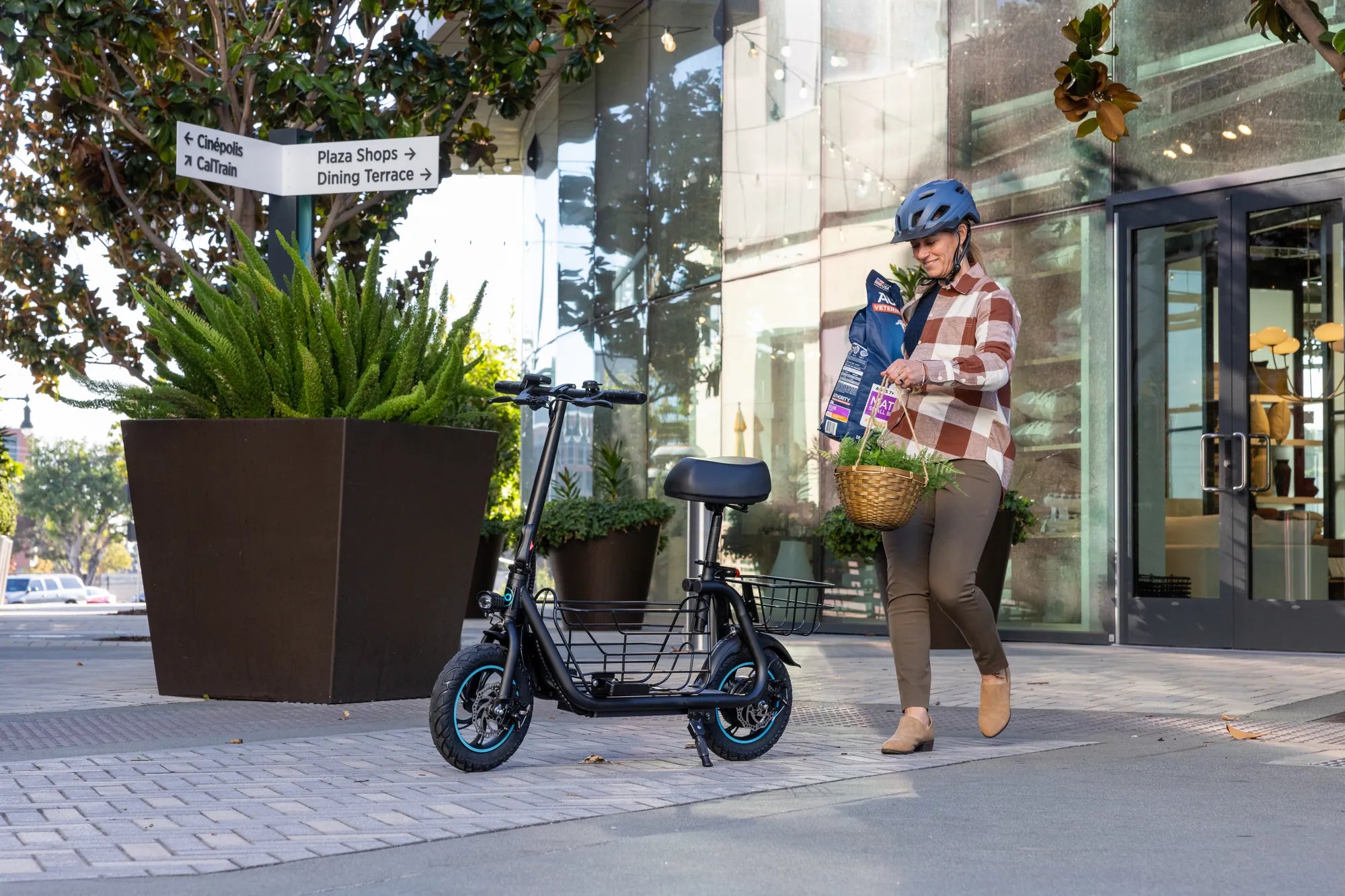
Navigating the legality of electric scooters in the UAE can feel like a maze of conflicting information. Are they allowed on the road? Do you need a license? The answer is not a simple yes or no—it's a conditional yes, governed by a detailed framework of federal guidelines and emirate-specific rules. This complete guide cuts through the confusion with authoritative, location-specific information. You will learn the federal traffic laws that apply, the distinct regulations in Dubai, Abu Dhabi, and other emirates, the step-by-step process for legal compliance, and how to choose a scooter that meets all safety and technical standards.
Understanding the Federal Framework: UAE Traffic Law & Personal Mobility Devices
The UAE federal traffic law provides the overarching legal context for all road users, including riders of Personal Mobility Devices (PMDs). The law categorizes e-scooters, e-bikes, and similar devices under this PMD umbrella. It establishes a baseline for safety and responsibility, delegating specific implementation and enforcement to the individual emirates and their transport authorities.
This federal delegation means there is no single, nationwide "e-scooter law." Instead, each emirate's relevant body—like Dubai's Roads and Transport Authority (RTA) or Abu Dhabi's Department of Municipalities and Transport (DMT)—issues its own executive regulations. These local rules define where you can ride, speed limits, age restrictions, and mandatory equipment. The federal law ensures that violations, such as reckless riding causing accidents, are treated with seriousness under the broader legal system.
Consequently, the first rule for any rider is to recognize that legality is hyper-local. A scooter ride that is perfectly legal on Dubai Marina's dedicated track could be a finable offense on a public road in Sharjah if local regulations differ. Ignorance of these specific rules is not a defense, making it crucial to understand the regulations in your emirate of residence and any you plan to visit.
Emirate-by-Emirate Breakdown: Where and How You Can Ride
The UAE's approach to micromobility is progressive but structured. Major emirates have invested significantly in dedicated infrastructure, transforming e-scooters from recreational toys into recognized last-mile transport solutions. This section provides the critical, location-specific details every rider must know before starting their journey.
Dubai: RTA Regulations and a Network of Designated Zones
Dubai has established the most comprehensive and formalized e-scooter regulatory framework in the UAE, managed by the RTA. Are electric scooters legal in UAE? In Dubai, the answer is a clear yes, but strictly within RTA-governed parameters. Riding is only permitted in specifically designated areas, which include dedicated cycling tracks and shared-use paths on key roads.
Popular legal riding zones include Sheikh Mohammed bin Rashid Boulevard, Jumeirah Beach Road, the Dubai Marina track, Al Qudra Cycle Path, and 12 designated districts like Downtown Dubai and City Walk. Riding on general public roads, highways (like Sheikh Zayed Road), or sidewalks outside these zones is illegal and subject to fines. The RTA continuously expands this network, so checking their official app or website for the latest map is essential.
Legal compliance in Dubai involves two key steps: using an approved scooter and obtaining a free permit. The RTA mandates that e-scooters must not exceed a maximum speed of 30 km/h, though speed limits within specific zones are often lower (e.g., 20 km/h on shared paths). The scooter must have functional front and rear brakes, a bell, front white and rear red lights, and reflectors. Riders must be at least 16 years old.
The permit is obtained through the "RTA Dubai" app by uploading a copy of your Emirates ID, a personal photo, and your scooter's details (serial number, model). This process registers the rider and links them to their device, promoting accountability. The permit must be carried digitally while riding.
Abu Dhabi: DMT Guidelines and Focus on Public Paths
Abu Dhabi's regulations, overseen by the Department of Municipalities and Transport (DMT), share similarities with Dubai's but have distinct characteristics. The emirate permits e-scooter use primarily on its extensive network of dedicated bicycle paths and corniche areas, such as the Abu Dhabi Corniche and Al Hudayriat Island. Riding on main roads is generally prohibited.
A key difference is the permit system. As of the latest guidelines, Abu Dhabi does not require a specific e-scooter riding permit or registration through an app. However, riders must adhere to all other rules. The minimum age is typically 16, and wearing a helmet is mandatory. The DMT also enforces a maximum speed limit of 20 km/h on most shared paths to ensure pedestrian safety.
The technical requirements are similar: scooters must have two independent braking systems, a bell, and front and rear lights for night riding. The emphasis is on integrating e-scooters safely into the existing active transport infrastructure rather than creating separate lanes on arterial roads. Always look for signage indicating shared-use or bicycle paths to ensure you are in a legal riding area.
Sharjah, Ajman, and the Northern Emirates: Evolving Stances
The regulatory landscape in other emirates is less defined and often more restrictive. In Sharjah, the use of e-scooters on public roads and main streets is currently prohibited. Limited usage may be allowed in certain closed communities, parks, or private compounds, but there is no public, city-wide framework akin to Dubai's. Riders should assume they are not permitted on public thoroughfares unless explicitly stated by local authorities.
Ajman, Ras Al Khaimah, Umm Al Quwain, and Fujairah largely lack formal, publicly announced regulations for public road use. In these emirates, e-scooters are often treated as recreational devices, confined to private property, beaches, or specific parks. Riding on public roads or sidewalks may lead to fines or confiscation of the device, as it falls outside established traffic laws. The safest approach is to contact the local municipality or police department for the most current directive before riding.
Practical Rider Requirements: The Compliance Checklist
Turning legal text into daily practice requires a simple checklist. Whether you're a resident or a tourist, ensuring you and your scooter meet all requirements is the key to a hassle-free ride.
1. The Scooter Itself: Your device must meet technical specs. It should have a maximum designed speed not exceeding 30 km/h (often limited to 20 km/h in apps for compliance). Dual braking systems (electronic and mechanical) are crucial. Front (white) and rear (red) lights, along with side reflectors, are mandatory for visibility. A working bell or audible warning device is required. Always check the manufacturer's specifications against local rules.
2. Rider Gear and Age: A helmet is non-negotiable in Abu Dhabi and strongly recommended everywhere. Reflective clothing or vests are advised for night riding. The minimum age is 16 in regulated emirates. There is no requirement for a car driver's license to operate an e-scooter, but the riding permit in Dubai serves as the official authorization.
3. The Permit Process (Dubai Specific): Download the "RTA Dubai" app. Navigate to the "Permits" section and select "Personal Mobility Device License." Fill in your personal details (Emirates ID), upload a recent photo, and input your scooter's details (model, serial number). The free permit is typically issued digitally within a short time and must be available for inspection.
4. Where to Ride: Always ride in designated lanes or paths. Never use sidewalks, as this endangers pedestrians and is a finable offense. Cross roads at designated pedestrian crossings, dismounting and walking your scooter if necessary. Be hyper-aware of your surroundings, especially car doors opening and vehicles turning.
Penalties and Safety: The Cost of Non-Compliance
The UAE authorities enforce e-scooter regulations rigorously to maintain public safety. Violations carry fines that can quickly add up, turning a convenient ride into an expensive mistake.
| Violation (Example) | Typical Fine (AED) | Key Risk |
|---|---|---|
| Riding in a prohibited area | 200 - 300 | Confiscation of device |
| Riding without a helmet (where mandatory) | 200 | Serious head injury |
| Exceeding the speed limit | 200 - 300 | Causing accidents |
| Carrying a passenger | 200 - 300 | Loss of control |
| Riding on sidewalks | 200 | Pedestrian collisions |
| Riding without lights at night | 200 | Low visibility to vehicles |
| Using a non-compliant device | 300 | Confiscation |
Beyond fines, reckless riding that leads to accidents can result in criminal liability under federal traffic laws. Safety is intrinsically linked to compliance. Riding at safe speeds, yielding to pedestrians, using hand signals for turns, and avoiding distractions (like headphones) are not just good practices—they are the behaviors that the rules are designed to enforce. A responsible rider protects themselves, others, and the long-term viability of e-scooters as a transport option in the UAE.
Choosing the Right E-Scooter for UAE Regulations
Selecting a scooter that is both capable and compliant is critical. The market is flooded with options, but not all are suitable for the UAE's climate and legal standards. Key features to prioritize include build quality, battery safety, and performance within legal limits.
Leading brands like Gyroor design their scooters with such regulations in mind. For instance, Gyroor models often feature dual braking systems (disc + electronic), bright front and rear LED lights, and built-in reflectors. Their scooters typically offer multiple speed modes, allowing you to select a compliant 20-25 km/h setting for city paths while having higher power available for private use. This ensures you are never inadvertently exceeding the limit on public paths.
Battery safety and durability are paramount in the UAE's heat. Gyroor uses UL-certified battery packs in their scooters, which undergo rigorous testing for over 500 charge cycles and are built with advanced Battery Management Systems (BMS) to prevent overheating. Combined with IPX5 water-resistant ratings on many models, this makes them reliable for year-round use. A reliable 1-year warranty, trusted by over 100,000 riders globally, offers peace of mind that is essential when your scooter is a daily transport tool.
When comparing, avoid unknown brands that may cut corners on brake quality or battery safety. A compliant scooter is an investment in safe, legal, and uninterrupted mobility. Always verify the manufacturer's stated top speed and safety features against the RTA or DMT checklist before purchasing.
FAQ: Quick Answers to Common Legal Questions
Q1: Do I need a driver's license to ride an e-scooter in Dubai or Abu Dhabi?
A: No, a car driver's license is not required. However, in Dubai, you must obtain a free specific "Personal Mobility Device License" (permit) via the RTA Dubai app. Abu Dhabi does not require a permit.
Q2: Can I ride my e-scooter on the sidewalk if the road is busy?
A: Absolutely not. Riding on sidewalks is illegal across the UAE and endangers pedestrians. You must use designated cycling tracks, shared paths, or other approved zones. If no safe path exists, you should dismount and walk.
Q3: Are Gyroor electric scooters compliant with UAE regulations?
A>Yes, Gyroor scooters are designed with features that meet key UAE requirements, such as dual braking systems, front and rear lights, and speed modes that can be set to comply with local limits (e.g., 20-25 km/h). Always confirm the specific model's specs against the latest authority guidelines.
Q4: Is insurance required for my e-scooter?
A: Currently, third-party liability insurance is not mandatory for e-scooters in the UAE. However, it is a highly recommended consideration, especially for regular riders, to cover potential damages or injuries to third parties in the event of an accident.
Q5: Can I take my e-scooter on the Dubai Metro or public buses?
A: Yes, but with restrictions. Folded e-scooters are generally allowed on the Dubai Metro and buses outside of peak hours (typically before 7 AM, between 10 AM - 4 PM, and after 8 PM on weekdays). The scooter must not obstruct aisles or doors.
The Future of E-Scooters in the UAE: Trends and Infrastructure
The UAE's investment in micromobility is part of a broader vision for smart, sustainable cities. The expansion of dedicated lanes and the formalization of rules indicate that e-scooters are not a passing trend but an integrated component of urban transport. Dubai's goal to have 25% of all trips be smart and driverless by 2030 includes last-mile solutions like e-scooters.
We can expect to see continued growth in designated riding zones, potentially more integrated parking and charging stations, and possibly even connectivity mandates (like geofencing to auto-limit speeds in certain areas). The success of this future depends heavily on rider compliance today. Every instance of reckless riding provides ammunition for critics and can slow down regulatory progress.
By choosing compliant, well-built scooters and adhering to the rules, the riding community demonstrates responsibility. This, in turn, encourages authorities to expand infrastructure and access, creating a positive cycle of growth. The legal framework will continue to evolve, making it imperative for riders to stay informed through official channels like the RTA and DMT websites.
Riding Responsibly in the UAE's Evolving Landscape
The question "Are electric scooters legal in UAE?" has a definitive answer: yes, within a clear and enforceable framework designed for safety and order. Legality is conditional on your location, your scooter's specifications, and your behavior as a rider. The key to enjoying this efficient mode of transport is a commitment to understanding and following the emirate-specific rules, investing in proper safety gear, and choosing a reliable scooter built for compliance and durability.
The infrastructure is growing, and the regulations, while strict, are a sign of the UAE's serious embrace of new mobility solutions. By riding responsibly today, you contribute to a safer, more connected urban environment for everyone tomorrow. For a range of electric scooters designed with quality, safety, and real-world compliance in mind, browse the full Gyroor collection at gyroorboard.com.
Electric Scooters Safety Concerns: What You Need to Know Before Riding
1500w Electric Scooters: The Ultimate Guide to Power and Performance