



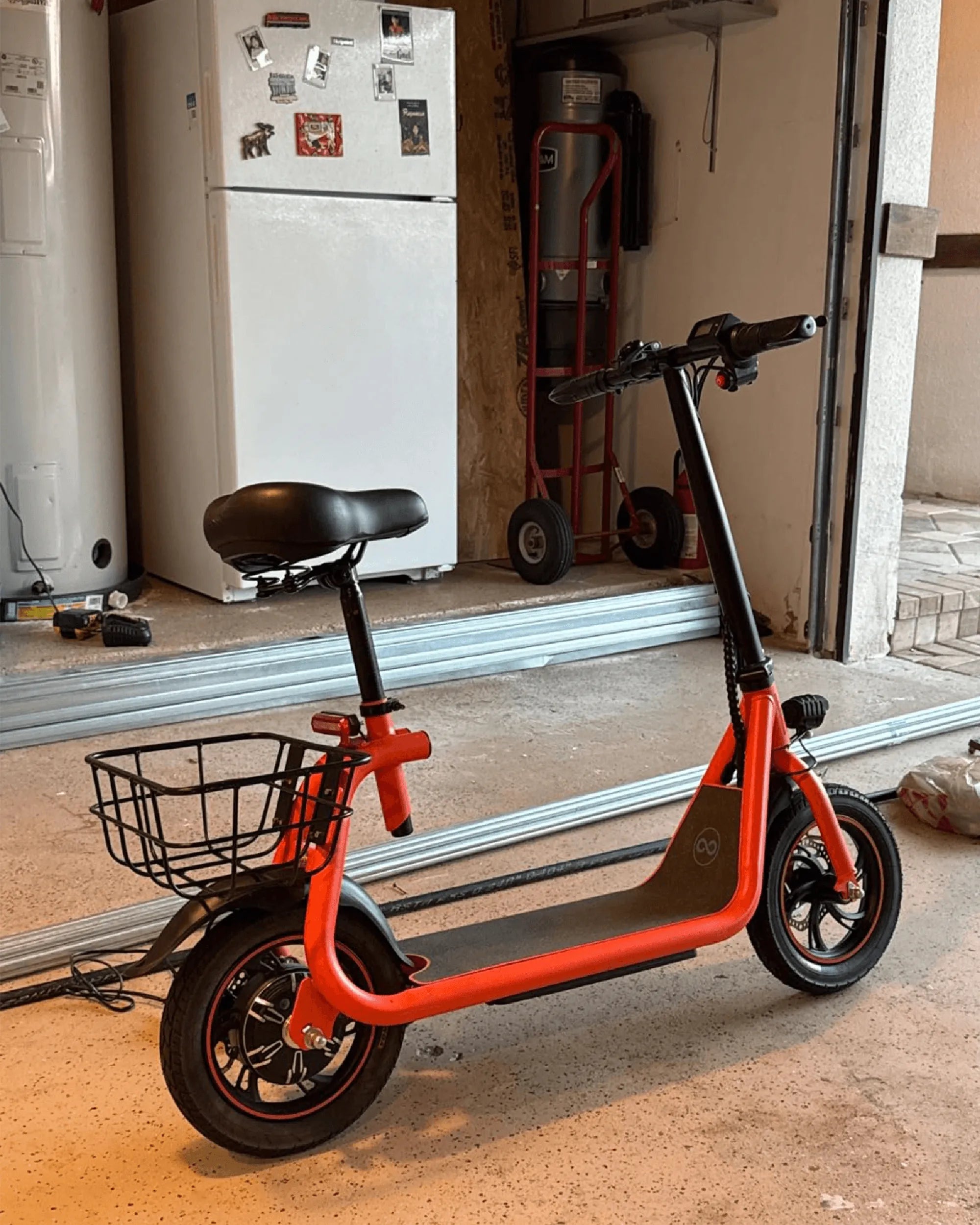
Navigating Wet Weather on Two Wheels
Riding an electric scooter in the rain is a common concern for daily commuters and recreational riders alike. A sudden drizzle shouldn't strand you, but understanding the limits is crucial for safety and protecting your investment. This question—Are Electric Scooters Okay in the Rain? Safety and Performance Explained—is more than a simple yes or no. It requires a detailed look at engineering standards, rider behavior, and proactive maintenance.
This guide provides a clear, data-driven framework for wet-weather riding. We'll dissect water-resistance ratings, outline essential safety adjustments, and explain how moisture impacts scooter longevity. Brands like Gyroor, a leading electric scooter and e-bike brand trusted by over 100,000 riders, design for real-world conditions with features like IPX5 water resistance. However, the rider's knowledge is the most critical safety feature of all.
By the end of this article, you'll know exactly how to assess conditions, adapt your riding, and care for your scooter after wet rides. The goal is confident, informed commuting, rain or shine. Let's start with the fundamental technical specification that defines a scooter's relationship with water: the IP rating.
Understanding Your Scooter's Water Resistance: The IP Rating Decoded
The Ingress Protection (IP) code is an international standard (IEC 60529) that classifies the degree of protection provided by an enclosure against solid objects and liquids. For electric scooters, the second digit, representing liquid protection, is paramount. It ranges from 0 (no protection) to 9K (protection against high-pressure, high-temperature jet sprays).
Most consumer electric scooters fall between IPX4 and IPX6. The 'X' often replaces the first digit (solid particle protection) when it's not specified or irrelevant. An IPX4 rating means the scooter is protected against water splashes from any direction. This is suitable for light, incidental rain but not for sustained exposure or riding through puddles.
An IPX5 rating, common in many robust commuter models, signifies protection against water jets (6.3mm nozzle) from any direction. This is a significant step up, indicating the scooter can handle light to moderate rain and the spray from wet roads. Higher ratings like IPX7 (immersion up to 1m for 30 minutes) are rare in standard scooters and often reserved for specialized or rugged models.
It is vital to understand that no mainstream consumer electric scooter is advertised as fully "waterproof." The term "water-resistant" is accurate and denotes a level of protection against specific conditions, not indefinite or total submersion. Always check your scooter's manual for its official IP rating and the manufacturer's specific guidelines for wet use.
What Does IPX5 Actually Protect?
A Gyroor electric scooter with an IPX5 rating is engineered for the realities of urban commuting. This rating means its electrical components are housed in enclosures that can withstand a low-pressure water jet test without harmful ingress. In practical terms, this translates to reliable operation during a steady rain shower, when riding on damp roads, or when encountering unavoidable puddles.
The protection focuses on critical areas: the battery compartment, the motor hub, the control deck (where the controller and display are housed), and wiring connections. Seals, gaskets, and conformal coatings on circuit boards work together to deflect water. However, IPX5 does not guarantee protection against high-pressure car washes, submersion in deep puddles, or prolonged torrential downpours.
Contrast this with a lower IPX4 rating, which only guards against splashing water. A scooter with IPX4 might survive a light drizzle but is at much greater risk if you ride through a sizable puddle. Higher ratings like IPX7 offer immersion protection but are overkill for most riders and add cost and complexity. For the vast majority of urban environments, IPX5 represents a robust, practical standard for water resistance.
Understanding this rating sets a realistic expectation: your scooter is a tool for getting from A to B in typical weather, not a submarine. The next layer of safety depends entirely on you, the rider, adapting to the changed environment.
Safety First: Essential Riding Adjustments for Wet Conditions
Even with a water-resistant scooter, rain dramatically alters the riding environment. Your primary safety systems—traction, braking, and visibility—are all compromised. Adjusting your behavior is non-negotiable. This section focuses on the critical changes you must make to compensate for wet conditions, regardless of your scooter's IP rating.
The first and most important rule is to slow down. Reduce your speed by at least 25-30% compared to dry conditions. This gives you more time to react to obstacles, pedestrians, and vehicles. Your stopping distance can double on wet pavement, so increased following distance is equally crucial. Treat every surface as potentially slippery.
Plan your route more carefully. Avoid steep hills, metal surfaces (manhole covers, bridge grates, train tracks), and painted road markings whenever possible. These become exceptionally slick when wet. Opt for main roads that are better drained and maintained over potentially flooded bike paths or alleyways. Always assume you have less grip than you think.
Finally, dress for the conditions and the fall. Wear a waterproof jacket and pants if possible. While a helmet is always essential, consider that a full-face helmet or one with a visor improves visibility in rain. Waterproof gloves improve grip on wet handlebars. Your clothing is part of your safety system in adverse weather.
Reduced Traction and Extended Braking Distances
Rain acts as a lubricant between your scooter's tires and the road surface. The water mixes with road film (oil, dust, rubber) to create a slippery layer. This drastically reduces the coefficient of friction, meaning your tires can't grip as effectively for accelerating, turning, or—most critically—braking.
On wet asphalt, braking distances can increase by 50% to 100%. You must begin braking earlier, apply pressure more gradually and evenly, and rely more on the electronic regenerative brake (if equipped) than the mechanical disc or drum brake. Sudden, hard braking on a mechanical brake is a primary cause of skids and falls in the rain.
Cornering requires extreme caution. Reduce your speed *before* entering a turn, and try to keep the scooter as upright as possible while navigating the curve. Leaning aggressively on a wet surface can cause the tires to lose sideways grip and slide out. Smooth, predictable inputs are the key to maintaining control.
Tire type plays a role. Air-filled (pneumatic) tires generally offer better wet traction than solid rubber tires due to their ability to channel water away through tread patterns. However, even with good tires, the physical limits of adhesion are lower. The rider's caution is the most effective traction control system available.
Enhanced Visibility for You and Your Surroundings
Rain reduces visibility for everyone: you, drivers, cyclists, and pedestrians. Heavy rain, spray from vehicles, and fogged-up visors or glasses create a dangerous sensory deficit. You must actively work to be seen and to see.
Turn on your scooter's front and rear lights—even during the daytime. Most modern scooters, including Gyroor models, have integrated LED lights. Ensure they are clean and functional. Consider adding additional, brighter aftermarket lights or wearing a high-visibility vest or reflective straps over your clothing. Your goal is to stand out in a grey, murky environment.
From your perspective, be extra vigilant at intersections and driveways. Assume drivers *cannot* see you. Make eye contact if possible, and never rely on a driver having yielded right-of-way until you are completely clear of their path. Rain and windshield wipers can easily obscure a small, fast-moving scooter from a driver's view.
Keep your own vision clear. If wearing a helmet with a visor, a small application of anti-fog spray can help. If wearing glasses, a brimmed hat under your helmet can shield them from direct raindrops. Slowing down not only helps with traction but also gives your brain more time to process a visually cluttered and obscured environment.
Performance and Longevity: How Rain Affects Your Scooter's Health
Riding in the rain within your scooter's rated limits is one thing; understanding the long-term effects on components is another. Proactive post-ride care is the bridge between a single wet ride and years of reliable service. Neglect can lead to corrosion, electrical gremlins, and accelerated wear, potentially voiding warranties.
Water, especially when mixed with road salt or grime, is a catalyst for corrosion. Metal parts like brake rotors, caliper bolts, kickstands, and folding mechanisms are vulnerable. Electrical connectors, even if sealed, can eventually corrode if moisture is consistently trapped. The goal of maintenance is to remove this moisture and contaminants promptly.
Performance can also be temporarily affected. Wet brakes may squeal or feel less responsive until the friction surfaces dry. Sensors for the throttle or regenerative braking might behave differently if water interferes with their signal. These are usually temporary issues that resolve with drying, but they underscore the need for a gentle, post-ride inspection routine.
Adopting a simple, consistent care habit after wet rides is the single best practice to ensure your scooter's longevity. It turns a potentially damaging event into a routine occurrence that your scooter is designed to handle. This care supports the manufacturer's warranty by demonstrating responsible use.
Battery and Electrical System Considerations
The battery pack is the heart and most expensive component of your electric scooter. Gyroor utilizes UL-certified battery packs, which undergo rigorous testing for safety and reliability. These are housed within the scooter's IPX5-rated deck or stem compartment, providing excellent protection against rain and spray.
However, a critical rule is to never charge a scooter that is wet to the touch. Before plugging in the charger, always wipe down the charging port on the scooter and the charger connector with a dry cloth. Ensure no visible moisture is present. Charging with water in the port can cause a short circuit, damaging the charger, the scooter's BMS (Battery Management System), or worse, creating a fire hazard.
Allow the scooter to air-dry in a well-ventilated, room-temperature space for a few hours after a wet ride before attempting to charge it. Avoid storing or charging a wet scooter in a cold environment like an unheated garage, as this can promote internal condensation. The combination of UL-certified cells and proper user care is the formula for long battery life through hundreds of charge cycles.
If your scooter has been subjected to conditions beyond its rating (e.g., deep submersion), do not attempt to turn it on or charge it. Contact the manufacturer's support team immediately for guidance. Forcing power through a water-logged system can cause catastrophic failure.
Post-Ride Care and Maintenance Checklist
Establishing a quick 5-10 minute routine after riding in the rain will pay dividends in reliability. Here is a step-by-step checklist:
- Power Down & Wipe Down: Turn the scooter off. Use a soft, absorbent microfiber cloth or towel to dry the entire scooter. Pay special attention to the deck, brakes, stem, handlebars, and any folding mechanisms.
- Clean the Brakes: Gently spin the wheels and apply the brakes a few times to help shed water from the rotors and pads. Wipe brake calipers to remove grimy water spray.
- Inspect Critical Areas: Check for any obvious pooling of water, especially in the deck crevices or around light housings. Tilt the scooter to help water drain out.
- Dry the Charging Port: As mentioned, ensure the charging port is completely dry. A cotton swab can be used gently to absorb moisture from the socket.
- Air Dry: Let the scooter stand in a dry, indoor area for several hours. Avoid using a heat gun or hair dryer, as excessive heat can damage seals and electronics.
- Avoid High-Pressure Washers: Never use a pressure washer or hose to clean your scooter. The force can drive water past seals and into components the IP rating is not designed to withstand.
This routine, performed consistently, aligns perfectly with the care expected under Gyroor's 1-year warranty, ensuring that any potential issues are related to manufacturing and not neglect.
Gyroor's Engineering for Real-World Weather: A Closer Look
Leading brands design with the commuter in mind, building features that address daily challenges like wet roads. Gyroor's approach to wet-weather readiness is a combination of specific engineering choices and comprehensive warranty support, giving riders confidence.
The foundation is the IPX5-rated construction. This isn't just a marketing claim; it's achieved through physical design elements. Sealed battery compartments with silicone gaskets prevent water ingress at the most critical point. Wiring looms are routed through protected channels and use waterproof connectors. The deck is often designed with minimal seams and raised edges to direct water away from central components.
The use of UL-certified battery packs is a significant safety differentiator. These batteries are tested for electrical, mechanical, and environmental safety, offering inherent stability and quality. When housed within the IPX5 enclosure, the risk of water-related battery failure is minimized. This commitment to core component quality is why Gyroor has earned the trust of a large customer base across North America and Europe.
This engineering confidence is backed by a clear 1-year warranty and accessible customer support. The warranty covers defects in materials and workmanship, which includes the proper functioning of water-resistant seals when used as intended. Knowing that the brand stands behind its IPX5 rating provides peace of mind for riders who need their scooter for daily transportation, rain or shine.
Comparative Analysis: Wet-Weather Preparedness Across Scooter Types
Not all scooters are created equal for damp conditions. The table below compares different scooter categories based on key factors affecting wet-weather usability.
| Scooter Category | Typical IP Rating | Tire Type | Wet Traction & Comfort | Best For |
|---|---|---|---|---|
| Ultra-Portable / Last-Mile | IPX4 | Small Solid Rubber | Lowest traction, harsh ride on wet bumps. Avoid puddles. | Short, predictable dry commutes. Not ideal for rain. |
| Commuter (e.g., Gyroor Models) | IPX5 | Larger Pneumatic or Puncture-Proof | Good spray protection, better shock absorption and traction. | Daily urban commuting, handling light/moderate rain confidently. |
| Performance / Off-Road | IPX5 - IPX6 | Large, Knobby Pneumatic | Excellent traction on wet uneven surfaces, high ground clearance. | All-weather riders, rough terrain, but heavier and less portable. |
| Unrated / Generic Models | None Stated | Varies (Often Solid) | High risk. Electrical components are vulnerable. Not recommended for wet use. | Dry, controlled environments only. High risk of water damage. |
As shown, dedicated commuter scooters with IPX5 ratings and pneumatic tires offer the best balance of weather protection, ride quality, and practicality for the urban rider facing occasional rain.
Frequently Asked Questions (FAQ)
Can I ride my Gyroor scooter in heavy rain or a thunderstorm?
It is strongly advised against. While the IPX5 rating protects against water jets, heavy rain and flooding can exceed this specification. More importantly, thunderstorms bring lightning, poor visibility, and high winds, creating extreme danger for any micromobility rider. Safety should always come first; seek shelter and wait for the weather to improve.
What should I do if my scooter gets caught in a downpour or submerged?
First, power off the scooter immediately if it is safe to do so. Do not ride it further. Once in a safe, dry location, follow the post-ride care checklist meticulously. Dry it thoroughly and allow it to air-dry for 24-48 hours in a warm, dry place before attempting to turn it on. If it was fully submerged, do not turn it on. Contact Gyroor customer support for professional advice, as internal components may need inspection.
Are the tires on Gyroor scooters suitable for wet ground?
Many Gyroor commuter models feature larger, air-filled (pneumatic) tires which generally provide better wet-weather traction than small, solid tires. The tread pattern helps channel water away. However, no tire can overcome the laws of physics on a slick surface. The suitability ultimately depends on the rider's caution—reducing speed and avoiding sharp maneuvers is essential, regardless of tire type.
Does riding in the rain void my warranty?
Riding within the manufacturer's specified conditions does not void the warranty. For a Gyroor scooter with an IPX5 rating, using it in light to moderate rain is within specification. The warranty would be voided by damage resulting from neglect (e.g., charging while soaking wet), intentional submersion, or use in conditions clearly beyond the IP rating (e.g., pressure washing). Always refer to your official warranty document for precise terms.
How can I improve my scooter's water resistance?
It is not recommended for users to modify their scooters' electronics or seals, as this will certainly void the warranty and may create safety hazards. The best "improvement" is preventive maintenance: regularly check for worn seals or cracks in the deck, keep the charging port cover sealed when not in use, and apply a silicone-based protectant to external metal parts to prevent corrosion. Choose a scooter with an appropriate IP rating (like IPX5) from the start for your needs.
Smart Riding in Any Weather
The question Are Electric Scooters Okay in the Rain? Safety and Performance Explained has a nuanced answer: yes, with the right preparation, knowledge, and equipment. A scooter with a solid IPX5 rating, like those from Gyroor, is engineered to handle the wet conditions of a typical commute. However, its technical capability is only half the equation.
Your actions as a rider—slowing down, increasing following distance, enhancing visibility, and performing simple post-ride maintenance—complete the circuit for safe and sustainable wet-weather riding. Understanding that water resistance is a rating, not an invitation, allows you to make smart decisions about when to ride and when to wait.
By choosing a scooter built with quality components like UL-certified batteries and backed by a clear warranty, you invest in a tool designed for real-world use. Combine that tool with informed, cautious riding habits, and you unlock true all-weather commuting freedom. Don't let a forecast of scattered showers ground you; equip yourself with knowledge and ride with confidence.
Ready to find an electric scooter built for your daily journey, rain or shine? Browse the full Gyroor collection, featuring IPX5 water-resistant designs and UL-certified batteries, at gyroorboard.com.
Electric Scooters in Kerala Price: Your 2024 Guide to Smart Commuting
Top Electric Scooters for Teens 2025: The Ultimate Guide to Safe and Fun Rides