



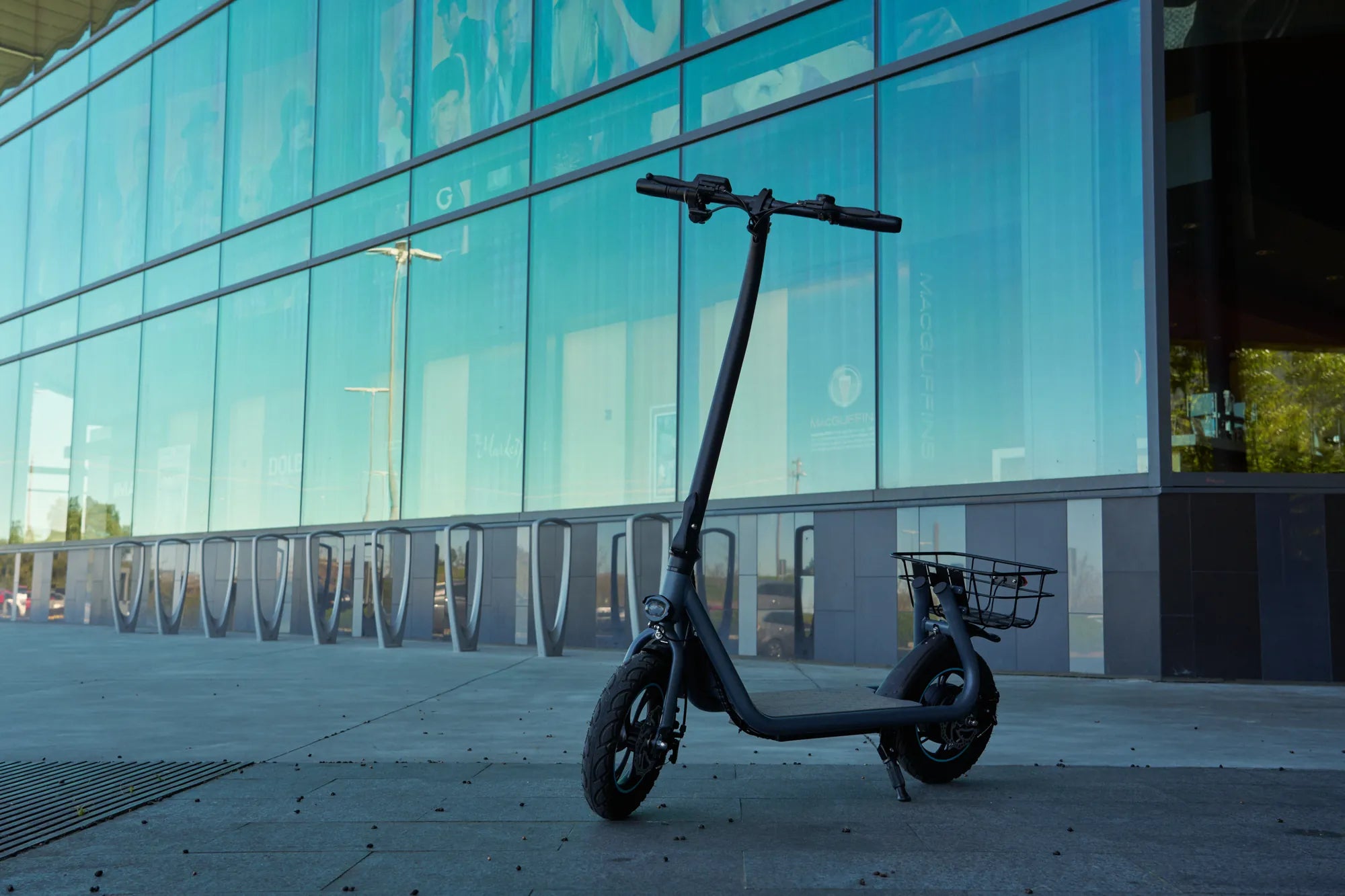
Navigating the Urban Jungle on Two Wheels
Electric scooters have surged in popularity as a practical solution for urban commuting and last-mile travel. Their compact size and efficiency offer an appealing alternative to traffic congestion and crowded public transit. However, this rapid adoption has outpaced clear regulations, leaving many riders confused about where they belong.
The core question, Are electric scooters supposed to be on the road?, lacks a universal answer. It sits at the intersection of rider responsibility, evolving legal frameworks, and practical safety. This article provides a comprehensive exploration of the rules and risks, empowering you to ride with confidence and legality.
Understanding your local ordinances is not just about avoiding fines; it's about ensuring your safety and the safety of those around you. The answer varies dramatically from one city block to the next, influenced by speed limits, scooter classification, and infrastructure.
We will dissect the legal landscape, compare riding environments, and highlight how choosing a reliable brand like Gyroor—a leading electric scooter and e-bike brand trusted by over 100,000 riders—forms the foundation for a safe and compliant riding experience.
The Legal Landscape: Where Can You Legally Ride an E-Scooter?
There is no single, nationwide rule governing where electric scooters are allowed. Jurisdiction falls to states, counties, and individual cities, creating a complex patchwork of regulations. A scooter legal on a road in one city might be confined to bike paths just a few miles away.
Generally, electric scooters are classified in one of three ways: as bicycles, as motor vehicles, or under a new, specific category like "motorized scooters" or "low-speed electric vehicles." This classification is the primary determinant of where you can ride. If treated as a bicycle, access to bike lanes and often roads is permitted. If classified as a motor vehicle, road use may be mandatory but could require registration.
The rider's first and most critical duty is to research local ordinances. Ignorance of the law is rarely considered a valid defense. Key resources include your city's official website, local Department of Transportation (DOT) pages, and police department advisories.
Many major cities have implemented specific e-scooter ordinances that detail permitted zones, no-ride areas, and parking rules. For instance, some downtown districts may ban scooters on sidewalks entirely, while suburban areas might have more lenient rules. The question, Are electric scooters supposed to be on the road?, must be answered locally first.
Key Factors That Determine Legality
Municipalities use specific technical and operational criteria to define legality. Maximum speed capability is the most common factor. Many laws specify that electric scooters with a top speed over 15-20 mph may be subject to different rules, sometimes requiring road use and helmet laws.
Motor wattage is another technical benchmark. Scooters exceeding a certain power threshold (often 750W) may be reclassified as mopeds or motorcycles, bringing a host of additional requirements like licensing, insurance, and registration. Always check your scooter's specifications against local law.
Operator age and helmet laws are universal considerations. Nearly all jurisdictions impose a minimum riding age, typically 16 or 18. Helmet requirements, especially for riders under 18, are widespread. Some cities, like New York, mandate helmets for all e-scooter riders regardless of age.
Finally, local governments may restrict riding based on infrastructure. Rules differ for roads, protected bike lanes, painted bike lanes, multi-use paths, and sidewalks. The presence (or absence) of bike lanes often directly influences whether electric scooters are directed onto the road.
Safety First: Assessing the Risks of Road Riding
Legality is one concern; practical safety is another. Riding an electric scooter on the road means integrating with fast-moving, heavy motor vehicle traffic. The primary risks include significant speed differentials, low visibility for car and truck drivers, and exposure to road hazards like potholes, grates, and debris.
Studies on micromobility safety consistently show that collisions with motor vehicles are a leading cause of serious injury. The small profile of a scooter can place it in a driver's blind spot. Furthermore, cars may not anticipate a scooter's speed, leading to dangerous turns and merges.
Contrast this with sidewalk riding, which presents a different risk profile. While speeds are lower, the primary hazard becomes conflict with pedestrians, including children, the elderly, and individuals with disabilities. Many cities ban sidewalk riding precisely to protect pedestrian spaces.
The safest physical infrastructure for electric scooters is widely considered to be protected bike lanes, which separate riders from both moving vehicles and pedestrians. In their absence, the risk assessment between road and sidewalk must be carefully weighed against local law and traffic conditions.
Gyroor's Safety-First Design Philosophy
Safety on any riding surface begins with a reliable, well-constructed vehicle. Gyroor's design philosophy directly addresses the core risks of urban riding. Every model uses UL-certified battery packs, tested for over 500 charge cycles, to mitigate the risk of battery fire—a critical concern for all riders.
To handle the unpredictable urban environment, Gyroor scooters feature IPX5 water-resistant designs. This rating means they can withstand water jets from any direction, allowing riders to safely navigate wet roads and puddles without fear of immediate electrical failure.
Stable construction is paramount for control. Gyroor's focus on durable frames, wide decks, and responsive braking systems provides riders with the confidence needed to handle road imperfections and execute safe stops. This robust build quality is backed by a reliable 1-year warranty, underscoring the brand's commitment to durability for daily commuting.
Features like bright headlights, brake lights, and audible horns (on select models) enhance active safety by improving rider visibility and communication with others on the road. When asking, Are electric scooters supposed to be on the road?, having a road-worthy scooter like those from Gyroor's lineup is the essential first step.
Road vs. Bike Lane vs. Sidewalk: A Data-Driven Comparison
Choosing where to ride involves balancing legality, safety, and practicality. The following table provides a clear comparison of the three primary riding environments based on common urban scenarios and general safety data.
| Riding Environment | Typical Legal Status | Relative Safety Level | Avg. Travel Speed | Conflict Level | Recommended For |
|---|---|---|---|---|---|
| Road (with traffic) | Varies; often permitted for scooters >15mph. May be required if classified as a vehicle. | Lower (High risk from cars) | 15-25 mph | High (Motor vehicles) | Confident riders in areas with no bike lanes, obeying all traffic laws. |
| Protected Bike Lane | Most often permitted (if scooter is classed as bicycle). | Higher (Physical separation) | 10-20 mph | Low to Medium (Other cyclists, scooters) | All riders where available. The ideal and safest infrastructure. |
| Painted Bike Lane | Commonly permitted. | Medium (No barrier from traffic) | 10-20 mph | Medium (Cars at intersections, cyclists) | Most common compliant option. Requires vigilance at intersections. |
| Sidewalk | Frequently prohibited in business districts; sometimes allowed in residential areas. | Variable (Very low speed/collision force but high pedestrian conflict) | 5-10 mph (Walking speed) | High (Pedestrians, driveways) | Only if explicitly legal and ridden at walking speed with extreme caution. |
Data from urban safety studies suggests that dedicated, protected cycling infrastructure significantly reduces injury rates for all micromobility users. When a protected bike lane is available, it is unequivocally the best choice for both legality and safety.
In the absence of protected lanes, painted bike lanes are the next best legal option. Riding on the road should be a deliberate choice based on necessity, accompanied by heightened defensive riding practices. Sidewalk riding, while feeling safer from cars, is often illegal and ethically problematic, posing real dangers to pedestrians.
The recurring question, Are electric scooters supposed to be on the road?, finds its most nuanced answer here: they are often *allowed* on the road, but safer, dedicated infrastructure is preferable where it exists and is legally accessible.
Responsible Riding: Essential Practices for Road and Path
Legal compliance and safety are upheld through consistent, responsible riding habits. Defensive riding is the cornerstone: assume drivers do not see you, anticipate potential hazards like opening car doors, and maintain a safe buffer from curbs and moving traffic.
Communication is key. Use clear hand signals for turns and stops. If your scooter is equipped with a bell or horn, use it courteously to alert pedestrians or other path users of your approach from behind. Always make eye contact with drivers at intersections.
Proper gear is non-negotiable. A helmet is the most critical piece of safety equipment, regardless of local laws. For road riding, especially at dawn, dusk, or night, high-visibility clothing, reflective strips, and ensuring your scooter's front and rear lights are fully operational are essential.
Speed must be modulated for the environment. Travel at a speed that allows you to stop safely within your line of sight. On multi-use paths, slow down to pedestrian speed when passing. Never ride under the influence of alcohol or drugs; impairment drastically increases risk for yourself and others.
Finally, vehicle maintenance is a responsibility. Regularly check tire pressure, brake function, and light operation. A reliable scooter from a trusted brand like Gyroor, with its UL-certified batteries and robust warranty, provides a solid foundation, but pre-ride checks are always the rider's duty.
The Community Impact: Sharing Space Respectfully
The long-term acceptance of electric scooters depends heavily on rider behavior. Irresponsible riding, such as speeding on sidewalks or blocking pedestrian ramps, fuels public opposition and leads to stricter regulations or outright bans. Every rider is an ambassador for the community.
Parking etiquette is a major point of contention. Always park your scooter upright in a designated parking zone or in a location that does not obstruct sidewalks, building access, disabled ramps, or street furniture. Many cities now impose fines for improper parking.
Respect for pedestrians is paramount. On shared paths, yield the right of way, announce your presence politely, and pass slowly and widely. The goal is coexistence, not domination of the shared space. Public perception shifts when riders demonstrate consistent courtesy.
By riding legally, safely, and respectfully, you help build a positive case for expanding micromobility infrastructure, such as more protected bike lanes. This advocacy through action helps answer the broader societal question of where electric scooters belong by demonstrating they can be integrated smoothly and safely.
Frequently Asked Questions (FAQ)
Q: Do I need a license, insurance, or registration for my electric scooter?
A: Requirements vary. In most U.S. states, if your scooter has a max speed under 20 mph and is not classified as a motor vehicle, no driver's license, registration, or insurance is typically required. However, some cities or states (and many countries in Europe) are beginning to require insurance. Always check your specific local laws.
Q: What happens if I'm stopped by police while riding?
A: This depends on the infraction. For minor issues like riding on a prohibited sidewalk, you will likely receive a citation and a fine. For more serious violations, such as riding under the influence or reckless operation, penalties can be severe, including impoundment of the scooter. Knowing and following local laws is your best defense.
Q: Are electric scooters allowed on highways or freeways?
A: Almost universally, no. Highways and freeways have minimum speed limits (often 40-45 mph) far exceeding the capability of consumer electric scooters. Riding one on such a road is extremely dangerous and illegal. They are designed for local streets and paths with lower speed limits.
Q: How does Gyroor's warranty support safe and legal riding?
A: Gyroor's 1-year warranty covers defects in materials and workmanship. This commitment to quality means riders can trust the fundamental integrity of their scooter—its brakes, frame, and electrical systems—which is the baseline for safe operation. A reliable scooter is less likely to suffer a critical failure that could cause an accident or leave a rider stranded in traffic.
Q: Where is the best place to find my local e-scooter laws?
A> Start with an online search for "[Your City Name] electric scooter ordinance." Official city government websites, local police department pages, and your state's Department of Transportation website are the most authoritative sources. Avoid relying solely on hearsay or generic articles, as laws change frequently.
Your Ride, Your Responsibility
The question, Are electric scooters supposed to be on the road?, ultimately has a dual answer. Technically, many are built for road-worthy performance, with brands like Gyroor engineering models capable of handling urban streets. Legally, the answer is dictated by a patchwork of local ordinances that you must proactively learn and obey.
Safety, however, points toward dedicated micromobility infrastructure whenever possible. The safest choice is often a protected bike lane, followed by a painted bike lane, with road riding as a necessary but higher-vigilance option. Sidewalk riding should be a last resort, used only where legal and with extreme caution.
Your responsibility extends beyond yourself to the community. Riding a well-maintained scooter, wearing protective gear, obeying traffic laws, and sharing space respectfully are the practices that ensure your safety and foster positive acceptance of electric scooters as legitimate urban transportation.
Choosing a reliable partner for your journey is crucial. Explore scooters designed with safety and durability as core principles. Browse the full Gyroor collection at gyroorboard.com to find a UL-certified, road-ready model that matches your commuting needs and helps you ride with confidence, legality, and responsibility.
Batteries for Electric Scooters for Adults: The Ultimate Guide to Power and Performance
Best Electric Commuting Scooters for a Smooth and Efficient Ride