



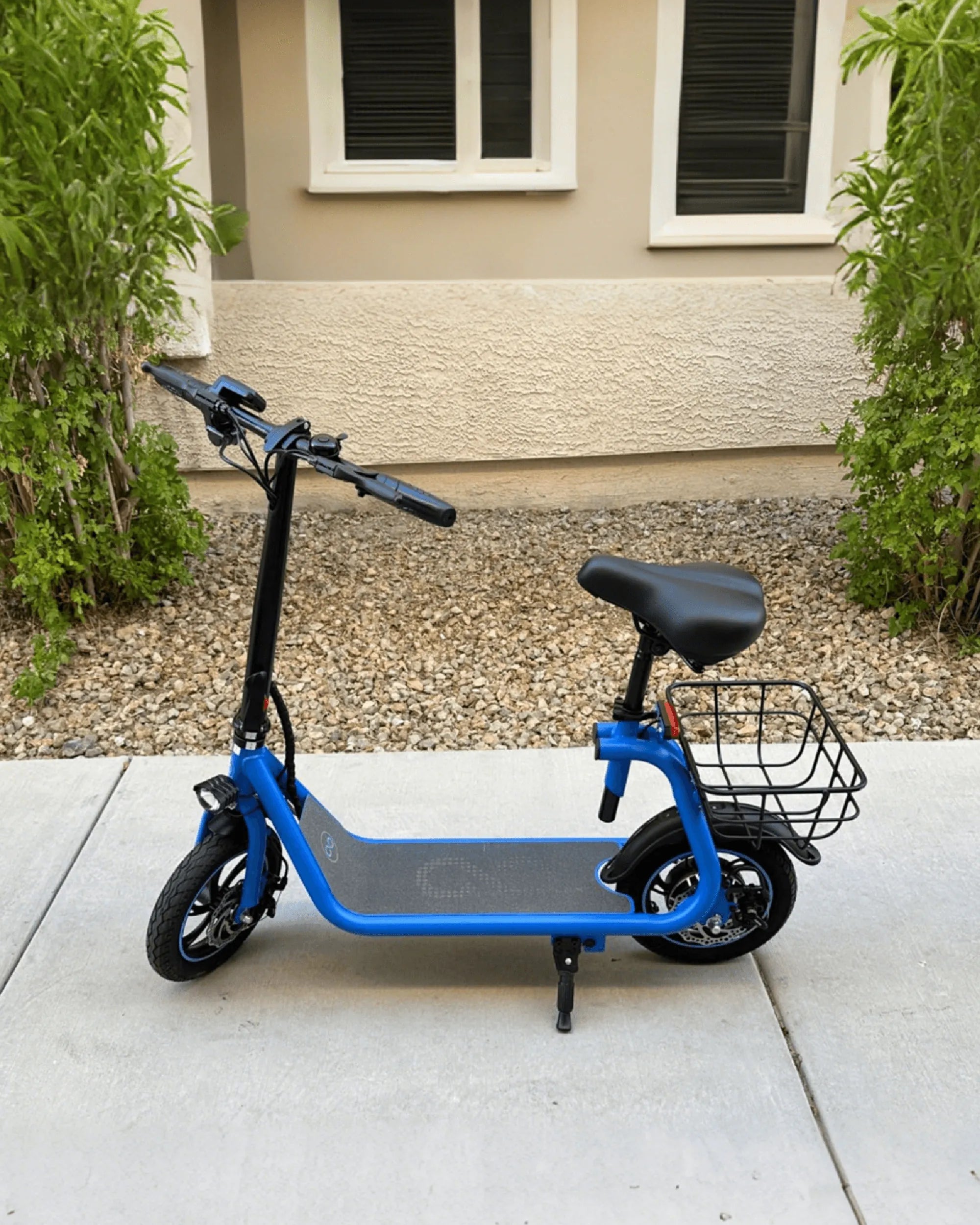
You're ready to head out, but dark clouds are gathering. Can your electric scooter handle the rain, or will a sudden downpour turn your commute into a costly repair? Understanding water resistance is not a niche feature—it's essential for real-world reliability. Are electric scooters water resistant? What you need to know centers on the Ingress Protection (IP) rating system, the engineering behind it, and the crucial difference between resistant and waterproof. This guide provides the data-driven facts to help you choose a scooter built for your climate and teaches you how to ride and care for it in wet conditions, ensuring safety and longevity for your vehicle.
Understanding Water Resistance in Electric Scooters
Water resistance in electric scooters refers to a design's ability to prevent water ingress that could damage sensitive electrical components. It is a measured specification, not a marketing claim. The core components at risk include the battery pack, motor controller, wiring harness, display, and throttle.
For urban commuters and recreational riders, this feature is critical. It determines whether you can confidently navigate a damp city street, survive an unexpected shower, or simply store your scooter in a humid garage without worry. A scooter with poor water resistance is a fair-weather vehicle with a significantly higher risk of sudden failure.
The standard metric for defining this protection is the International Electrotechnical Commission's Ingress Protection (IP) code. This two-digit rating provides a universal language for comparing protection levels across different brands and models. It is the single most important specification to check when evaluating a scooter's capability in wet conditions.
Ignoring a scooter's IP rating can lead to malfunctions, reduced lifespan, and serious safety hazards like electrical shorts or battery damage. Therefore, knowing how to interpret this code is the first step in making an informed purchase and practicing safe riding.
The IP Rating System Decoded: From Splashes to Storms
The IP code, such as IPX5 or IP54, is a two-part standard. The first digit (0-6) indicates protection against solid objects like dust. The second digit (0-9K) indicates protection against liquids, primarily water. An 'X' denotes that the product was not tested or rated for that specific type of ingress.
For water resistance, the second digit is paramount. Common ratings for electric scooters include IPX4 (protection against water splashes from any direction), IPX5 (protection against water jets from a 6.3mm nozzle), and IPX7 (protection against temporary immersion up to 1 meter for 30 minutes). Higher ratings like IPX8 are rare in consumer scooters.
It's vital to understand the practical meaning. An IPX4-rated scooter can handle light rain and road spray. An IPX5-rated scooter, a common standard for commuter models, is engineered to withstand heavier rain, riding through puddles, and the spray from wet roads. No standard IP rating approves riding through submerged conditions or during torrential storms.
The following table clarifies the most relevant IP ratings for electric scooter riders:
| IP Code | Protection Against Solids (1st Digit) | Protection Against Liquids (2nd Digit) | Practical Scooter Implication |
|---|---|---|---|
| IPX4 | Not rated (X) | Splashing water from any direction | Suitable for light, occasional rain. Avoid puddles and prolonged exposure. |
| IP54 | Dust protected (limited ingress) | Splashing water from any direction | Good for urban commuting with light rain and dusty environments. |
| IPX5 | Not rated (X) | Water jets from a 6.3mm nozzle | Can handle moderate to heavy rain, road spray, and accidental puddle splashes. A robust standard for daily use. |
| IPX7 | Not rated (X) | Immersion up to 1m for 30 min | Can survive accidental submersion (e.g., falling into a shallow puddle). NOT for riding underwater. |
Always verify the full IP rating from the manufacturer's official specifications, not third-party listings. A missing or vague rating is a major red flag.
Gyroor's Approach to Water Resistance: Engineering for Real Conditions
As a leading electric scooter and e-bike brand trusted by over 100,000 riders, Gyroor prioritizes engineered reliability for real-world conditions. Their commitment is demonstrated by standardizing an IPX5 water-resistant design across key commuter models. This rating is a deliberate engineering choice for urban and recreational use.
An IPX5 rating signifies that critical components are sealed against low-pressure water jets. For a rider, this translates to protection during a steady rain, from splashes when riding over wet pavement, and from the spray of other vehicles. Gyroor achieves this through multiple design strategies: sealed battery compartments, waterproofed motor connections, protected deck seams, and water-resistant displays and control units.
This engineering philosophy extends to core safety. All Gyroor models use UL-certified battery packs, which undergo rigorous testing for stability and safety across 500+ charge cycles. When combined with a water-resistant enclosure, the risk of moisture-related battery issues is significantly reduced. This holistic approach to durability is backed by a reliable 1-year warranty, providing riders with confidence in their investment.
For example, a Gyroor commuter scooter with an IPX5 rating is built for the rider who needs dependable daily transportation, rain or shine. It balances robust protection with practical performance, ensuring that a sudden weather change doesn't strand the rider or compromise the scooter's vital systems.
The Critical Components: What's Being Protected?
Water resistance isn't a blanket feature; it's about safeguarding specific, vulnerable parts. The battery is the most critical and expensive component. Water ingress can cause corrosion, short circuits, and permanent failure, posing a fire risk. A sealed, IP-rated battery compartment is non-negotiable for safety.
The motor controller, or ESC, is the scooter's brain. It regulates power from the battery to the motor. If water reaches this electronic board, it can cause erratic behavior, loss of power, or complete burnout. Quality scooters pot this controller in a waterproof resin or house it in a sealed enclosure.
The hub motor itself, while somewhat sealed, is not impervious. Bearings and internal wiring can corrode if constantly exposed to moisture. Similarly, all electronic connections—for the throttle, brake levers, display, and lights—are potential entry points. These are protected by rubber gaskets, silicone sealant, and waterproof connectors in well-designed models.
Finally, the deck is a major vulnerability. Many scooters have a deck seam or a removable cover for the battery. If this seal fails, water pools directly onto electronics. A good design includes a tight-fitting seal, raised deck edges, and sometimes internal channeling to drain incidental moisture away from components.
Practical Limits: What "Water Resistant" Does NOT Mean
This is the most crucial section for rider safety. Water resistant is not waterproof. No mainstream electric scooter with an IP rating is designed for deliberate submersion, riding through deep standing water, or use as a watercraft. Misunderstanding this distinction is the leading cause of water damage.
You must avoid riding in heavy thunderstorms or torrential downpours. The volume and force of water in these conditions can exceed the design limits of even an IPX5-rated scooter, potentially forcing water past seals. Similarly, never ride through puddles where the depth is unknown or where water would rise above the bottom of the deck.
Post-ride care is also governed by limits. Never use a pressure washer or a high-pressure hose to clean your scooter. The intense force can drive water directly through protective seals. Furthermore, storing or charging a wet scooter in an enclosed, unventilated space can trap humidity and lead to slow, internal corrosion over time.
It is imperative to understand that misuse voids warranties. Manufacturers, including Gyroor, clearly state that warranties do not cover water damage resulting from submersion, pressure washing, or operation outside the specified IP rating conditions. Responsible use is the rider's responsibility.
Rider's Guide: Protecting Your Scooter in Wet Conditions
Safe wet-weather riding starts before you leave. Perform a quick visual check. Ensure the charging port cover is securely closed and that there are no obvious cracks or gaps in the deck sealing. Check your tire pressure, as proper inflation provides better traction on wet surfaces.
While riding, adopt a defensive technique. Reduce your speed significantly. Allow for much longer braking distances, as wet brakes (especially disc brakes) and wet surfaces drastically reduce stopping power. Avoid sharp turns and lean gently. Steer clear of painted road markings, metal grates, and leaves, which become extremely slippery.
After your ride, proper drying is essential. Use a dry, absorbent towel to wipe down the entire scooter, paying special attention to the deck, stem, brakes, and wheels. If the scooter is very wet, leave it in a dry, ventilated area (not in direct sunlight or near a heat source) for several hours to allow internal moisture to evaporate before plugging it in to charge.
For long-term maintenance, periodically inspect critical seals for wear or degradation. Apply a silicone-based protectant to rubber gaskets on charging ports to keep them pliable. Store your scooter in a cool, dry place. Following these steps will maximize the lifespan of your scooter's water-resistant features and ensure reliable performance.
Comparing Scooter Types and Their Water Resistance
Not all electric scooters are created equal for wet conditions. Understanding the categories helps match the scooter to your environment. Budget/Entry-Level Scooters often have low (IPX4) or unspecified IP ratings. They are best kept for dry, fair-weather use only. Their components and build quality are not designed for moisture exposure.
Commuter Scooters, like many in Gyroor's lineup, typically feature IPX5 or IP54 ratings. This is the sweet spot for daily urban use, offering reliable protection against rain and road spray. They represent the best balance of price, performance, and weather capability for most riders.
High-Performance/Off-Road Scooters may have enhanced water resistance (sometimes IPX6 or IPX7) due to more robust sealing and construction. However, their primary focus is power and suspension, and riders should still avoid deliberate water exposure. Their complex systems can be expensive to repair if water damaged.
When choosing, prioritize a clear, reputable IP rating from a trusted brand over ambiguous claims. A scooter from a brand like Gyroor with a stated IPX5 rating and UL-certified battery offers more predictable, safer performance in damp conditions than a cheaper model with vague or unverified "waterproof" promises.
FAQ: Your Electric Scooter Water Resistance Questions Answered
Can I ride my Gyroor scooter in the rain?
Yes, Gyroor scooters with an IPX5 rating are designed to handle moderate rain and wet road conditions. However, you should exercise caution, reduce speed, and avoid riding in heavy storms or through deep, standing water.
What should I do if my scooter gets soaked or submerged?
Immediately power it off. Do not attempt to charge it. Wipe it down thoroughly with a dry towel and place it in a dry, ventilated area for at least 24-48 hours to allow internal components to dry completely. If it was fully submerged, contact the manufacturer's support, as internal damage is likely.
Does the warranty cover water damage?
No, standard warranties, including Gyroor's, do not cover water damage resulting from misuse. This includes submersion, riding in floods, pressure washing, or operation outside the scooter's specified IP rating limits. The warranty protects against manufacturing defects, not user-induced damage.
How do I check my scooter's IP rating?
The official IP rating is listed in the product's user manual and on the manufacturer's official website specification sheet. Do not rely on retailer descriptions alone. If you cannot find a clear IP rating, contact the manufacturer directly for confirmation.
Can I improve my scooter's water resistance?
While not recommended by manufacturers as it may void warranties, some users apply additional silicone sealant to deck seams and connections. A more practical and safe approach is to use protective accessories like fender extenders and to be meticulous about post-ride drying and maintenance.
Is it safe to charge my scooter after riding in the rain?
Only after it has been properly dried. Ensure the charging port and the entire scooter are completely dry to the touch. It is safest to wait a few hours in a dry environment after a wet ride before connecting the charger to ensure no residual moisture is present in the port.
Conclusion: Ride Confidently with the Right Knowledge
The question are electric scooters water resistant? What you need to know boils down to verified specifications and responsible use. A clear IP rating like IPX5 is a benchmark for reliable, all-weather capability, providing essential protection for your commute. Brands like Gyroor engineer this protection into their scooters, pairing it with UL-certified batteries for integrated safety.
Your role as a rider is to understand the limits of that resistance. Avoid submersion and extreme weather, practice careful riding on wet surfaces, and commit to thorough post-ride drying. This combination of smart engineering and informed ownership unlocks true versatility, allowing you to navigate urban environments without being sidelined by the weather. Choose a scooter built for real conditions, and you invest in dependable, long-term mobility.
Ready for a scooter that can keep up with your life, rain or shine? Explore Gyroor's range of IPX5 water-resistant electric scooters and e-bikes, engineered with UL-certified batteries and backed by a reliable warranty. Browse the full Gyroor collection at gyroorboard.com and find the model built for your journey.
Best Brands for Electric Scooters: Top Picks for Every Rider
Electric Scooters for Adults 25 mph: The Ultimate Urban Commuting Guide