



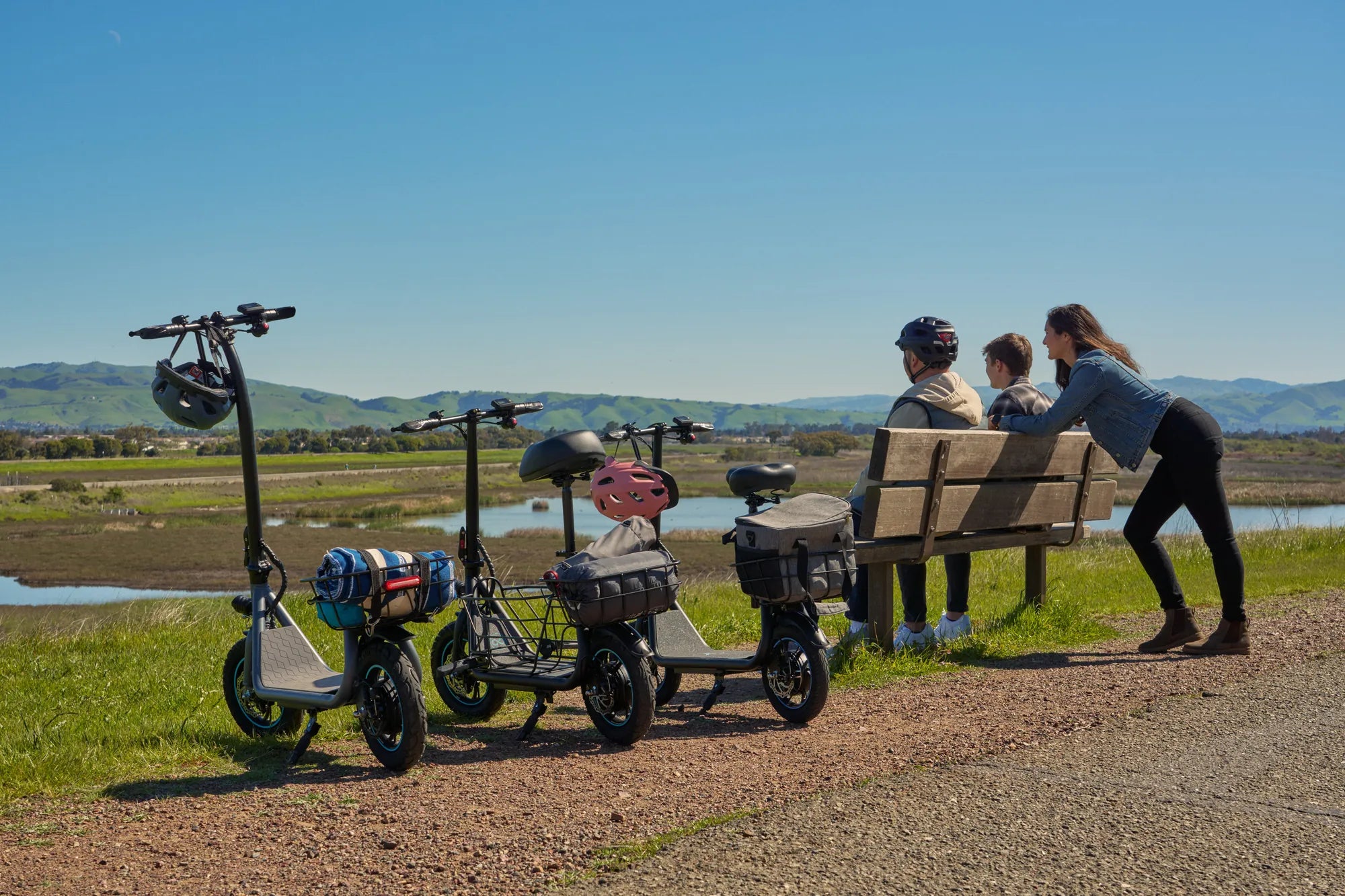
Navigating India's congested urban sprawl is a daily exercise in patience and expense. With fuel prices perpetually volatile and traffic snarls consuming hours, the search for a smarter, cleaner, and more economical personal transport solution has never been more urgent. This comprehensive analysis tackles the pivotal question for millions: Are electric scooters worth it in India? We move beyond hype to deliver a data-driven, practical evaluation of ownership costs, real-world performance on Indian roads, charging infrastructure, and the tangible benefits that make e-scooters a compelling choice for the future-focused commuter.
The Indian Commuter's Dilemma: Challenges Electric Scooters Solve
Urban mobility in India is defined by a unique set of pressures. The average commuter grapples with not just distance, but time lost in gridlock, the spiraling cost of petrol, scarce parking, and worsening air quality. Traditional two-wheelers, while agile, contribute significantly to both pollution and personal fuel expenditure. Electric scooters present a direct counter to these pain points, offering a fundamentally different ownership proposition centered on efficiency and simplicity.
Beating the Traffic and Parking Puzzle
The compact footprint and nimble handling of an electric scooter are game-changers in dense city traffic. They can filter through stationary or slow-moving vehicles more safely than larger vehicles, effectively cutting commute times. This agility extends to parking; finding space for a full-sized scooter or car in crowded marketplaces or narrow residential lanes is a constant challenge. An e-scooter's smaller size allows it to be tucked into corners, often even carried inside an office lobby or home, eliminating parking fees and theft anxiety.
Slashing Daily Commuting Costs
The most compelling argument for electric scooters in India is sheer economics. Let's break down a typical scenario: a daily commute of 20 kilometers. A modern 110cc petrol scooter delivers roughly 50 km per litre. At a petrol price of ₹105 per litre, the daily fuel cost is ₹42. For an electric scooter, consuming around 1.5 kWh to cover the same distance with a home electricity cost of ₹8 per kWh, the daily expense plummets to just ₹12. This translates to a saving of approximately ₹900 per month, or over ₹10,000 annually, on fuel alone. When you factor in drastically lower maintenance—no engine oil, spark plugs, or air filters to replace regularly—the long-term savings become undeniable.
Key Factors to Evaluate: Is an E-Scooter Right for Your Indian Lifestyle?
Determining if an electric scooter is worth it requires a honest assessment of your specific needs and environment. It's not a one-size-fits-all solution, but for many urban profiles, it aligns perfectly. The decision hinges on a few critical, practical factors beyond the initial price tag.
Range & Battery: Matching Your Daily Needs
Range anxiety is a common concern, but it's often misplaced with proper planning. Manufacturers advertise a maximum range, but real-world figures are affected by rider weight, terrain, frequent stops, and use of throttle. For most intracity commutes (under 30 km round trip), even a scooter with a 25-30 km certified range is sufficient. The key is to choose a model with a buffer. More importantly, battery safety and longevity are paramount. Opting for scooters with UL-certified battery packs, like those used by Gyroor, ensures protection against overheating, short-circuiting, and offers reliable performance through 500+ charge cycles, which is crucial for India's diverse and often extreme climate conditions.
Infrastructure & Charging: The Practical Reality
Public charging infrastructure for light electric vehicles is still nascent in most Indian cities, though growing. Therefore, the primary charging solution is, and will remain for the near future, home charging. This is perfectly viable for most owners. A standard e-scooter battery can be charged from a regular 5A/220V wall socket in 4-6 hours, often overnight. For apartment dwellers, the challenge is access to a parking-area socket. Societies are increasingly accommodating this need. The convenience of "fueling up" at home, avoiding petrol station queues, is a significant lifestyle benefit that offsets the need for a dense public network for daily use.
Build Quality for Indian Roads
Indian roads demand ruggedness. Potholes, uneven surfaces, and monsoon floods test any vehicle's mettle. A worthwhile electric scooter must have a robust frame, good suspension travel, and wide, pneumatic tires for stability and comfort. Build quality directly impacts safety and durability. Features like an IPX5 water-resistant rating are not luxuries but necessities, ensuring the scooter's electronics are protected during heavy rains or accidental splashes. A flimsy build might save cost upfront but will lead to higher maintenance and a shorter lifespan, negating the value proposition.
The Gyroor Advantage: Engineered for Reliability in Indian Conditions
When evaluating if an electric scooter is worth the investment, the brand's engineering philosophy and support backbone are critical. Gyroor, trusted by over 100,000 riders globally, designs its products with a focus on safety, durability, and rider peace of mind—attributes essential for the Indian market. The brand's approach directly addresses the core concerns of range, safety, and build quality.
Every Gyroor electric scooter is powered by a UL-certified battery pack, undergoing rigorous testing for stability and longevity. This commitment to battery safety mitigates the biggest risk factor in EVs. Furthermore, the IPX5 water-resistant design ensures that the scooter is built to handle unexpected downpours and wet roads, a common occurrence. Coupled with a comprehensive 1-year warranty and accessible customer support, Gyroor provides a ownership experience that protects your investment, making the switch to electric not just economical, but reliably so.
Beyond Cost: The Tangible and Intangible Benefits
The value of an electric scooter extends far beyond the rupees saved on fuel. It encompasses environmental contribution, policy benefits, and a qualitatively better riding experience that reduces daily stress.
Environmental Impact and Government Incentives
Switching to electric eliminates tailpipe emissions, directly improving local air quality. On a larger scale, it reduces your carbon footprint, especially as India's grid incorporates more renewable energy. The government actively encourages this shift through schemes like FAME II (Faster Adoption and Manufacturing of Electric Vehicles), which provides direct subsidies on the ex-factory price of eligible vehicles, bringing down the upfront cost. Many states also offer additional incentives, such as waived road tax and registration fees, significantly improving the purchase economics and answering are electric scooters worth it in India with a stronger financial yes.
The Riding Experience: Quiet, Smooth, and Simple
The ride itself is a revelation. Electric motors deliver instant torque from a standstill, making for zippy acceleration in city traffic without the noise and vibration of a petrol engine. The operation is virtually silent, reducing noise pollution and creating a calmer commute. Maintenance is remarkably simple: no periodic oil changes, no carburetor cleanings, and far fewer moving parts to wear out. This translates to fewer mechanic visits and more predictable annual upkeep costs, adding to the long-term value.
Electric Scooter Ownership: A Detailed Cost Breakdown
To objectively assess value, a clear comparison of costs over time is essential. The following table outlines a 5-year ownership cost analysis between a typical petrol scooter and a mid-range electric scooter in India, factoring in current subsidies.
| Cost Factor | Petrol Scooter (110cc) | Electric Scooter (with FAME II Subsidy) | Notes |
|---|---|---|---|
| Ex-Showroom Price | ₹ 85,000 | ₹ 95,000 | E-scooter price post-subsidy. |
| Registration & Tax | ₹ 10,000 | ₹ 5,000 (Waived in many states) | E-scooters often get tax benefits. |
| Fuel/Electricity Cost (5 yrs) | ₹ 65,000+ | ₹ 18,000 | Based on 20 km/day, 300 days/yr. |
| Maintenance (5 yrs) | ₹ 20,000 | ₹ 8,000 | E-scooters have lower routine maintenance. |
| Battery Replacement | N/A | ₹ 15,000 (Potential cost post-warranty) | Quality batteries last 4-5 years. |
| Total 5-Year Cost | ₹ 180,000+ | ₹ 141,000 | E-scooter shows clear savings. |
This analysis reveals that despite a potentially higher initial purchase price, the electric scooter becomes cheaper within the first few years of ownership and offers substantial savings over a five-year period, making a strong case for its worth.
Frequently Asked Questions (FAQs)
Q1: How long does it take to charge an electric scooter fully?
Most electric scooters require 4 to 6 hours for a full charge from a standard home socket. Many riders charge overnight, ensuring a full "tank" every morning.
Q2: What is the actual lifespan of an e-scooter battery in Indian weather?
A quality lithium-ion battery, like the UL-certified packs used by Gyroor, is rated for 500-800 full charge cycles. With careful use (avoiding full discharges regularly), it can last 3-5 years before capacity noticeably degrades, depending on usage patterns and thermal management.
Q3: Are electric scooters powerful enough for Indian roads with mild inclines?
Yes. Modern e-scooters have motors ranging from 250W to 500W, providing ample torque for city inclines and carrying a rider with a pillion. It's advisable to check the motor power and gradeability rating if you regularly encounter steep hills.
Q4: Is it safe to ride an e-scooter in the rain?
Scooters with a proper IPX4 or higher (like IPX5) water-resistance rating are designed to be safe from water splashes from any direction. This makes them suitable for light to moderate rain. However, it's never advisable to ride through flooded streets or submerged sections.
Q5: What happens if my e-scooter breaks down? Is service easily available?
Reputable brands have service networks in major cities and often offer doorstep service or easy-to-ship components. Before buying, check the brand's service coverage in your area and understand the warranty terms. Brands like Gyroor offer a 1-year comprehensive warranty for peace of mind.
Making the Decision: Your Personal Checklist
Before deciding, run through this practical checklist:
- Daily Commute: Is your round-trip distance within 80% of the scooter's claimed range?
- Charging Access: Do you have a secure, accessible power outlet at home or work?
- Budget: Have you calculated the total cost of ownership, including subsidies, not just the sticker price?
- Road Conditions: Does the scooter have the suspension, tire size, and build quality for your common routes?
- Support: Does the brand offer a strong warranty and reliable service support in your city?
If you answer 'yes' to most of these, an electric scooter is likely a highly worthwhile investment for you.
The Verdict: A Strategic Investment for India's Urban Future
So, are electric scooters worth it in India? The evidence points decisively towards yes for a vast majority of urban commuters. They are not merely a trendy alternative but a rational, economical, and sustainable solution to the core challenges of cost, congestion, and pollution. The initial investment is quickly offset by massive savings on fuel and maintenance, enhanced by government incentives. The key to unlocking this value lies in choosing a responsibly engineered product—one with safety-certified batteries, a rugged build for local roads, and reliable after-sales support. For those seeking a smarter, cleaner, and more economical way to navigate city life, the electric scooter is no longer just an option; it's the intelligent choice.
Ready to experience the future of urban mobility? Explore a range of reliable, high-performance electric scooters built with safety and durability at their core. Browse the full Gyroor collection at gyroorboard.com and find the perfect ride to transform your commute.
How Much Are the New Electric Scooters: The Complete 2024 Pricing Guide
Can You Charge Electric Scooters Overnight? The Ultimate Guide to Safe Charging