


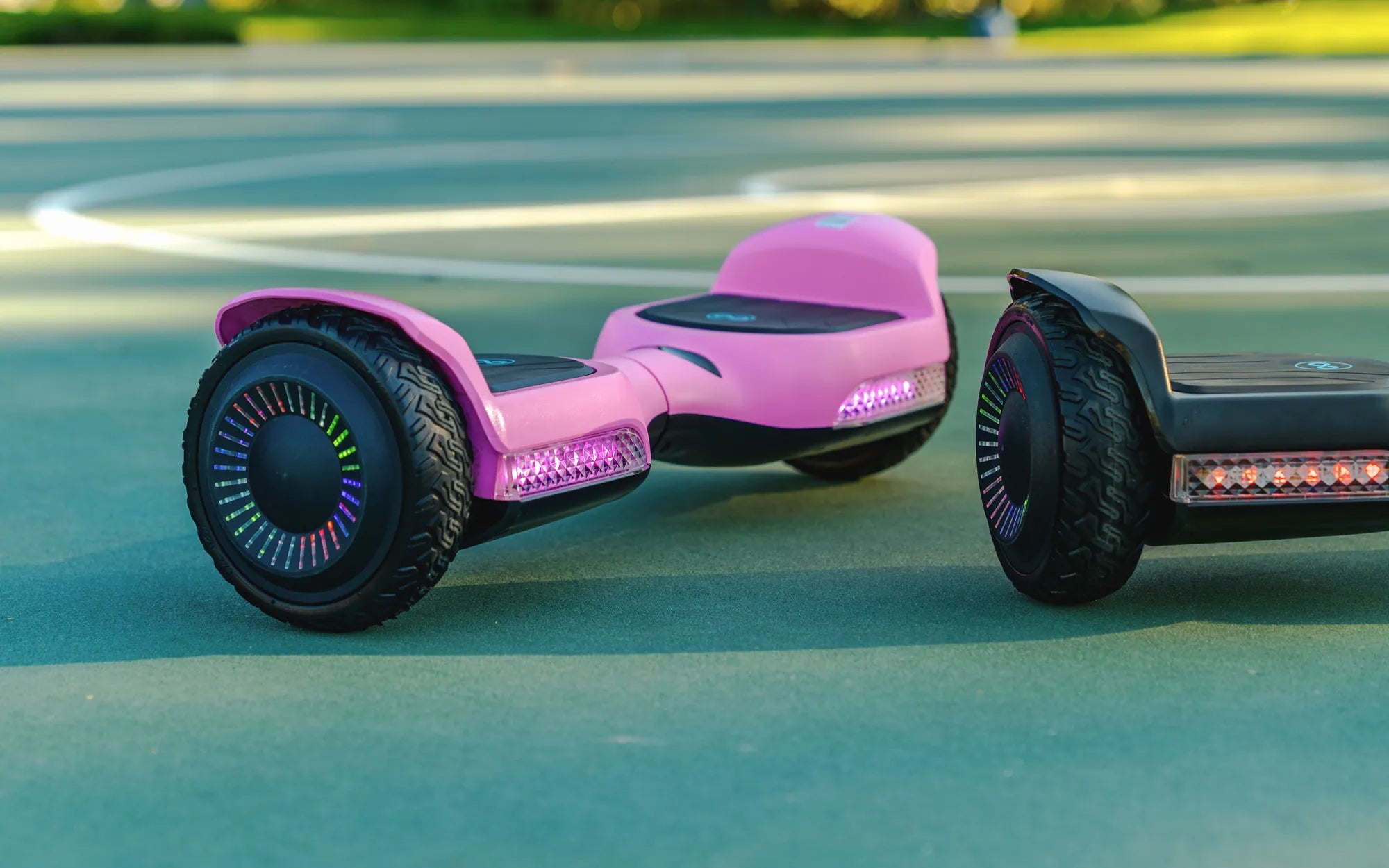
Hoverboards have taken the world by storm, offering a fun and futuristic way to get around. But one question lingers in the minds of many riders: are hoverboards for inside or outside? The answer isn't as straightforward as you might think. Whether you're gliding through your living room or cruising down the sidewalk, understanding the best environment for your hoverboard can enhance your riding experience and keep you safe.
Understanding Hoverboard Design and Functionality
Hoverboards, also known as self-balancing scooters, are designed with a combination of sensors, gyroscopes, and motors that allow riders to control movement by shifting their weight. The design and build quality of a hoverboard play a significant role in determining whether it's better suited for indoor or outdoor use.
Key Features to Consider
- Wheel Size: Larger wheels (8 inches or more) handle outdoor terrain better, while smaller wheels are more maneuverable indoors.
- Tire Type: Solid rubber tires are ideal for smooth indoor surfaces, while air-filled or rugged tires provide better traction outdoors.
- Motor Power: Higher-wattage motors (350W or more) are better for outdoor inclines and rough surfaces.
- Battery Life: Longer battery life is essential for extended outdoor rides.
Indoor Use: Pros and Cons
Using a hoverboard indoors can be a convenient and enjoyable experience, but it comes with its own set of challenges.
Advantages of Indoor Riding
- Smooth Surfaces: Hardwood, tile, or laminate floors provide an ideal riding surface for hoverboards with smaller wheels.
- Controlled Environment: No weather concerns or unpredictable terrain to navigate.
- Convenience: Perfect for short commutes around the house or office.
Disadvantages of Indoor Riding
- Limited Space: Tight corners and narrow hallways can make maneuvering difficult.
- Risk of Damage: Hoverboards can scuff floors or collide with furniture.
- Noise: The motor and wheels may create unwanted noise on hard surfaces.
Outdoor Use: Pros and Cons
Taking your hoverboard outside opens up a world of possibilities, but it also introduces new variables to consider.
Advantages of Outdoor Riding
- More Space: Parks, sidewalks, and bike paths offer plenty of room to ride freely.
- Versatility: Outdoor hoverboards can handle a variety of terrains, from pavement to light off-road trails.
- Longer Rides: Extended battery life allows for more exploration.
Disadvantages of Outdoor Riding
- Terrain Challenges: Uneven surfaces, potholes, and debris can pose risks.
- Weather Dependence: Rain, snow, or extreme temperatures can affect performance and safety.
- Safety Concerns: Higher speeds and traffic require extra caution.
Safety Tips for Indoor and Outdoor Riding
No matter where you choose to ride your hoverboard, safety should always be a top priority. Here are some essential tips to keep in mind:
Indoor Safety Tips
- Clear the riding area of obstacles and fragile items.
- Wear comfortable, non-slip footwear.
- Start at a slow speed to get accustomed to the hoverboard's responsiveness.
Outdoor Safety Tips
- Always wear a helmet and protective gear.
- Avoid wet or slippery surfaces to prevent accidents.
- Stick to designated paths and obey local traffic laws.
Maintenance Considerations for Indoor and Outdoor Use
Where you ride your hoverboard can impact its longevity and performance. Proper maintenance is key to ensuring your device stays in top condition.
Indoor Maintenance
- Regularly clean the wheels to prevent dirt buildup on floors.
- Check for any loose screws or parts due to frequent maneuvering.
- Store the hoverboard in a dry, temperature-controlled area.
Outdoor Maintenance
- Inspect tires for wear and tear after rough rides.
- Clean the hoverboard to remove dirt, mud, or debris.
- Check the battery and charging port for moisture after wet rides.
Choosing the Right Hoverboard for Your Needs
If you're still unsure whether to use a hoverboard indoors or outdoors, consider your primary use case. Some models are designed specifically for one environment, while others offer a balance of both.
Best for Indoor Use
- Compact design with smaller wheels.
- Quieter operation for minimal disturbance.
- Lightweight for easy carrying.
Best for Outdoor Use
- Rugged tires with good shock absorption.
- Higher speed and range for longer rides.
- Water-resistant or all-terrain capabilities.
Final Thoughts: Where Should You Ride Your Hoverboard?
The debate over whether hoverboards are for inside or outside ultimately depends on your preferences and the model you own. Indoor riding offers convenience and control, while outdoor adventures provide freedom and excitement. By understanding the strengths and limitations of your hoverboard, you can make the most of every ride—whether you're zipping through your home or exploring the great outdoors.
Ready to take your hoverboard experience to the next level? Whether indoors or out, the key is to ride safely, maintain your device, and most importantly—have fun!
Who Makes the Fastest Hoverboard: A Deep Dive into Speed and Performance
Tricks on Hoverboards: Mastering the Art of Gliding with Style