


Hoverboards aren't just a fun way to zip around town—they might also be a sneaky way to get in some exercise. While they won't replace a full gym session, these self-balancing scooters engage muscles you didn't even know you had. Let's break down whether hoverboards deserve a spot in your fitness routine.
The Mechanics of Hoverboard Movement
Riding a hoverboard requires constant micro-adjustments from your body to maintain balance. Unlike traditional scooters or skateboards, hoverboards demand engagement from your:
- Core muscles for stabilization
- Leg muscles for directional control
- Ankles and feet for precise pressure adjustments
This continuous balancing act means your body is always working, even if it doesn't feel like traditional exercise.
Calorie Burn: How Does It Compare?
While hoverboarding won't torch calories like running, it does offer moderate energy expenditure:
| Activity | Calories Burned (30 mins, 150lb person) |
|---|---|
| Hoverboarding | 90-150 calories |
| Walking | 120-180 calories |
| Cycling | 200-300 calories |
The calorie burn increases with speed and terrain difficulty—hoverboarding uphill or on rough surfaces requires more effort.
Balance and Coordination Benefits
Regular hoverboard use can significantly improve:
- Proprioception (body awareness in space)
- Dynamic balance skills
- Reaction time to sudden movements
These benefits translate to better performance in sports and reduced fall risk in daily life.
Muscle Groups Activated
While hoverboarding isn't strength training, it does engage several muscle groups:
- Core: The constant balancing works your abs and obliques
- Legs: Calves, quads, and hamstrings all contribute to control
- Feet/Ankles: Small stabilizing muscles get a thorough workout
For beginners, you might even feel muscle soreness after your first few sessions.
Making Hoverboarding More Challenging
To increase the exercise benefits, try these techniques:
- Incorporate small hills or inclines
- Practice advanced maneuvers like spins or backward riding
- Increase your riding duration gradually
- Add intervals of faster riding
Safety Considerations
To maximize benefits while minimizing risk:
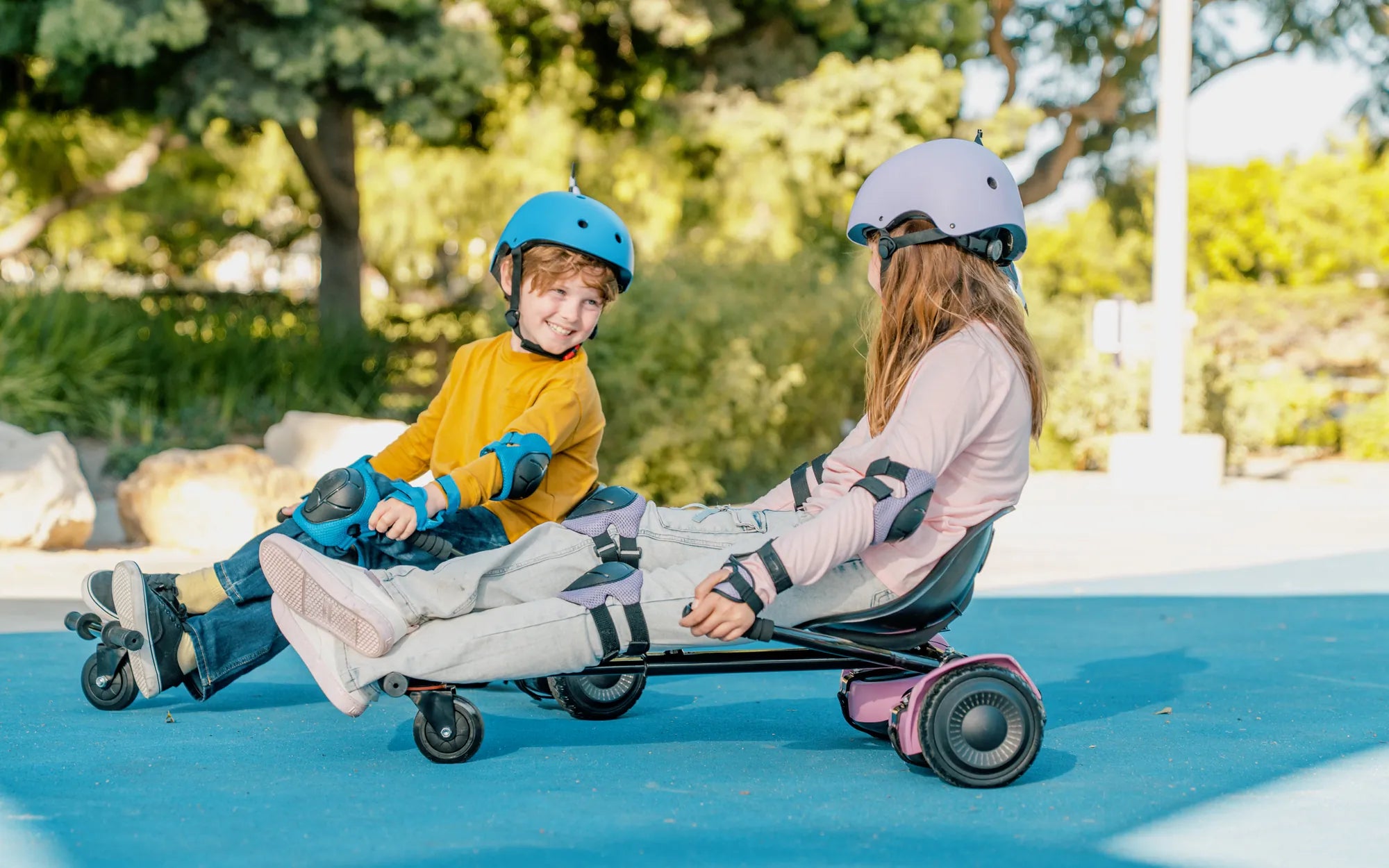
- Always wear protective gear (helmet, knee/elbow pads)
- Start on flat, smooth surfaces
- Build skills gradually—don't attempt tricks before mastering basics
- Be aware of battery life to avoid sudden stops
Who Can Benefit Most?
Hoverboards offer particular advantages for:
- People who dislike traditional exercise but enjoy tech gadgets
- Those looking to improve balance and coordination
- Individuals who want to add light activity to their commute
- Seniors (with proper precautions) looking to maintain mobility
While hoverboards won't replace your gym membership, they offer a fun way to stay active that doesn't feel like work. The combination of balance training, moderate calorie burn, and core engagement makes them a legitimate—and enjoyable—form of exercise. Next time someone questions your hoverboard habit, just tell them you're working on your fitness!
Why Hoverboards Failed: The Rise and Fall of a Futuristic Gadget
Colourful Hoverboard: The Ultimate Guide to Fun and Futuristic Riding