



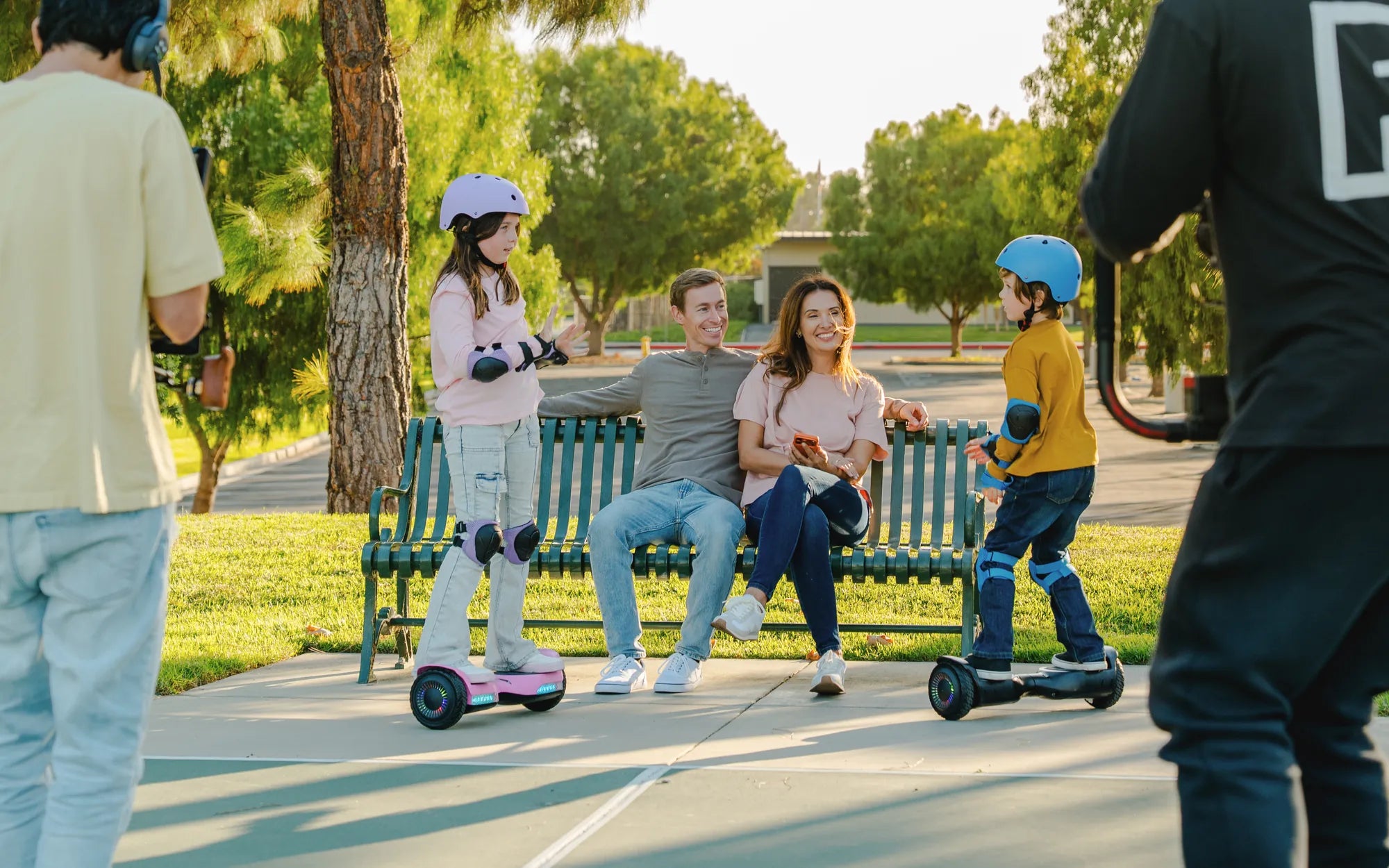
Hoverboards have surged in popularity over the years, captivating kids and adults alike with their futuristic appeal. But for parents of autistic children, the question isn’t just about fun—it’s about whether these self-balancing scooters can offer real developmental benefits. Could hoverboards be more than just a toy? Let’s dive into the potential advantages, challenges, and safety considerations to determine if they’re a good fit for autistic children.
The Benefits of Hoverboards for Autistic Children
For many autistic children, movement-based activities can be incredibly therapeutic. Hoverboards, with their unique combination of balance and coordination requirements, may offer several benefits:
- Improved Motor Skills: Riding a hoverboard engages core muscles, enhances balance, and refines fine motor control—skills that some autistic children may struggle with.
- Sensory Integration: The gentle motion and vibrations of a hoverboard can provide calming sensory input, helping children regulate their sensory systems.
- Boosted Confidence: Mastering a hoverboard can instill a sense of accomplishment, encouraging independence and self-esteem.
- Social Interaction: Shared activities like hoverboarding can facilitate social engagement with peers or family members in a low-pressure setting.
Potential Challenges and Safety Considerations
While hoverboards offer exciting possibilities, they aren’t without risks. Parents should weigh these factors carefully:
- Safety Risks: Falls and collisions are possible, so protective gear like helmets and pads is essential.
- Sensory Overload: Some children may find the vibrations or speed overwhelming, so gradual introduction is key.
- Individual Preferences: Not every autistic child will enjoy hoverboarding, and forcing the activity could lead to frustration.
Tips for Introducing a Hoverboard
If you decide to try a hoverboard, these strategies can help ensure a positive experience:
- Start in a safe, open space with minimal distractions.
- Use a beginner mode if available to control speed.
- Practice alongside your child to model confidence and provide support.
- Monitor for signs of discomfort or fatigue and adjust accordingly.
Hoverboards might not be a one-size-fits-all solution, but for many autistic children, they could unlock new ways to build skills, confidence, and joy. With the right precautions and patience, this trendy gadget might just become a valuable tool in their developmental journey.
Awesome Hoverboards Tricks: Master the Art of Gliding Like a Pro
Benefits of Hoverboards: Why They Are a Game-Changer for Modern Transportation