

Are Hoverboards Really Dangerous? The Truth Behind the Hype
Hoverboards, the futuristic self-balancing scooters, have taken the world by storm. But with their rise in popularity, so too have concerns about their safety. From viral videos of hoverboard fires to reports of injuries, many wonder: are hoverboards really dangerous? Let’s dive into the facts and separate hype from reality.
The Rise of Hoverboards and Safety Concerns
Hoverboards burst onto the scene as a must-have gadget, promising a fun and efficient way to get around. However, their rapid adoption was soon overshadowed by alarming headlines. Reports of batteries overheating, causing fires, and riders suffering falls or collisions raised red flags. Regulatory agencies even issued warnings, leading to recalls and stricter safety standards.
But are these incidents the norm, or are they exaggerated outliers? To answer that, we need to look at the root causes of hoverboard accidents.
Common Risks Associated with Hoverboards
Most hoverboard-related dangers fall into two categories: mechanical failures and user error. Here’s a breakdown of the most common risks:
- Battery Fires: Early models were notorious for cheap lithium-ion batteries that could overheat or explode. Modern hoverboards must meet stricter safety standards, but low-quality knockoffs still pose a risk.
- Falls and Collisions: Hoverboards require balance and coordination. Riders who push the limits—speeding, performing stunts, or ignoring traffic rules—are more likely to crash.
- Software Malfunctions: Glitches in the self-balancing mechanism can cause sudden stops or erratic movements, leading to accidents.
- Terrain Hazards: Uneven surfaces, potholes, or wet pavement can destabilize a hoverboard, increasing the chance of a fall.
How to Stay Safe on a Hoverboard
While hoverboards aren’t inherently deadly, they do require caution. Follow these safety tips to minimize risks:
- Buy from Reputable Sellers: Avoid cheap, unbranded models. Look for certifications like UL 2272, which ensures the hoverboard meets electrical and fire safety standards.
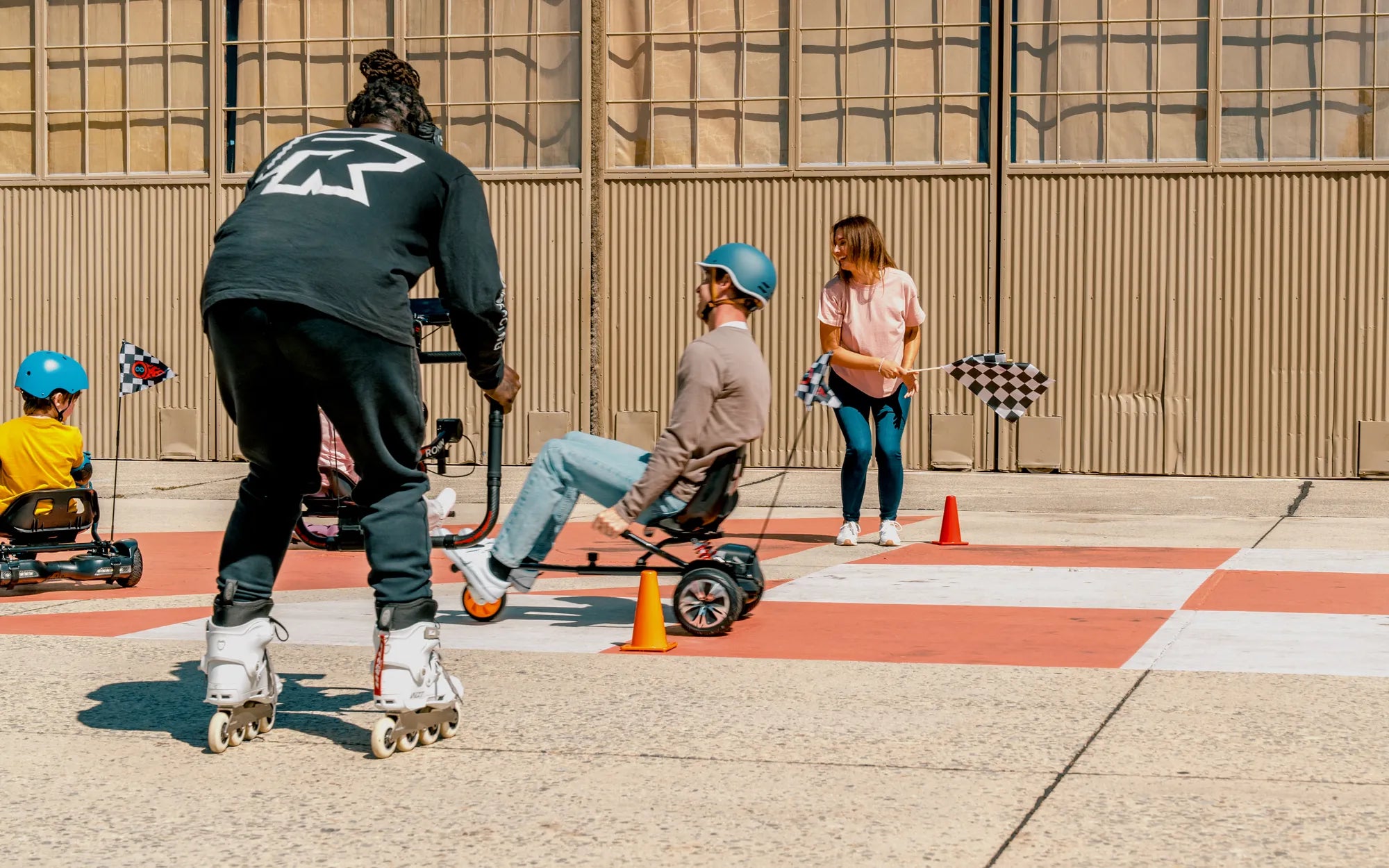
- Wear Protective Gear: Helmets, knee pads, and wrist guards can prevent serious injuries in case of a fall.
- Start Slow: Practice in a safe, open area before taking your hoverboard into busy streets.
- Check the Terrain: Stick to smooth, dry surfaces and avoid steep hills or crowded areas.
- Maintain Your Hoverboard: Regularly inspect the battery, wheels, and software for signs of wear or malfunction.
Expert Opinions on Hoverboard Safety
Safety experts agree that hoverboards can be safe when used responsibly. The key lies in proper manufacturing, user education, and adherence to safety guidelines. Organizations like the Consumer Product Safety Commission (CPSC) have worked to improve standards, reducing fire hazards and improving overall reliability.
Dr. Jane Carter, a product safety researcher, notes: "The majority of hoverboard accidents are preventable. It’s not the device itself that’s dangerous—it’s how people use it."
Are Hoverboards Worth the Risk?
Like any mode of transportation—bikes, skateboards, or even cars—hoverboards come with risks. But with the right precautions, those risks can be managed. If you’re considering buying one, weigh the fun and convenience against the need for vigilance and safety measures.
So, are hoverboards really dangerous? The answer isn’t black and white. While they’re not death traps, they’re not toys either. Treat them with respect, follow safety guidelines, and you’ll likely enjoy a smooth—and safe—ride.
Ready to glide into the future? Just remember: safety first, stunts second.
A Go-Kart Hoverboard with the Hoverboard with It: The Future of Personal Mobility
Hoverboards for 7 Year Olds: The Ultimate Guide for Parents