

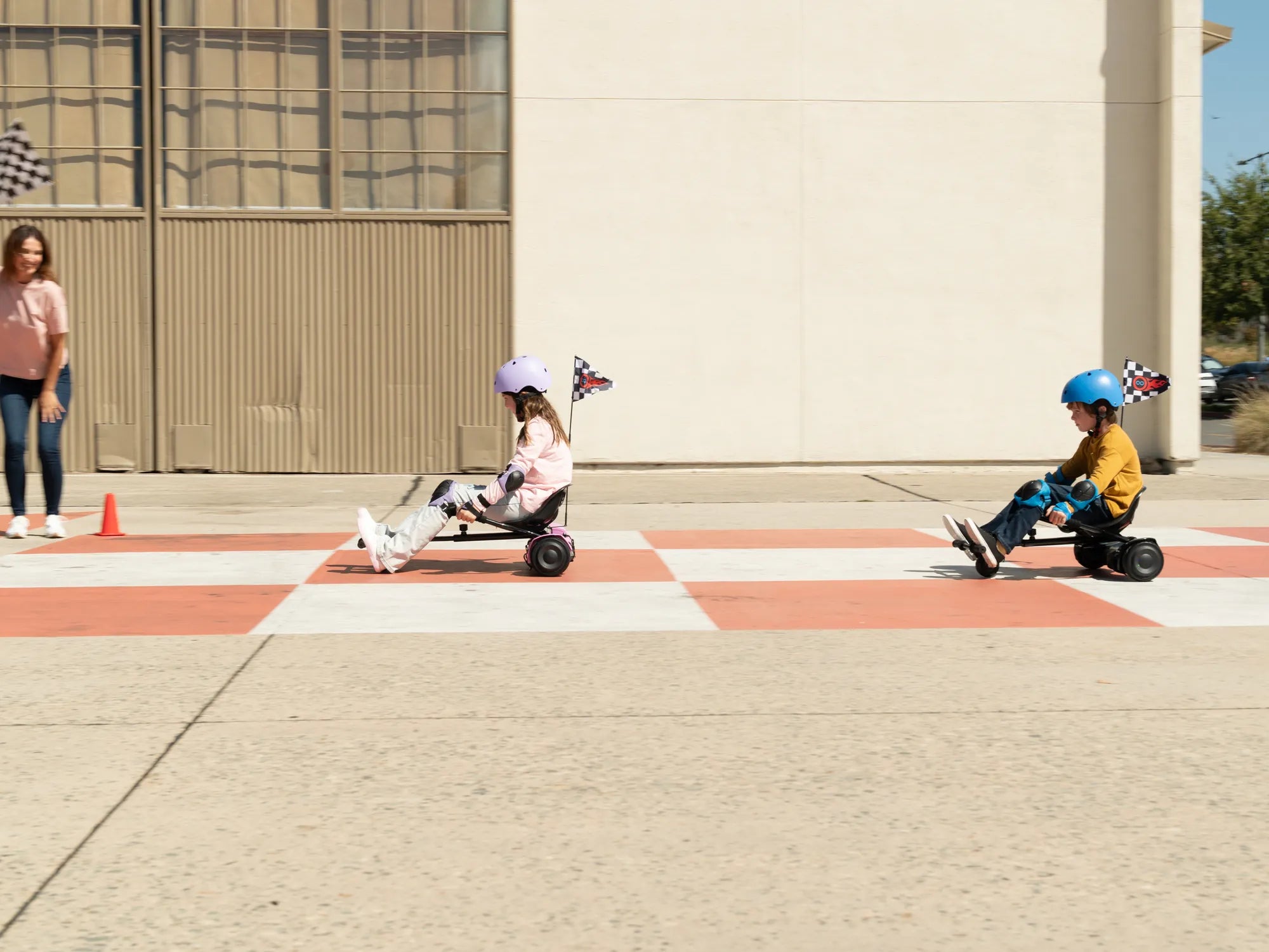
Remember when hoverboards first zipped onto the scene, capturing imaginations and dominating holiday wish lists? These self-balancing scooters promised a futuristic way to glide effortlessly, blending tech and transportation in a sleek package. But as trends come and go, one question lingers: are hoverboards still trendy? Let’s explore their journey from viral sensation to modern-day staple—and whether they’re here to stay.
The Rise of Hoverboards
Hoverboards burst into mainstream culture in the mid-2010s, fueled by celebrity endorsements and viral videos. Their intuitive design—no handles, just foot-controlled movement—made them a hit among tech enthusiasts and casual riders alike. Suddenly, sidewalks and shopping malls were filled with people effortlessly gliding past pedestrians, turning heads wherever they went.
What made hoverboards so appealing? For starters, they tapped into the growing demand for personal electric transportation. Unlike bulky scooters or bikes, hoverboards were compact, portable, and undeniably cool. They also appealed to a broad demographic, from kids showing off tricks to commuters looking for a fun way to navigate short distances.
The Cultural Impact of Hoverboards
Hoverboards didn’t just revolutionize personal transport—they became a cultural phenomenon. Movies, music videos, and social media influencers embraced them, cementing their status as a must-have gadget. Celebrities were spotted riding them on red carpets, and viral challenges like hoverboard dancing or obstacle courses kept the hype alive.
However, their rapid rise wasn’t without controversy. Safety concerns emerged after reports of overheating batteries and accidents. Regulatory crackdowns and recalls temporarily dampened enthusiasm, but manufacturers quickly adapted, improving battery technology and adding safety features like UL certification. This resilience helped hoverboards regain trust and maintain their popularity.
Are Hoverboards Still Trendy Today?
Fast-forward to today, and hoverboards have evolved beyond a fleeting trend. While they may not dominate headlines like they once did, they’ve carved out a niche in the personal mobility market. Here’s why they’re still relevant:
- Versatility: Modern hoverboards cater to diverse needs, from off-road models with rugged tires to sleek, lightweight designs for urban commuters.
- Tech Upgrades: Bluetooth speakers, LED lights, and app connectivity have added a new layer of appeal, especially for younger users.
- Sustainability: As eco-friendly transportation gains traction, electric hoverboards offer a green alternative for short trips.
That said, their trendiness varies by region and demographic. In some areas, they’re a common sight; in others, they’ve been overshadowed by e-scooters or electric skateboards. Yet, their unique blend of fun and functionality ensures they remain a standout choice.
The Future of Hoverboards
What’s next for hoverboards? Innovations like AI-assisted balancing, longer battery life, and even modular designs could reignite interest. As cities become more congested, compact personal transport options will likely grow in demand—and hoverboards are well-positioned to capitalize on this shift.
Moreover, their appeal as a recreational device isn’t fading anytime soon. Parks and dedicated hoverboard tracks are popping up, creating spaces for enthusiasts to ride and socialize. This community aspect could fuel a resurgence, much like how skateboarding evolved from a niche hobby to a global sport.
So, are hoverboards trendy? They may not be the hottest gadget of the moment, but their staying power is undeniable. Whether you’re a nostalgic early adopter or a curious newcomer, there’s never been a better time to hop on and experience the ride. The future of hoverboards is still unwritten—and it looks thrilling.
Are Hoverboard and Electric Scooter Wheels the Same? A Detailed Comparison
Are Hoverboard and Electric Scooter Wheels the Same? A Detailed Comparison