

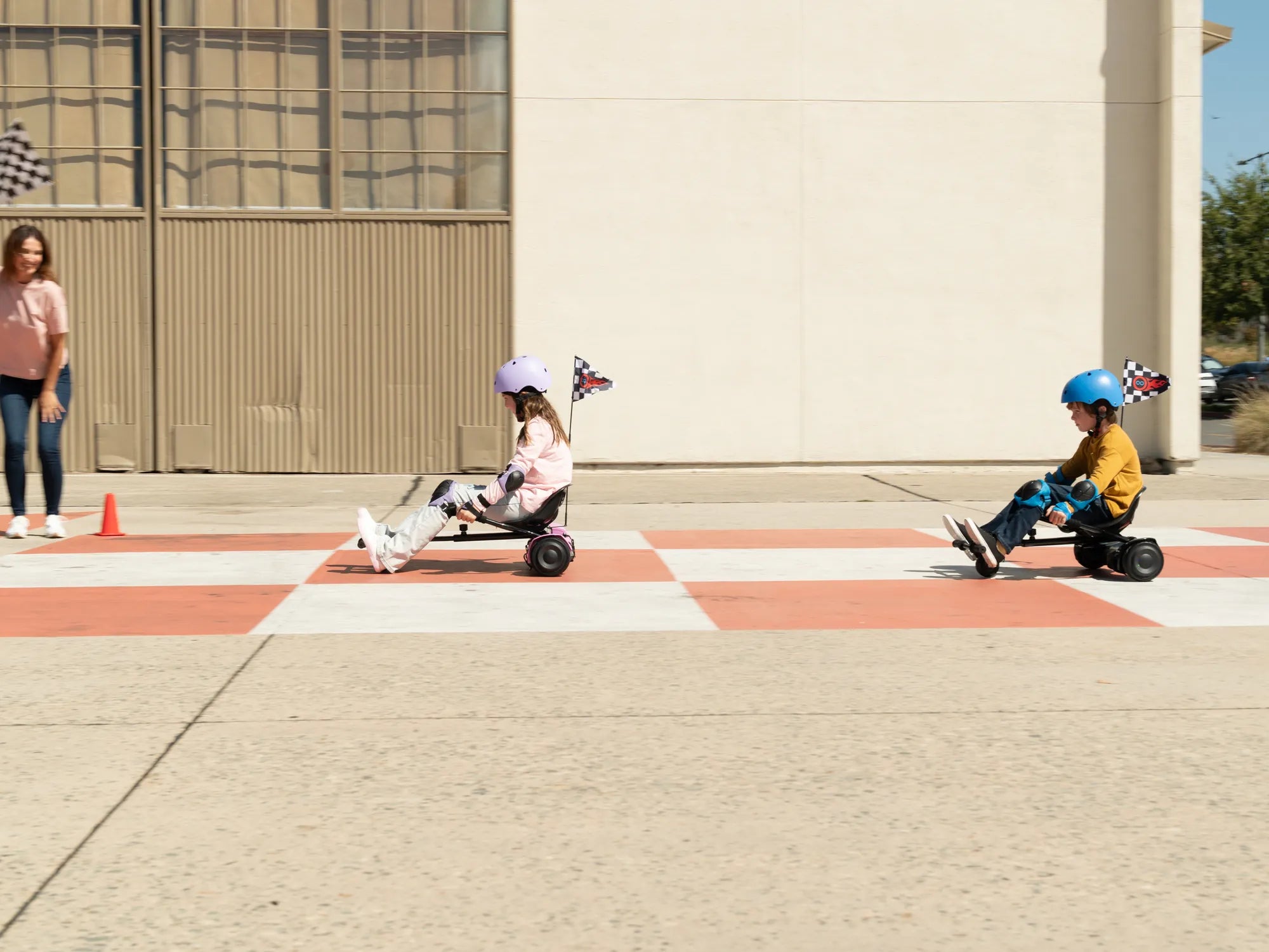
Self-balancing hoverboards have taken the world by storm, offering a futuristic and fun way to get around. But with their rise in popularity comes a critical question: are self-balancing hoverboards safe? While these devices promise convenience and excitement, they also come with potential hazards that riders should be aware of. From battery fires to balance-related injuries, understanding the risks is key to enjoying hoverboards responsibly. Let’s dive into the facts and uncover how to stay safe while riding.
Understanding Self-Balancing Hoverboards
Self-balancing hoverboards, also known as smart balance wheels, are two-wheeled, battery-powered devices that use gyroscopic technology to stay upright. Riders control movement by shifting their weight, making them intuitive yet challenging for beginners. While they may seem like simple gadgets, their internal mechanics involve complex sensors and motors that require proper maintenance and handling.
Common Safety Concerns
Several safety issues have been associated with hoverboards, including:
- Battery Fires: Poor-quality lithium-ion batteries can overheat or explode if overcharged or damaged.
- Falls and Injuries: Loss of balance can lead to sprains, fractures, or head injuries, especially for inexperienced riders.
- Speed and Control: High speeds or sudden movements can make hoverboards difficult to control, increasing accident risks.
- Terrain Hazards: Uneven surfaces, potholes, or wet conditions can cause sudden stops or falls.
Safety Features to Look For
Not all hoverboards are created equal. To minimize risks, look for models with these safety features:
- UL 2272 Certification: This standard ensures the hoverboard meets electrical and fire safety requirements.
- Non-Slip Foot Pads: Textured surfaces help maintain grip and stability.
- Speed Limiters: Built-in controls prevent excessive speeds, reducing the chance of accidents.
- LED Lights: Improved visibility for night riding.
Best Practices for Safe Riding
Even with safety features, responsible riding is crucial. Follow these tips to stay safe:
- Wear Protective Gear: Helmets, knee pads, and wrist guards can prevent serious injuries.
- Start Slow: Practice in a safe, open area before tackling busy streets.
- Avoid Wet or Uneven Surfaces: Stick to smooth, dry pavement to maintain control.
- Regular Maintenance: Check batteries, tires, and firmware updates to ensure optimal performance.
Legal and Age Considerations
Many regions have regulations governing hoverboard use, including age restrictions and where they can be ridden. Always check local laws before hitting the streets. Additionally, hoverboards may not be suitable for young children due to balance and coordination requirements.
Self-balancing hoverboards can be a blast, but safety should always come first. By choosing certified models, wearing protective gear, and riding responsibly, you can enjoy the thrill without the spills. Whether you’re a beginner or a seasoned rider, staying informed is the best way to keep the fun—and safety—rolling.
How to Turn Off Lights on Hoverboard: A Step-by-Step Guide
Hoverboard Adulte 120 kg: The Ultimate Guide to Heavy-Duty Personal Transportation