

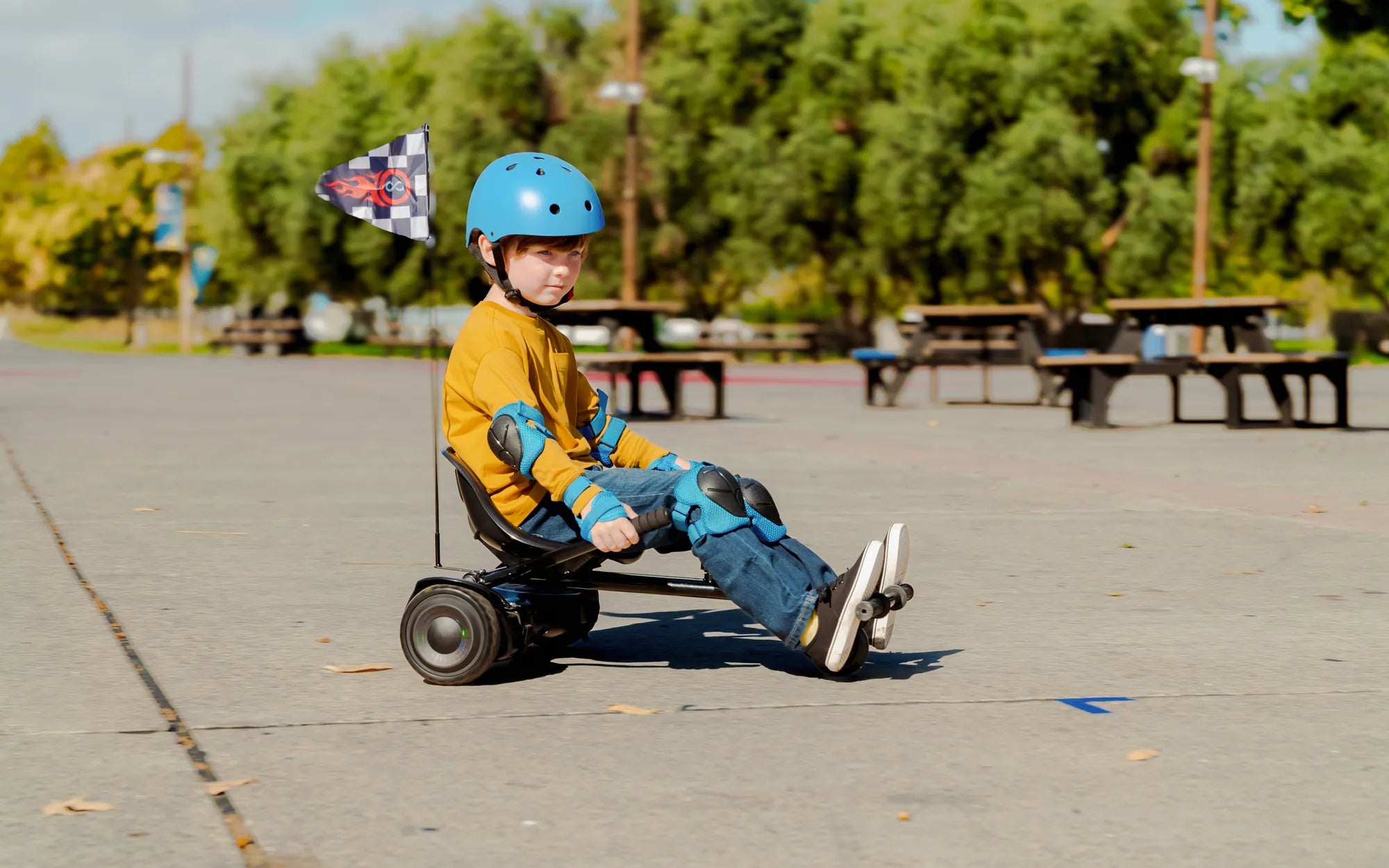
Self-balancing scooters, often referred to as hoverboards, have taken the world by storm. These sleek, futuristic devices promise effortless mobility, but beneath the hype lies a pressing question: are self-balancing scooters dangerous? While they offer convenience and fun, reports of accidents, fires, and injuries have raised serious concerns. Before hopping on one, it's crucial to understand the risks and how to mitigate them.
The Rise of Self-Balancing Scooters
Self-balancing scooters emerged as a trendy mode of personal transportation in the early 2010s. Their popularity skyrocketed among commuters, students, and even celebrities. The appeal is undeniable—compact design, intuitive controls, and a cool factor that traditional scooters can't match. However, their rapid adoption also brought unintended consequences.
Common Safety Concerns
Several issues have been linked to self-balancing scooters, making them a topic of debate among safety experts:
- Battery Fires: Poor-quality lithium-ion batteries have been known to overheat, catch fire, or even explode during charging or use.
- Loss of Balance: Riders, especially beginners, can easily lose control, leading to falls and injuries.
- Speed-Related Accidents: High speeds increase the risk of collisions with pedestrians, vehicles, or obstacles.
- Lack of Regulation: Many regions lack clear safety standards for these devices, leading to inconsistent quality.
Who Is Most at Risk?
While anyone can experience accidents, certain groups face higher risks:
- Children and Teens: Younger riders may lack the coordination or judgment to handle sudden stops or turns.
- Inexperienced Users: First-time riders are more prone to falls due to the learning curve.
- Those Ignoring Safety Gear: Helmets, knee pads, and wrist guards can significantly reduce injury severity.
How to Stay Safe on a Self-Balancing Scooter
Despite the risks, many enthusiasts enjoy these devices safely by following best practices:
- Choose a Certified Model: Look for safety certifications to ensure battery and build quality.
- Practice in a Safe Area: Start in an open, flat space away from traffic.
- Wear Protective Gear: Always use a helmet and padding to minimize injury risks.
- Monitor Battery Health: Avoid overcharging and store the device in a cool, dry place.
The Future of Self-Balancing Scooters
As technology advances, manufacturers are working to improve safety features. Better battery management systems, enhanced stability controls, and stricter regulations could make these devices safer for widespread use. Until then, awareness and caution remain key.
Self-balancing scooters aren't inherently dangerous—but how they're used makes all the difference. By understanding the risks and taking precautions, you can enjoy the ride without becoming a statistic. Whether you're a thrill-seeker or a daily commuter, staying informed is your best defense against accidents.
Off Road Self Balancing Board: The Ultimate Adventure Companion
Hoverboard Age 4: The Ultimate Guide for Parents and Kids