



Navigating UK Electric Scooter Laws
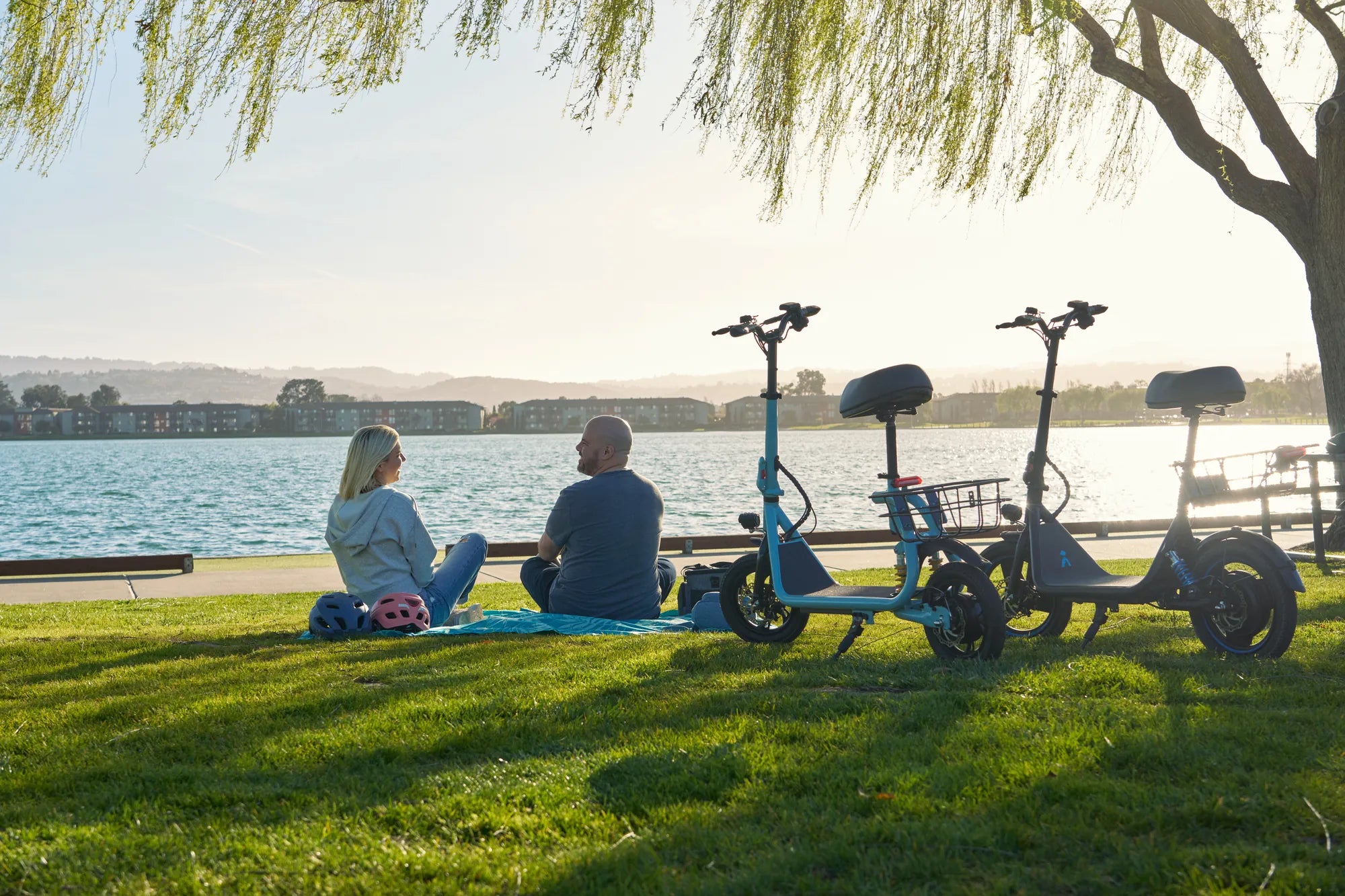
Are sit on electric scooters legal in the UK? The direct answer is no, private sit-on electric scooters are not legal for use on public roads, pavements, or cycle lanes. Currently, the only e-scooters legal on public roads are those part of official government-backed rental trials. This guide cuts through the confusion, providing a complete, data-driven overview of the complex legal landscape. You'll learn the exact classification of e-scooters under UK law, where you can and cannot ride, the severe penalties for illegal use, and the safety standards that will define the market when laws eventually change. Understanding these rules is essential for your safety, your wallet, and the future of personal transport.
Understanding the Legal Classification: What Defines an “E-Scooter”?
UK law does not have a specific category for electric scooters. Instead, they fall under the broad term “Powered Transporters,” governed by the Highway Act 1835 and the Road Traffic Act 1988. Legally, a privately owned e-scooter is treated as a motor vehicle. This classification carries significant implications.
As a motor vehicle, an e-scooter would require type approval, registration, vehicle excise duty (tax), a valid insurance policy, and the rider to have a relevant driving license. The critical issue is that privately owned e-scooters cannot currently meet these requirements. They are not type-approved for UK roads, and it is virtually impossible to obtain the necessary insurance. This legal Catch-22 renders them effectively illegal for public road use.
This classification applies to all e-scooters, whether sit-on or stand-up models. The law focuses on the vehicle's mechanical propulsion, not the rider's posture. The distinction between a sit-on scooter and a low-powered electric moped (which has a separate legal framework) often comes down to design, power output, and the presence of pedals. Without meeting specific criteria for an Electrically Assisted Pedal Cycle (EAPC) or a licensed L1e-B vehicle, the scooter remains a prohibited “Powered Transporter.”
Where Can You *Legally* Ride a Sit-On Electric Scooter in the UK?
Given the public road ban, legal riding options are limited but important to understand. The two primary legal avenues are participation in government-sanctioned rental trials and riding on private land with explicit permission. These options form the entire scope of compliant e-scooter use in the country today.
The Government Rental Trials: A Legal Loophole
The UK government initiated nationwide rental trials in 2020 to assess the safety and impact of e-scooters. These trials, operated by approved companies in designated regions, are the only way to legally ride an e-scooter on public roads and cycle lanes. The rules for these rental scooters are strict and differ completely from rules for private ownership.
To use a trial scooter, you must have a full or provisional driving license (category Q or above), be at least 16 or 18 (depending on the trial area), and use the provider's app. The scooters are geofenced to limit their speed (typically 15.5 mph) and operational zones, preventing use on pavements. It is crucial to note that these regulations apply only to the specific rental scooters within the trial areas. Riding a private scooter in a trial zone does not make it legal.
Private Land: Your Legal Riding Sanctuary
The most straightforward legal option for private e-scooter owners is to ride on private land with the landowner's explicit permission. This could include private estates, farmland, closed car parks, or dedicated tracks. The permission must be obtained in advance; simply assuming an empty space is acceptable can lead to trespassing charges.
Even on private land, safety and liability are paramount. Riders should ensure the terrain is suitable and consider obtaining public liability insurance in case of an accident causing injury or damage. This is where investing in a robust scooter from a brand like Gyroor, known for UL-certified batteries and IPX5 water-resistant designs, becomes a responsible choice for safe, off-road enjoyment.
Key Regulations & Safety Standards for Future Compliance
While private e-scooters are not yet legal for road use, the Department for Transport (DfT) has consulted on future regulations. The likely framework will mandate specific technical and safety standards, similar to those in the EU. Proactively understanding these helps consumers choose products built for longevity and future compliance.
Speed and Power Limits
Future legal personal e-scooters will almost certainly be subject to strict caps. The expected maximum speed is 15.5 mph (25 km/h). Motor power is likely to be limited to a continuous rated power of 500W. These limits are designed to integrate e-scooters safely into the existing urban transport ecosystem alongside bicycles.
Safety Features and Build Quality
Mandatory safety features will include front and rear lights, reflectors, an audible warning (bell or horn), and independent braking systems on both wheels. Beyond these basics, build quality and battery safety will be critical. The industry benchmark is moving towards UL 2272 certification for the drive system and battery pack, ensuring protection from electrical and fire hazards. Brands like Gyroor already build to these high standards, with all models using UL-certified battery packs tested for 500+ charge cycles and IPX5-rated water resistance for durability in British weather.
Rider Obligations and Insurance
Future regulations will likely set a minimum rider age of 16. While a driving license may not be required, helmets, though possibly not mandated by law, will be strongly recommended. The biggest shift will be the creation of a viable insurance framework. Insurers will need to develop specific e-scooter policies, a process that will follow the establishment of clear type-approval standards for the vehicles themselves.
Risks & Penalties for Illegal Use on Public Roads
Riding a private e-scooter illegally carries serious consequences. Police forces are increasingly issuing penalties to enforce the law. Ignorance is not a defense, and the costs can be substantial.
The primary offense is driving a motor vehicle without insurance. This can result in a £300 fixed-penalty notice and six penalty points on your driving license. If you do not have a license, you could face further fines and prosecution. Additional offenses include driving without a valid license, driving without due care and attention, and using a vehicle on a road without paid vehicle tax.
Police have the power to seize the e-scooter under Section 165 of the Road Traffic Act. You would then be liable for recovery and storage fees, often totaling hundreds of pounds, to get it back. Furthermore, illegal modifications, such as de-restricting the scooter to exceed speed limits, not only increase legal risk but also void manufacturer warranties and compromise safety systems engineered by responsible brands.
Comparing Personal Electric Transport Options in the UK
Understanding the legal alternatives to sit-on e-scooters is key. The table below compares the status of different personal electric vehicles under current UK law.
| Vehicle Type | Legal Status on Public Roads | Key Requirements | Best For |
|---|---|---|---|
| Private E-Scooter | Illegal (except on private land) | Landowner's permission only. No road use. | Private property recreation; awaiting law change. |
| Rental Trial E-Scooter | Legal in designated trial areas | Driving license, app, age 16/18+, follow trial rules. | Short, legal urban trips in trial zones. |
| E-Bike (EAPC) | Fully Legal | Pedals must be used, motor max 250W, cuts out at 15.5mph. No license/tax/insurance needed. | Commuting, leisure, fitness; full road/cycle lane access. |
| Electric Moped (L1e-B) | Legal if registered & approved | Type approval, registration, tax, insurance, CBT license, helmet required. Max 28mph. | Those needing longer range & speed, willing to get license. |
Gyroor’s Commitment to Safe and Responsible Riding
As a leading electric scooter and e-bike brand trusted by over 100,000 riders, Gyroor’s philosophy is built on safety, quality, and responsible innovation. We design our products not just for today's market but for a regulated future. Every Gyroor scooter, from our commuter models to our robust off-road designs, incorporates the safety features anticipated in future legislation.
Our commitment starts with power systems certified to the highest safety standards, including UL-certified battery packs. Our IPX5 water-resistant rating ensures reliability in diverse conditions. We back this with a reliable 1-year warranty, offering peace of mind. While laws evolve, our focus remains on providing durable, high-performance vehicles that riders can enjoy responsibly on private land today and be confident in for tomorrow.
Frequently Asked Questions (FAQ)
Can I get insurance for my private e-scooter?
It is extremely difficult to obtain insurance that would make a private e-scooter legal for road use. Some specialist insurers may offer theft or damage cover for use on private land, but this does not equate to the motor insurance required by the Road Traffic Act for public roads.
What about electric bikes (e-bikes) or electric mopeds?
These are completely different under the law. Electrically Assisted Pedal Cycles (EAPCs) that meet specific criteria are treated as bicycles and are fully legal on roads and cycle paths. Electric mopeds (classed as L1e-B) are also legal but require type approval, registration, tax, insurance, and the rider to have at least a CBT certificate and wear a helmet.
Are the laws different in Scotland, Wales, or Northern Ireland?
No. The laws governing e-scooters as “Powered Transporters” are consistent across England, Scotland, Wales, and Northern Ireland. The rental trial schemes may operate in different local authority areas, but the overarching legislation is UK-wide.
Could the law change soon?
The government has completed consultations and indicated intent to create a new vehicle category for low-speed, zero-emission vehicles, which would include e-scooters. However, passing new legislation is a slow process. While change is expected, no firm timeline has been announced. Riders should follow updates from the Department for Transport.
What should I look for when buying an e-scooter for use on private land?
Prioritize safety certifications (like UL marks), robust construction, water resistance (IP rating), reliable braking systems, and a trustworthy warranty. Brands like Gyroor that invest in these areas offer a safer, more durable product that will better align with future regulations and provide greater long-term value.
The Road Ahead for E-Scooters in the UK
The current answer to “Are sit on electric scooters legal in the UK?” remains a firm no for private use on public highways. The legal pathway exists only through official rental trials or on private property. The landscape is poised for change, driven by a demand for sustainable urban transport. As regulations evolve, they will inevitably center on certified safety, speed management, and rider responsibility. Choosing a scooter from a brand that already prioritizes these elements—with UL-certified batteries, durable designs, and clear warranties—is the smartest way to prepare for the future of personal mobility. For now, stay informed through official channels, ride safely and legally on permitted land, and invest in quality that lasts.
Explore a range of premium, safety-focused electric scooters and e-bikes designed for durability and performance. Browse the full Gyroor collection at gyroorboard.com.
Electric Scooters in Puerto Vallarta: The Ultimate Guide to Eco-Friendly Travel
Are Private Electric Scooters Legal? A Complete Guide to Rules and Regulations