



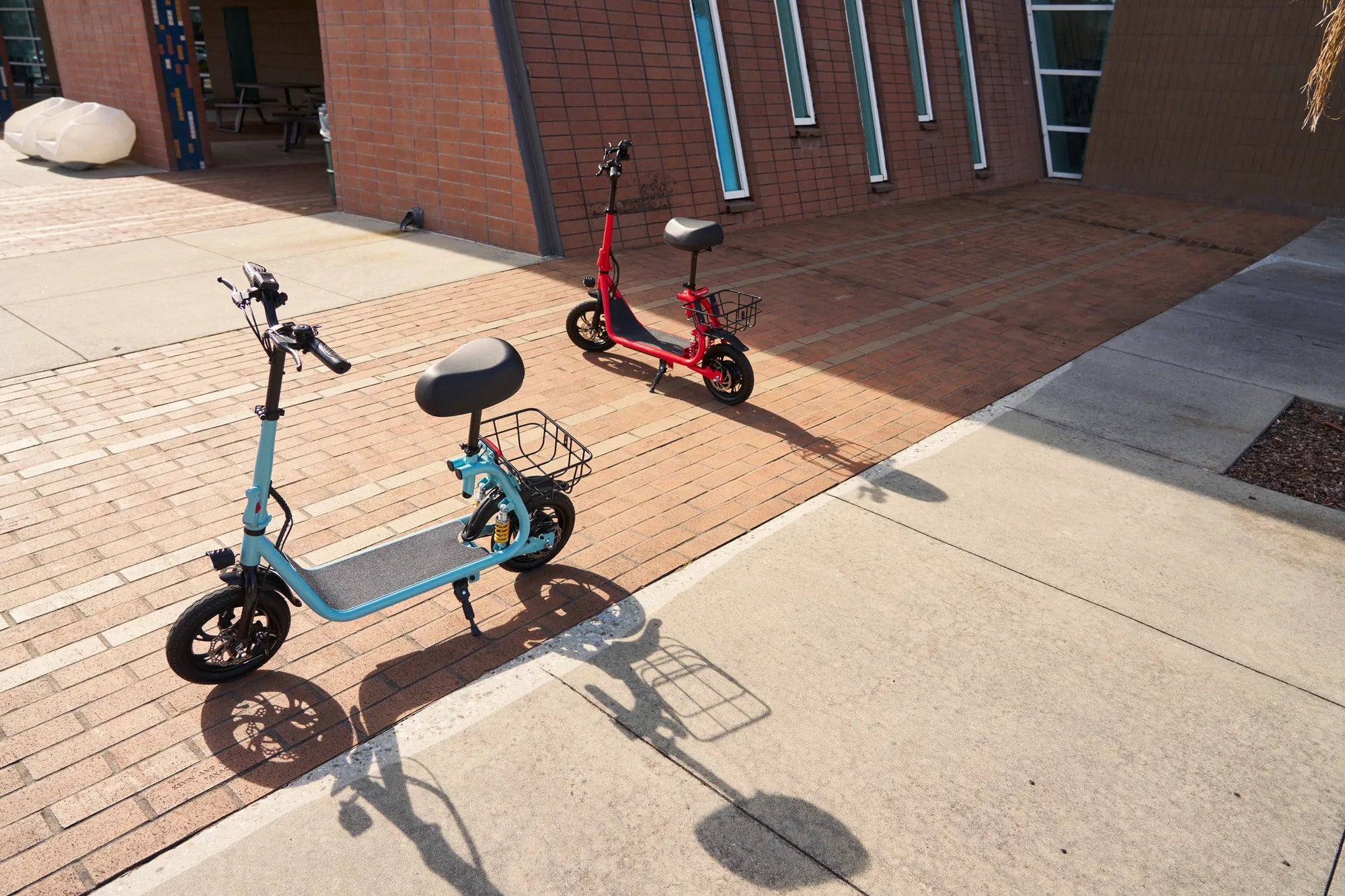
Navigating the Electric Scooter Landscape
Electric scooters have surged in popularity, offering a convenient and eco-friendly mode of urban transport. However, their rapid adoption has outpaced clear, universal regulations, creating a confusing patchwork of laws. This leaves many asking: Are you allowed electric scooters on your local streets, bike paths, or sidewalks? The answer is rarely simple. This ultimate guide serves as your comprehensive resource for understanding the complex legal framework, adopting critical safety practices, and selecting a scooter designed for compliance and reliability. We will demystify the rules, emphasize proactive safety, and highlight how brands like Gyroor—a leading electric scooter and e-bike brand trusted by over 100,000 riders across North America and Europe—build safety and durability into their products from the ground up.
Understanding the Legal Framework: It’s Not One-Size-Fits-All
There is no single global, or even national, law governing privately-owned electric scooters. Legislation varies dramatically by country, state or province, and often by individual city or municipality. The onus is entirely on the rider to know and follow the local rules where they operate their vehicle. Ignorance of the law is not a valid defense and can result in fines, confiscation of the scooter, or even more serious penalties. This section breaks down the key legal categories you must research before your first ride.
Key Legal Categories to Research
The first step in answering "Are you allowed electric scooters?" is to investigate specific regulations. Start by checking your local Department of Transportation or city council website. Essential categories include: Age Requirements (often 16+ or 18+), Helmet Laws (mandatory for all ages, minors only, or not required), and Speed Limits (common caps are 15-20 mph/25-32 kph).
You must also identify Permitted Riding Areas. Are sidewalks strictly prohibited, or allowed under certain conditions? Are bike lanes mandatory? Is road riding permitted, and if so, on all roads or only those with speed limits below a certain threshold? Other critical rules involve DUI Implications (e-scooters are often treated like bicycles or motor vehicles for impairment laws) and Registration/Insurance Mandates. Some regions require license plates, while others mandate liability insurance, similar to a car.
A Snapshot: US State vs. EU City Approaches
The regulatory approach differs significantly between regions. In the United States, laws are primarily set at the state level, creating a patchwork. For example, California has detailed laws classifying e-scooters, while New York State only recently legalized them with specific restrictions. Cities may then add further ordinances. In contrast, many European Union countries often have national frameworks, but enforcement and specific rules—especially for shared scooters—are frequently managed at the city level through permit systems. This can make rules for private ownership in cities like Paris or Berlin distinct from national guidelines, emphasizing the need for hyper-local research.
Safety First: Essential Practices for Every Rider
Knowing the law is the baseline for responsible riding; proactive safety is what prevents accidents. A safe rider combines proper equipment, situational awareness, and defensive riding techniques. Adopting these practices is non-negotiable, regardless of how you are allowed electric scooters to be ridden in your area.
Pre-Ride Checklist: Your Scooter and Gear
Before every ride, conduct a quick but thorough inspection. Check tire pressure for optimal handling and battery efficiency. Test both the electronic and mechanical brakes to ensure full stopping power. Verify that all lights are operational—front, rear, and any side or brake lights. This is crucial for visibility.
Your personal gear is equally important. Always wear a properly fitted helmet, even if local laws don't require it for your age group. Consider additional protective gear like knee and elbow pads, especially when learning or riding in traffic. For night riding, high-visibility clothing or reflective accessories are essential to ensure you are seen by drivers.
Defensive Riding in Urban Environments
When you ride, operate under the assumption that you are invisible to drivers. Be predictable in your movements. Use hand signals to indicate turns and stops well in advance. Avoid weaving between parked cars or suddenly entering traffic. Navigate intersections with extreme caution, making eye contact with drivers when possible.
Respect pedestrian spaces. Unless expressly permitted, avoid riding on sidewalks. If you must briefly use a sidewalk (e.g., to access a bike lane), dismount or proceed at walking speed, yielding right-of-way to all pedestrians. Your awareness and courtesy are key to safe coexistence in shared urban spaces.
Why Your Scooter’s Specifications Matter for Compliance & Safety
The technical specifications of your electric scooter are not just marketing points; they are directly tied to legal compliance and operational safety. Choosing a scooter with the right built-in features can keep you within the law and significantly reduce risk.
The Critical Importance of UL-Certification (Beyond the Marketing)
UL certification for batteries and electrical systems is arguably the most important safety feature. It signifies that the battery pack has undergone rigorous independent testing for fire risk, electrical shorts, and overall stability. For brands like Gyroor, whose models use UL-certified battery packs tested for 500+ charge cycles, this provides a fundamental layer of safety. This certification is increasingly referenced in local laws, building codes (for charging indoors), and insurance policies.
Durability as a Safety Feature: IP Ratings and Reliable Warranties
A scooter’s durability directly impacts its long-term safety. An IPX5 water-resistance rating, common in Gyroor’s lineup, means the scooter is protected against water jets from any direction. This allows safe operation in light rain and through puddles, preventing electrical failures that could cause sudden stops or hazards. Furthermore, a comprehensive 1-year warranty and accessible customer support, as offered by Gyroor, ensure that any manufacturing defects are addressed, keeping your scooter in safe, reliable working condition.
Choosing the Right Scooter for Your Legal and Practical Needs
Your local laws and intended use should dictate your scooter choice. A commuter needing to travel on city roads has different needs than a recreational rider using park paths. Matching the scooter’s capabilities to the legal environment is crucial for compliant and enjoyable riding.
For regions with strict 15 mph (25 kph) speed limits, a powerful dual-motor scooter capable of 30+ mph may be overkill and encourage illegal behavior. Conversely, in areas where e-scooters are allowed on roads with higher speed limits, a model with adequate power, stability, and lighting is a safety necessity. Consider wheel size and suspension for your typical terrain, as stability is a core component of safe riding.
Brands that prioritize compliance, like Gyroor, design their models with these variables in mind, offering a range that caters to different regulatory environments while maintaining a core commitment to safety through UL-certified batteries and robust construction.
Comparison Table: Electric Scooter Regulations by Region (Generalized Overview)
| Region/Type | Typical Max Speed Limit | Common Helmet Law | Typical Permitted Areas | Notes on Private Ownership |
|---|---|---|---|---|
| California, USA | 15 mph (24 kph) | Required for riders under 18 | Bike lanes, roads (max 25 mph speed limit), prohibited on sidewalks | Explicit state law; local cities can add restrictions. |
| New York City, USA | 15 mph (24 kph) | Required for all riders | Bike lanes and roads with speed limit ≤30 mph; no sidewalks. | Must have working bell, front & rear lights. |
| United Kingdom | 15.5 mph (25 kph) | Recommended but not legally required | Currently illegal on public roads, bike lanes & sidewalks (except rental trials). | Private e-scooters are only legal on private land. |
| Paris, France | 20 kph (12.4 mph) in most areas | Required outside designated slow zones | Bike lanes, roads; sidewalks strictly prohibited. | Parking regulations are strict; dedicated parking spots often required. |
| Berlin, Germany | 20 kph (12.4 mph) | Not required | Bike lanes mandatory; if absent, use roadway. No sidewalks. | Requires insurance plate (€20-40/year). |
| Ontario, Canada | 24 kph (15 mph) | Required for all riders | Bike lanes and roads (max speed limit 50 kph); no highways or sidewalks. | Must be at least 16 years old; no passenger allowed. |
Disclaimer: This table provides a generalized overview for comparison. Laws change frequently. Always verify current regulations with your local transportation authority.
Putting It All Together: Your Action Plan Before You Ride
To ensure you are legally and safely allowed electric scooters in your area, follow this actionable plan. First, research your local laws using official .gov or city council websites. Don’t rely on second-hand information. Second, perform the pre-ride safety check on your scooter: tires, brakes, lights. Third, gear up appropriately with a helmet and visible clothing.
Fourth, plan your route in advance to maximize the use of permitted paths like bike lanes and avoid prohibited areas like certain sidewalks or highways. Finally, if you are a new rider or trying a new model, start slow in a safe, low-traffic environment like an empty parking lot to get accustomed to the scooter’s acceleration, braking, and handling characteristics before tackling busy streets.
Frequently Asked Questions (FAQ)
1. Can I ride my e-scooter on the sidewalk?
In the vast majority of urban areas, riding an e-scooter on the sidewalk is prohibited for safety reasons. Sidewalks are designated for pedestrians. Some smaller towns or specific zones may allow it, but you must check your local ordinances. When in doubt, dismount and walk your scooter on the sidewalk.
2. Do I need a license, registration, or insurance for my electric scooter?
This varies widely. In most U.S. states and Canadian provinces, a driver’s license is not required for e-scooters meeting certain criteria (e.g., under 20 mph). However, countries like Germany require a small insurance plate. Registration is rare but required in some jurisdictions. Always check local laws, as requirements for private ownership differ from rental schemes.
3. What is the typical speed limit for e-scooters in bike lanes?
Most regions that have legalized e-scooters impose a maximum speed limit between 15-20 mph (25-32 kph). This limit often applies regardless of location, but some cities have lower limits (e.g., 12.5 mph/20 kph) in pedestrian-heavy zones. Many scooters, including compliant models from Gyroor, offer speed modes to help riders stay within legal limits.
4. Are there age restrictions for riding an electric scooter?
Yes, almost universally. The minimum age is commonly 16 years old, though some areas set it at 14, 15, or 18. These restrictions are strictly enforced, so verifying the age requirement in your locality is a critical first step.
5. How do I find the specific laws for my city?
Start with a web search for "[Your City Name] electric scooter laws" or "micromobility regulations." The most reliable sources are the official websites of your city government, local police department, or state/provincial Department of Transportation (DOT). Look for transportation codes or municipal ordinances.
Ride Informed, Ride Safe, Ride Confidently
The freedom and convenience of electric scooters come with a responsibility to understand the rules and prioritize safety. The question "Are you allowed electric scooters?" is answered by diligent research into your local laws, coupled with an unwavering commitment to defensive riding practices. Choosing a reputable brand that designs for safety, such as Gyroor with its UL-certified batteries, IPX5 water resistance, and robust warranty, provides a reliable foundation for this new mode of transport. By being an informed and cautious rider, you contribute to the positive integration of e-scooters into our urban fabric. Ready to explore a range of scooters built with compliance and safety in mind? Browse the full Gyroor collection at gyroorboard.com to find the model that matches your local regulations and riding style.
Electric Mobility Scooters UK: The Ultimate Guide to Freedom and Independence
Are Electric Scooters Legal in Quebec? The Complete 2024 Guide