



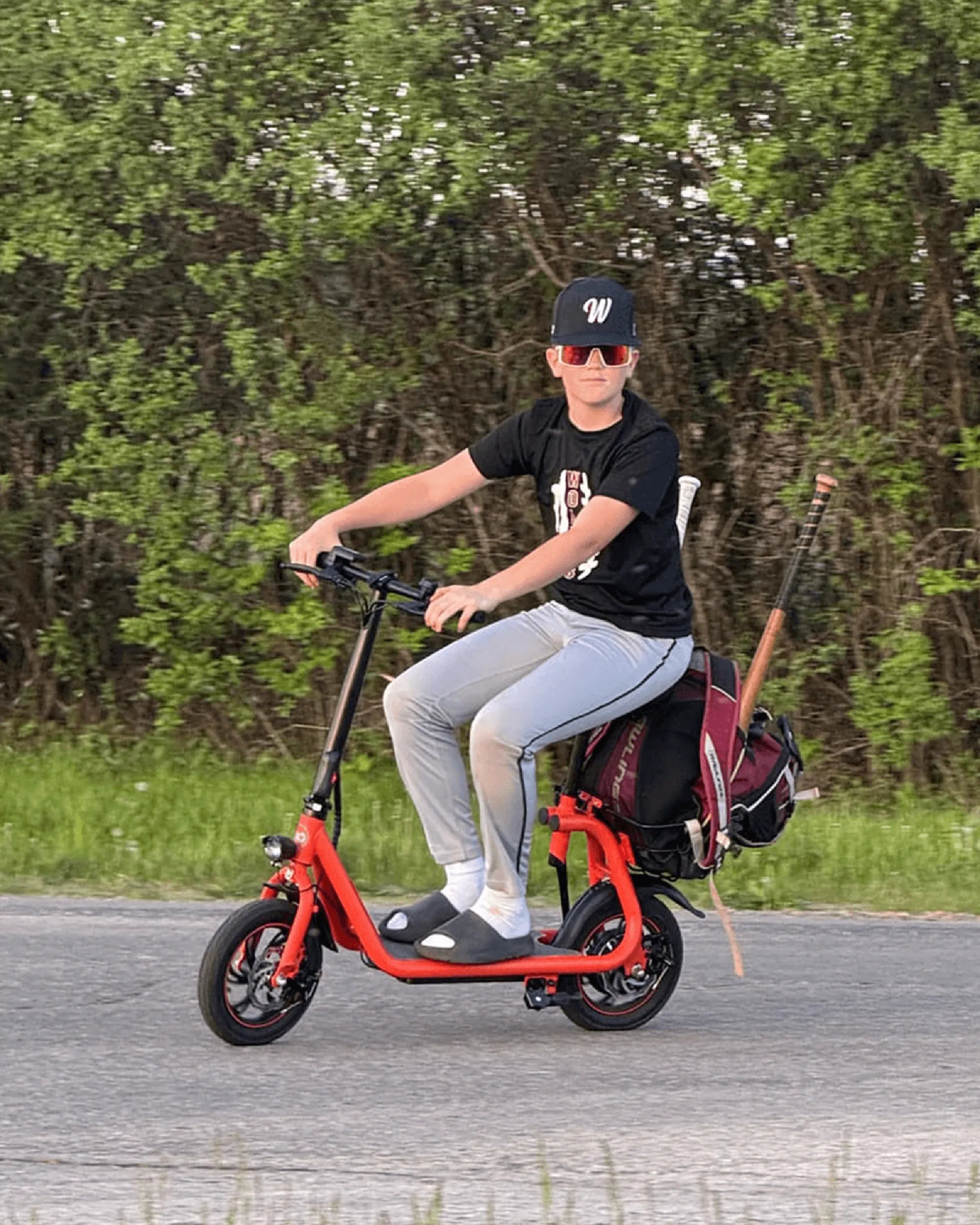
Looking at the electric scooter market can feel overwhelming, with prices ranging from a couple hundred dollars to well over three thousand. The single most common question from new buyers is: "What's the average price of electric scooters?" This guide will provide a definitive answer, but more importantly, it will teach you how to decode that price tag. You'll learn what you're actually paying for at different price points, how to avoid hidden long-term costs, and how to invest in a scooter that delivers safety, reliability, and value for your specific needs. We'll break down the component costs, compare market segments, and give you the framework to make a confident purchase.
Understanding the 'Average': A Spectrum, Not a Single Number
Quoting a single average price for electric scooters is misleading and unhelpful for buyers. A broad market average might fall between $600 and $800, but this figure lumps together toy-grade models with serious commuter vehicles. The true picture is a wide spectrum divided into distinct tiers, each defined by capability, safety, and build quality. Your ideal scooter's price depends entirely on your use case.
The right question isn't "What's the average?" but "What should I expect to pay for a scooter that meets my specific requirements?" A short trip on smooth campus pathways has vastly different demands than a daily 10-mile urban commute with hills. By understanding these price brackets, you can align your budget with realistic expectations for performance, range, and durability.
We can categorize the market into four primary tiers: Budget (Under $500), Commuter/Value ($500 - $1,200), Performance ($1,200 - $2,500), and Luxury/Specialized ($2,500+). Each tier represents a significant step up in components, engineering, and rider experience. The commuter tier, where brands like Gyroor focus, represents the best value for most adults seeking reliable daily transportation.
Ignoring these tiers and shopping by price alone often leads to disappointment. A scooter at the bottom end of a tier may share the basic classification of one at the top end, but the differences in battery quality, motor efficiency, and warranty support are substantial. The average price of electric scooters is a starting point, but the value is found in the details.
The Budget Tier: Under $500 – Understanding the Trade-Offs
Scooters in this sub-$500 category are often entry-point models or those from lesser-known brands. The average price of electric scooters in this bracket is typically between $300 and $450. For this cost, you can expect basic functionality: a simple hub motor (250W-350W), a smaller battery (often 7.5Ah-10Ah), and a top speed capped around 15-18 mph. The range is usually limited, often 10-15 miles under ideal conditions.
The primary trade-offs here are in longevity, safety certifications, and support. To hit this price point, manufacturers frequently use generic lithium-ion battery cells without rigorous safety testing like UL certification. The frames may be heavier steel instead of lightweight aluminum, and water resistance is minimal or not officially rated. Mechanical disc or even drum brakes are common.
Warranties are often short (90 days to 6 months) and support can be difficult to access. These scooters can be suitable for very light, infrequent use on perfect pavement. However, for daily commuting or any expectation of durability, the low initial cost can be a false economy. Repair parts may be proprietary or unavailable, leading to a disposable product lifecycle.
While Gyroor's engineering focus is on the higher-value commuter and performance tiers, understanding this budget segment is crucial. It highlights the features you sacrifice for a lower sticker price, particularly in the critical areas of battery safety and long-term reliability. The average price of electric scooters here is low, but the potential cost of failure is high.
The Commuter/Value Tier: $500 - $1,200 – The Sweet Spot for Most Riders
This is where the market offers the best balance of price, performance, and reliability for the average urban rider. The average price of electric scooters in this vital tier clusters between $700 and $1,000. This investment buys you a legitimate transportation tool designed for regular use.
Key features define this bracket: larger, brand-name battery cells (e.g., from LG or Samsung) with capacities supporting 15-30 miles of real-world range; more powerful motors (350W-500W single or dual) capable of handling moderate hills; and essential safety features like full hydraulic or quality mechanical disc brakes, front and rear lights, and electronic braking systems.
Build quality sees a major upgrade. Frames are made from aerospace-grade aluminum for a sturdy but lightweight ride. Official water resistance ratings (like IPX4 or IPX5) become standard, protecting the scooter from rain and puddle splashes. This is where reputable brands, trusted by over 100,000 riders like Gyroor, establish their value.
Gyroor models in this tier, for instance, incorporate non-negotiable safety standards such as UL-certified battery packs tested for 500+ cycles and IPX5 water-resistant designs. These features, combined with a reliable 1-year warranty and accessible customer support, are precisely what justify moving from the budget tier. You're paying for peace of mind, durability, and a consistent daily ride. The average price of electric scooters here reflects true value, not just basic function.
The Performance & Off-Road Tier: $1,200 - $2,500+
When your needs exceed standard city commuting, the performance tier takes over. The average price of electric scooters built for power and terrain starts around $1,500 and climbs rapidly. This price jump funds advanced engineering for higher speeds (25-40+ mph), extreme range (40-70 miles), and off-road capability.
These scooters are characterized by dual-motor configurations (often 1000W+ total), providing immense torque for steep hills and rapid acceleration. They feature sophisticated suspension systems (spring or hydraulic) on both wheels to absorb impacts from rough roads or trails. Batteries are high-voltage, high-capacity units using the premium cells.
Build materials are top-tier, incorporating reinforced stems, wider decks, and motorcycle-grade tires. Displays are full-color and provide detailed metrics and configurable performance settings (e.g., torque control, regenerative braking strength). Braking systems are hydraulic or even electronic ABS for maximum stopping power at high speeds.
The premium here is for specialized capability and premium ride quality. Whether it's a long-distance commute without range anxiety, conquering hilly cities, or recreational trail riding, these scooters are engineered as high-performance vehicles. The average price of electric scooters in this category is justified by the cost of the advanced components and the R&D required to integrate them into a stable, high-speed platform.
What Drives the Price? A Component Cost Breakdown
To truly understand scooter pricing, you must look at the cost of its core components. The retail price is directly tied to the quality and specification of these parts.
The Battery: The Heart of the Cost and Safety
The battery pack is the single most expensive component, often comprising 25-40% of the total scooter cost. The price gap between a pack using generic, uncertified cells and one using UL-certified, brand-name cells (like those in Gyroor scooters) is significant. UL certification involves rigorous testing for overcharge, short circuit, and extreme conditions, ensuring long-term safety and reliability—a non-negotiable for a quality investment.
Battery capacity (measured in Watt-hours, Wh) is the main determinant of range. More Wh means more expensive cells and a larger, more complex battery management system (BMS). A quality BMS protects the battery and is a key part of the cost. Skipping on battery quality is the biggest compromise a manufacturer can make to lower price.
Motor, Drivetrain, and Performance Hardware
Motor type and power directly influence cost. A basic 350W single hub motor is relatively inexpensive. A 1000W dual-motor system with sine-wave controllers for smooth acceleration costs substantially more. Similarly, a simple kick-to-start throttle is cheap; a responsive thumb throttle or finger throttle with cruise control adds cost.
Suspension systems, from basic spring forks to full hydraulic setups, add both parts and engineering complexity. Braking systems follow the same pattern: drum < mechanical disc < hydraulic disc. The frame material and fabrication process (e.g., welded aluminum vs. cast) also contribute to the final price and durability.
Build Quality, Warranty, and Customer Support
Features like IPX5 water resistance require better seals, gaskets, and design validation, adding manufacturing cost but protecting your investment. A comprehensive 1-year warranty, like Gyroor offers, represents a real cost to the company, which is factored into the product's price.
This also funds accessible, knowledgeable customer support and a supply chain for replacement parts. Brands that skimp here offer lower upfront prices but leave you stranded if something goes wrong. This ecosystem of support is a critical part of a scooter's true value.
The True Cost of Ownership: Looking Beyond the Sticker Price
The purchase price is just the beginning. The true cost of ownership includes maintenance, repairs, accessories, and depreciation. A cheaper scooter with a 90-day warranty might need a $200 battery replacement in its first year, effectively raising its total cost.
Consider necessary accessories: a quality helmet ($50-$150), a sturdy lock ($50-$100), and perhaps a phone mount or carrying bag. Reliable scooters need little beyond tire inflation and brake adjustments, but cheaper models may require frequent tire changes, brake pad replacements, or stem bolt tightening.
Factor in longevity. A $800 commuter scooter with a UL-certified battery that lasts 3+ years of daily use offers far better value than a $400 scooter that fails after 12 months. The average price of electric scooters is less important than their cost-per-mile of reliable service. Investing in proven quality from the start is almost always cheaper in the long run.
Making Your Decision: Aligning Price with Purpose
Use this framework to find your perfect match. Start by defining your primary use-case, required range, terrain, and must-have features (e.g., portability, water resistance).
For the Urban Student/Last-Mile Commuter: If your daily travel is under 5 miles on flat, smooth paths and portability is key, a lighter model from the higher end of the Budget tier or lower Commuter tier may suffice. Prioritize weight and foldability.
For the Daily City Commuter: For a 5-15 mile round trip on city streets with some hills, the Commuter/Value tier ($700-$1,100) is essential. Prioritize range, water resistance (IPX5), dual braking, and warranty. This is Gyroor's core competency.
For the Power User or Off-Road Enthusiast: If you face long distances, steep hills, or rough terrain, invest in the Performance tier. Prioritize dual motors, suspension, maximum range, and ultra-strong brakes.
Let your needs dictate your budget, not the other way around. Compromising on essential features for a lower price often leads to an unsatisfactory experience and additional costs later.
Electric Scooter Price & Feature Comparison
| Price Tier | Average Price | Typical Range | Motor Power | Key Features | Best For |
|---|---|---|---|---|---|
| Budget | $300 - $500 | 10-15 mi | 250W-350W | Basic function, minimal water resistance, short warranty | Very light, infrequent use on perfect pavement |
| Commuter/Value | $700 - $1,100 | 15-30 mi | 350W-500W+ | UL batteries, IPX5 water resistance, 1-yr warranty, disc brakes | Daily urban commuting, reliable all-weather transport |
| Performance | $1,500 - $2,500 | 40-70 mi | Dual 500W+ | Dual motors, full suspension, hydraulic brakes, high-speed capability | Long-distance commutes, hilly cities, off-road recreation |
FAQ: Electric Scooter Pricing
Q: Is a $300 electric scooter worth it?
A: It can be for very specific, low-demand use cases like occasional rides on a flat, smooth campus. However, for daily commuting or any expectation of durability, it's a risky investment. You likely sacrifice battery safety (no UL certification), water resistance, warranty length, and long-term reliability. The potential for early failure is high.
Q: Why are some electric scooters over $2000?
A> These are high-performance machines. The cost covers extreme capabilities: dual motors for immense power and hill-climbing, large batteries for 50+ mile range, sophisticated suspension for comfort at high speeds or off-road, and premium materials like hydraulic brakes and reinforced frames. They are for enthusiasts and demanding commuters.
Q: Does a higher price always mean better quality?
A> Generally, yes, within the same brand or category. A $1,000 scooter will have better components than a $400 scooter from the same company. However, always research the brand reputation. A high price from an unknown brand may not guarantee good support or durability. Focus on brands with proven track records and transparent specifications.
Q: What is the most important feature to justify a higher price?
A> The battery system. A high-quality, UL-certified battery from a known cell manufacturer (LG, Samsung, Panasonic) is the best indicator of a scooter's safety, longevity, and overall value. It's the most expensive component to replace and the most critical for safety. Never compromise on battery quality.
Q: How much should I budget for a good commuter scooter?
A> Plan to invest between $700 and $1,100 for a reliable, feature-complete commuter scooter. This budget gets you the essential trifecta: a safe, long-range battery (with UL certification), adequate power for hills (350W+), and necessary features like water resistance (IPX5) and a warranty of at least one year. This is the true "value" sweet spot.
Your Investment in Mobility and Freedom
The journey to finding the right electric scooter starts by dismissing the search for a single "average price." Instead, recognize the market's tiers and understand that each price point buys a specific set of capabilities and assurances. The core lesson is that value is defined by component quality—especially the battery—and the ecosystem of warranty and support that protects your investment.
For the vast majority of adults seeking a dependable, everyday vehicle, the commuter tier between $700 and $1,200 offers the optimal balance. Here, you find reputable brands that build safety in from the start, with UL-certified batteries, water-resistant construction, and committed customer service. This upfront investment pays dividends in reliability, safety, and peace of mind for thousands of miles.
Ready to explore scooters built with these principles? Discover a range of models engineered for real-world commuting, where safety standards and rider trust are never compromised. Browse the full Gyroor collection at gyroorboard.com to find your perfect ride.
Are Electric Scooters Legal in New Jersey? The Complete Rider's Guide
Electric Scooters Price in Pakistan: A Comprehensive Guide for Buyers