



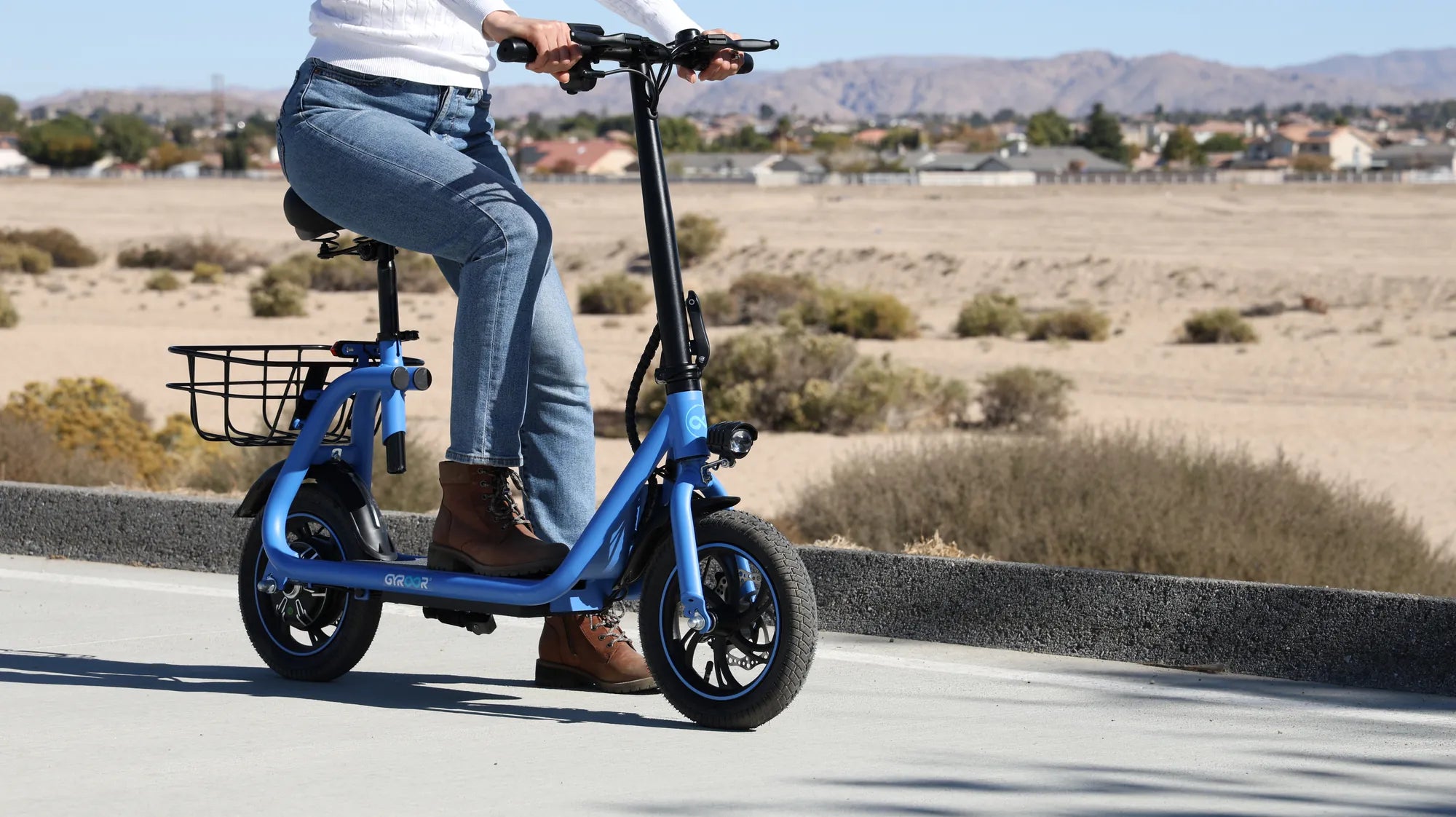
Electric bikes are revolutionizing urban commuting, and the heart of any e-bike is its battery. If you're in the market for a new battery for your bike, understanding the battery for bike price is essential to making a smart investment. Prices can vary widely, and knowing what influences the cost will help you avoid overpaying or ending up with a subpar product. Let's dive into the key factors that determine the price of an e-bike battery and how to get the best deal.
Factors Affecting Battery for Bike Price
The cost of an e-bike battery isn't just about capacity or brand—it's a combination of several critical elements. Here are the primary factors that influence the battery for bike price:
- Battery Type: Lithium-ion batteries dominate the market due to their efficiency and longevity, but they're also more expensive than older lead-acid or nickel-metal hydride options.
- Capacity (Wh): Measured in watt-hours (Wh), higher-capacity batteries cost more but offer extended range.
- Voltage: Common voltages include 36V, 48V, and 52V, with higher voltages typically commanding higher prices.
- Brand and Quality: Reputable manufacturers charge a premium for reliability and safety features.
- Warranty: Longer warranties often correlate with higher upfront costs but provide peace of mind.
Types of E-Bike Batteries and Their Price Ranges
Not all e-bike batteries are created equal. Here's a breakdown of the most common types and their typical battery for bike price ranges:
| Battery Type | Average Price Range | Pros | Cons |
|---|---|---|---|
| Lithium-Ion (Li-ion) | $300 - $1,000+ | Lightweight, long lifespan, high energy density | Higher initial cost |
| Lithium Iron Phosphate (LiFePO4) | $400 - $1,200+ | Extremely durable, safer chemistry | Heavier, more expensive |
| Nickel-Metal Hydride (NiMH) | $200 - $600 | More affordable than Li-ion | Heavier, lower energy density |
| Lead-Acid | $100 - $300 | Cheapest option | Very heavy, short lifespan |
How to Get the Best Value for Your Battery for Bike Price
Paying attention to the battery for bike price is important, but so is ensuring you're getting good value. Here are some tips to maximize your investment:
- Calculate Your Needs: Don't overpay for capacity you won't use. Estimate your daily mileage to determine the right battery size.
- Check Compatibility: Ensure the battery matches your bike's voltage and connector type to avoid costly mistakes.
- Consider Total Cost of Ownership: A cheaper battery may cost more in the long run if it needs frequent replacement.
- Look for Certifications: Safety certifications like UL or CE indicate quality construction.
- Compare Prices: Shop around, but be wary of prices that seem too good to be true.
Future Trends in Battery for Bike Price
The battery for bike price landscape is evolving rapidly. As technology advances, we're seeing:
- Gradual price decreases for lithium-ion batteries due to improved manufacturing
- Emergence of solid-state batteries promising higher capacity at lower weights
- Increased recycling programs that may lead to more affordable refurbished options
- Government incentives in some regions that can offset purchase costs
With electric bikes becoming more mainstream, the battery for bike price is no longer just a number—it's an important factor in your riding experience, range, and overall satisfaction. By understanding what goes into battery pricing and how to evaluate your options, you can make a purchase that powers your rides for years to come. The right battery investment today means more miles, more adventures, and fewer worries about being left without power when you need it most.
Off Road Cycling Routes Near Me: Discover the Best Trails for Adventure
Bike Friday Electric: The Ultimate Guide to Compact and Powerful Commuting