


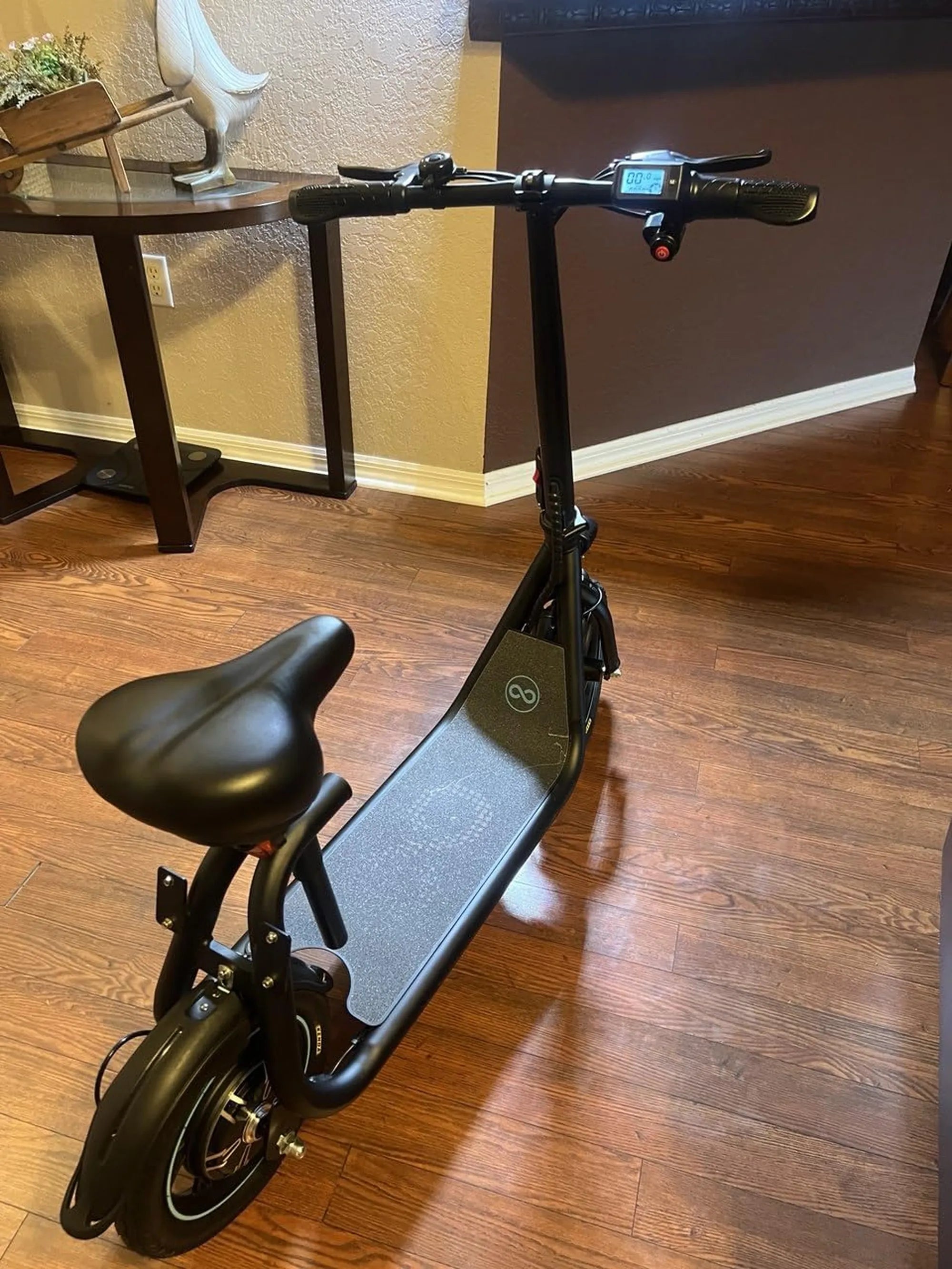
The Quest for the "Cheap Pro Scooter" – A Realistic Guide
Finding the best cheap pro scooter is not about hunting for the lowest possible price tag. It's a strategic search for a machine that delivers professional-grade reliability and safety at a budget-conscious cost. The core dilemma for savvy riders is identifying where you can safely reduce expenses without sacrificing the essential performance and durability required for daily commuting or recreational use. This guide will navigate that precise balance, separating marketing hype from engineering reality.
A true "pro" scooter, even on a budget, must handle the rigors of daily use. This includes consistent braking power, a frame that won't fail, and a battery system that is inherently safe. The term "cheap" in this context should be interpreted as exceptional value, not flimsy construction. We will define the non-negotiable features that form the foundation of any reliable scooter.
Compromising on the wrong components leads to higher long-term costs, safety risks, and frustration. Our goal is to equip you with the knowledge to make an informed investment. You will learn to prioritize certified safety features over superficial specs and understand the true cost of ownership beyond the initial purchase price.
The electric scooter market is vast, with options ranging from toy-grade to professional-grade. This article focuses on that crucial middle ground where quality and affordability intersect. By the end, you'll know exactly what to look for, what questions to ask, and how to spot a genuine bargain from a potential hazard.
What Makes a Scooter "Pro" vs. Just "Cheap"?
The distinction between a professional-ready scooter and a merely inexpensive one lies in its foundational components. A "pro" model is built for dependability, safety, and sustained performance, while a cheap model often cuts corners in critical areas to hit a low price point. Understanding this difference is the first step in finding the best cheap pro scooter for your needs.
Professional-grade scooters are designed with longevity in mind. They use higher-grade materials for the frame, deck, and stem to withstand vibrations, impacts, and weight stress. The electrical systems are better sealed and protected from the elements. These design choices directly impact safety and the scooter's usable lifespan, which is a key part of calculating value.
In contrast, a scooter that is simply cheap may offer impressive-looking specifications on paper. However, these specs often come with unstated caveats, like a battery from an uncertified supplier or brakes that fade quickly. The true cost emerges later through premature wear, reduced range, or in worst-case scenarios, component failure.
Non-Negotiable "Pro" Features
Certain features are absolute requirements for any scooter claiming professional utility, regardless of price. The battery is the most critical. A UL-certified or similarly internationally recognized battery pack is non-negotiable for fire and operational safety. Brands like Gyroor build their reputation on using UL-certified batteries tested for over 500 charge cycles.
The braking system must be reliable and consistent. A dual braking system, often combining an electronic brake with a mechanical disc or drum brake, provides essential redundancy. Single, low-quality brakes are a significant safety compromise, especially at speeds over 15 mph. Stopping power cannot be an afterthought.
Tire construction and suspension directly affect ride quality and safety. While solid tires eliminate flats, pneumatic (air-filled) tires offer better shock absorption. A "pro" budget scooter will have at least a basic suspension system (spring or hydraulic) and durable tires. The frame must be a robust aluminum alloy, not cheap, brittle plastics or thin-gauge steel.
Where "Cheap" Can Be Acceptable
Intelligent cost-saving occurs in areas that affect peak performance but not core safety or basic functionality. Top speed is a prime example. A budget pro scooter might cap at 22-25 mph instead of 30+ mph, which is still ample for most urban commutes. Sacrificing extreme speed for a better battery or brakes is a wise trade-off.
Maximum range is another area for compromise. You might find a model offering 18-22 miles per charge instead of 30+. For many daily commuters, a 20-mile range is sufficient, especially if the scooter supports fast charging. The key is that the stated range should be realistic, not a theoretical maximum under perfect conditions.
Premium materials like carbon fiber or advanced features like full-color digital dashboards, Bluetooth app connectivity, or customizable LED light shows are often absent on the best cheap pro scooter models. These are nice-to-have luxuries that can be foregone in favor of investing in the fundamental powertrain, battery, and braking systems.
Key Considerations When Shopping for a Budget Pro Scooter
Your shopping process should focus on long-term value and verified quality, not just the sticker price. Use the following checklist to evaluate potential models. This approach ensures your investment is protected and your riding experience is safe and enjoyable for years to come.
First, research the brand's reputation and customer support. A company with a track record, clear warranty terms, and accessible service is worth a slight premium. Gyroor, for instance, supports over 100,000 riders with a 1-year comprehensive warranty, which speaks to their confidence in product durability.
Second, always read beyond the headline specifications. Look for details about battery certification, motor wattage (continuous vs. peak), and the IP rating for water and dust resistance. These details are more telling than a simple "25 mph top speed" claim. They indicate the engineering philosophy behind the product.
The Battery: Your Safety and Range Lifeline
The battery is the heart of your electric scooter and the single most important safety component. Never compromise on battery certification. A UL, CE, or RoHS mark indicates the battery pack has passed rigorous safety tests for electrical stability, temperature management, and longevity. Uncertified batteries are a latent risk.
Battery capacity, measured in Watt-hours (Wh), is a more accurate gauge of potential range than Amp-hours (Ah) alone. A higher Wh rating generally means more energy storage. For a budget pro scooter, look for a reputable brand using cells from known manufacturers (like LG, Samsung, or Panasonic) in a certified pack. This is a core principle for brands focused on reliability.
Consider the battery's integration into the scooter. Is it securely mounted and protected from impacts? Is the charging port well-sealed? A good design, like the IPX5 water-resistant construction found on Gyroor models, protects the battery and electronics from rain and splashes, extending the scooter's life and ensuring safer operation in various conditions.
Build Quality & Warranty: The True Cost of Ownership
The initial price is just the entry fee. The true cost of ownership includes maintenance, potential repairs, and how long the scooter remains functional. Build quality directly dictates these costs. A frame made from aircraft-grade aluminum alloy is lightweight yet strong, resisting fatigue from daily use.
The warranty is your insurance policy. A comprehensive 1-year warranty that covers the battery, motor, and frame is a strong indicator of quality. It shows the manufacturer stands behind their product. Be wary of warranties that are exceptionally short, only cover certain parts, or have overly restrictive terms. A good warranty, like Gyroor's, protects your investment.
Pay close attention to the scooter's IP (Ingress Protection) rating. For a commuter scooter, a rating of IPX5 is ideal. This means the scooter can withstand low-pressure water jets from any direction, making it safe to ride in light rain and through puddles. Lower ratings (or no rating) significantly limit where and when you can safely ride.
Performance Specs: Aligning Expectations with Reality
Set realistic expectations based on your budget. For a budget pro scooter, a motor with a continuous power rating of 350W to 500W is typical. This provides enough torque for hills and acceleration without excessively draining the battery. Peak power ratings can be much higher but are less relevant for sustained performance.
Advertised range is almost always a best-case scenario. Factor in real-world conditions: rider weight, hills, frequent stops/starts, and temperature can reduce range by 30-40%. If you need a 10-mile commute, choose a scooter with a stated range of at least 15-18 miles to ensure a comfortable buffer.
Speed should be evaluated in context. A top speed of 20-25 mph is more than adequate for city commuting and is often the legal limit in many urban areas. Prioritizing a scooter that maintains a stable, comfortable ride at 20 mph with good brakes is smarter than chasing an unstable 30 mph top speed on a lightweight, poorly suspended chassis.
Spotlight: How Gyroor Models Deliver "Pro" Value on a Budget
Gyroor serves as a prime case study in how a reputable brand delivers professional-grade value in the mid-price segment. By strategically integrating certified core components and robust design, they create scooters that meet our definition of a "cheap pro scooter"—affordable without being cheaply made.
The foundation of this value is the UL-certified battery pack. This single feature addresses the paramount concern of safety and provides predictable, long-term performance. Knowing the battery has passed rigorous testing allows riders to focus on the ride, not on potential hazards. This certification is a non-negotiable that Gyroor includes across its lineup.
Build quality is enforced through an IPX5 water-resistant rating. This isn't just a marketing term; it's an engineering standard that allows the scooter to be a true all-weather commuter tool. Combined with a sturdy aluminum alloy frame, this design choice ensures durability against daily wear and environmental exposure, directly reducing long-term ownership costs.
The 1-year comprehensive warranty provides the final piece of the value proposition. It demonstrates confidence in the product's reliability. When you purchase a Gyroor scooter, you are not just buying a vehicle; you are buying into a support system trusted by a community of over 100,000 riders. This holistic approach—certified battery, durable build, strong warranty—is the blueprint for what to seek in any brand when searching for the best cheap pro scooter.
Top Alternatives & Competitive Landscape
While Gyroor provides an excellent benchmark, the market includes other brands that compete in the value-focused, professional-ready segment. A balanced view helps in making an informed decision. The following comparison evaluates key competitors based on the critical considerations outlined earlier: battery safety, warranty, core features, and price positioning.
When evaluating alternatives, apply the same rigorous checklist. Prioritize brands that are transparent about their battery certifications and motor specifications. Look for user reviews that mention long-term durability and customer service experiences. The presence of a physical service network or readily available spare parts is a significant advantage for any brand.
It's important to note that the lowest-priced option often omits critical safety certifications or offers a very limited warranty. The goal is to find the sweet spot where price and professionally-oriented features converge. The table below provides a high-level overview to aid your research.
| Brand | Battery Certification | Warranty Length | Key Feature Highlight | Price Tier |
|---|---|---|---|---|
| Gyroor | UL-Certified | 1 Year Comprehensive | IPX5 Water Resistance, Robust Frame | Mid-Range Value |
| Brand A | CE Certified | 6 Months (Limited) | High-Torque Motor, Advanced Suspension | Mid-Range |
| Brand B | Unspecified | 90 Days | High Top Speed, LED Display | Budget |
| Brand C | UL-Certified | 1 Year (Frame/Motor only) | Long-Range Focus, App Connectivity | Premium Mid-Range |
Frequently Asked Questions (FAQ)
Q1: Is a "cheap pro scooter" safe for daily commuting?
A1: Yes, but only if it prioritizes certified safety components. The key is ensuring the scooter has a UL-certified or similarly recognized battery, a reliable dual braking system, and a solid frame construction. Never compromise on these fundamentals for a lower price. A model from a reputable brand like Gyroor, which includes these features, is designed specifically for safe daily use.
Q2: What's the most common trade-off with a budget pro model?
A2: The most frequent compromises are in maximum range and top speed. You might get a realistic 18-22 mile range instead of 25+, and a top speed of 22 mph instead of 28+ mph. Additionally, premium materials (like carbon fiber) and advanced features (like full-color dashboards or app integration) are often omitted to keep costs down while maintaining core durability and safety.
Q3: How important is the IP water resistance rating for a commuter?
A3: It is crucial. A rating of IPX5 or higher means the scooter is protected against water jets, making it safe to ride in rain and through wet streets. This protection prevents water damage to the motor, battery, and electronics, which are the most expensive components to repair. For a reliable all-weather commuter, do not settle for a rating below IPX4.
Q4: How long should the battery last on a budget pro scooter?
A4: A quality lithium-ion battery from a certified pack should retain a significant portion of its capacity for 2-3 years of regular use, typically 500+ full charge cycles. Proper care (avoiding full discharges, not charging immediately after a hot ride, and storing in moderate temperatures) will maximize its lifespan. Brands using UL-certified cells, like Gyroor, design their batteries for this longevity.
Q5: Can I upgrade components on a budget scooter later?
A5: Upgradability is often limited on integrated, value-focused models. While you may be able to change tires or brake pads, upgrading the battery or motor is usually not feasible or cost-effective due to proprietary shapes, controller compatibility, and structural design. It's best to choose a scooter with the performance and range you need from the start.
Conclusion: Smart Investment Over Short-Term Savings
The search for the best cheap pro scooter culminates in a simple principle: invest in verified safety and proven durability over superficial specs and rock-bottom pricing. Your ideal scooter is one that strategically balances cost without cutting corners on the critical triad of a certified battery, reliable brakes, and a durable, water-resistant build. This approach ensures your purchase is a tool for transportation, not a source of ongoing concern.
By using the framework and checklist provided, you can confidently navigate the market. Let the presence of certifications like UL and IP ratings guide your decision more than marketing claims about speed or range. A strong warranty from a reputable brand is the final seal of approval, protecting your investment for the long haul.
Your journey to reliable, affordable personal transportation starts with informed choices. Evaluate your needs, apply the criteria for a true professional-grade machine, and choose a partner that prioritizes your safety and satisfaction. The right scooter will provide freedom, fun, and utility for miles to come.
Ready to explore a range of electric scooters built on these principles of safety, durability, and value? Browse the full Gyroor collection at gyroorboard.com to find the model that matches your commute and your budget.
Lightweight 3 Wheeled Mobility Scooter: The Ultimate Guide to Portable Independence
300cc Trike Scooter: The Ultimate Guide to 3-Wheeled Stability & Power